Craniomaxillofacial (CMF) Implants
Craniomaxillofacial implants are titanium plates and screws used to fix fractures and reconstruct bone in the skull, midface, and jaw — following trauma, tumor resection, or orthognathic surgery. Because these areas combine thin bone, curved surfaces, and close proximity to nerves and vessels, CMF hardware is built lower-profile and more precisely shaped than standard orthopedic plating.
What's in This Collection
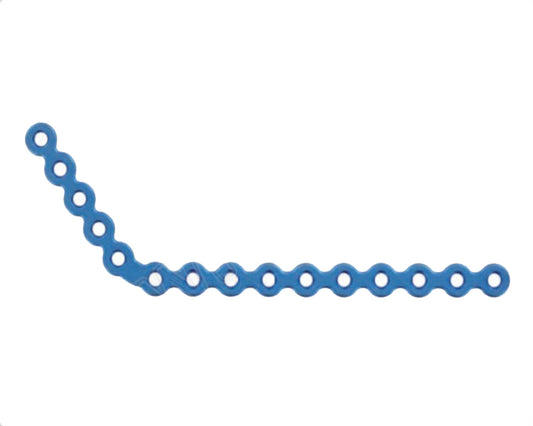
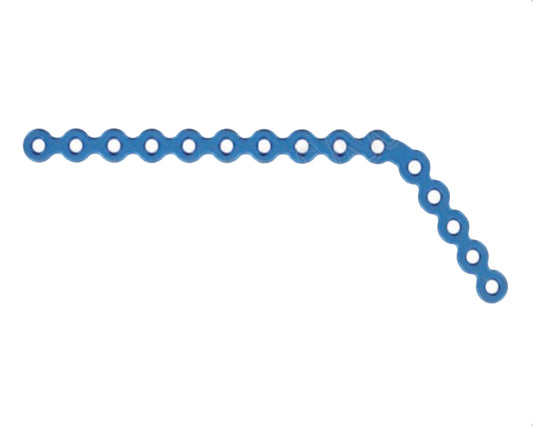
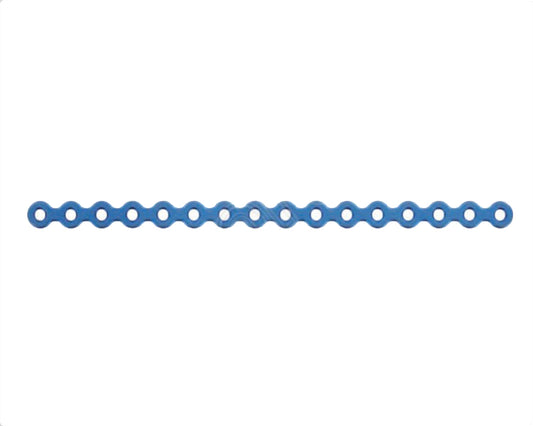
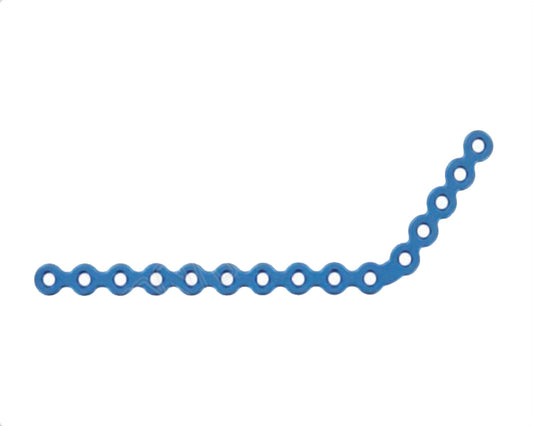
For fracture fixation across the midface and mandible, this range includes L-Plates (straight and 110° angled, with bar, in 10mm and 16mm, left and right), Z-Plates with Bar (12mm), and a T-Plate — each geometry suited to a different fracture line orientation. The Titanium Straight Bar Plate (8mm) and Double Y Plate cover simpler linear and branching fracture patterns.
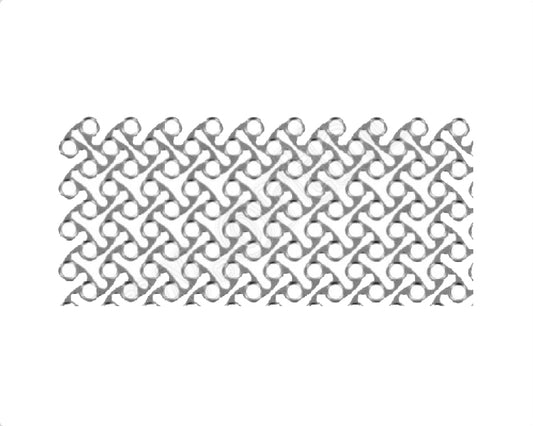
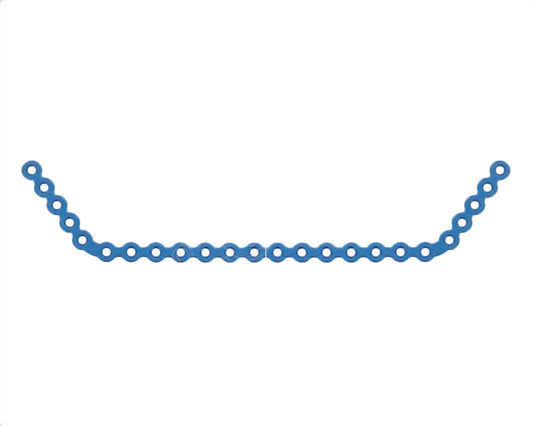
For larger reconstructive cases, the BMR (Mandibular Reconstruction) Plate range covers straight, angled (left and right), 3+3 hole, and complete mandible configurations in 1.5mm titanium — used to bridge segmental mandibular defects, most often following tumor resection. The Flexible Mesh Plate (0.6mm titanium) and CAD Plate (Rectangular) are used for cranial vault and orbital floor reconstruction, contoured to the defect at the time of surgery.
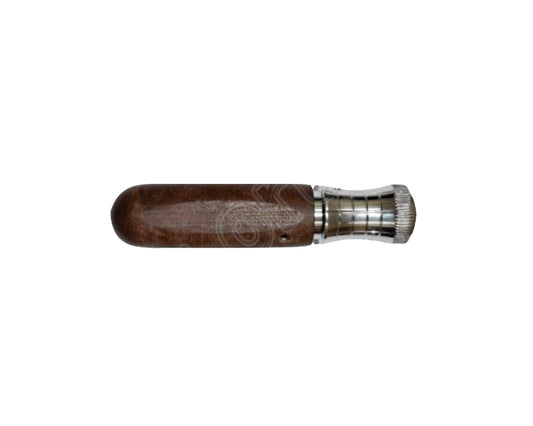
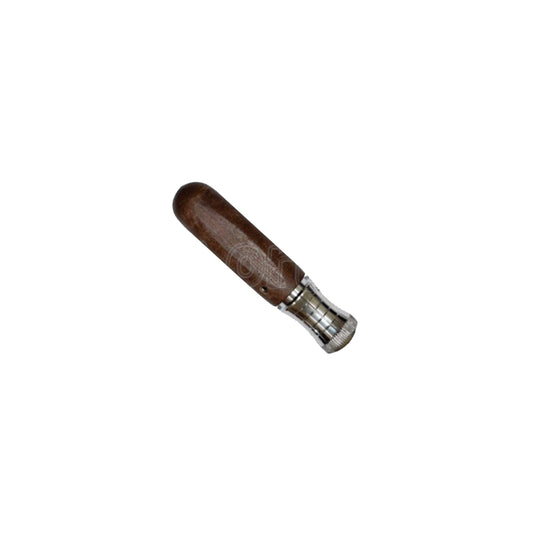
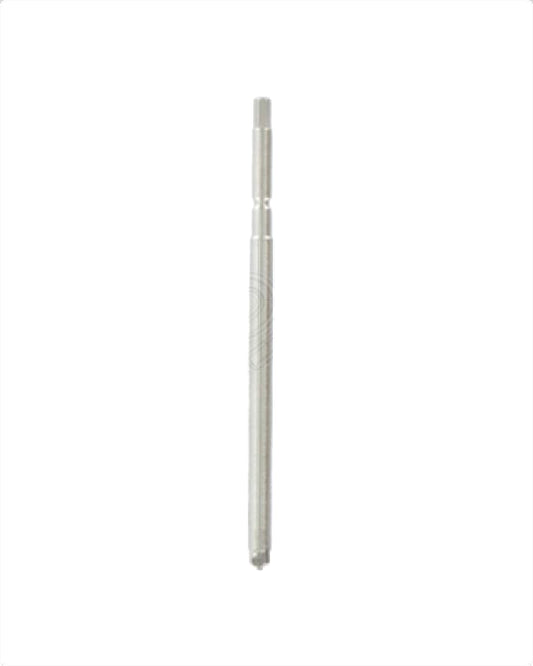
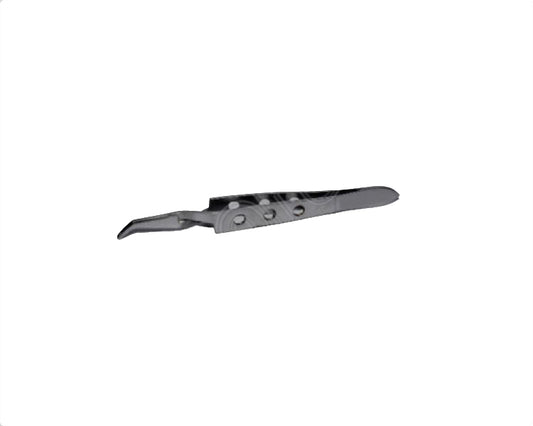
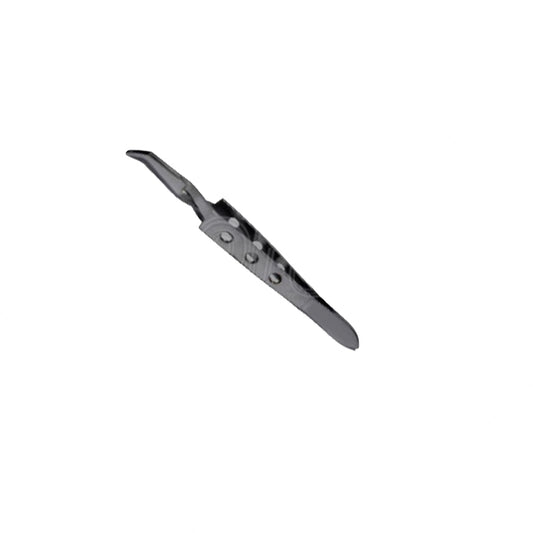
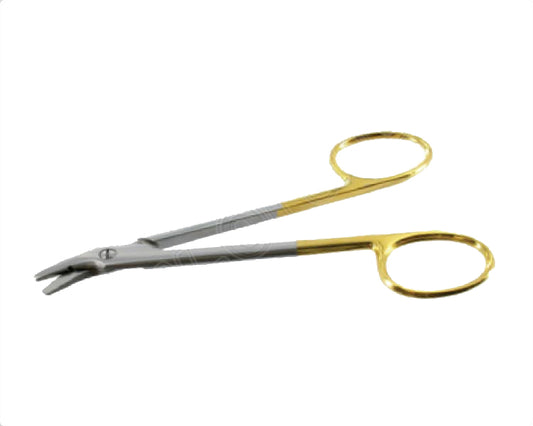
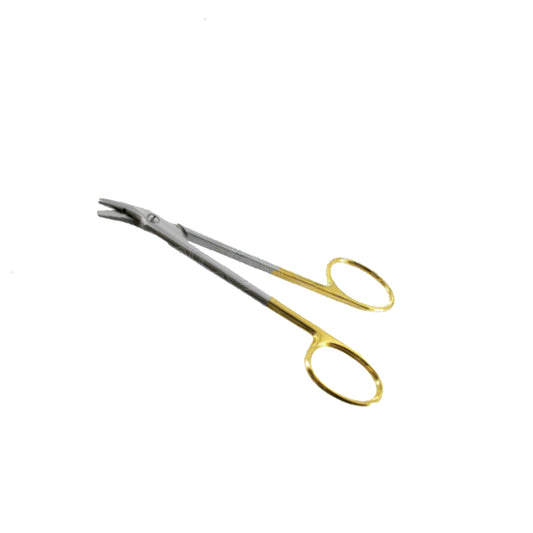
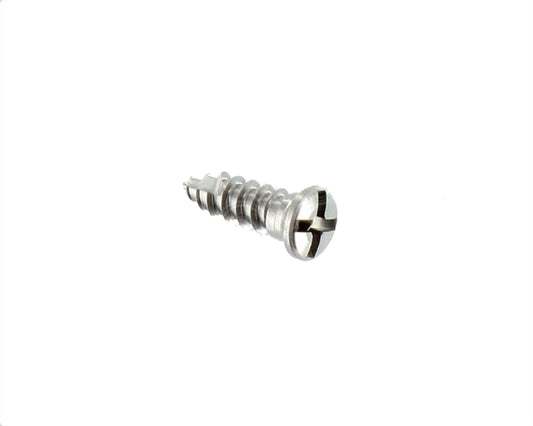
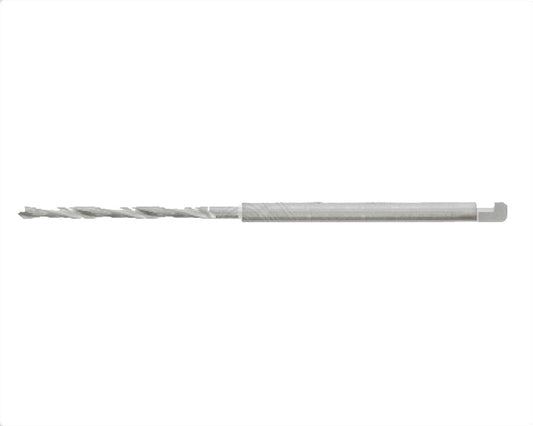
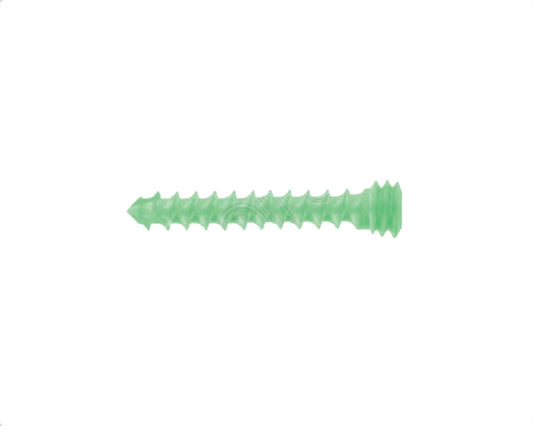
Fixation hardware includes Cross-Fit Self-Drilling Screws and Cross-Fit Locking Screws (3.0mm), both titanium. Supporting instruments include Micro Drills, the Screwdriver Handle Neuro and matching Screwdriver Blade Neuro for cranial fixation, Plate Holding Forceps for positioning plates during fixation, and a Mesh Cutter for trimming mesh plates to fit the defect intraoperatively.
Choosing the Right Plate
Plate selection follows fracture geometry and defect size rather than a single default: L- and Z-plates suit angled or offset fracture lines, straight bar and T-plates suit simpler linear fractures, and BMR plates are reserved for segmental defects large enough to need a bridging reconstruction rather than fracture fixation alone. Mesh and CAD plates are chosen for cranial and orbital work where the plate needs to be contoured to a curved, often irregular bone surface.
Related Products
Pair these implants with our Mini Fragment Implants for smaller facial fracture work, and with Bone Plate Holding Forceps and Screw Holding Forceps, Taps & Countersinks for placement support beyond what's included here. For adjacent facial and rhinoplasty procedures, see Rhinoplasty Surgery Instruments and Chisel Osteotomes Gouges. To browse the complete implant range, visit Orthopedic Implants.
Ordering
Peak Surgicals manufactures and supplies craniomaxillofacial implants for hospitals and distributors worldwide, with international shipping — contact our team for current stock and wholesale pricing.
Frequently Asked Questions
What's the difference between an L-Plate and a Z-Plate?
Both are titanium fixation plates used for facial and mandibular fractures, differing mainly in the angle and offset of their geometry — chosen to match the specific fracture line rather than one being generally superior to the other.
What is a BMR mandibular reconstruction plate used for?
A BMR plate bridges a segmental defect in the mandible, most commonly after tumor resection, rather than fixing a simple fracture — it's a larger, load-bearing reconstruction implant rather than a fracture plate.
What is a mesh plate used for in craniofacial surgery?
A flexible titanium mesh plate is contoured to the defect intraoperatively and used to reconstruct curved or irregular bone surfaces, most often in cranial vault or orbital floor repair.
What's the difference between a self-drilling and a locking screw?
A self-drilling screw creates its own pilot hole during insertion, reducing surgical steps. A locking screw threads directly into the plate itself, creating a fixed-angle construct that resists loosening independent of bone quality.
Are these implants titanium?
Yes, the plates and screws in this collection are titanium, chosen for its biocompatibility, corrosion resistance, and lower profile compared with stainless steel in craniofacial applications.