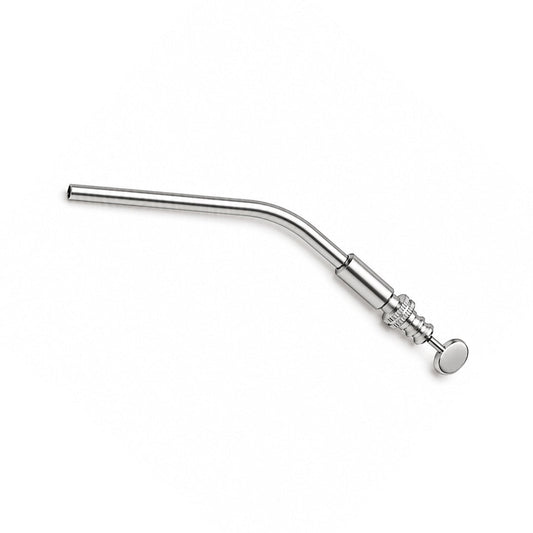
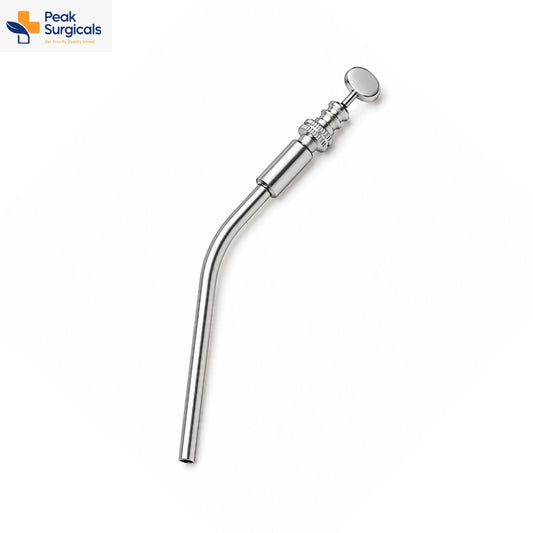
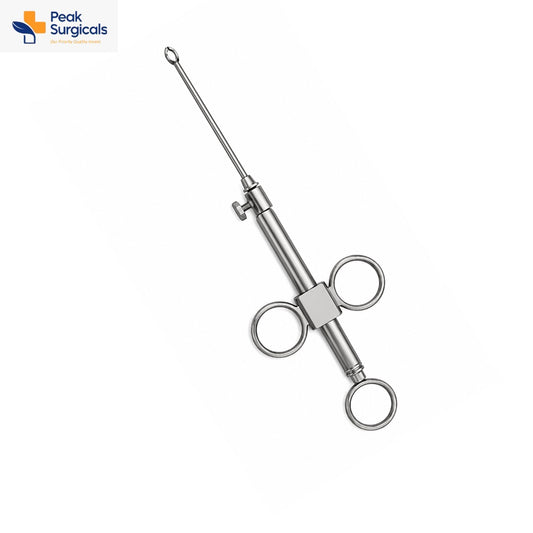
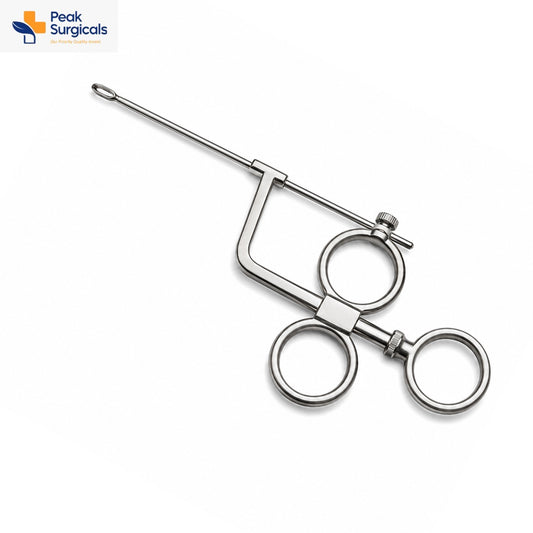
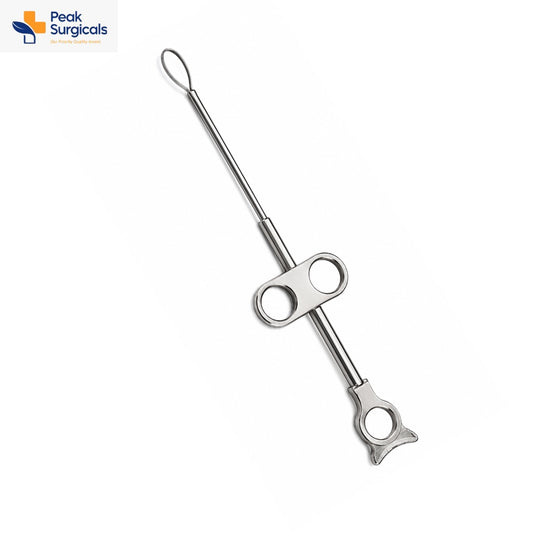
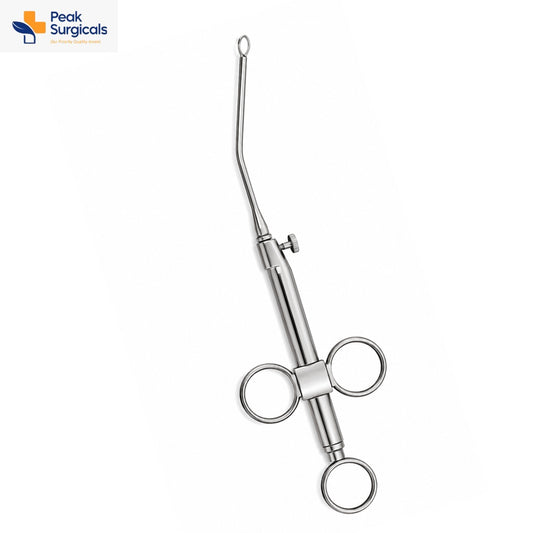
ENT Snares for Nasal, Aural and Tonsil Procedures
An ENT snare uses a wire loop that tightens around tissue so it can be removed cleanly, and the instrument's handle and shaft decide how smoothly the surgeon can control that loop. Snares are made for different parts of the head and neck, so the length, shaft shape and handle all matter for the procedure at hand. Our ENT snares collection brings together nasal, aural and tonsil snares for ENT surgeons, hospitals, teaching units and purchasing teams who want clearly described instruments at clear prices. Whether you are equipping an operating theatre or an outpatient clinic, you can compare each pattern and choose what suits your technique, your patients and the way your team likes to work. The range is small and focused, which keeps comparison simple, and each pattern is listed with its own page so you can review the details before you buy.
Types of Snares We Offer
Nasal snares. The Krause Nasal Snare and the Negus Nasal Snare are made for work in the nasal cavity.
Aural snares. The Glegg Aural Snare and the Ballance Aural Snare are made for work in the ear.
Tonsil snares. The Eve Tonsil Snare is made for tonsil procedures.
Why Instrument Quality Matters
A snare has to move smoothly and hold firmly, so a free-running mechanism, a well-finished shaft and a comfortable handle are essential. A stiff or catching mechanism makes the loop harder to control, and rough surfaces make cleaning harder. Check the specifications on each product page carefully, since lengths, shapes and options differ between patterns. Reliable instruments also keep a case moving, because fewer replacements mean fewer interruptions for the surgeon, the nursing team and the patient waiting on the table. After each case, clean the instruments promptly and follow the manufacturer's instructions and your facility's reprocessing protocol in sterilization baskets.
How to Choose the Right Snare
-
Site: Choose nasal, aural or tonsil patterns to match the procedure.
-
Length: Check the listed length for reach and comfort.
-
Handle: A comfortable handle makes controlled movement easier over a long list.
-
Spares: Wire loops are often used and then replaced, so keep spares ready.
Inspect the mechanism, shaft and loop before every case, and keep spares ready, since a damaged snare should never be used on a patient or delay a theatre list. Compare prices and availability on each product page, or ask our team if you need help planning a larger order for your busy hospital or ENT clinic.
Complete Your ENT Set
Snares work alongside many other ENT instruments. Explore these related categories to build a full tray:
Ordering from Peak Surgicals
We ship worldwide, and orders above $99 qualify for free shipping. See our shipping policy for details. Not sure which snare suits your procedures? Contact our team and we will help you choose.
Frequently Asked Questions
1. What is an ENT snare used for?
An ENT snare uses a wire loop to encircle and remove tissue such as polyps, and it is used by trained surgeons. Browse the full ENT snares collection to see the available patterns.
2. What is the difference between nasal, aural and tonsil snares?
They differ in length and shape, which are matched to the nose, ear or tonsil. Check each product page for details.
3. Why are some snares bayonet shaped?
A bayonet shaft is offset, which can help keep the surgeon's hand out of the line of sight. Check each listing to see which patterns have this shape.
4. How should snares be cleaned?
Clean them promptly after use, dry them and inspect the mechanism and loop for damage. Follow the manufacturer's instructions and your facility's sterilization protocol.
5. Do you ship internationally, and is shipping free?
Yes, we ship worldwide, and orders above $99 qualify for free shipping. Delivery details are in our shipping policy, and you can reach our team through the contact page.