Post Mortem & Dissecting Scissors for Autopsy and Tissue Work
Choosing the right dissecting scissors starts with the tissue and the task. This collection brings together post mortem instruments, Mayo dissecting scissors and bowel scissors for autopsy rooms, pathology labs and anatomy teaching. Each pattern is priced from $27.50, CE marked and made under ISO 13485, with international shipping.
Types of Dissecting Scissors
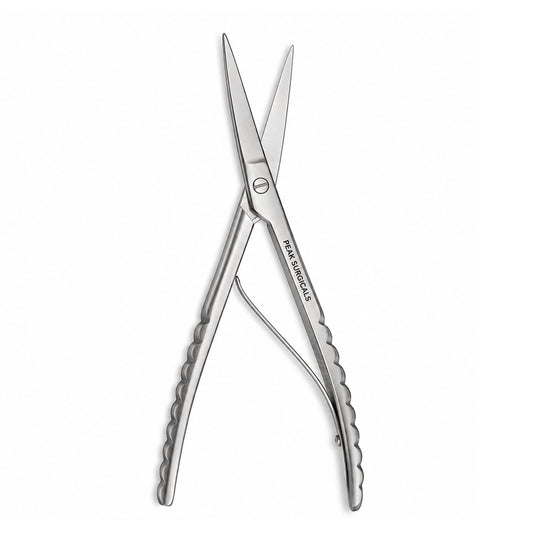
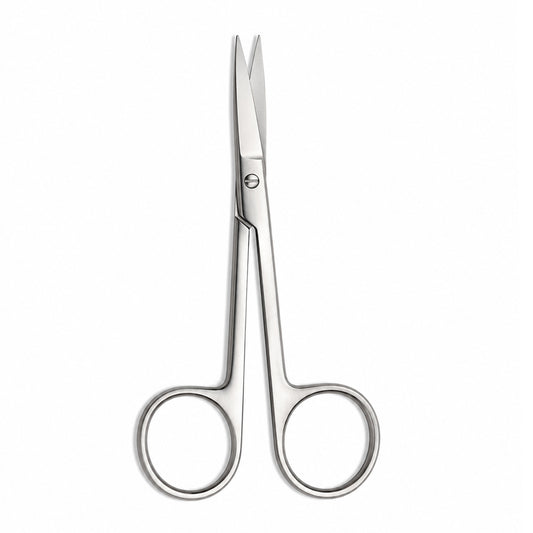
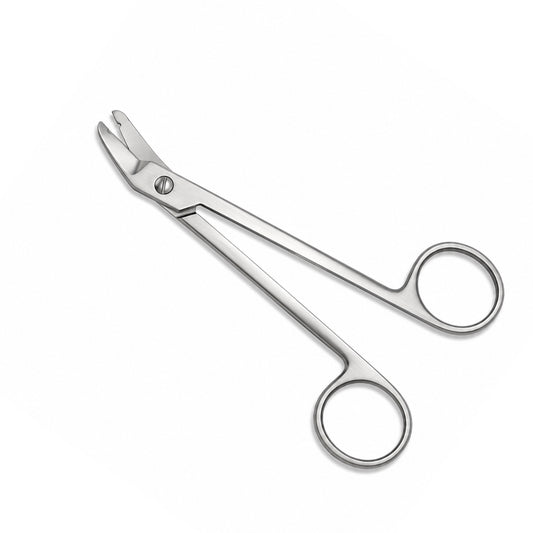
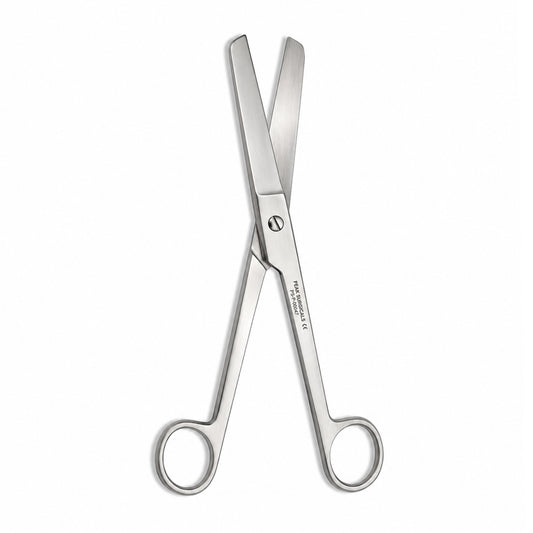
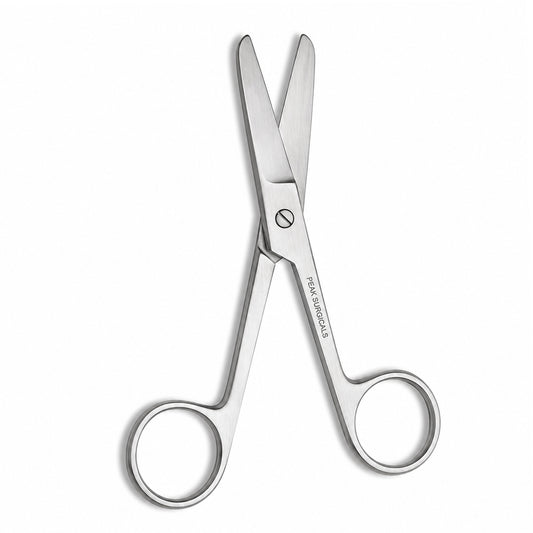
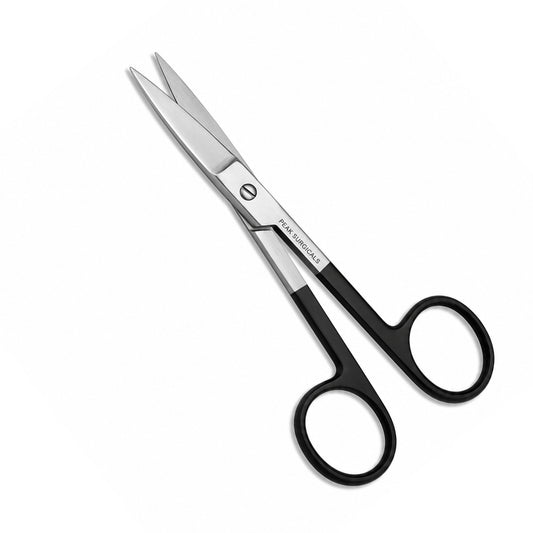
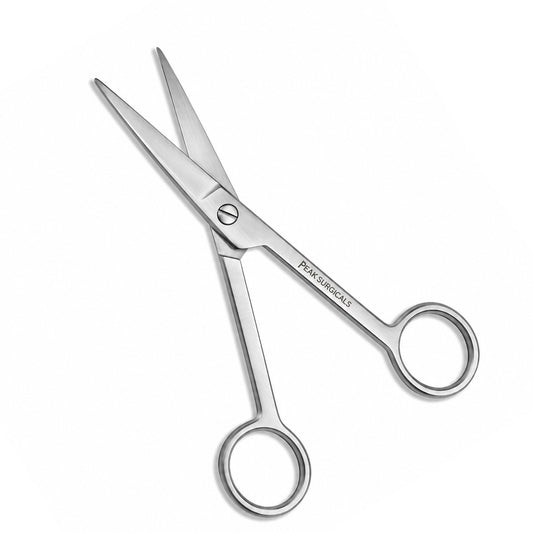
Straight patterns suit long, controlled cuts, while curved patterns reach deeper layers. The tip combination matters just as much. The Post Mortem Dissecting Scissors 5" Sharp/Sharp cut skin and soft tissue cleanly. The Post Mortem Scissors Straight 5" Blunt/Blunt separate tissue without piercing it. For longer incisions, choose the 8" Sharp/Sharp pattern. For finer work, the 4.5" straight scissors give a lighter, more precise hand.
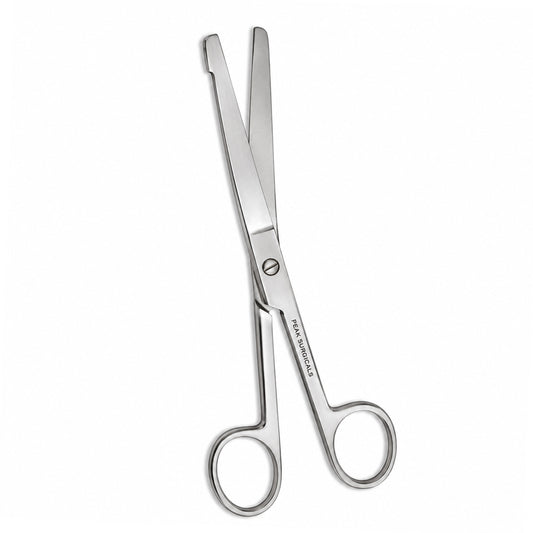
The Mayo Post Mortem Scissors 5.5" Round Point have a sturdy blade for fascia and connective tissue. The Post Mortem Dressing Scissors Sharp/Probe slide under tissue before cutting.
Bowel Scissors and Edge-Retention Options
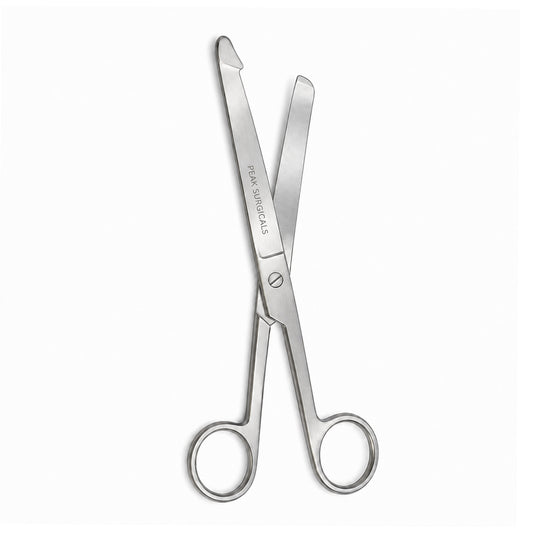
Opening hollow organs calls for a blunt tip. The Bowel Scissor for Post Mortem and the Barnards Bowel Scissor are made to open the intestine without perforating it. If you want a longer edge life through repeated reprocessing, browse our TC scissors and Supercut scissors. You can also compare general surgical scissors or vascular cardiovascular scissors.
Who Uses These Scissors
Pathologists, mortuary technicians and forensic labs rely on this range every day. Students can start with our medical student instruments, and animal pathology teams can see our veterinary surgery scissors.
Complete the Autopsy Table
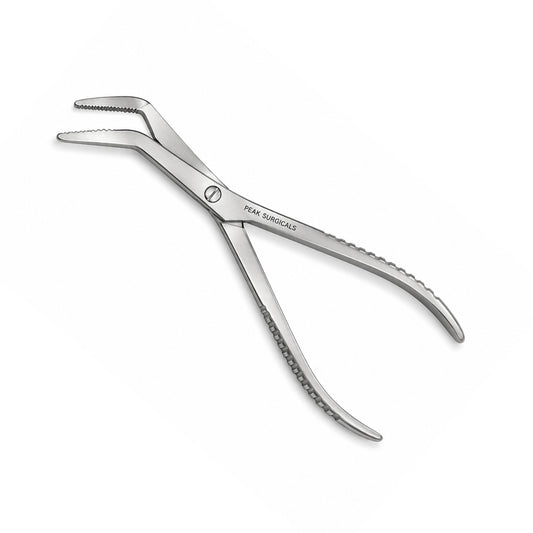
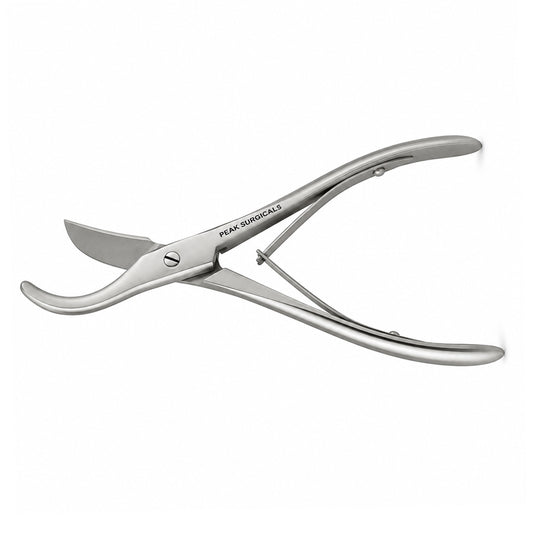
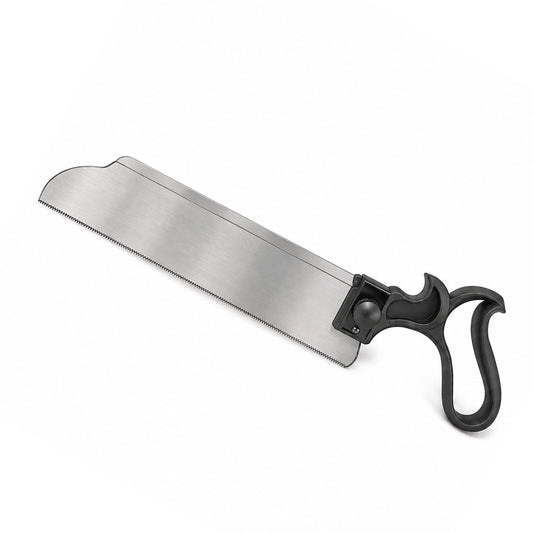
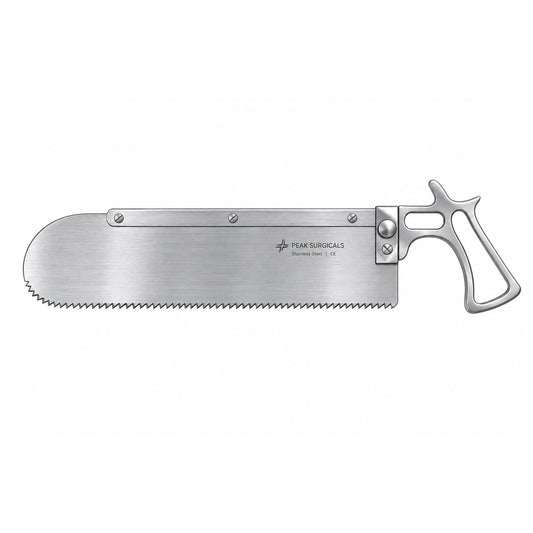
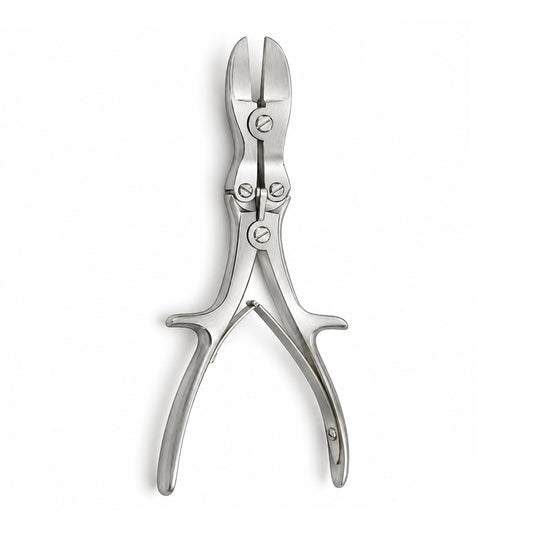
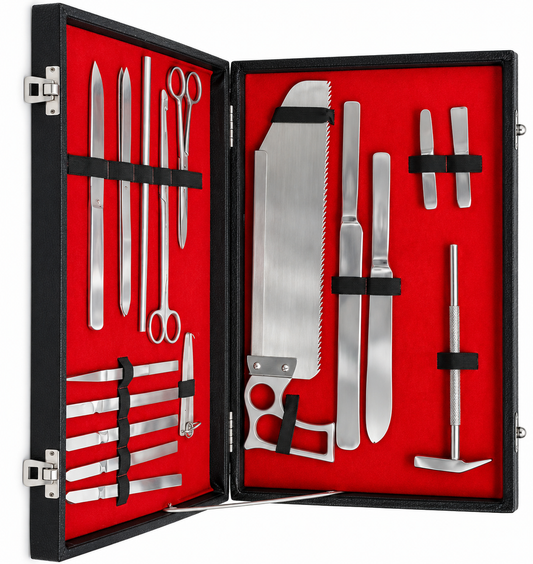
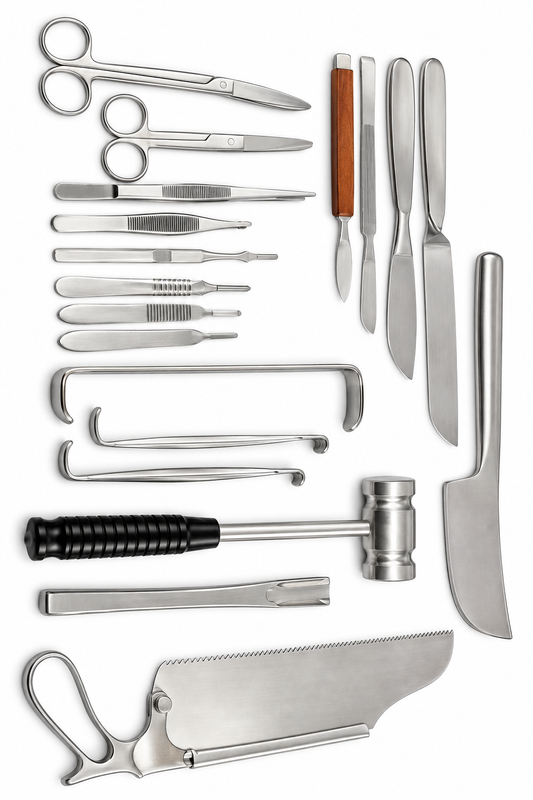
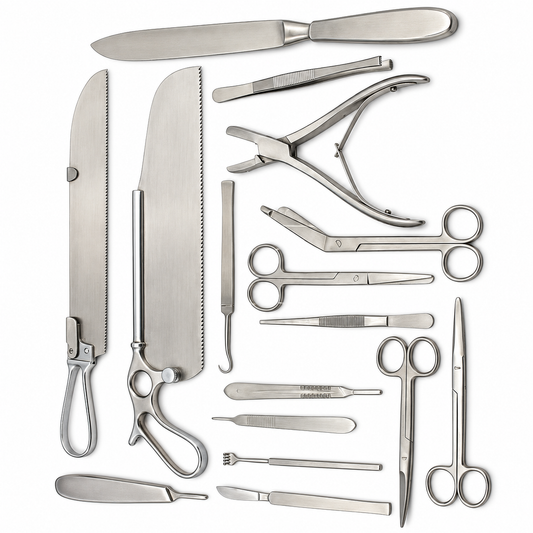
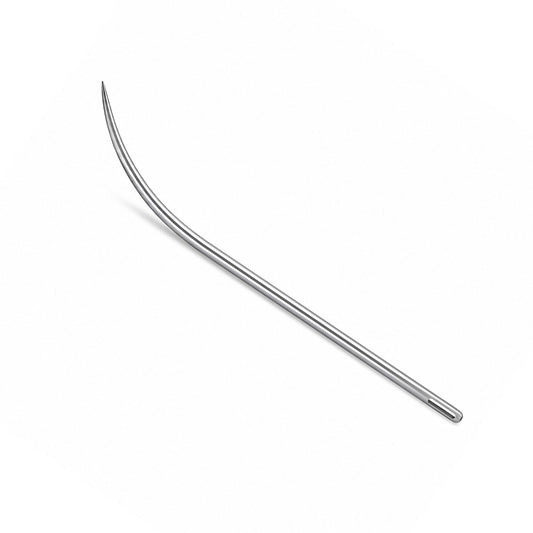
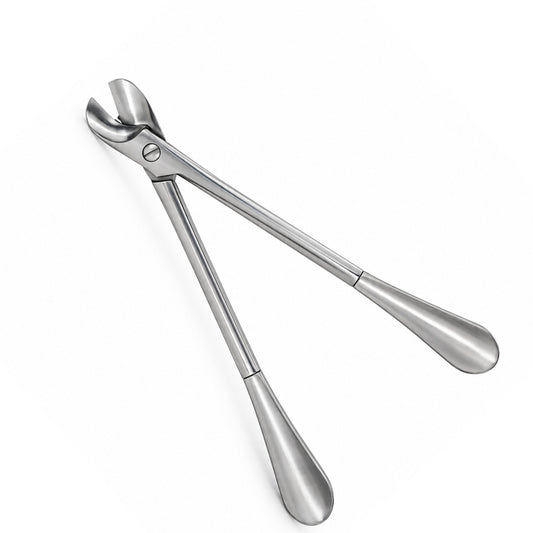
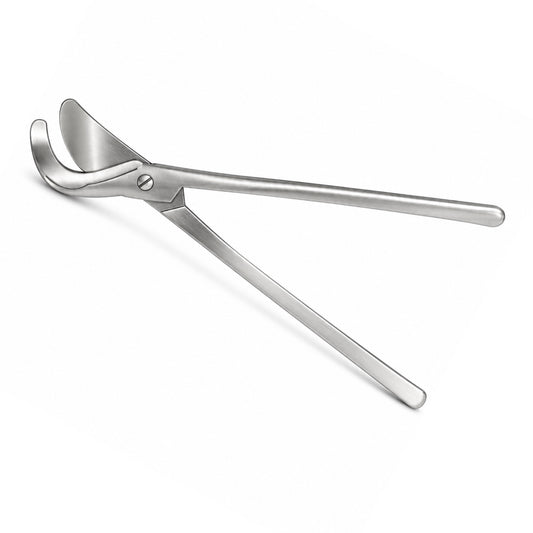
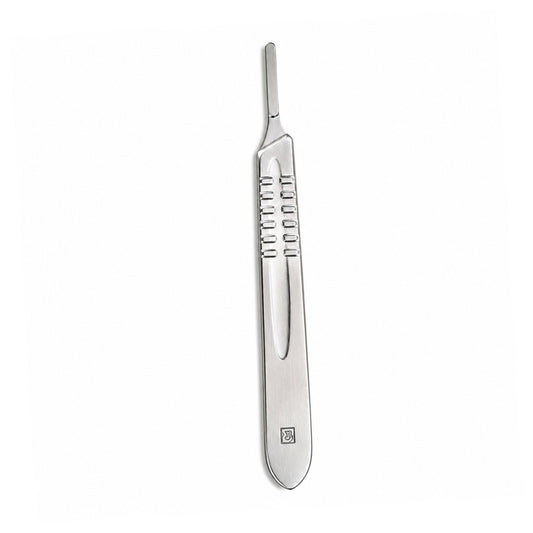
Scissors work best alongside the rest of the set. Add Pollock Rib Shears or London Pattern Rib Shears for the chest. Use a Skull Shear or a hinged back post mortem saw for the cranium. A No.7 Scalpel Handle or Baron Scalpel Handle covers primary incisions, and Post Mortem Suture Needles close the work.
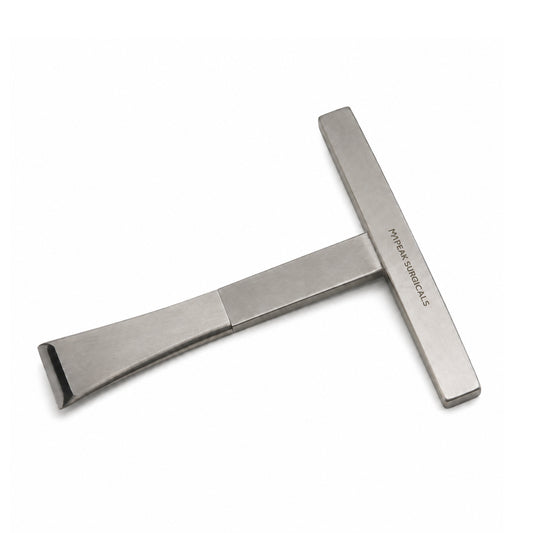
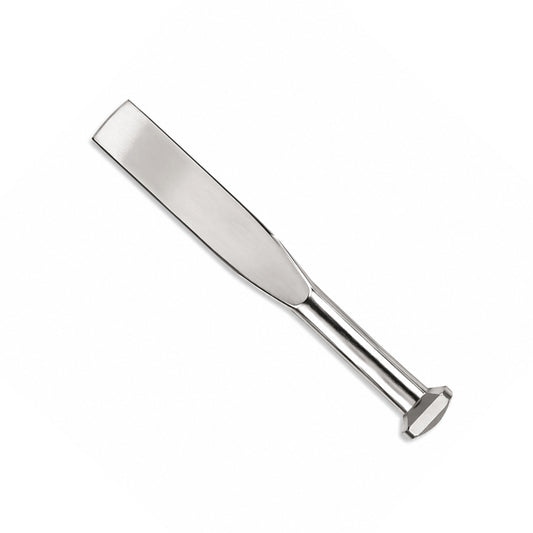
Prefer a ready-made kit? See the 19-Piece Autopsy Dissection Kit or the 17-Piece Post Mortem Instruments Set. You can also browse dissecting forceps, stripping forceps and chisels.
Care, Warranty and Ordering
Ultrasonic-clean scissors before autoclaving so debris does not collect at the pivot. Check that the blades close cleanly along their full length. Orders start at one piece, carry a one-year warranty and ship free above $99. Distributors can request OEM marking through our contact page or download the product catalogue.
Frequently Asked Questions
What are the main types of dissecting scissors?
They are classed by blade shape (straight or curved) and tip (sharp/sharp, sharp/blunt or blunt/blunt). Compare our Mayo post mortem scissors and dissecting scissors to see the difference.
Which scissors are best for opening bowel?
Blunt-tipped bowel scissors are best, because they cut without perforating the intestinal wall.
Do you offer tungsten carbide options?
Yes. See our TC scissors and Supercut scissors.
What is the minimum order and can you add OEM branding?
The minimum is one piece, and OEM marking is available. Contact us for volume terms.
What are your shipping and return terms?
Orders over $99 ship free. See the shipping policy, refund policy and Help & FAQs.