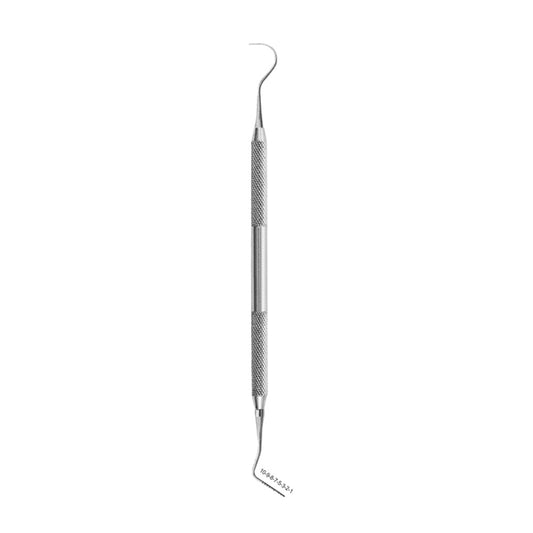
Combination Explorers Probe
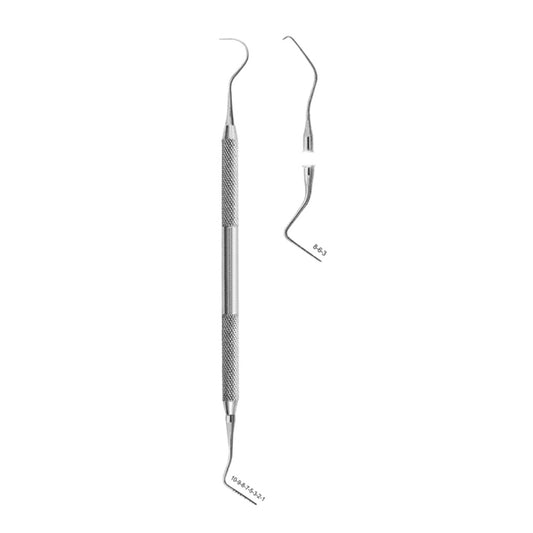
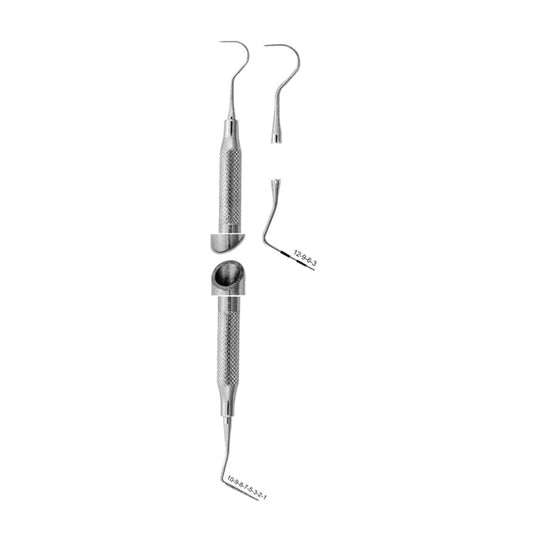
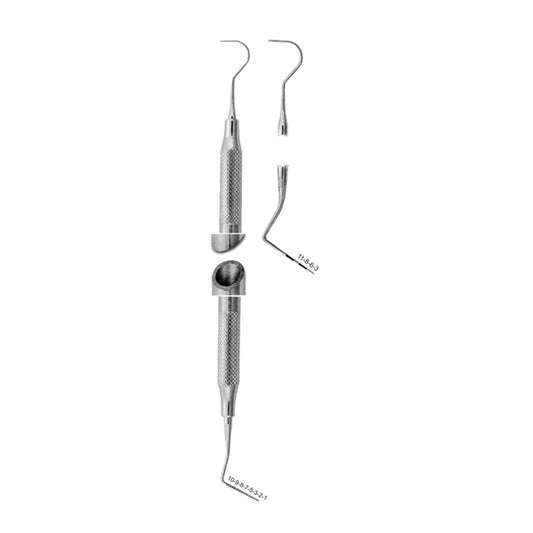
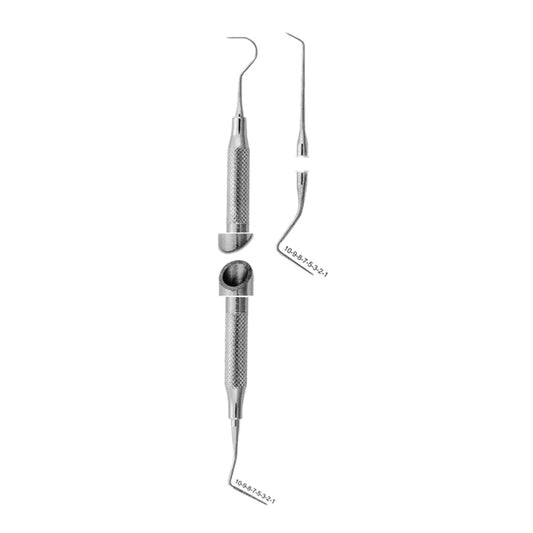
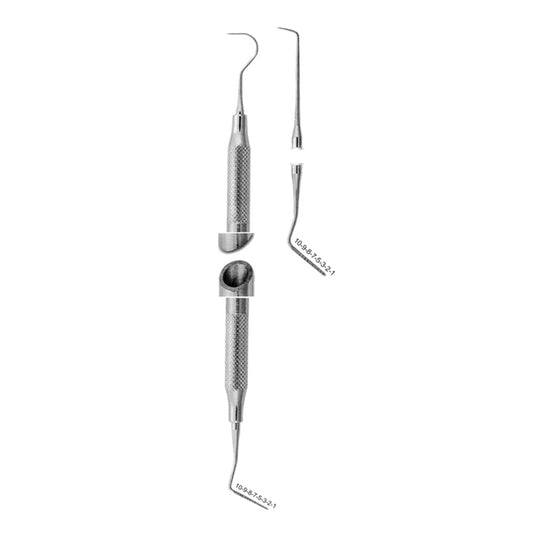
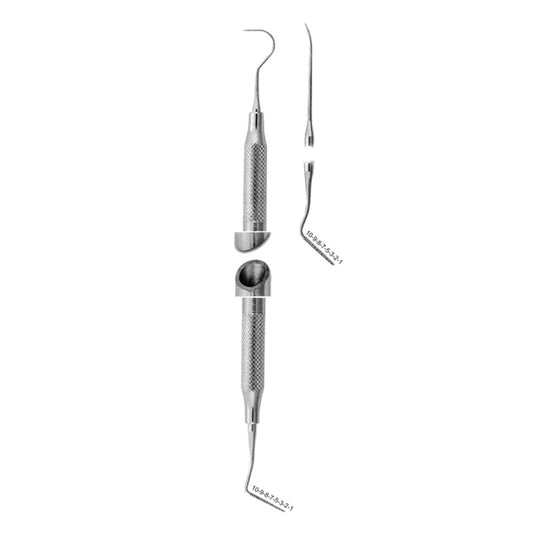
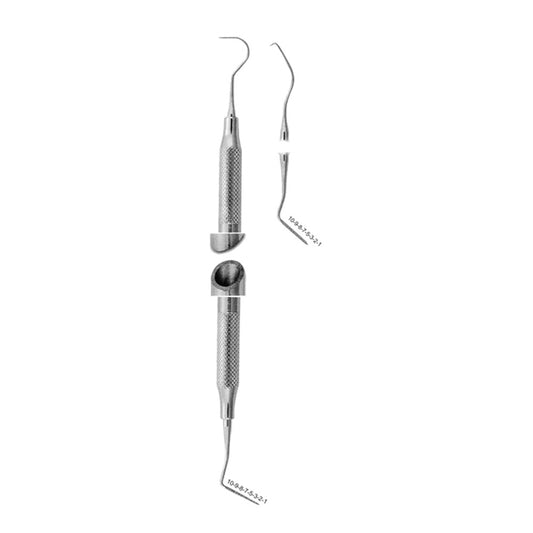
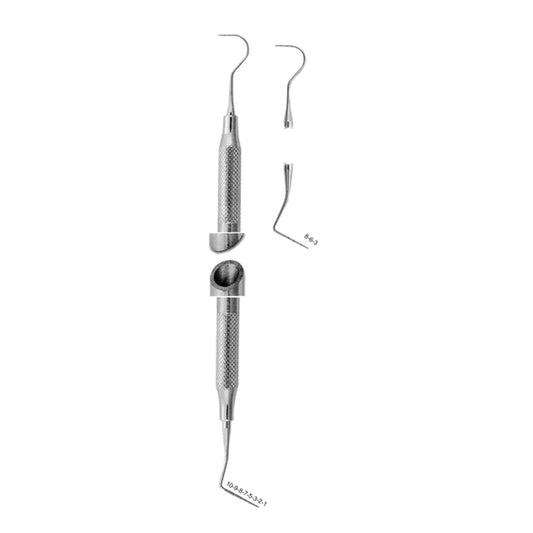
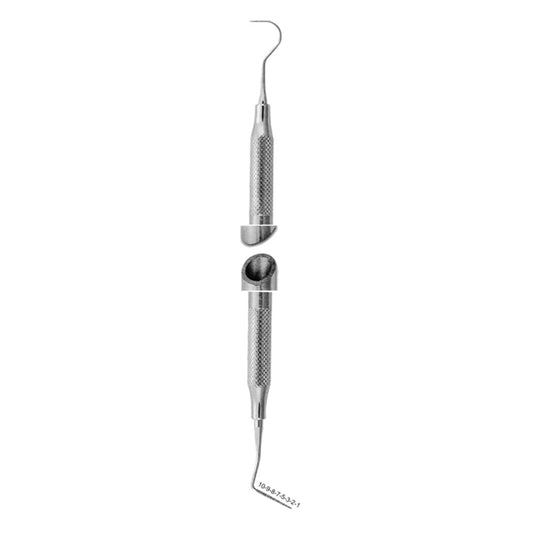
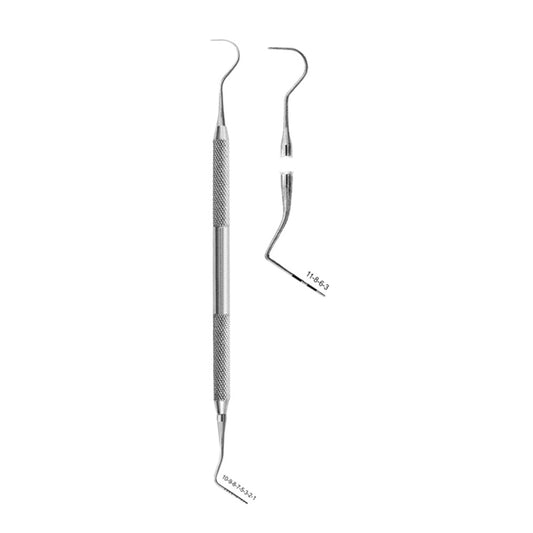
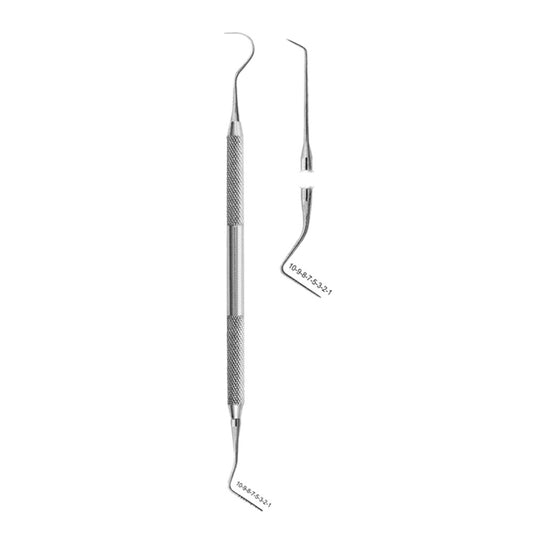
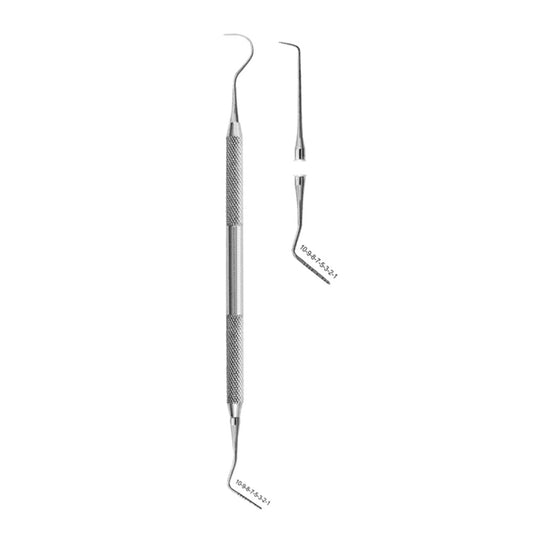
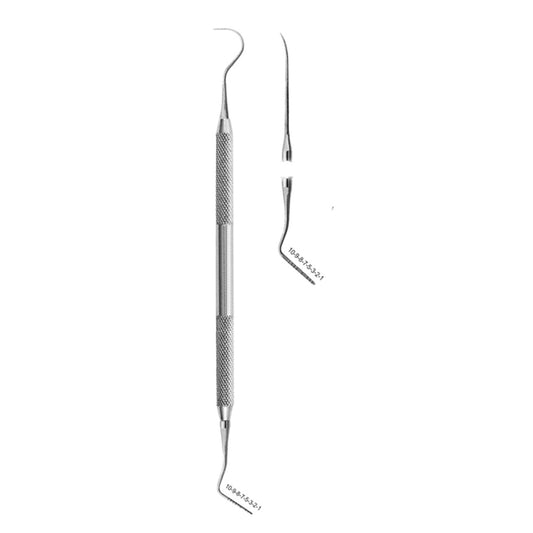
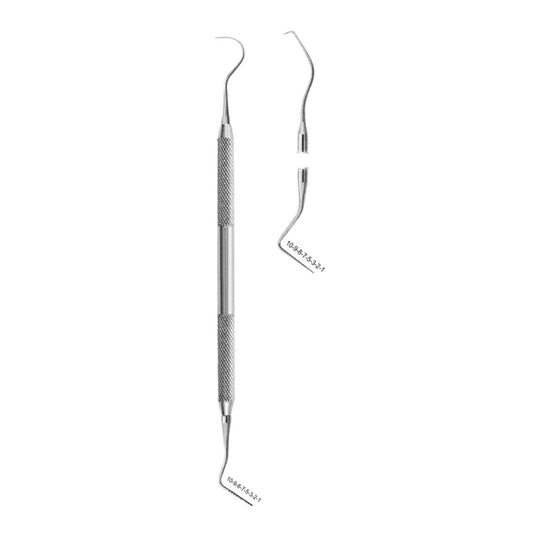
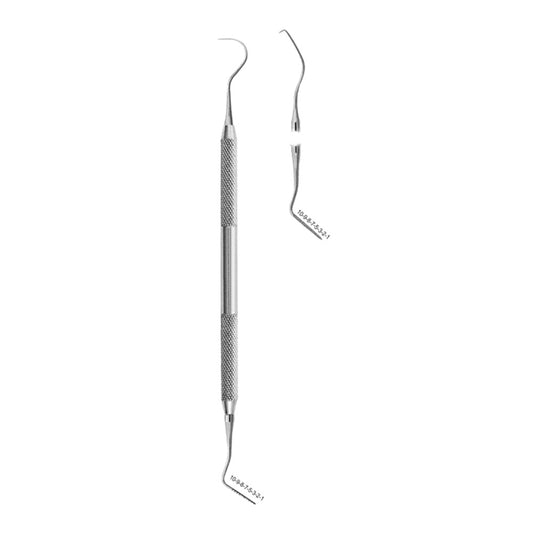
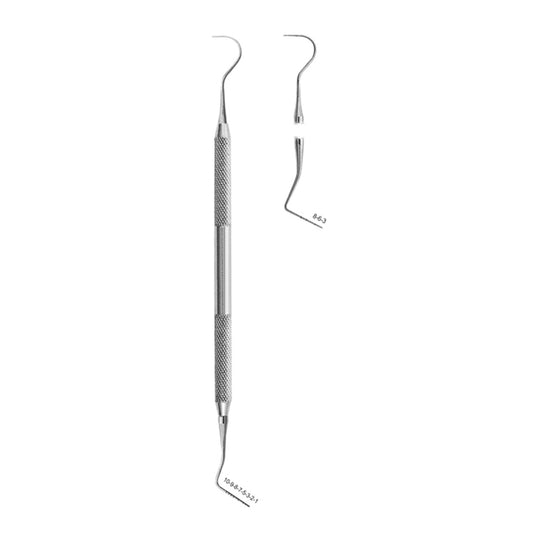
A combination explorer probe puts two instruments on one handle: a graduated periodontal probe on one end for measuring pocket depth, and an explorer tip on the other for detecting caries, calculus and surface irregularities — one instrument covers both steps of a routine exam instead of switching tools mid-check. Peak Surgicals supplies seventeen patterns in stainless steel, from $13.20 to $14.96.
Probe Markings: Williams vs CP-11
The probe end's markings determine what it measures and how it's read. Combination Explorers Probe Williams, Combination Williams Explorers Probe and Williams Combination Explorers Probe carry the Williams markings — graduated at 1, 2, 3, 5, 7, 8, 9 and 10mm, with 4 and 6 deliberately omitted so a clinician reads the mark rather than counting lines. Combination Explorers Probe CP 11 and the CP 11 Orthodontic Combination Explorers Probe use the CP-11/WHO-style banding instead, colour-coded at 3.5–5.5mm and 8.5–11.5mm for periodontal screening rather than full-mouth charting.
Explorer Tip: Pointed or Goldman-Fox Flat
The explorer end comes in two shapes. A standard pointed tip is the general-purpose choice for catching pits, fissures and margins. A Goldman-Fox flat ("punta piatta") tip trades the point for a small paddle shape that runs along the root surface without catching in the sulcus — better suited to detecting subgingival calculus than a sharp tip. Dental Combination Explorers Probe Goldman-Fox Flat tip, Combination Explorers Goldman-Fox Flat Tip, Goldman-Fox Combination Probe, Double Side Combination Explorers Probe Flat tip, Goldman-Fox Punta Piatta Flat Tip Combination Explorers Probe and Orthodontic Probe Punta Piatta Flat Tip all carry the flat-tip pattern.
General-Purpose and Orthodontic Use
For routine hygiene and restorative exams, Combination Explorers Probe, Dentist Combination Explorers Probe, Dental Combination Explorers Probe, Clinic Use Combination Explorers and Combination Explorers Probe Clinic Use cover standard pointed-tip, Williams-marked configurations sized for everyday practice. The Orthodontic Combination Explorers Probe is scaled for checking bracket and band margins and interproximal contact in orthodontic patients, where a standard-length probe end is harder to seat accurately. We supply every pattern at MOQ 1.
Reprocessing and Certification
Both ends of a combination instrument wear differently: the probe markings can fade or become hard to read after repeated ultrasonic cleaning, and the explorer tip is the point most likely to dull or bend. Check the tip for sharpness and the graduated bands for legibility each cycle — a probe with worn markings gives an inaccurate pocket reading even when the instrument still feels sound in hand.
Every instrument is reusable and built for steam autoclave sterilization. Related diagnostic instruments sit in dental explorers, dental probes & explorers and diagnostic probes; for a full first-exam kit see dental examination kits. Periodontal-specific instruments are in dental periodontal instruments, and orthodontic patterns sit alongside the rest of our orthodontic instruments. Browse all diagnostic & examination instruments. Talk to us about OEM and volume terms.