
Featured Collection
Your cart
Featured Collection

PEAK SURGICALS
SKU:PS-OP-7589
Couldn't load pickup availability
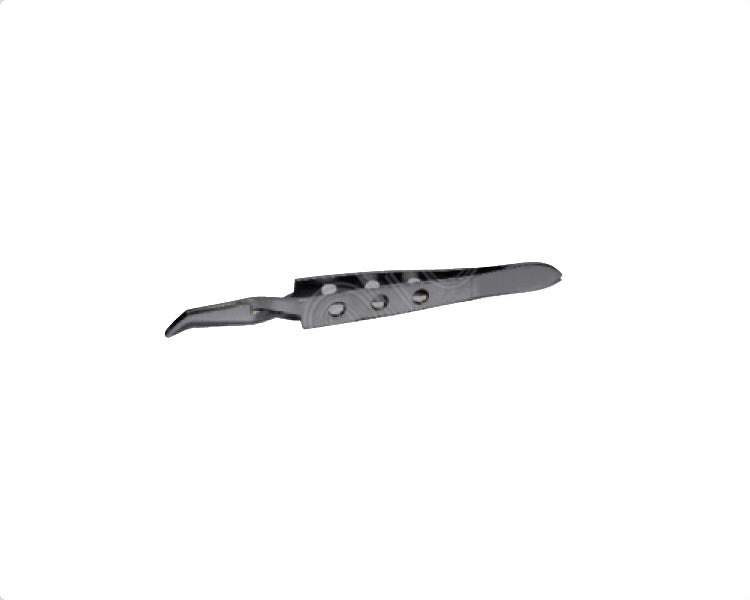
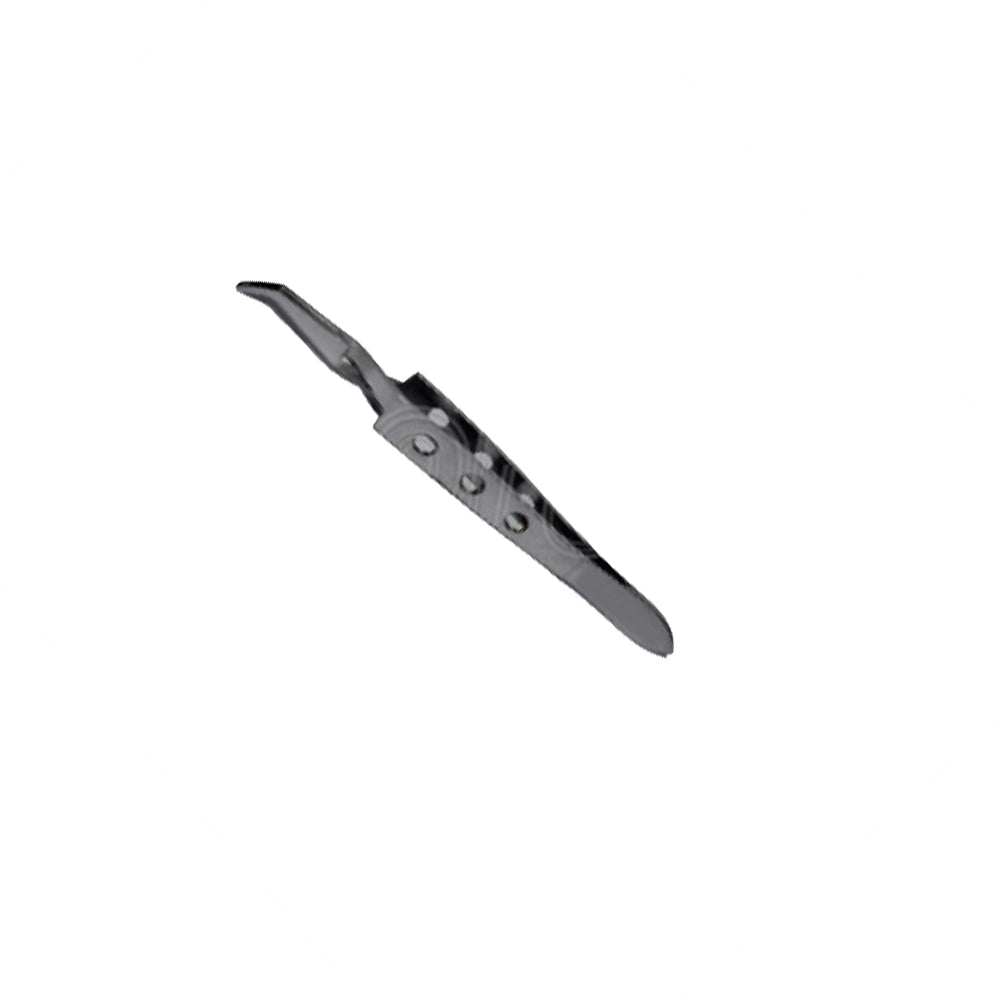
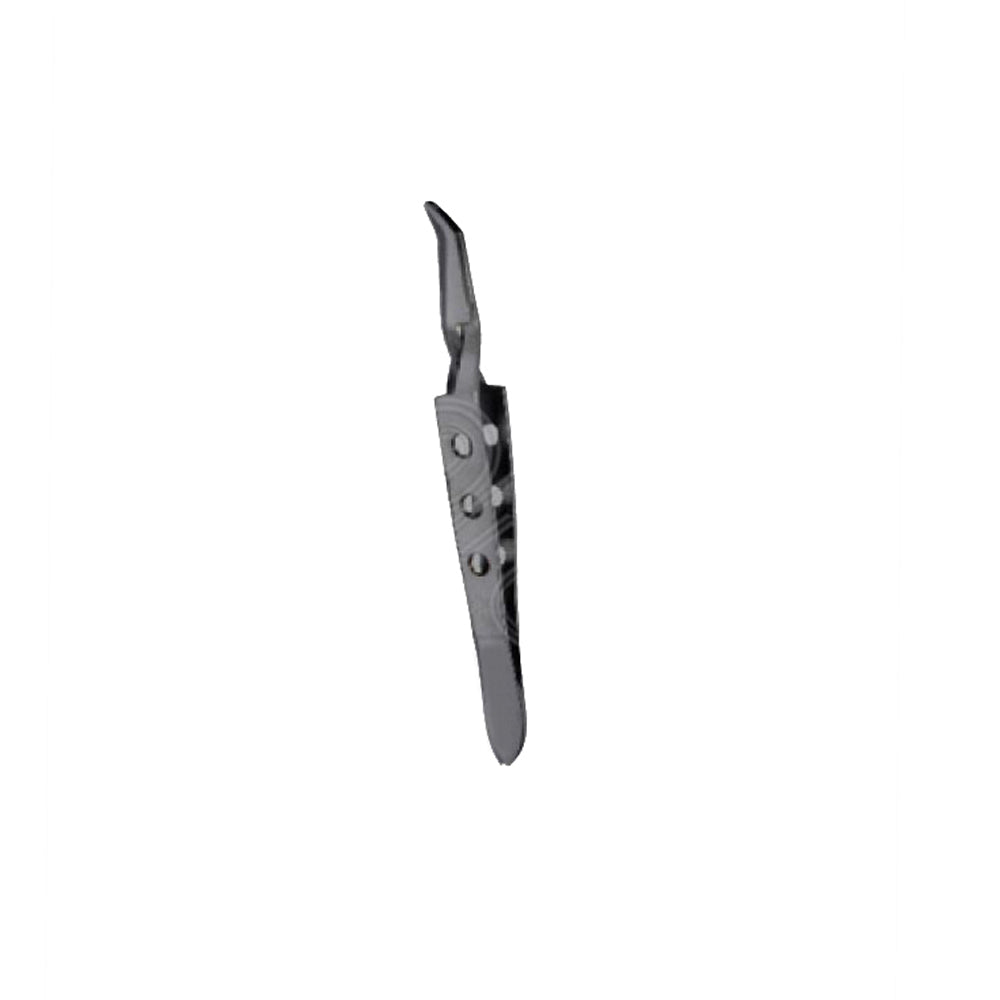
Plate Holding Forceps, SKU PS-OP-7589 and catalog code PS-1520-N-156, is a 150 mm reusable surgical instrument manufactured from German-forged stainless steel for controlled positioning and temporary stabilization of bone plates during internal fixation. The compact pattern incorporates an angled distal working profile, fine opposing jaws, a central pivot, and a spring-action handle that allows precise one-handed manipulation within restricted operative fields. Its narrow working end is designed to approach a plate without occupying excessive space around adjacent screw holes, enabling the surgeon to maintain implant-to-bone contact while drilling, measuring, or inserting fixation screws. The 150 mm length provides a balance between fingertip control and working distance during craniomaxillofacial plate fixation, cranial reconstruction, mandibular and midface fracture repair, and selected small-fragment orthopedic procedures. During fixation, the forceps is positioned over the plate and underlying cortical surface to limit migration while alignment is assessed and the initial screws are placed. The instrument is intended for orthopedic surgeons, oral and maxillofacial surgeons, craniofacial surgeons, trauma teams, hospitals, ambulatory surgical facilities, and reusable instrument trays dedicated to plate-and-screw fixation.
The Plate Holding Forceps uses a compact mechanical arrangement to translate hand pressure into controlled movement at the distal jaws. Its central pivot creates the working relationship between the opposing arms, allowing movement applied at the handle to open or close the fine plate-contacting tips. A visible spring element along the handle provides elastic return and assists repeated jaw movement without the large finger rings used on conventional bone-holding forceps. This configuration is useful in confined fixation sites where the surgeon needs a low-profile hand position and rapid release or repositioning of the implant. The working end is angled relative to the longitudinal handle axis, bringing the jaws toward the plate while keeping the hand and proximal body away from the immediate screw trajectory. Fine distal geometry minimizes obstruction around plate holes and allows the surgeon to stabilize a selected portion of the implant while maintaining access for drills, depth gauges, taps, or screwdrivers. The 150 mm overall length provides sufficient reach for facial, cranial, and small-fragment fixation while retaining close tactile control. Unlike heavy reduction forceps designed primarily to compress large fracture fragments, this pattern is optimized for focused plate management and temporary implant stabilization during the fixation sequence.
In plate fixation workflows, the Plate Holding Forceps is introduced after fracture reduction and preliminary plate contouring have established the intended implant position. During mandibular fracture fixation, midface reconstruction, cranial plate placement, or selected small-fragment osteosynthesis, the plate is seated against the cortical surface and the angled jaws are positioned to prevent displacement during the next operative step. Temporary stabilization is particularly useful while the first fixation hole is drilled because an unsecured plate can rotate or translate as the drill contacts metal and bone. After the initial screw is inserted, the forceps can be released and repositioned farther along the implant while plate conformity and alignment are reassessed. In cranial and craniomaxillofacial work, the compact 150 mm design allows access around smaller plates where bulky bone clamps could obscure visualization or occupy nearby screw holes. During trauma reconstruction, it can also assist with maintaining a plate against a reduced segment while additional fixation points are prepared. The instrument does not replace dedicated fracture reduction forceps when substantial compressive reduction is required; instead, it provides localized plate control after reduction has been established and during sequential drilling, screw insertion, and final verification of implant position.
This Plate Holding Forceps is supplied in a 150 mm configuration under catalog code PS-1520-N-156. The length is suited to procedures where the operator requires a compact instrument that can reach the fixation site while preserving fine hand control near the surgical field. Its angled working end is clinically relevant during craniofacial and small-fragment plating because the surgeon can approach the plate from an offset direction rather than placing the handle directly over the screw trajectory. Fine jaws allow contact with a limited area of the implant and adjacent bone, reducing interference with neighboring plate holes during drilling or screw placement. The spring-action handle supports repeated placement and release when the forceps must be moved between fixation points as the plate is progressively secured. Compared with longer 200 mm or larger bone-holding patterns, the 150 mm format places the surgeon’s hand closer to the operative site and is therefore suited to smaller plates and more superficial fixation corridors. Instrument selection should correspond to the implant dimensions, anatomical depth, operative exposure, and amount of holding force required. For heavy long-bone plates or situations requiring fracture compression, a larger plate-and-bone holding or reduction forceps is more appropriate than this fine compact pattern.
The Plate Holding Forceps is manufactured from German-forged stainless steel for repeated surgical handling, cleaning, inspection, and sterilization. Stainless steel provides the rigidity required to transmit controlled gripping force through the pivot while resisting deformation during normal plate stabilization. The smooth metallic surgical finish facilitates visual inspection of the handle, spring element, pivot area, and working jaws during sterile processing. After use, gross contamination should be removed promptly and the instrument processed with particular attention to the pivot, spring interface, and opposing tip surfaces where biological material can remain. The forceps should be cleaned in an open or relaxed configuration, thoroughly rinsed, dried, and inspected for jaw misalignment, damaged tips, impaired spring action, corrosion, or abnormal pivot resistance before packaging. Reprocessing should follow the healthcare facility’s validated protocol for reusable stainless steel surgical instruments and applicable manufacturer instructions. Peak Surgicals operates within an ISO 13485 medical-device quality-management framework and supplies CE-marked instrumentation for applicable regulated markets. FDA-related procurement should be documented according to the relevant U.S. establishment, listing, labeling, and quality requirements rather than interpreting regulatory status as blanket individual device approval. Institutional purchasers can also maintain SKU, catalog code, warranty, supplier, and reprocessing records within orthopedic or craniomaxillofacial tray-management systems.
| Specification | Details |
|---|---|
| SKU | PS-OP-7589 |
| Catalog Code | PS-1520-N-156 |
| Product Name | Plate Holding Forceps |
| Price | $14.29 USD |
| Size/Gauge Variants | 150 mm |
| Instrument Count | 1 Piece |
| Instrument Category | Orthopedic and Craniomaxillofacial Plate Fixation Instrument |
| Procedure | Bone plate positioning during craniomaxillofacial fixation, cranial reconstruction, mandibular and midface fracture repair, and selected small-fragment fixation |
| Working Design | Angled fine jaws with pivot and spring-action handle |
| Material | German-forged stainless steel |
| Finish | Smooth metallic surgical finish |
| Sterilization | Reusable; process according to validated institutional cleaning and sterilization protocols |
| Instrument Classification | Reusable manual plate-holding surgical forceps |
| Reusable | Yes |
| Certifications | CE marked, ISO 13485 quality-management framework, FDA procurement compliance context |
| Warranty | 1-Year Limited Warranty covering manufacturing defects under normal professional use |
| MOQ | 1 Piece |
| OEM / Custom Orders | Custom requirements and bulk quotations available for hospitals, clinics, distributors, and procurement teams |
| After-Sale Service | Warranty assistance and eligible 30-day return support under Peak Surgicals terms |
How does the Plate Holding Forceps differ from a bone reduction forceps?
The Plate Holding Forceps is primarily designed to stabilize a fixation plate against bone while screw holes are prepared and fasteners are inserted. A bone reduction forceps is principally used to grasp separate fracture fragments and generate or maintain reduction before definitive fixation. Reduction patterns generally have larger jaws and greater clamping capacity because they must control cortical fragments rather than only an implant position. The Plate Holding Forceps uses a finer, angled working profile that minimizes obstruction around the plate and adjacent screw holes. Its compact spring-action handle also differs from many ring-handled or ratchet-controlled reduction clamps. During fracture fixation, both instruments can appear in the same workflow, with the reduction forceps controlling fragment alignment first and the plate-holding pattern maintaining implant position during drilling and screw placement.
Why is the 150 mm size useful for plate fixation?
The 150 mm Plate Holding Forceps provides a compact working length for relatively superficial fixation sites and smaller implant systems. In mandibular, midface, cranial, and selected small-fragment procedures, the surgeon generally requires close control rather than the extended reach associated with deep long-bone exposure. The length keeps the hand close enough for precise plate positioning while allowing the jaws to reach the operative site without excessive handle projection. Its angled tip further offsets the surgeon’s hand from the screw trajectory. This geometry can preserve access to adjacent plate holes while the implant is being stabilized. For deep exposures or large long-bone plates requiring substantial holding force, a longer and heavier plate-and-bone holding forceps would generally be selected instead.
What do CE, ISO 13485 and FDA requirements mean for procurement?
The Plate Holding Forceps is supplied within Peak Surgicals’ medical-device manufacturing and procurement framework. ISO 13485 relates to the quality-management system used to control medical-device manufacturing processes. CE marking addresses conformity requirements for applicable regulated markets. For United States procurement, FDA compliance involves relevant establishment, device listing, labeling, quality-system, and supporting documentation requirements. FDA approved should not be used as a blanket description for every reusable manual surgical instrument unless that specific status applies to the individual device. Hospitals and distributors can retain the applicable regulatory documentation alongside vendor qualification, purchasing, and reusable-instrument records.
How does the spring-action handle and pivot function during surgery?
The Plate Holding Forceps uses its pivot to convert movement at the handle into controlled movement at the angled distal jaws. The spring element supports return movement when manual pressure is changed, allowing repeated grasping and release without a conventional finger-ring ratchet. During plate positioning, the surgeon aligns the fine jaws with the intended contact point and controls pressure through the compact handle. Once the implant is stabilized, the offset working end leaves surrounding space available for drilling or screw insertion. The forceps can then be released and repositioned to another part of the plate as fixation progresses. The spring and pivot should move freely during preoperative inspection because abnormal resistance or loss of alignment can reduce precise jaw control.
How should hospitals reprocess and manage the Plate Holding Forceps?
The Plate Holding Forceps is a reusable stainless steel instrument and should enter the facility’s validated reprocessing pathway after each procedure. Cleaning requires attention to the working tips, pivot, spring area, and adjoining surfaces where residual material can accumulate. After washing and rinsing, the instrument should be thoroughly dried and inspected for corrosion, deformation, jaw misalignment, tip damage, and impaired spring or pivot movement. The forceps can then be packaged and sterilized according to the institution’s validated protocol for reusable surgical stainless steel instrumentation. Sterile processing teams should identify the instrument by SKU PS-OP-7589 and catalog code PS-1520-N-156 when assembling orthopedic or craniomaxillofacial fixation trays. Peak Surgicals provides a one-year limited warranty for manufacturing defects, eligible 30-day return support, and quotation assistance for bulk or custom procurement requirements.


