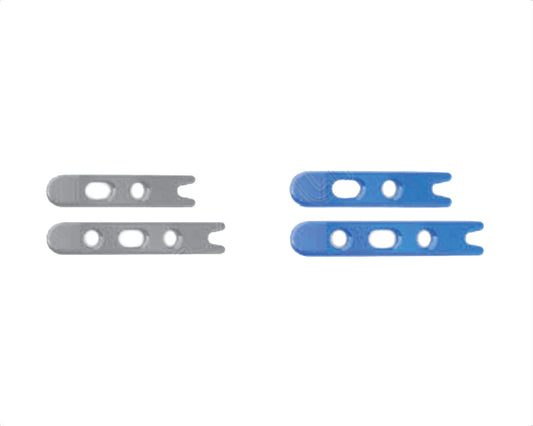
Rib, Pelvic & Foot Implants
Pelvic, acetabular and rib fractures are fixed with plates that have to follow curved anatomy rather than lie flat along a bone shaft. This collection covers 3.5mm pelvic and acetabular plates, reconstruction plates, rib plates, and distal tibia and fibula plates for orthopedic and trauma surgery.
What's in This Collection
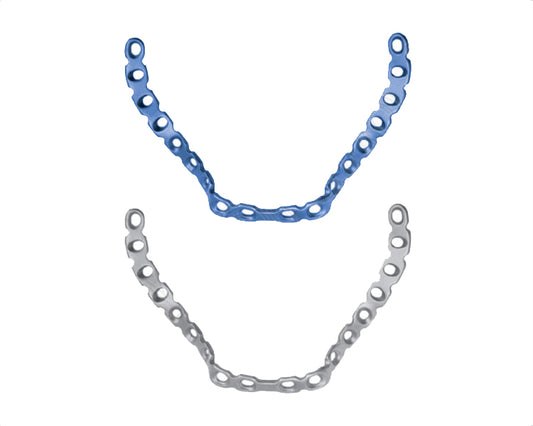
Symphysis and sacroiliac joint. The Symphyseal Plate 3.5 (also with 2 DCP holes) is used for fixation at the pubic symphysis. The Sacroiliac Joint Plate 3.5mm and Anterior Sacroiliac Joint Plate 3.5mm stabilize the sacroiliac joint from the front.
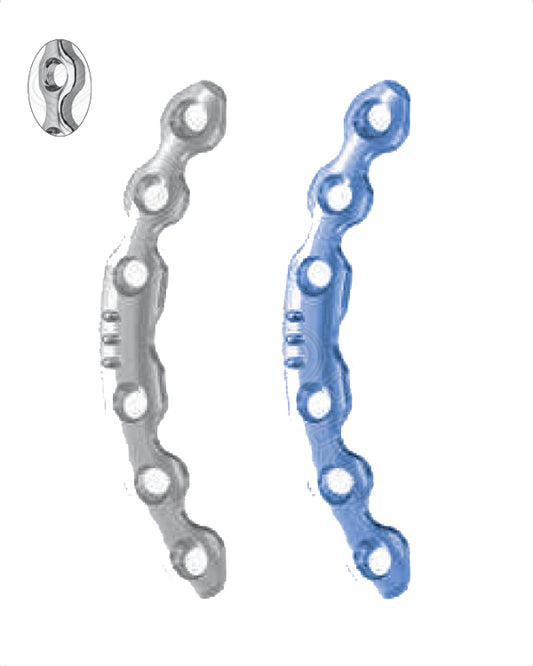
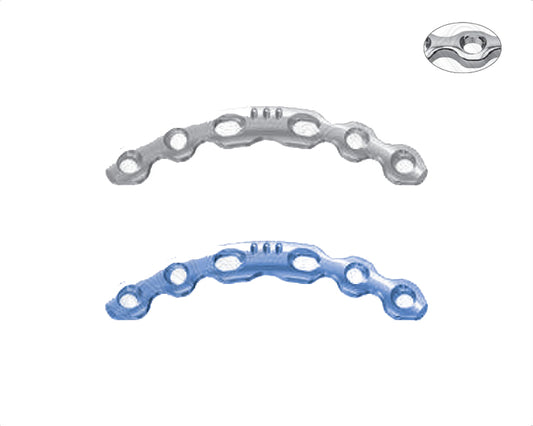
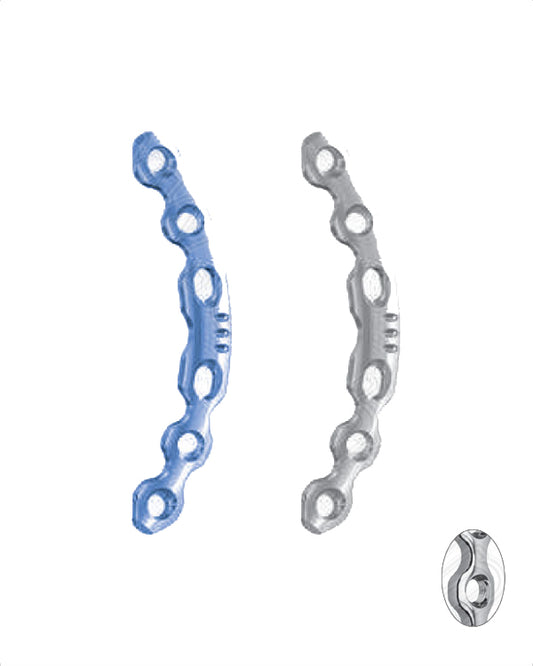
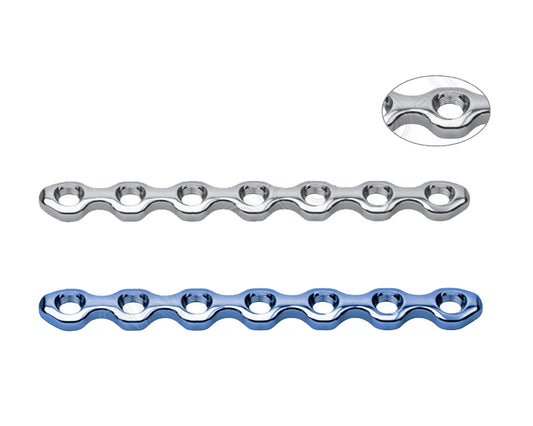
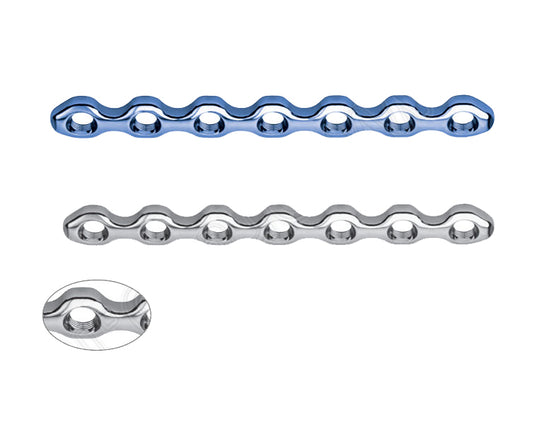
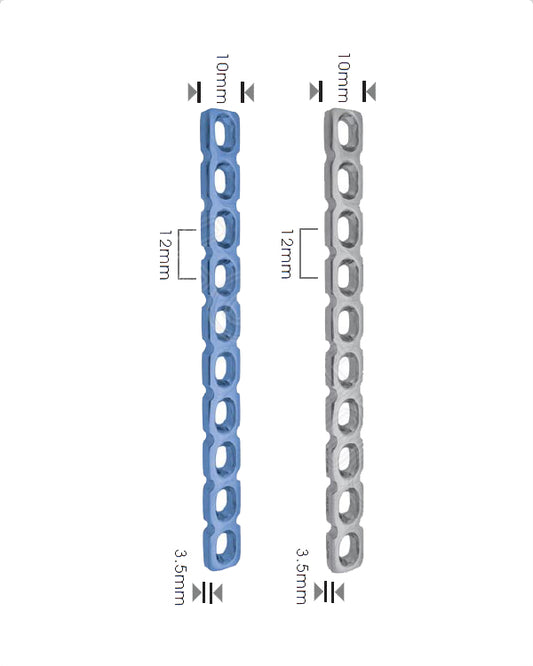
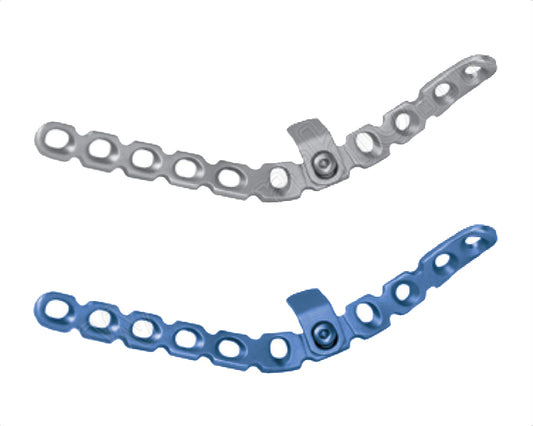
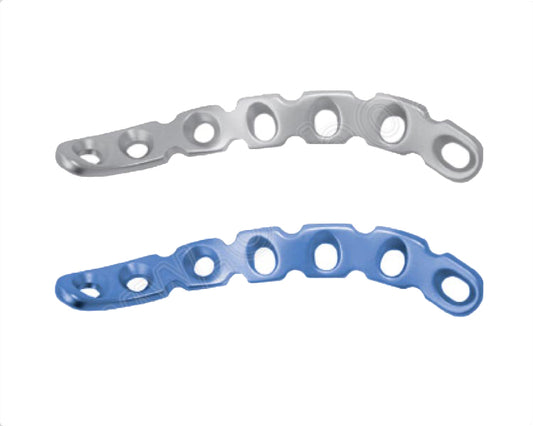
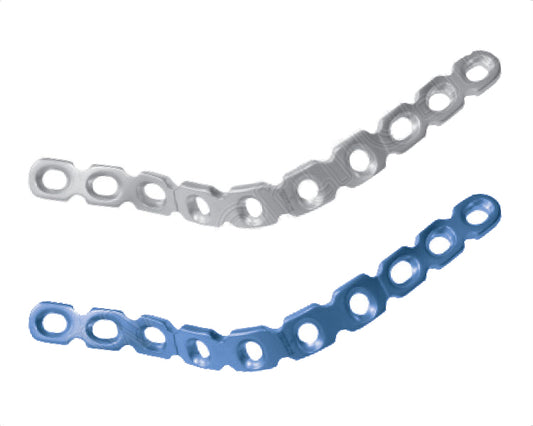
Reconstruction plates. The range includes the Reconstruction Plate 3.5 (straight and curved), Reconstruction Safety Lock Plate 3.5 Curved, Reconstruction J-Plate, Pelvic Reconstruction Plate 3.5mm Low Profile, Interlocking Reconstruction Plate 3.5mm, and the titanium Reconstruction Plate 4.5 Straight. Reconstruction plates are notched between the holes so they can be contoured in more than one plane, which suits the curves of the pelvic brim.
Acetabular and pelvic surface plates. These are shaped for specific regions of the pelvis and acetabulum:
- The Anatomical Acetabular, Anatomical Iliopubic, Anterior Brim and Anterior Pelvic plates.
- The Posterior Pelvic Plate.
- The Anterior Surface and Posterior Surface Quadrangular plates and the Quadrilateral Surface Plates.
- The Wall Acetabular Fragment Plate (Curved Posterior).
- The Acetabular Spring Plate, which supports small fragments along the posterior wall.
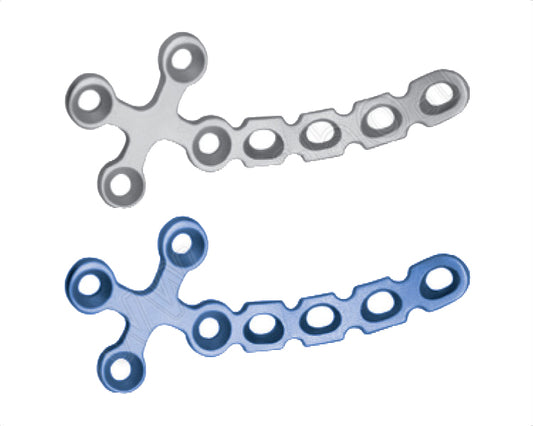
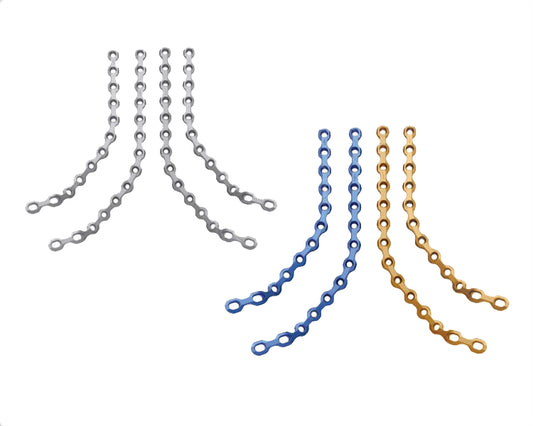
Rib and ankle. Rib Plates are used to stabilize fractured ribs. The Variable Angle Safety Lock Anterolateral Distal Tibia Plate (2.7/3.5mm) and Lateral Distal Fibula Plate (2.7mm) cover fixation at the ankle.
Choosing the Right Plate
Plate choice follows fracture location and pattern first. Contouring comes second: straight, curved and low-profile reconstruction plates differ in how closely they need to be bent to the bone. Check that the plate's screw size matches your screws (3.5mm, 2.7mm or 4.5mm) before ordering, and pair each plate with the matching drills, taps and bending instruments.
Related Products and Instruments
Pair these plates with our Locking Screws Self Tapping and Orthopedic Screws. For contouring and placement, see Bone Plate Benders, Bone Plate Holding Forceps, Screw Holding Forceps, Taps & Countersinks and Bone Drills. For related plating systems, browse Pelvic Implants & Instruments, Small Fragment Standard, Mini Fragment Implants and Large Fragment – Standard. For the wider range, see Implant Plates, Orthopedic Implants and the Locking Plate Instruments Set.
Ordering
Contact our team for volume pricing and product documentation.
Frequently Asked Questions
What is a pelvic reconstruction plate used for?
It fixes fractures of the pelvis and acetabulum. It can be contoured to follow the curved surfaces of the pelvic brim and ring.
What's the difference between a reconstruction plate and a straight plate?
A reconstruction plate has notches between the screw holes, so it can be bent in several planes. A straight plate is designed for flatter bone surfaces.
What is an acetabular spring plate?
It's a thin plate used to support small fragments along the posterior wall of the acetabulum, typically alongside a reconstruction plate.
What is a symphyseal plate used for?
It provides fixation across the pubic symphysis when that joint has been disrupted.
What are rib plates used for?
They stabilize fractured ribs.
What screws go with 3.5mm plates?
3.5mm plates typically take 3.5mm screws, but confirm compatibility on each product page. See our locking screws and orthopedic screws.