Suture Practice Kits for Medical, Dental and Veterinary Students
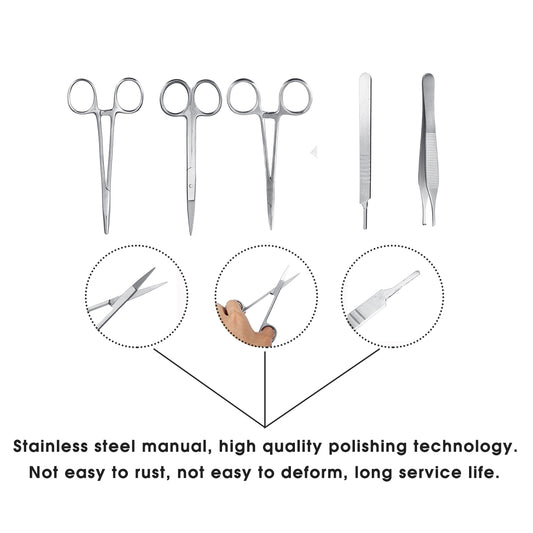
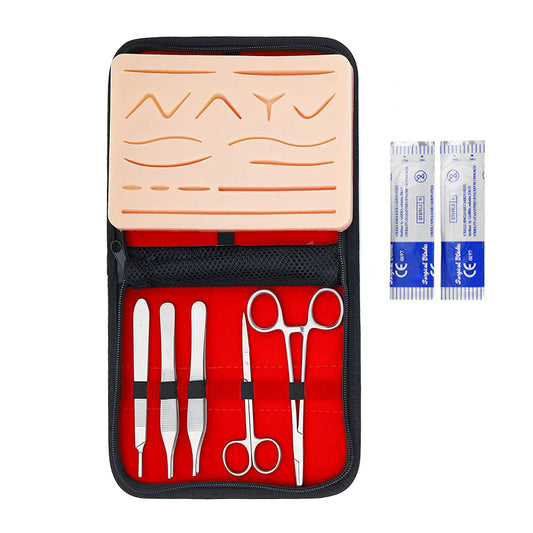
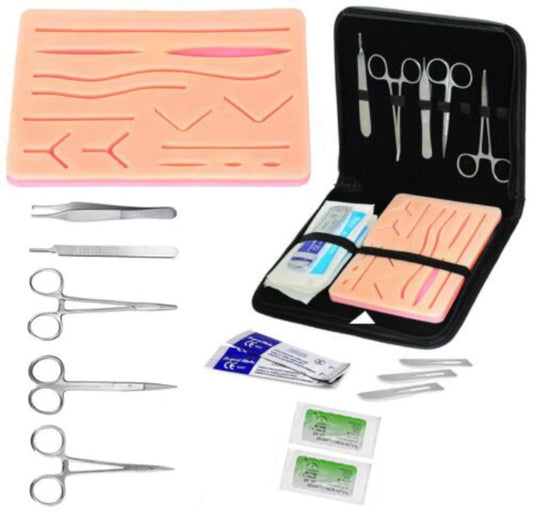
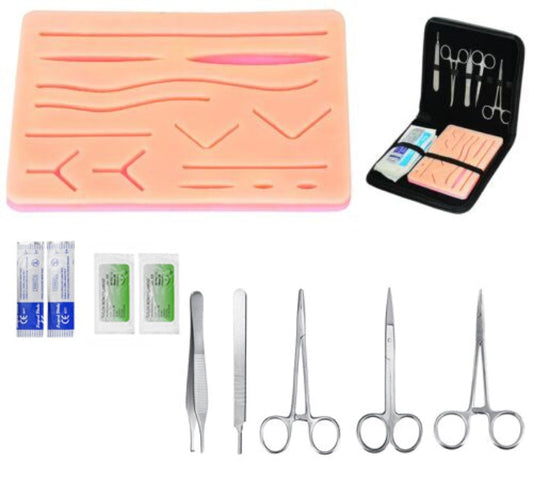
Suturing is muscle memory, and nobody should learn it for the first time on a patient. This collection offers suture practice and training kits for medical, dental and veterinary students, with reusable German stainless steel instruments. Kits start from $25.28 and ship from Sialkot with worldwide delivery.
Choosing the Right Kit
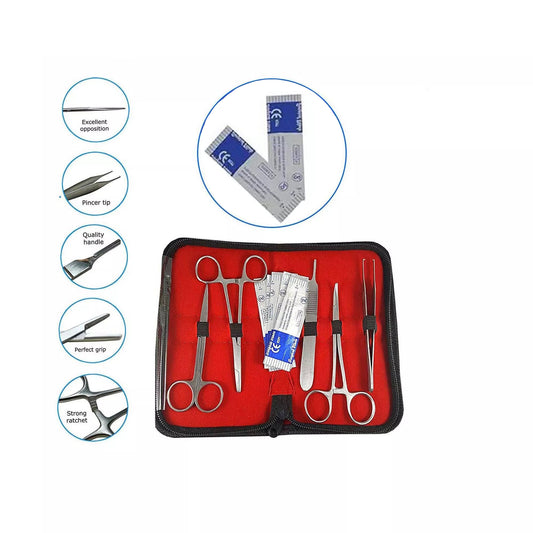
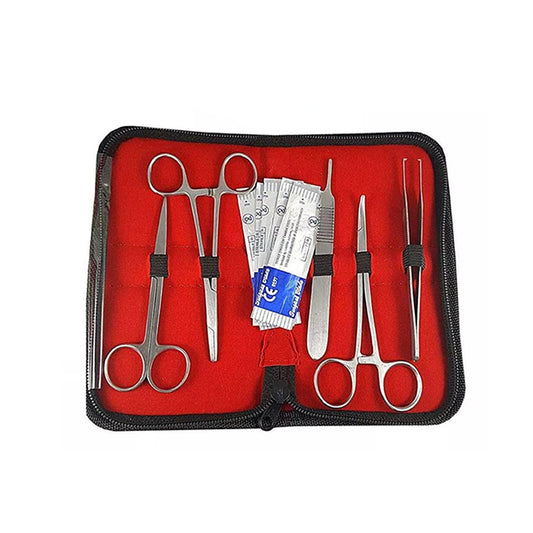
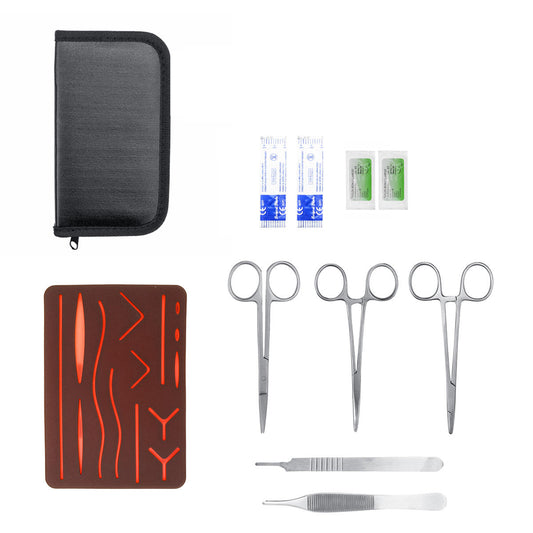
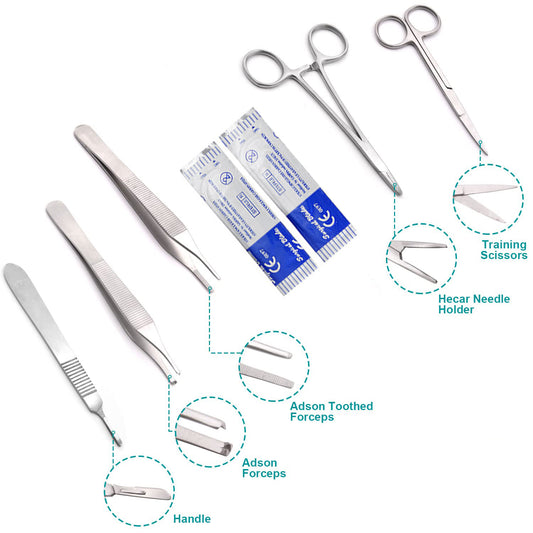
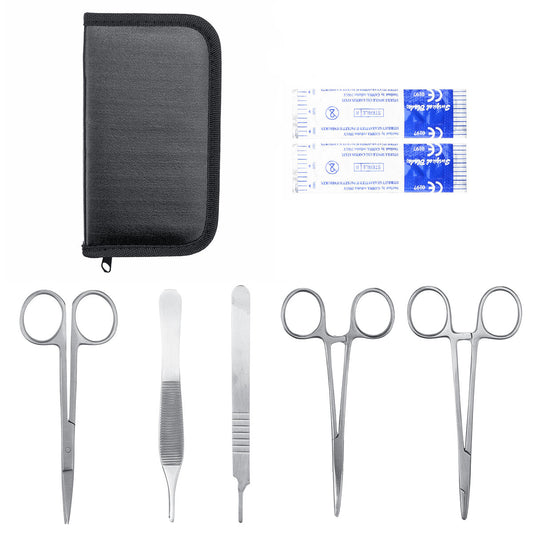
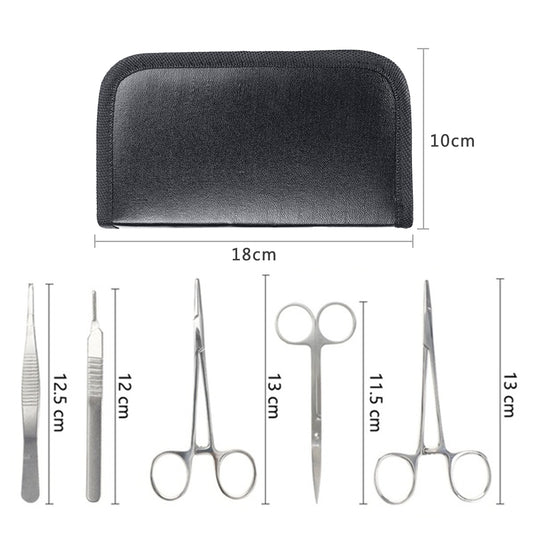
The kits differ in scope rather than quality. For suturing practice, choose the Suture Practice Kit for Medical Students, the Suture Practice Kit Training for Medical Student Kit or the Medical Suture Training Kit. If you carry your kit between sessions, the Portable Medical Teaching Aids Suture Tools Kit is configured for travel.
Students moving beyond closure into incision, excision and simple procedures will want the Minor Surgery Kit for Student Training and Basic Clinic Procedures. Check each product page for the exact component list, since the instrument count and whether a practice pad is included are what separate the kits.
Why Repetition Matters
A kit exists so that dozens of practice attempts happen at a desk rather than in theatre. A simple interrupted suture involves loading the needle, entering at the right angle, following the curve of the needle and tying a flat knot with even tension. Each of those is a separate motor skill. A layered pad gives feedback on depth and bite width that a flat sheet cannot. Good tools help too, so see our needle holders, surgical forceps and general scissors.
Build Out Your Training Set
Once you've mastered the basics, you can add more instruments. A basic surgery set is the natural next step, and a diagnostic set suits clinical skills. Add hemostats and surgical needles for wider practice.
Dental students can move on to dental examination kits and dental extraction kits. Veterinary students can explore veterinary surgical instruments, veterinary surgery scissors and veterinary dental kits and packs.
Care and Replacement
Wash instruments in warm water with a neutral detergent after each session, dry them fully and store them somewhere dry. Check scissor blades and needle holders as the kit gets used. If a needle holder no longer grips securely, replace it rather than working around it. These kits are supplied non-sterile and are intended for training, not clinical procedures.
Ordering
Orders over $99 ship free. Universities and training centers can ask about bulk orders or custom kits through our contact page or download the product catalogue. Browse all surgical instruments for more.
Frequently Asked Questions
What is included in a suture practice kit?
Contents vary by kit, so check the product page. The instrument count and whether a practice pad is included differ between kits. You can also contact us for details.
Which kit is best for beginners?
Start with a suturing-focused kit such as the Suture Practice Kit for Medical Students. Move to the Minor Surgery Kit when you're ready for incision and excision.
Are the instruments sterile?
No. They are supplied non-sterile for training use, not clinical procedures.
Are the instruments reusable?
Yes. They are reusable stainless steel, so you can wash, dry and use them again through a full training year.
Can universities order in bulk?
Yes. Contact us for bulk or custom kit quotes. Shipping details are in our shipping policy, refund policy and Help & FAQs.