Probes and Grooved Dissectors
A surgical probe is a slender instrument used to explore a cavity, wound, sinus tract, or fistula — gauging depth, direction, and extent before a surgeon proceeds with further treatment. A grooved dissector (or grooved director) does a related but distinct job: it guides a scalpel or other instrument along a controlled path, using a central groove to keep the blade away from underlying structures during an incision.
What's in This Collection
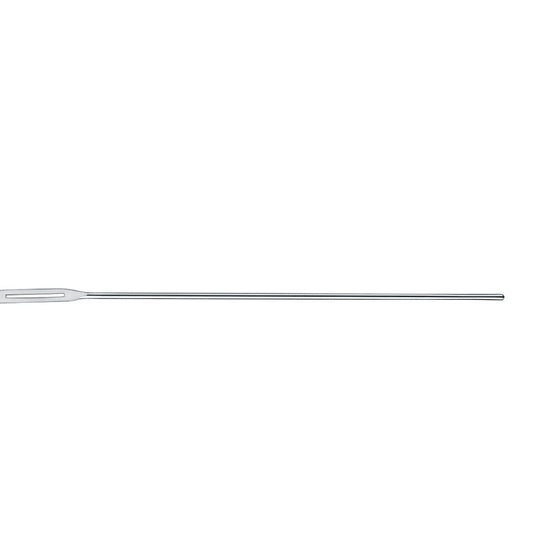
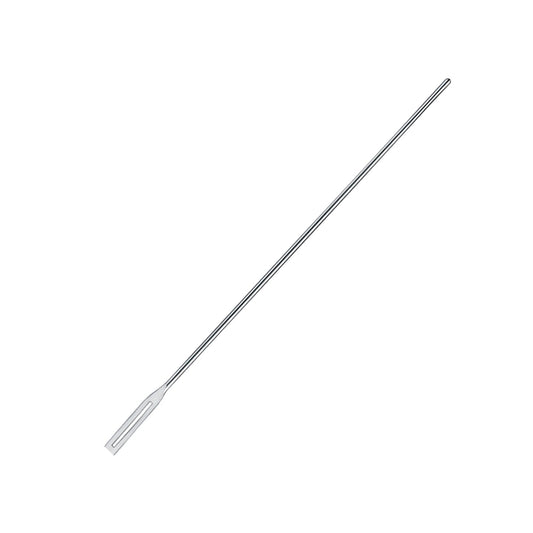
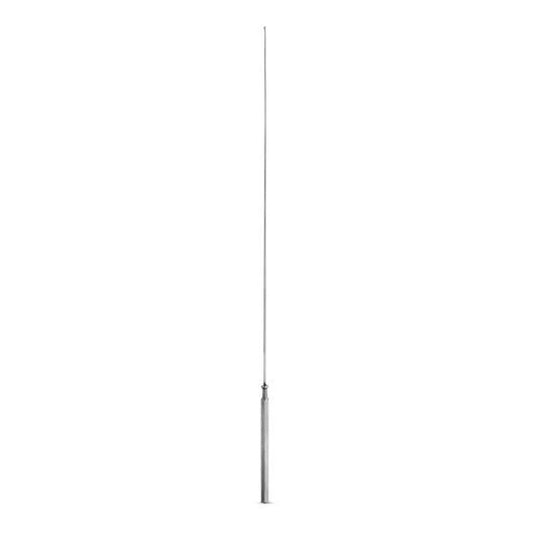
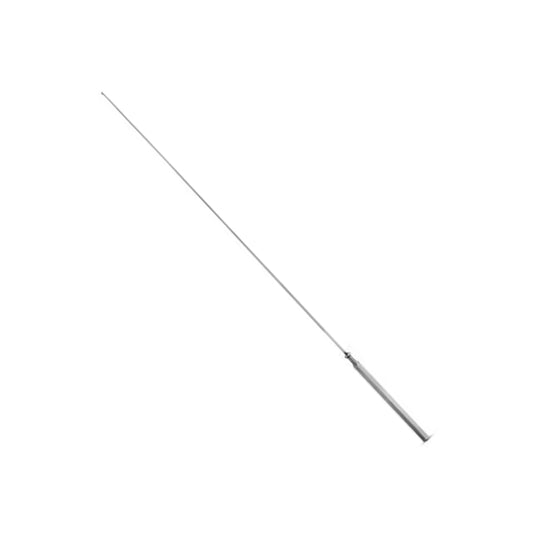
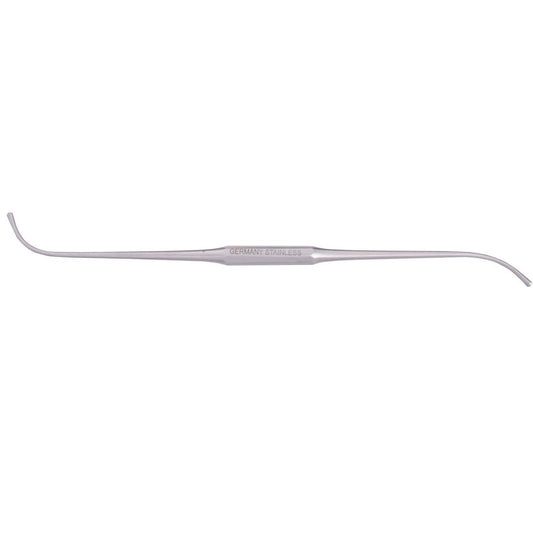
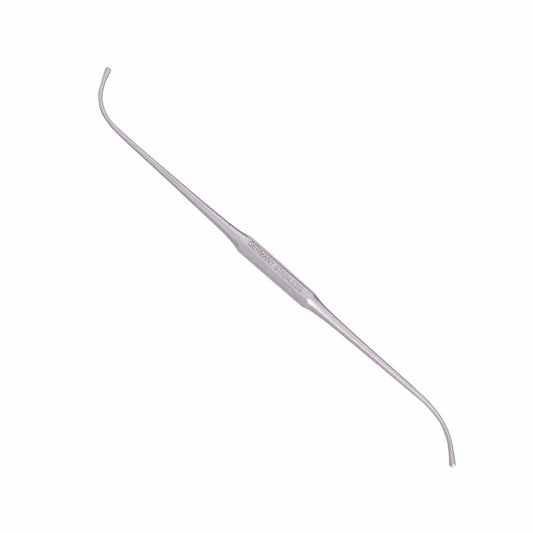
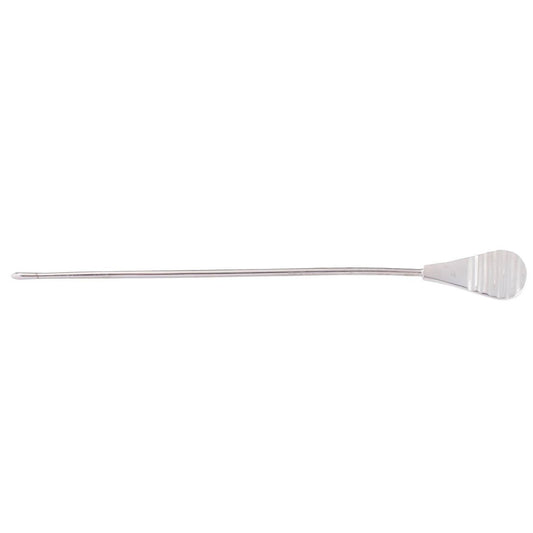
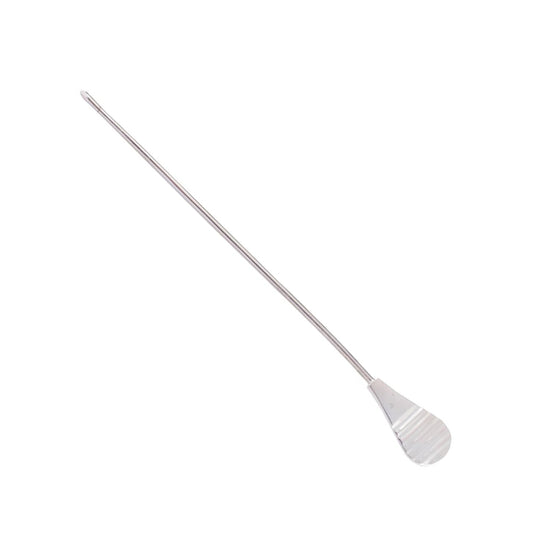
For fistula and sinus tract examination, this collection includes the Buie Fistula Probe and Barr Fistula Probe, both designed for precise tract exploration during anorectal fistula procedures, and the Pratt Rectal Probe — a 200mm German stainless steel instrument built specifically for anal canal examination and fistula tract probing. The Probe with Eye adds an eyelet tip, letting a surgeon thread a seton or ligature through a fistula tract during exploration, combining probing and thread-placement in one step.
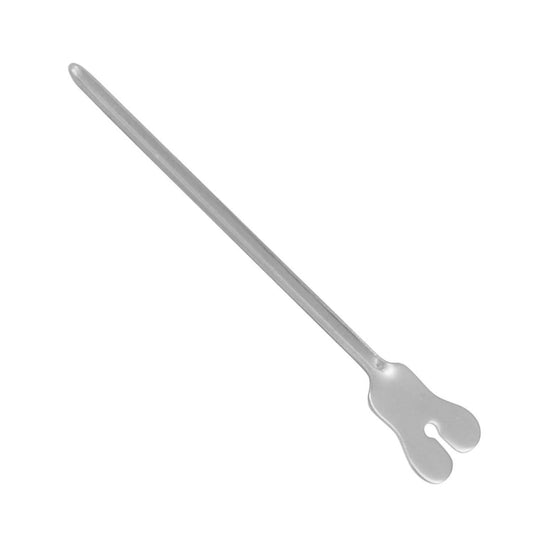
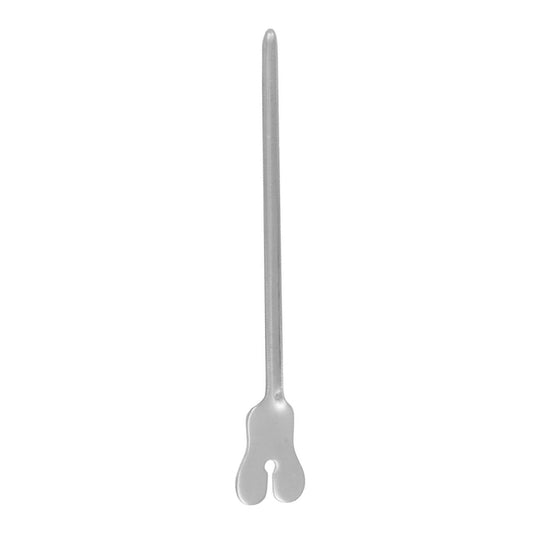
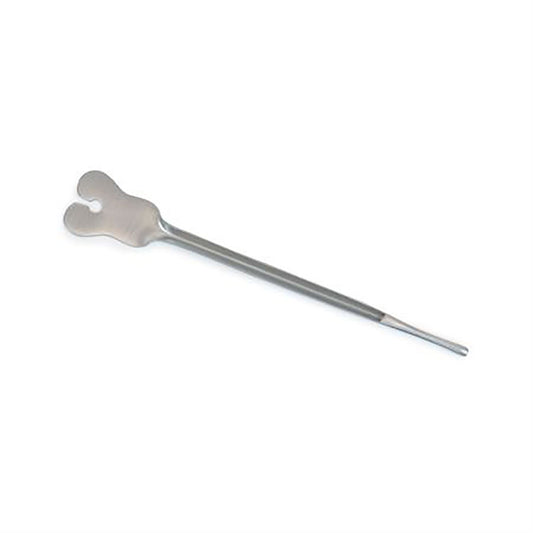
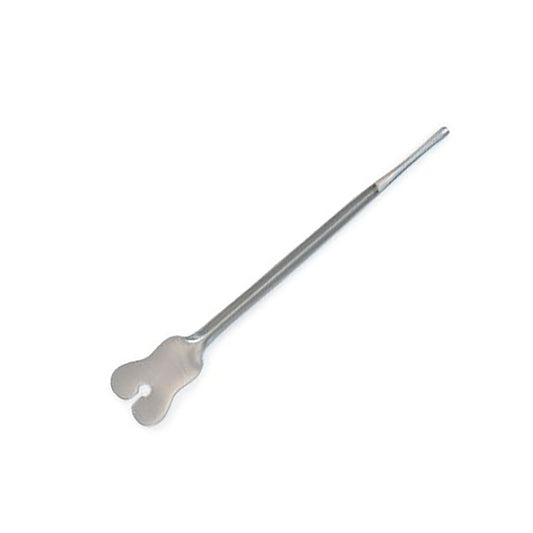
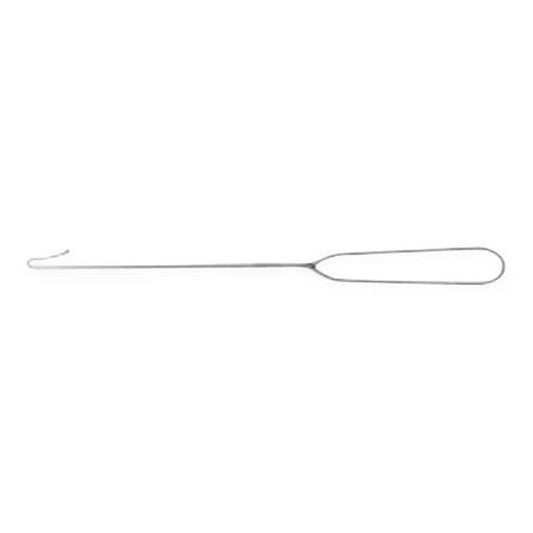
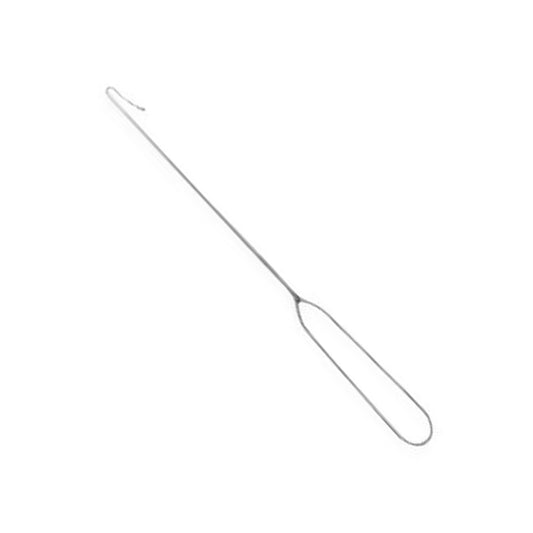
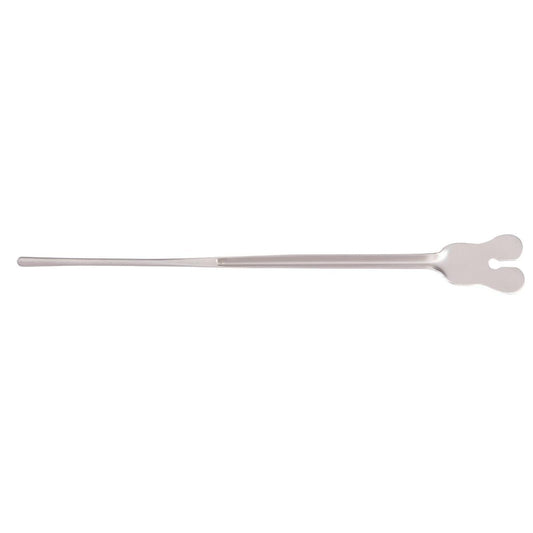
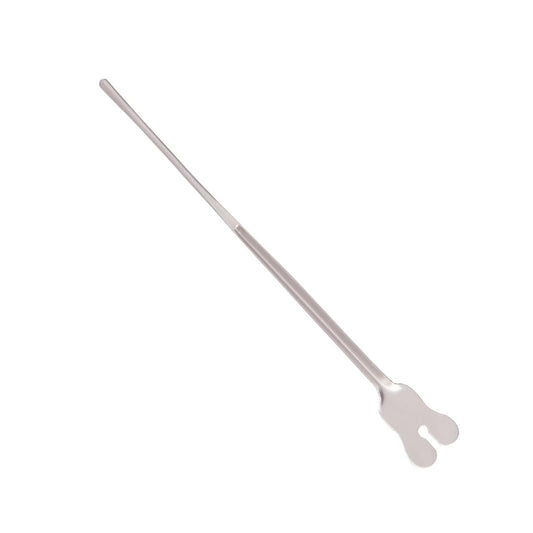
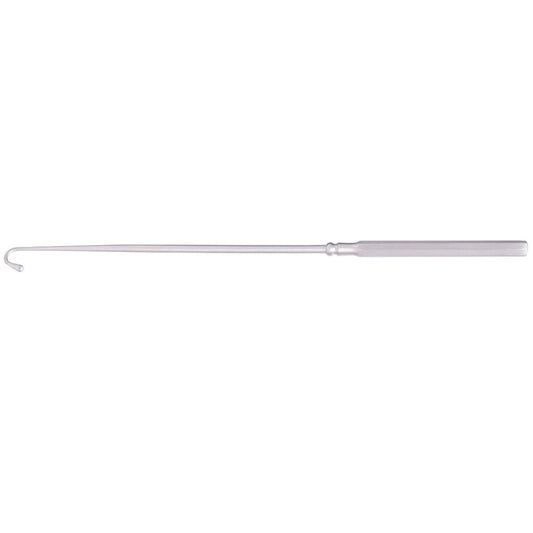
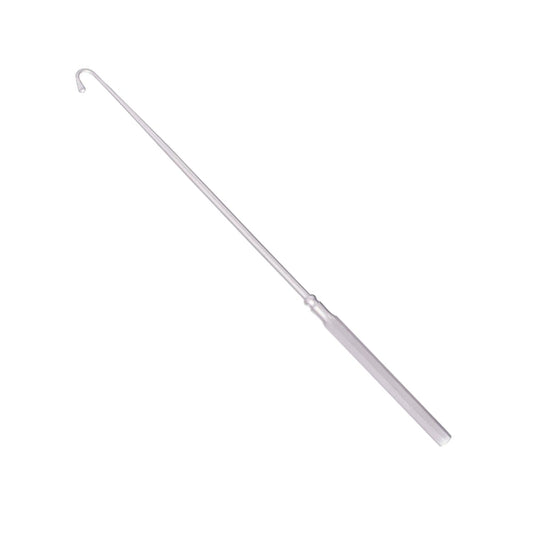
For guided incision work, the Grooved Director and Grooved Director with Tongue Tie combine a central guiding groove with a flat, butterfly-shaped tongue-tie blade at the opposite end — used both for general dissection guidance and for frenotomy (tongue-tie release) procedures. Rounding out the collection, the Stewart Crypt Hook and Rosser Crypt Hook are used to expose tonsillar crypts during tonsil surgery — a related hook-based instrument rather than a probe, but commonly stocked alongside this group.
Choosing the Right Instrument
For fistula-in-ano exploration, a Buie, Barr, or Pratt probe is the standard starting point, with the eyelet probe added when a seton needs to be placed. For controlled incision work — including frenotomy — a grooved director keeps the blade guided and away from deeper tissue. Crypt hooks serve a different purpose entirely: exposure during tonsillar surgery rather than tract exploration.
Related Instruments
For the broader proctology procedures these probes support, see our Clamps, Retractors, and Directors collections. For general surgical exposure work, browse Retractors and Spreaders.
Ordering
Peak Surgicals manufactures and supplies surgical probes and grooved dissectors in bulk for hospitals, clinics, and distributors worldwide, with international shipping and custom logo branding available on request — contact our team for a wholesale quote.
Frequently Asked Questions
What is a probe used for in dissection?
A dissecting probe is used to explore a cavity, wound, or tract — gauging its depth and direction — without cutting, so the surgeon understands the anatomy before proceeding with further instruments.
What is a grooved dissector used for?
A grooved dissector (or grooved director) guides a scalpel blade along a controlled path using a central groove, protecting underlying structures from an uncontrolled cut during incision.
What is a fistula probe used for?
A fistula probe is inserted into a fistula tract to trace its path and extent, helping the surgeon plan treatment such as fistulotomy or seton placement.
What's the difference between a probe and a grooved director?
A probe is used purely to explore and gauge a tract or cavity. A grooved director adds a guiding function, letting a scalpel follow its groove for a controlled incision.
What is a crypt hook used for?
A crypt hook is used to expose tonsillar crypts during tonsil surgery, giving the surgeon access to the crypt area — a different function from probing or dissection guidance.