Vaginal Specula: What They Are and How They're Classified
A vaginal speculum is the instrument gynecologists and other clinicians use to gently hold the vaginal walls apart, allowing visual access to the vagina and cervix during a pelvic exam, Pap smear, or minor procedure. It's one of the most recognizable gynecology tools, and functionally the most essential — without it, direct visualization of the cervix isn't possible during a routine exam.
Types of Speculum
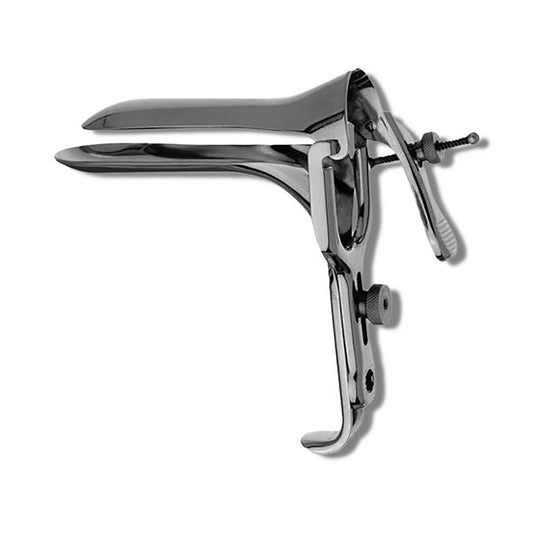
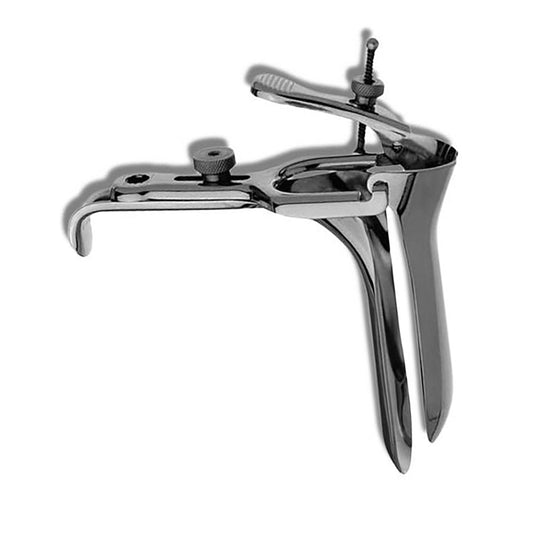
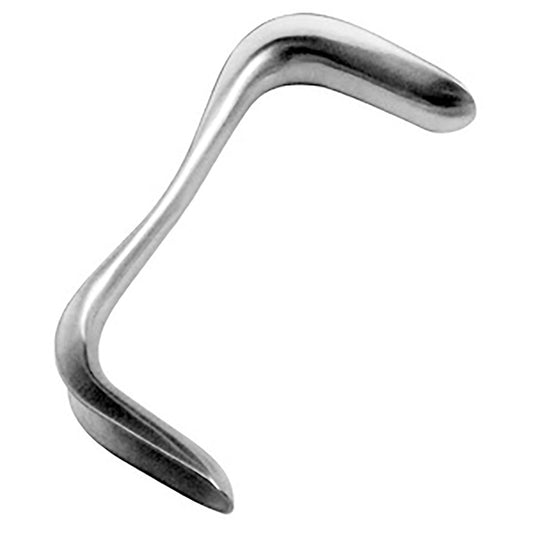
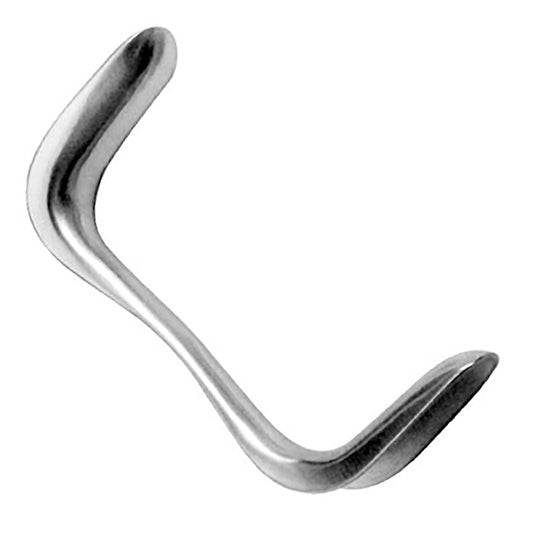
Vaginal specula fall into a few broad design families. Bivalve specula — the Graves and Pederson patterns — use two hinged blades that open like a beak once inserted; these are the standard instruments for routine exams. Cylindrical or tubular specula, like the Sims pattern, use a single curved blade rather than a hinge, historically favored for certain surgical and postpartum exams. Weighted, self-retaining specula — Auvard, Steiner, and Garrigue patterns — hold themselves open via a heavy handle, freeing the clinician's hands for a procedure happening at the same time rather than a diagnostic view alone.
What's in This Collection
This collection currently carries the Graves Expanded View Vaginal Specula, offering a wider field of visualization than a standard Graves blade for clearer cervical access, and the Sims Vaginal Specula, the single-blade cylindrical pattern used for lateral wall retraction and select surgical exams. For the full range of bivalve, weighted, and duckbill patterns — including Pederson, Steiner, Garrigue, and Auvard — see our dedicated Vaginal Speculum collection, which compares patterns by use case and blade size.
Materials and Construction
Peak Surgicals manufactures our specula in surgical-grade stainless steel rather than plastic or silicone. Metal instruments hold up to repeated autoclave sterilization and years of clinical use in a way single-use plastic specula aren't built for, which is why hospital and clinic supply chains typically standardize on reusable metal instruments for routine gynecological practice.
Related Instruments
If you're also sourcing electrosurgical-compatible or LEEP-procedure specula, see our Electrosurgical Speculum collection. For the complete gynecology catalog — forceps, curettes, retractors, and surgical sets — browse Gynecology Instruments.
Frequently Asked Questions
What is a vaginal speculum used for?
A vaginal speculum holds the vaginal walls apart so a clinician can visually examine the vagina and cervix, most commonly during a routine pelvic exam or Pap smear.
What are the different types of speculum?
The main categories are bivalve (hinged, two-blade designs like Graves and Pederson), cylindrical (single curved blade, like Sims), and weighted self-retaining (Auvard, Steiner, Garrigue), which hold themselves open for hands-free surgical use.
Is a vaginal speculum made of metal or plastic?
Both exist on the market. Peak Surgicals manufactures reusable stainless steel specula, which are autoclave-sterilizable and built for long-term clinical use, as opposed to single-use plastic or silicone versions.
What's the difference between "speculum" and "specula"?
They're the same instrument — "speculum" is singular and "specula" is the plural form (though "speculums" is also commonly used in everyday speech).
What speculum is used for a routine Pap smear?
Most routine Pap smears use a Graves or Pederson bivalve speculum, selected based on patient anatomy and comfort.