Featured Collection
Your cart
Featured Collection

PEAK SURGICALS
SKU:PS-203
Couldn't load pickup availability
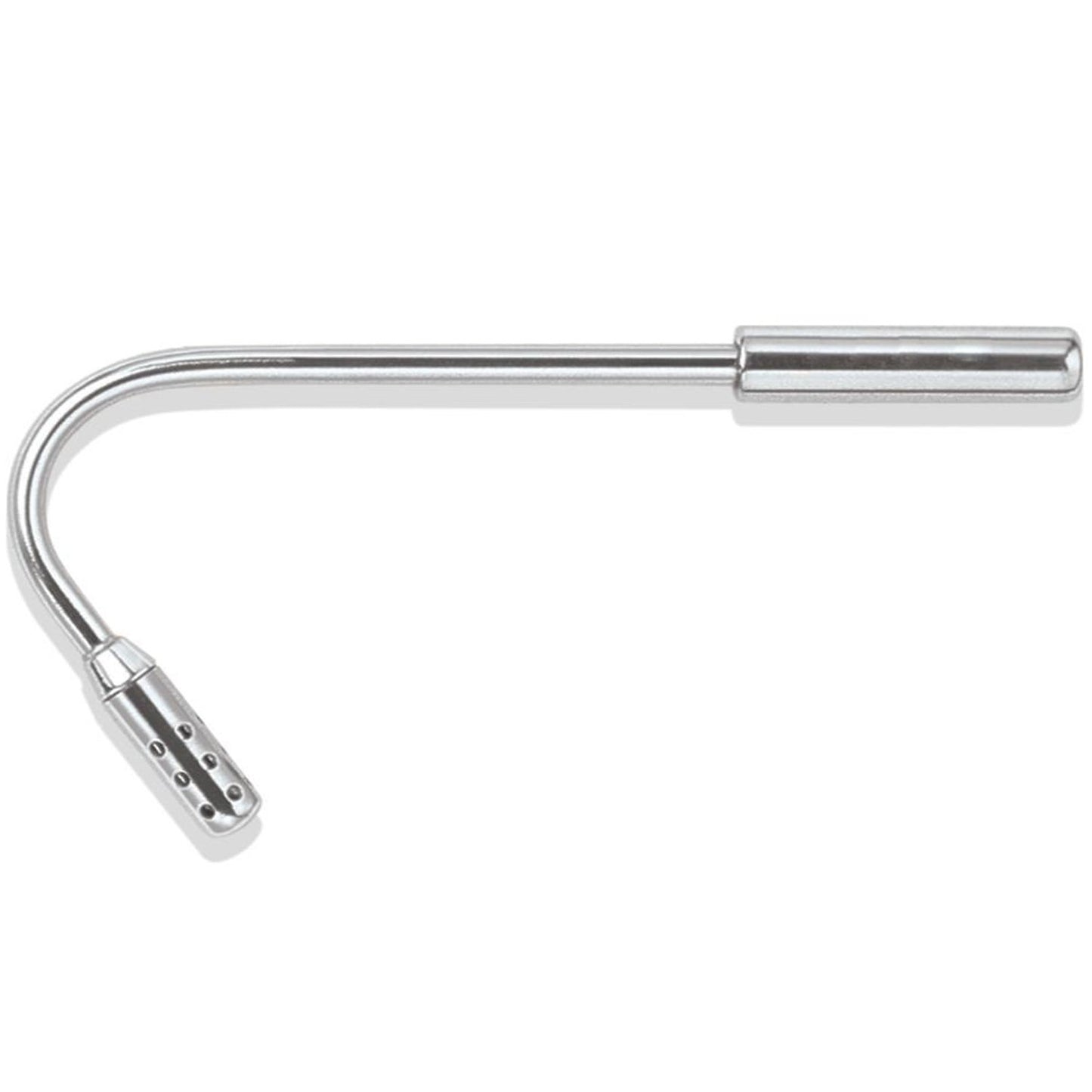
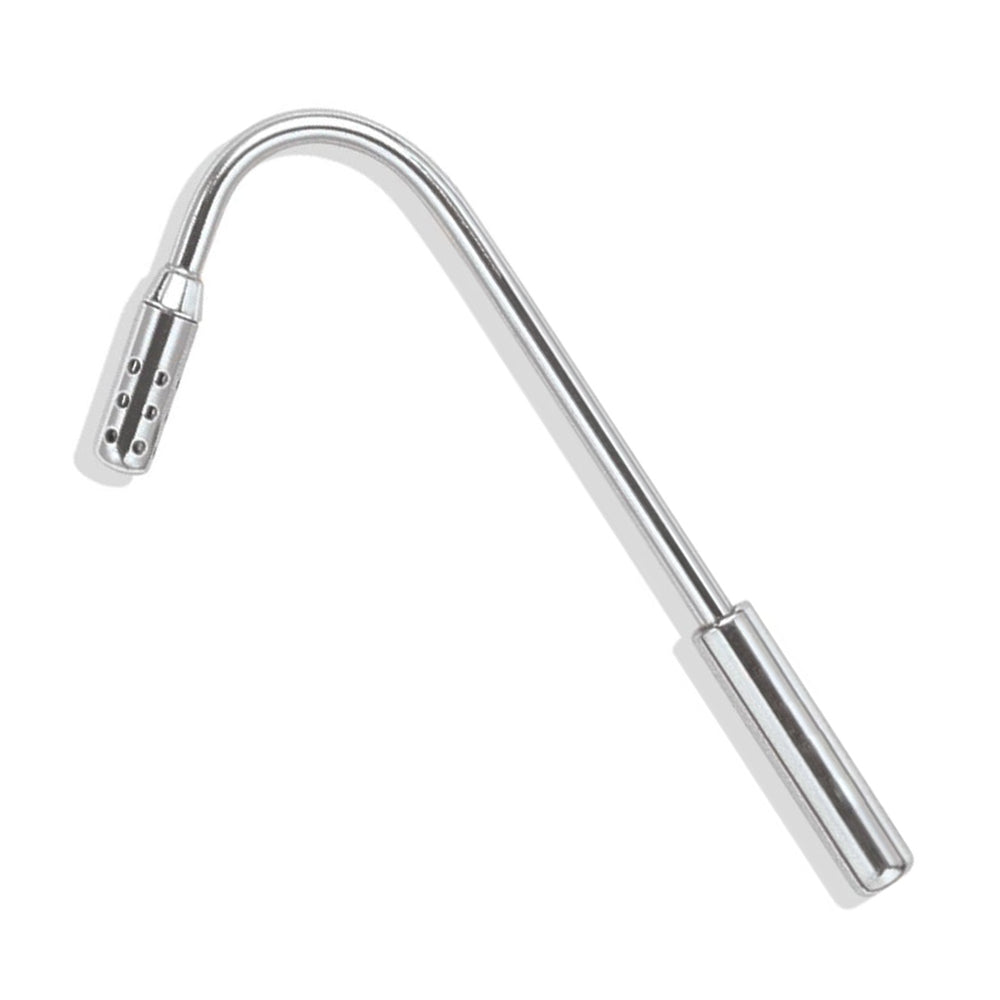
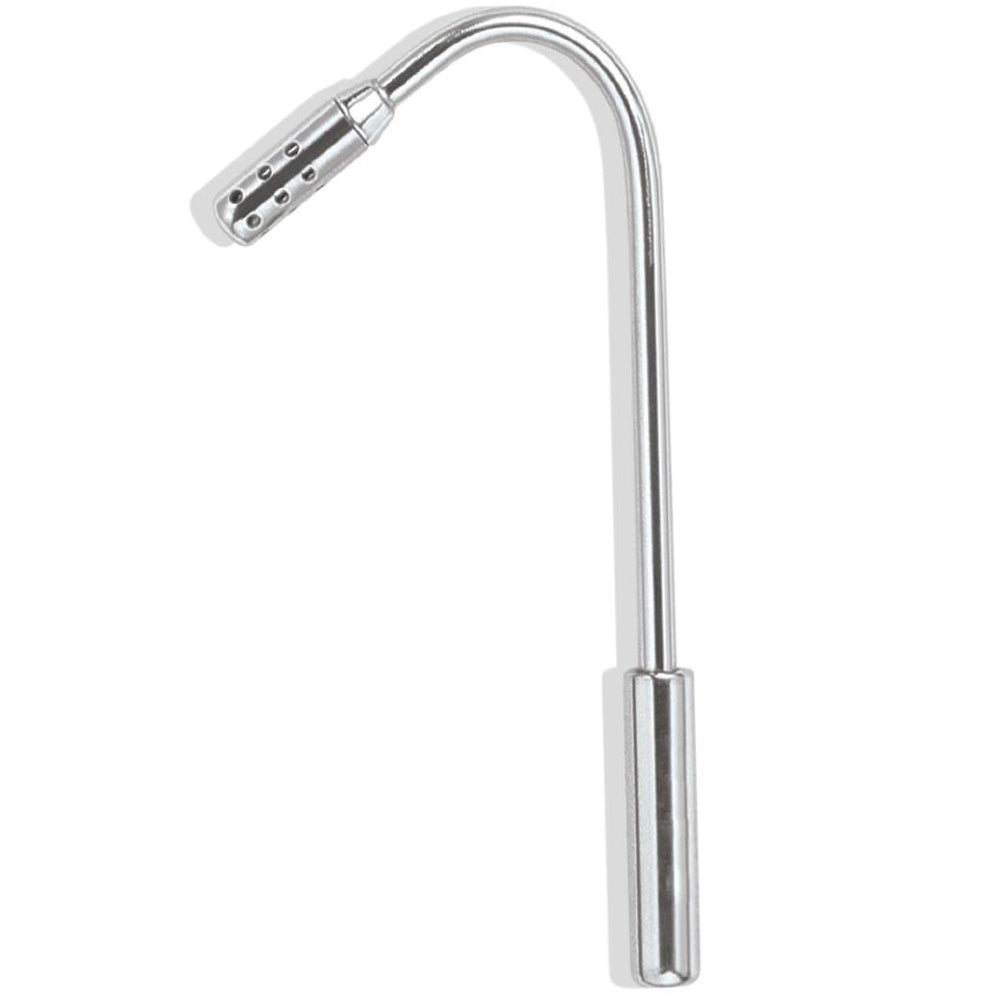
The Saliva Ejector Stainless Steel from Peak Surgicals (SKU: PS-203) is a reusable 4mm x 18cm German Stainless Steel dental suction instrument designed for controlled evacuation of saliva, irrigation fluid, blood, polishing slurry, restorative debris, and fine particulate matter from the oral cavity during chairside and surgical dentistry. Each instrument is priced at $14.30 and features a curved hollow suction tube, perforated terminal intake head, smooth atraumatic distal profile, cylindrical working shaft, rigid stainless steel body, and proximal connector for attachment to standard dental suction tubing. Dentists, oral surgeons, periodontists, endodontists, hygienists, dental assistants, hospital dental departments, outpatient clinics, ambulatory oral surgery centers, and procurement teams use this ejector during prophylaxis, ultrasonic scaling, restorative fillings, composite bonding, crown preparation, endodontic access, rubber dam adjunct suction, tooth extraction, periodontal debridement, implant maintenance, oral biopsy support, and minor intraoral surgery. The curved design allows placement along the buccal vestibule, lingual sulcus, floor of mouth, retromolar area, and posterior oral cavity while maintaining access for mirrors, handpieces, ultrasonic scalers, elevators, forceps, syringes, and restorative instruments.
The Saliva Ejector Stainless Steel uses a curved hollow tube to position suction at the dependent fluid pool without forcing the assistant’s hand into the direct treatment corridor. The curve helps the distal intake head rest near the floor of mouth, mandibular lingual sulcus, buccal vestibule, posterior molar region, or extraction socket margin while the shaft remains outside the active handpiece path. The perforated intake head distributes suction across multiple openings, reducing the chance of mucosal occlusion compared with a single open-ended tube. This matters during prolonged chairside work because mobile cheek, tongue, floor-of-mouth mucosa, gauze, and cotton rolls can block a narrow suction tip. The smooth distal contour minimizes irritation during contact with oral soft tissue, while the rigid stainless steel shaft preserves shape during repeated use. The proximal connector joins the instrument to standard low-volume dental suction tubing. Its function depends on continuous vacuum flow, correct tip placement, and stable assistant control during active treatment.
During ultrasonic scaling, the ejector removes water spray, saliva, calculus slurry, blood traces, and periodontal lavage fluid while the hygienist works around gingival margins, interproximal spaces, and subgingival pockets. In restorative dentistry, it keeps the field drier during caries excavation, cavity rinsing, etching, bonding, composite placement, matrix adaptation, and finishing. During crown preparation, the tube evacuates coolant and saliva while the assistant maintains visibility around the preparation margin, sulcus, and adjacent teeth. In endodontic access, it controls irrigant overflow, saliva accumulation, and debris near the rubber dam frame or clamp area. During tooth extraction, the instrument supports evacuation of saliva, blood, irrigation fluid, and loose debris while elevators and forceps remain active. In periodontal debridement and implant maintenance, it helps maintain a clean operating field without the stronger tissue draw of high-volume evacuators. The instrument is especially useful when continuous low-volume suction is needed beside mirrors, probes, handpieces, burs, curettes, syringes, and cotton isolation.
The 4mm diameter gives the Saliva Ejector Stainless Steel a narrow suction profile for intraoral placement in limited spaces while still allowing continuous removal of saliva and light procedural fluid. This diameter is suited to low-volume evacuation during dental hygiene, operative dentistry, endodontic access, oral examination, and minor surgical support. It is not shaped like a broad high-volume evacuation tip because its purpose is sustained local fluid control rather than rapid removal of large spray clouds. The 18cm length provides enough reach from the suction tubing connection to the anterior, premolar, molar, lingual, and posterior oral regions while keeping the proximal end accessible to the assistant. The curved distal portion supports placement along the mandibular arch, floor of mouth, retromolar pad, buccal vestibule, and posterior maxillary working area. This size combination allows stable positioning without excessive bulk inside the patient’s mouth. It supports routine dental tray setup where reusable suction control is needed across hygiene, restorative, endodontic, and oral surgery appointments.
German Stainless Steel gives the Saliva Ejector Stainless Steel the rigidity, corrosion resistance, and cleanable surface required for repeated dental clinic use. A reusable suction instrument must retain tube curvature, perforation patency, smooth distal geometry, connector fit, and internal lumen continuity because deformation or blocked openings can reduce evacuation performance. The polished stainless steel surface supports visual inspection after cleaning and reduces retention points along the external shaft. After clinical use, the lumen is flushed, the perforated intake head is brushed, the connector end is cleared, and the entire tube is inspected before sterilization workflow. Steam sterilization by autoclave after complete cleaning and drying supports reuse in dental clinics, hospital oral surgery departments, and training facilities. CE marking, ISO-13485 certification, and FDA compliance support dental procurement files, distributor documentation, and international tender requirements. The listed 1-year warranty, MOQ of 1 piece, reusable format, and return-and-replacement support help procurement teams standardize dental suction instrument inventory.
| SKU | PS-203 |
|---|---|
| Product Name | Saliva Ejector Stainless Steel |
| Price | $14.30 per piece |
| Size/Gauge Variants | 4mm x 18cm |
| Instrument Category | Dental Instruments / Aspirators / Saliva Ejectors |
| Procedure | Ultrasonic Scaling, Prophylaxis, Restorative Fillings, Composite Bonding, Crown Preparation, Endodontic Access, Tooth Extraction, Periodontal Debridement, Minor Oral Surgery |
| Material | German Stainless Steel |
| Finish | Polished stainless steel clinical finish |
| Sterilization | Steam sterilizable / Autoclave compatible after lumen flushing and cleaning |
| Instrument Classification | Class I reusable dental suction instrument |
| Reusable | Yes |
| Certifications | CE, ISO-13485, FDA |
| Warranty | 1 Year |
| MOQ | 1 Piece |
| OEM / Custom Orders | Available |
| After-Sale Service | Return and Replacement |
How does the Saliva Ejector Stainless Steel compare with a high-volume evacuator tip?
The Saliva Ejector Stainless Steel is designed for continuous low-volume fluid removal during dental procedures. A high-volume evacuator tip is wider and is used for rapid removal of aerosols, coolant, surgical spray, and larger fluid loads near high-speed handpieces or surgical suction fields. The stainless steel saliva ejector is selected when the clinical objective is sustained chairside control of saliva, irrigation overflow, polishing slurry, and light debris. Its 4mm tube and perforated terminal head fit more comfortably in the floor of mouth, buccal vestibule, and posterior oral cavity. A high-volume tip removes more fluid but occupies more space and can interfere with mirrors, burs, matrices, scalers, and hand instruments. The Saliva Ejector Stainless Steel is therefore better for continuous placement during hygiene, restorative, endodontic, and minor oral surgery workflow. Dental trays often include both instruments because they control different fluid volumes and work at different positions in the mouth.
Why is the 4mm x 18cm size useful for dental suction?
The 4mm diameter gives the instrument a narrow working profile for placement in the oral cavity without crowding the operative field. This size allows suction near the tongue, floor of mouth, buccal vestibule, posterior molars, and extraction site margins while leaving room for the operator’s mirror, probe, scaler, handpiece, or forceps. The 18cm length provides enough reach from the suction hose to anterior and posterior areas without requiring excessive hand movement. It supports chairside use during scaling, polishing, restorative fillings, crown preparation, endodontic access, and minor oral surgery. The curved tube guides the perforated tip toward fluid pools where saliva and irrigation collect. The Saliva Ejector Stainless Steel also maintains its shape better than flexible disposable tips during repeated repositioning. This size is practical for general dental clinics, oral surgery rooms, and hospital dental departments.
What do CE, ISO 13485, and FDA compliance mean for procurement?
CE marking supports conformity documentation for dental clinics, hospitals, distributors, and procurement teams sourcing reusable dental instruments. ISO 13485 indicates that manufacturing is managed under a medical device quality management system with controlled production, inspection, and traceability. FDA compliance supports procurement files for buyers sourcing reusable stainless steel dental devices for regulated healthcare markets. The Saliva Ejector Stainless Steel fits purchasing categories for non-powered dental suction and oral fluid evacuation instruments. These credentials help procurement officers compare the item against tender requirements, internal sourcing rules, and distributor documentation needs. German Stainless Steel construction, 1-year warranty, MOQ of 1 piece, reusable format, and return-and-replacement service support repeat ordering. For dental practices and hospital oral health units, the documentation aligns chairside evacuation function with regulated sourcing expectations.
How is the perforated suction head positioned during treatment?
The perforated suction head is positioned at the lowest fluid-collecting point in the working quadrant. During mandibular work, it is commonly placed along the floor of mouth or lingual sulcus so saliva and irrigation can drain toward the openings. During maxillary procedures, it can be positioned in the buccal vestibule or posterior oral cavity while the assistant maintains the curve away from the bur or ultrasonic tip. The multiple perforations distribute suction and help prevent complete blockage against cheek, tongue, gauze, cotton roll, or mucosal surfaces. The operator or assistant repositions the curved tube as treatment moves from anterior to posterior teeth. The Saliva Ejector Stainless Steel does not use a thumb vent or ratchet because flow control comes from the suction unit, tubing connection, and tip placement. Correct positioning keeps the field visible during scaling, restorative work, endodontic access, extraction support, and periodontal instrumentation.
How should the Saliva Ejector Stainless Steel be cleaned and sterilized after use?
After use, the ejector is disconnected from suction tubing and decontaminated promptly so saliva, blood, polishing paste, prophy slurry, composite residue, irrigant, or tissue debris does not dry inside the lumen. The hollow tube is flushed thoroughly because internal residue can restrict suction performance during the next procedure. The perforated terminal head is brushed through each visible opening so debris does not remain inside the intake zone. The proximal connector is cleaned so it fits securely onto standard suction tubing. The curved shaft is wiped along its full length and inspected for deformation, blocked holes, and surface damage. German Stainless Steel supports steam sterilization by autoclave after complete cleaning and drying. The Saliva Ejector Stainless Steel should return to the dental tray only after the lumen is patent, the perforations are clear, and all surfaces are visually clean.