Surgical Scissors
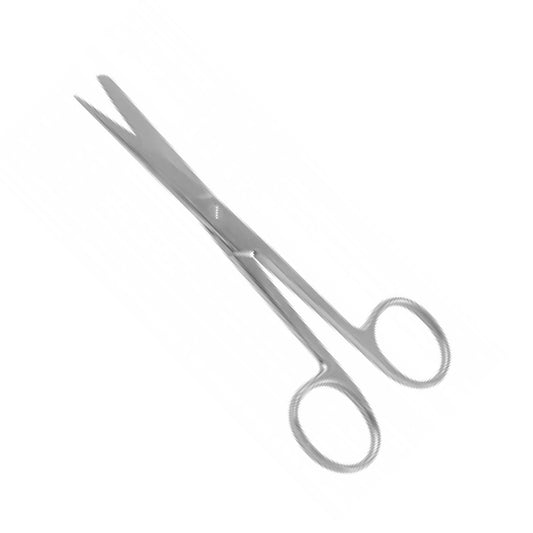
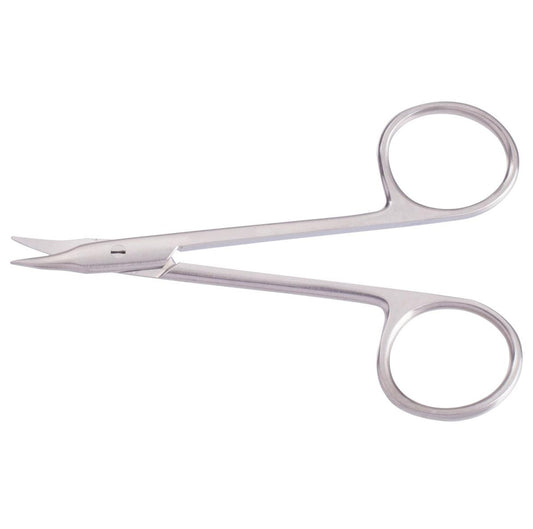
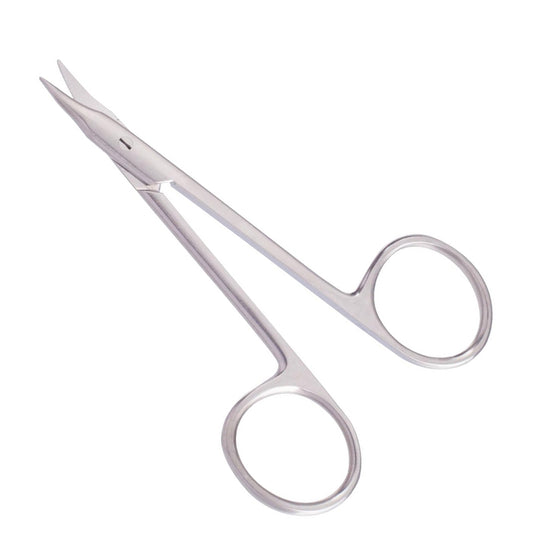
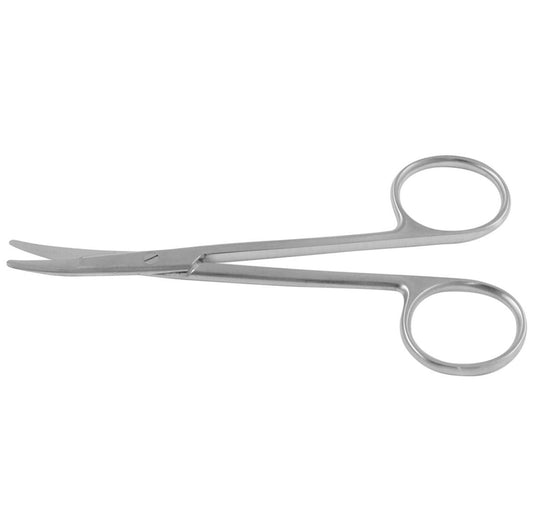
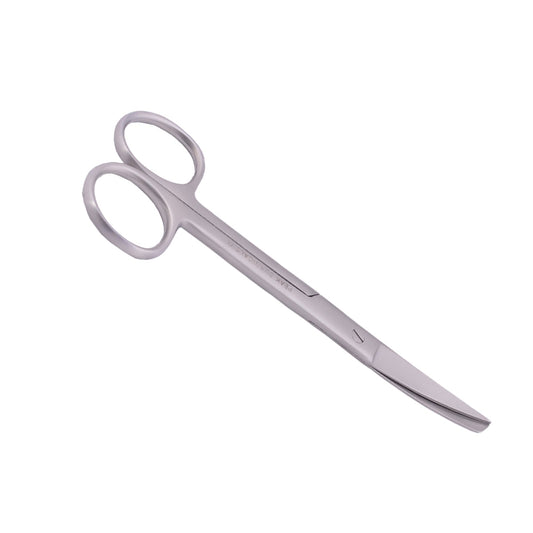
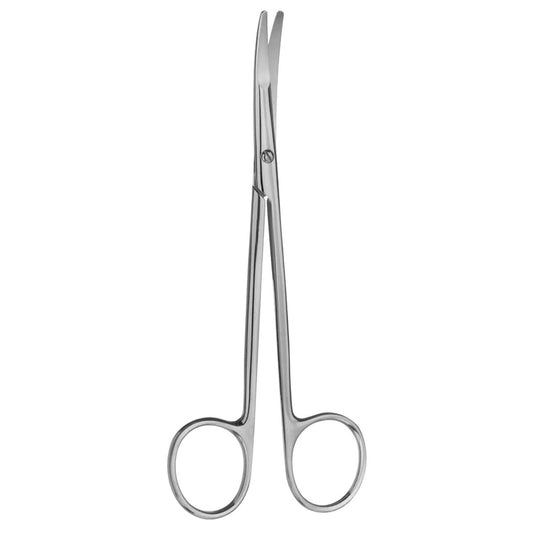
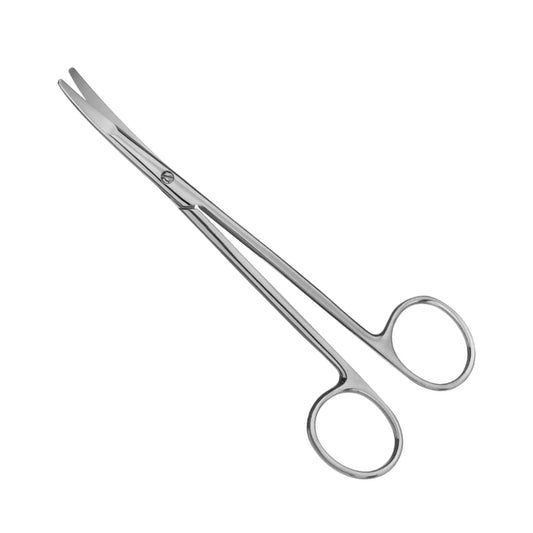
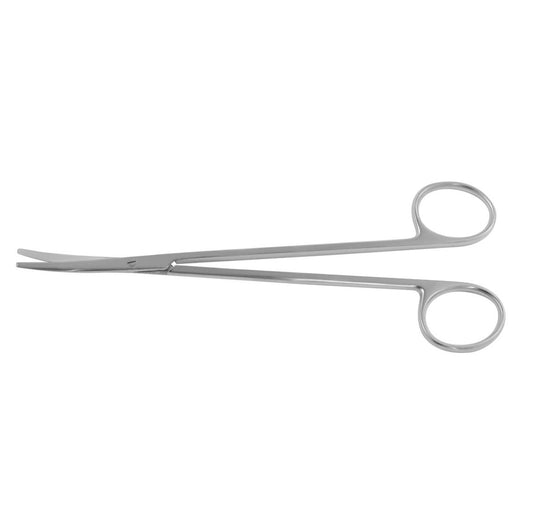
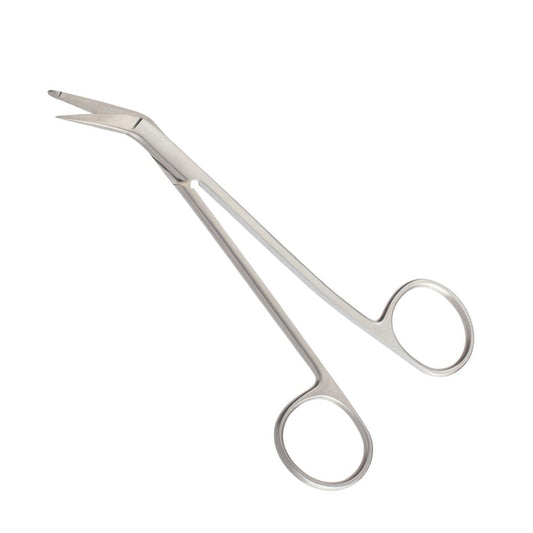
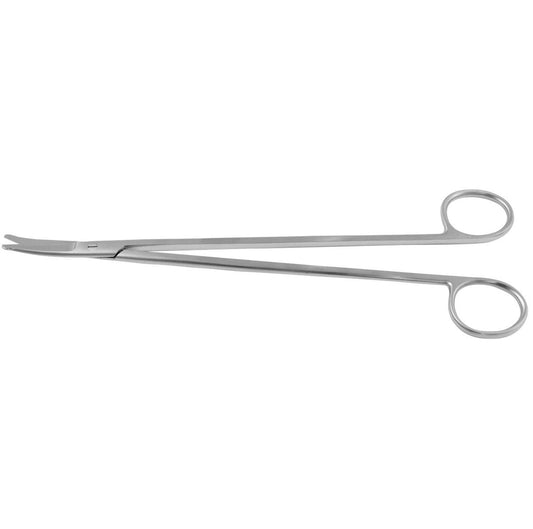
Surgical scissors cut, dissect and trim tissue and materials in the operating room, clinic and ward. Blade shape, tip style and length are matched to the task. Heavier patterns handle dense tissue, fine patterns handle delicate work, and specialized designs handle stitches, bandages, cartilage and wire.
General Operating and Dissecting Scissors
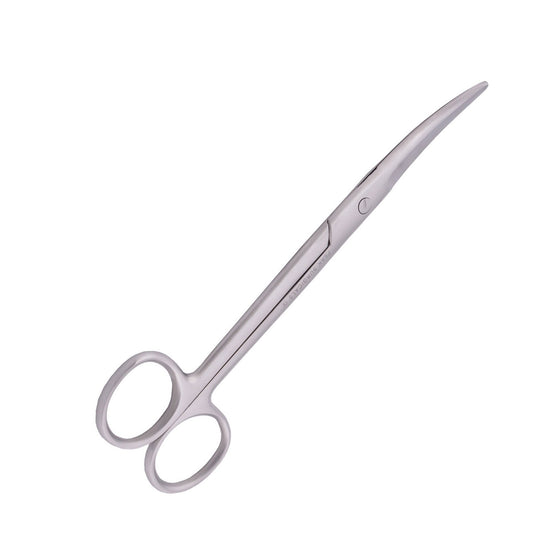
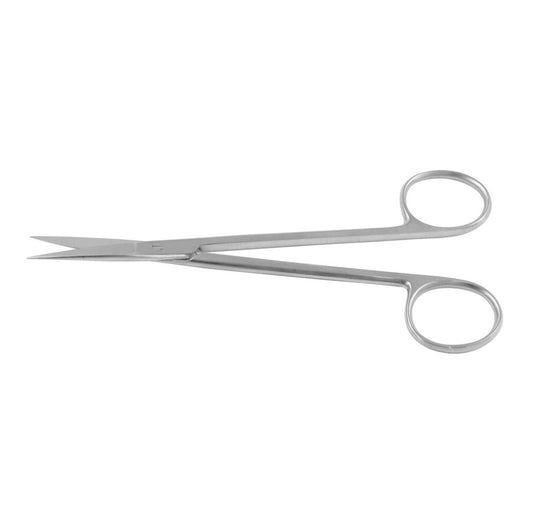
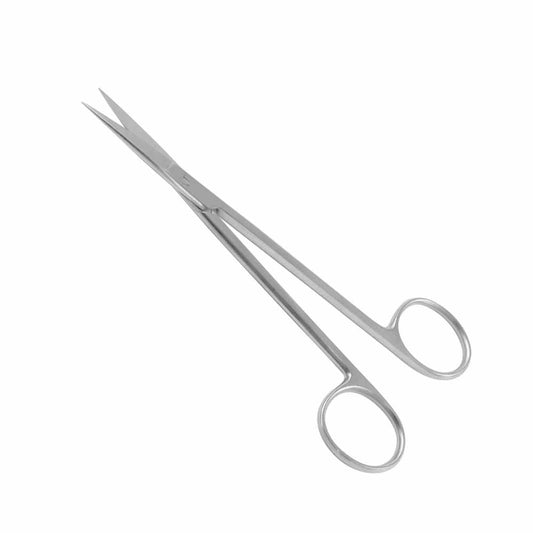
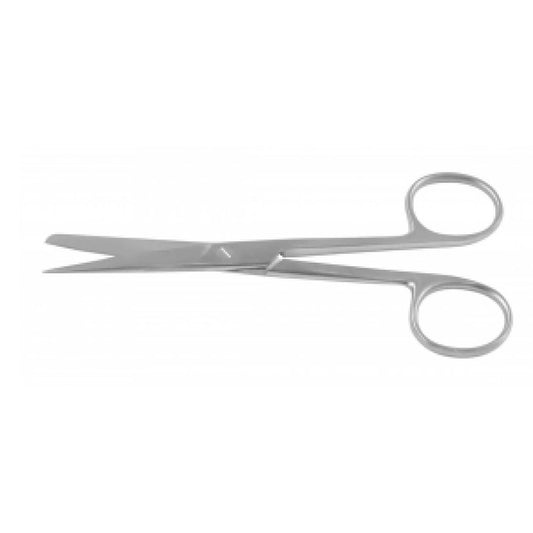
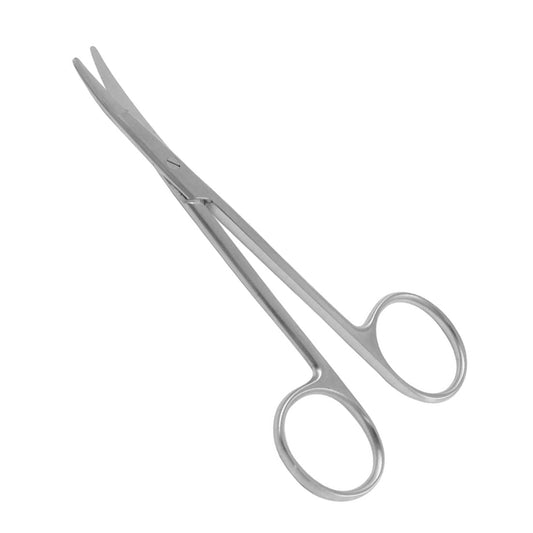
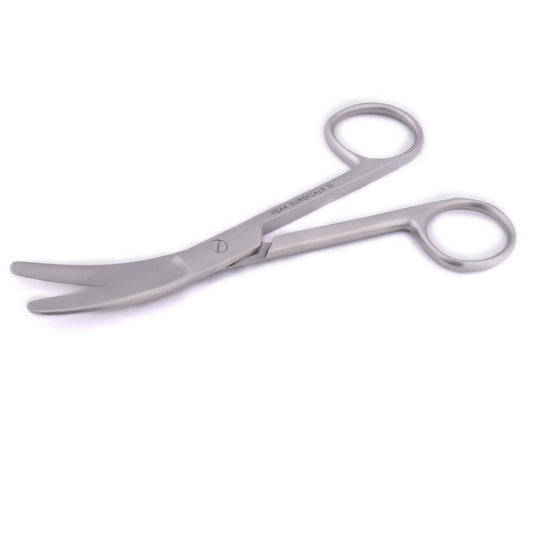
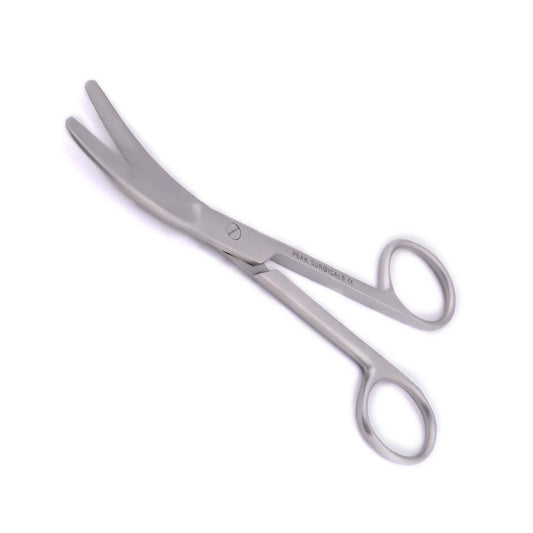
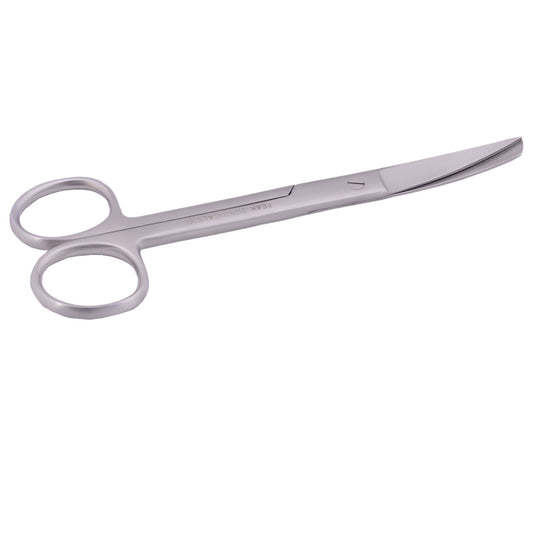
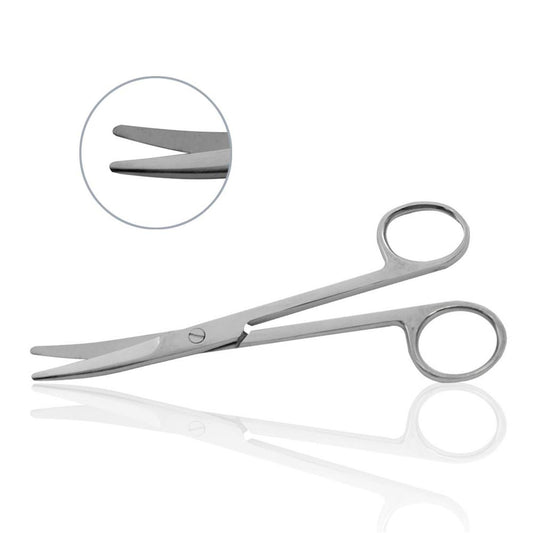
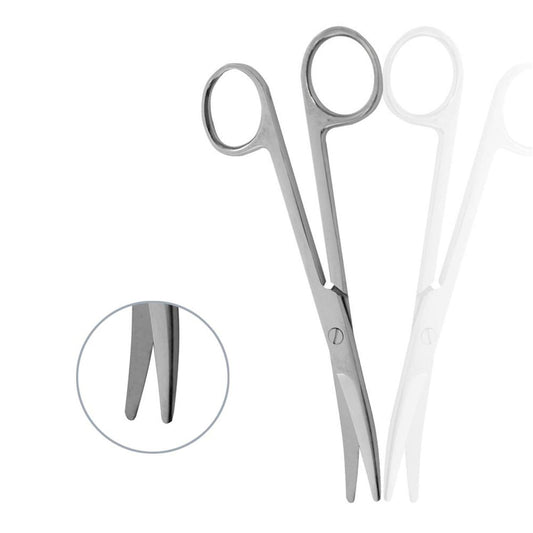
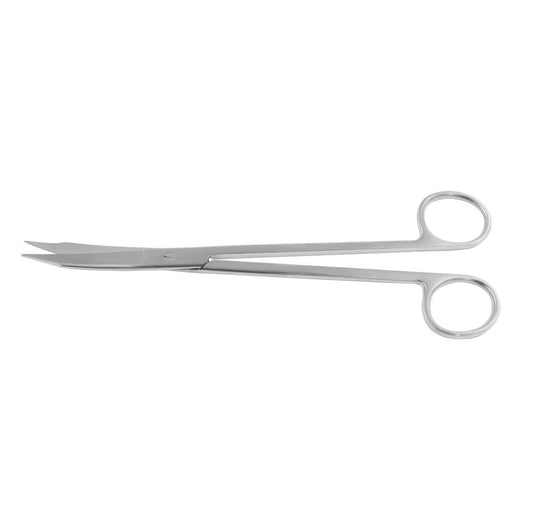
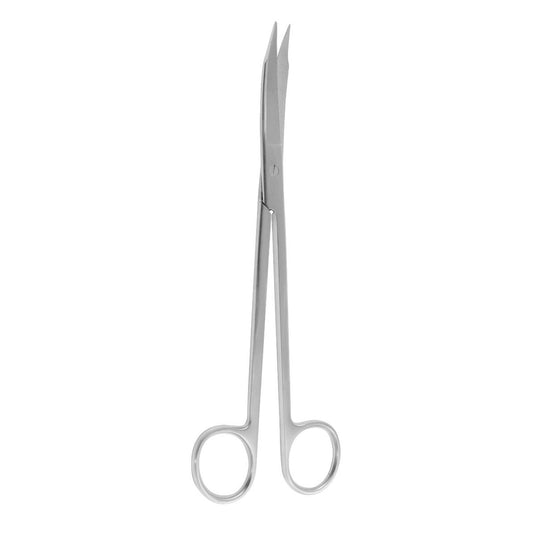
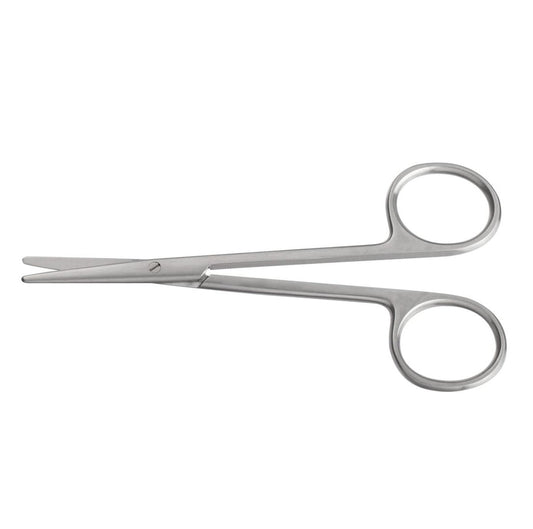
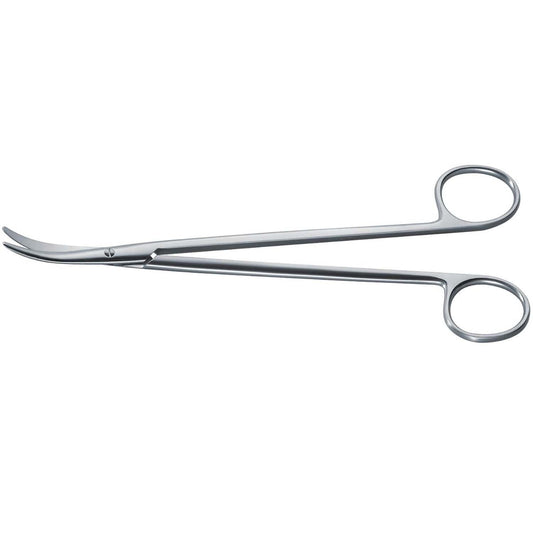
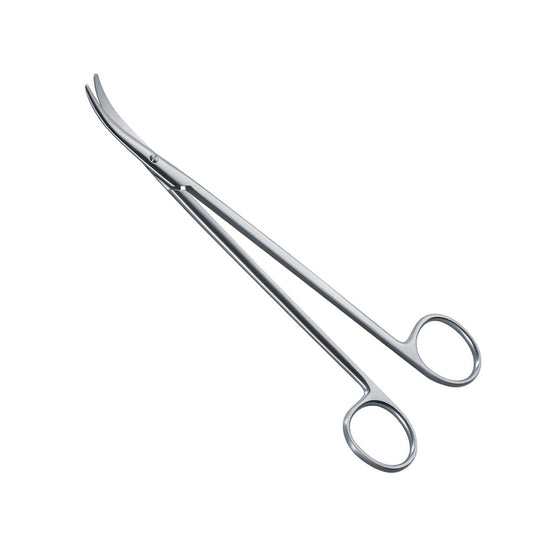
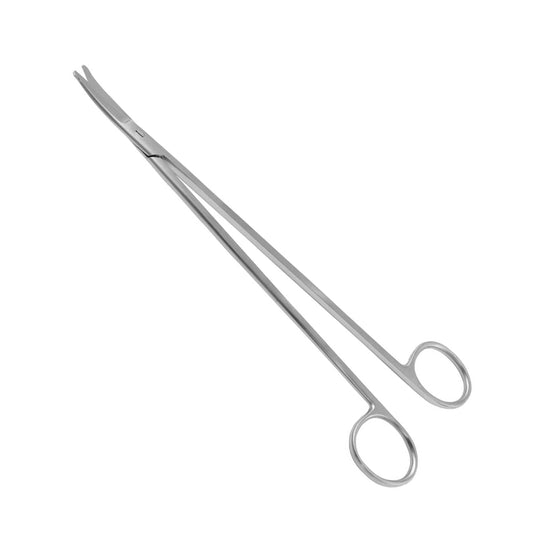
The Mayo Dissecting Scissors (straight and curved, 14.6cm to 21cm) and Mayo Sims Dissecting Scissors are heavier patterns for dense tissue and fascia. The Operating Scissors (straight and curved) cover general cutting. For finer dissection, the Metzenbaum Dissecting Scissors (straight and curved) and the 13.3cm curved Metzenbaum Lipsett suit delicate soft tissue. The Strully Dissecting Scissors are 200mm, slightly curved and have a probe tip. The Thorek Feldman scissors (18.4cm to 21.6cm) are listed for cholecystectomy dissection.
Suture Removal and Bandage Scissors
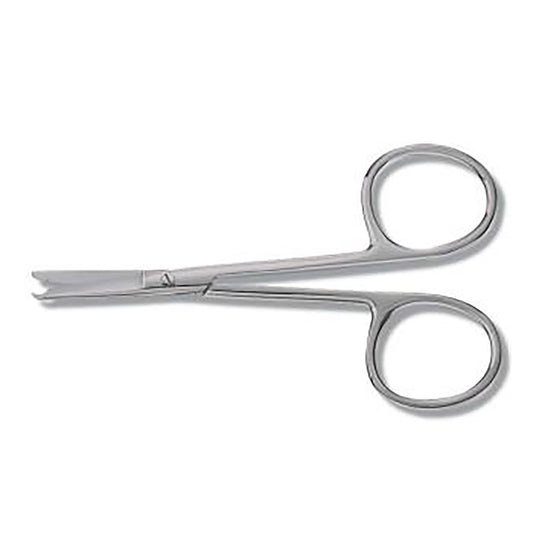
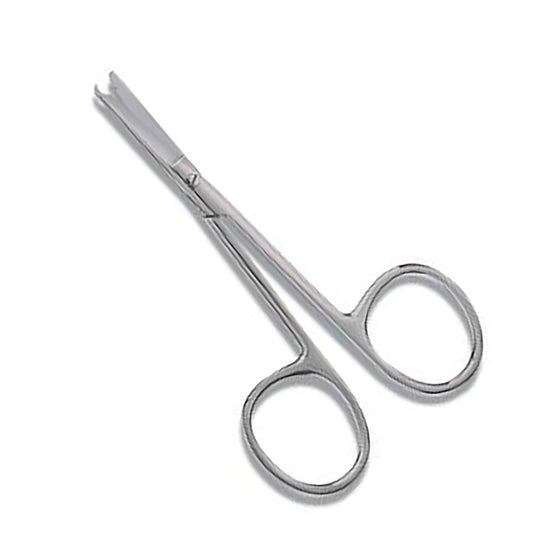
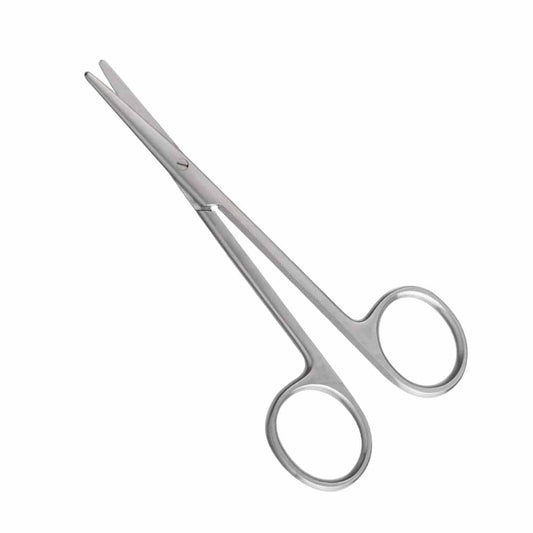
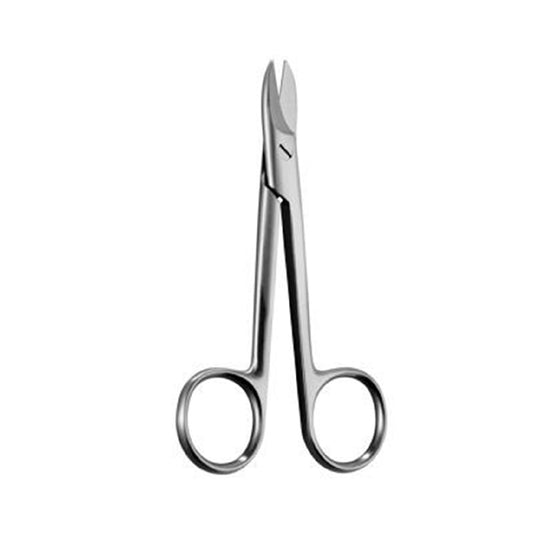
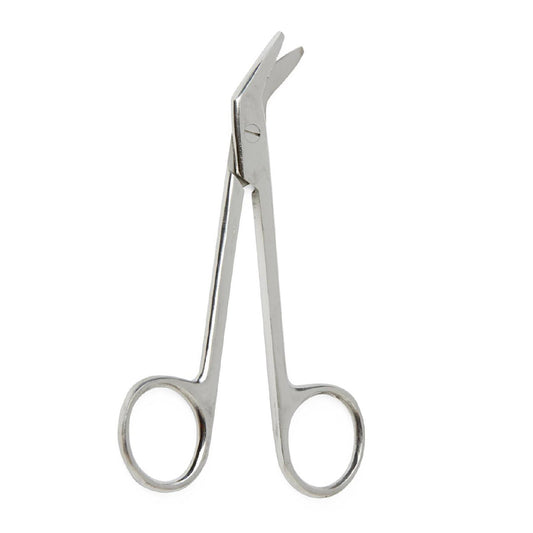
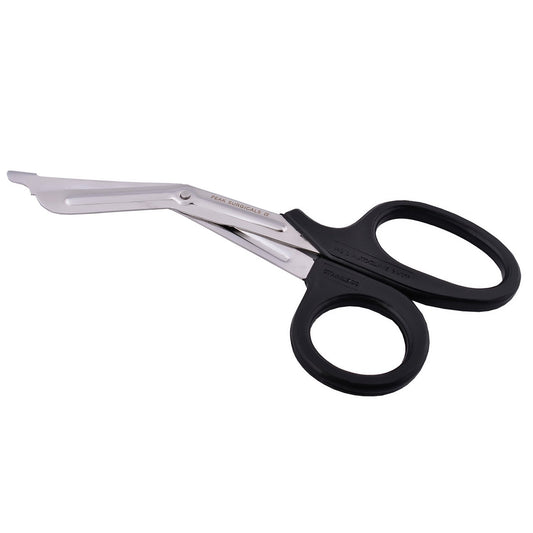
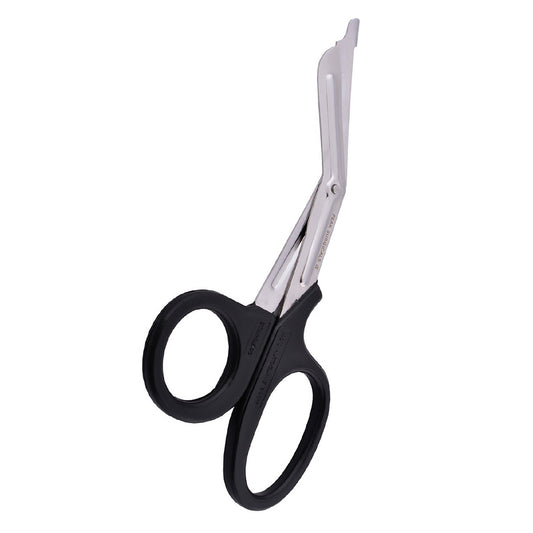
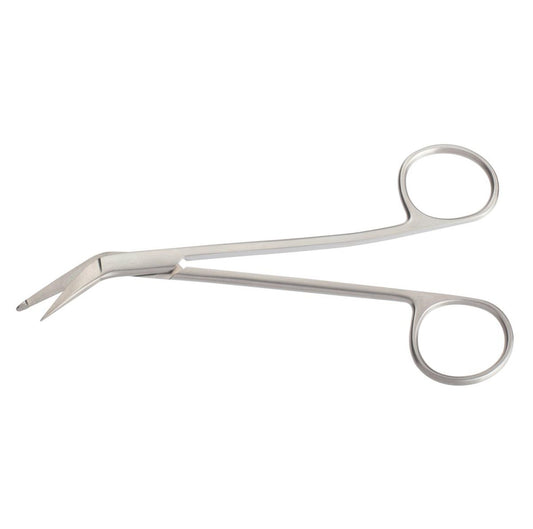
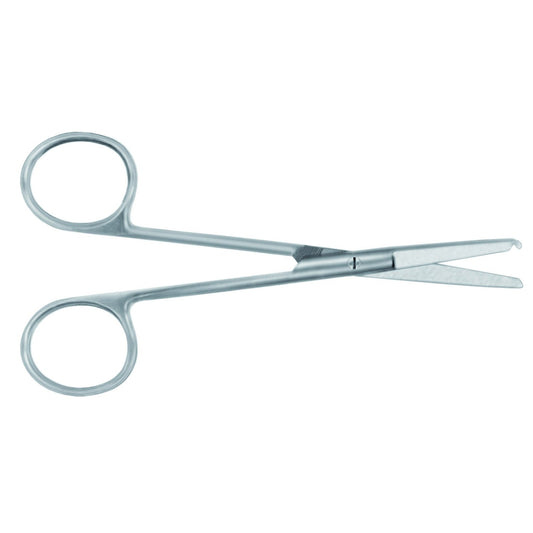
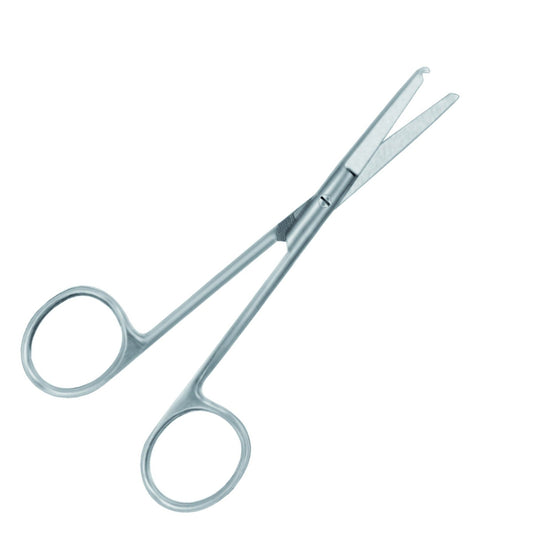
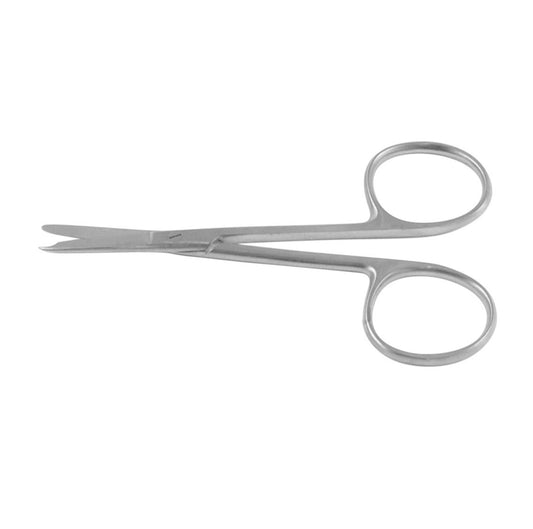
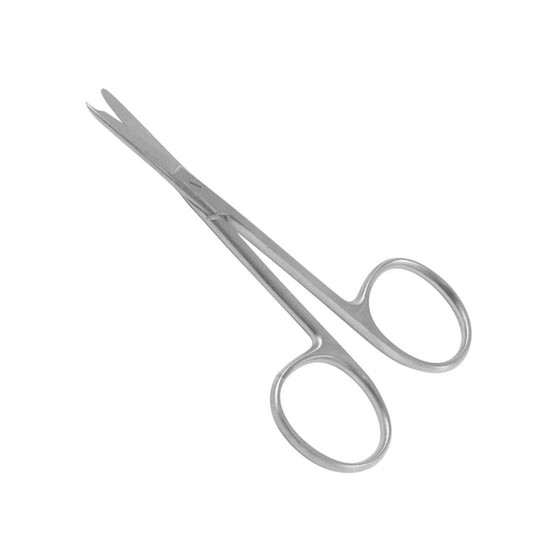
The Suture Scissors (10.7cm, notched) and Suture Scissors Short Bent (8.9cm to 12.7cm) are made for angled stitch removal. The Stitch Scissors and Spencer Stitch Scissors use a notched, blunt tip to lift a suture and cut it without cutting the skin. The Universal Bandage Scissors cut dressings.
Fine and Specialty Scissors
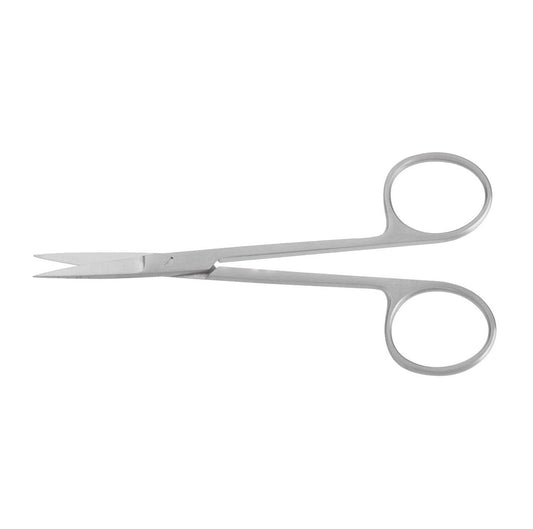
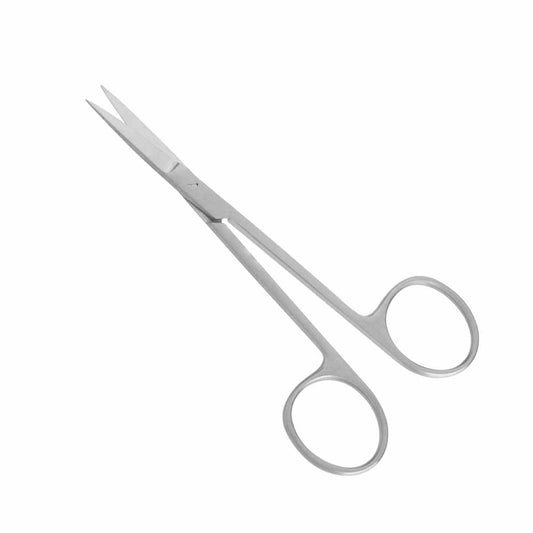
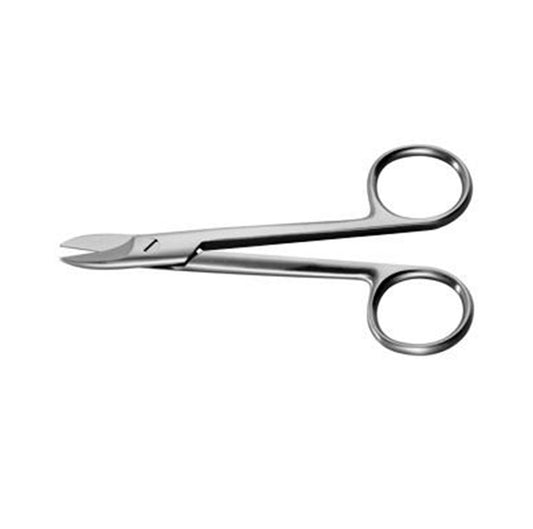
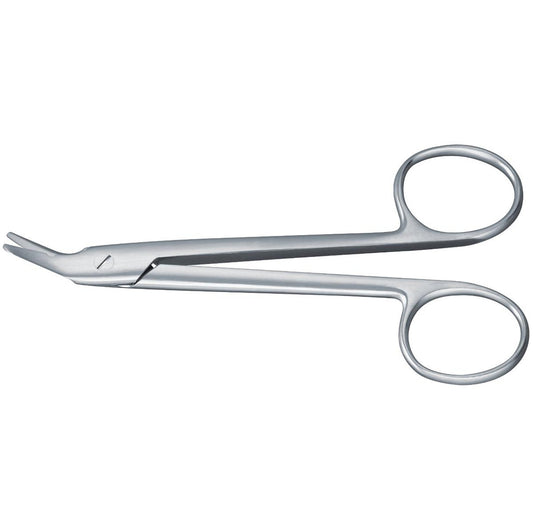
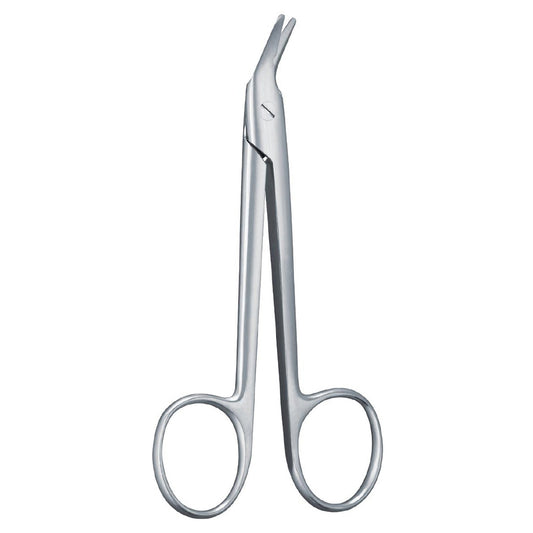
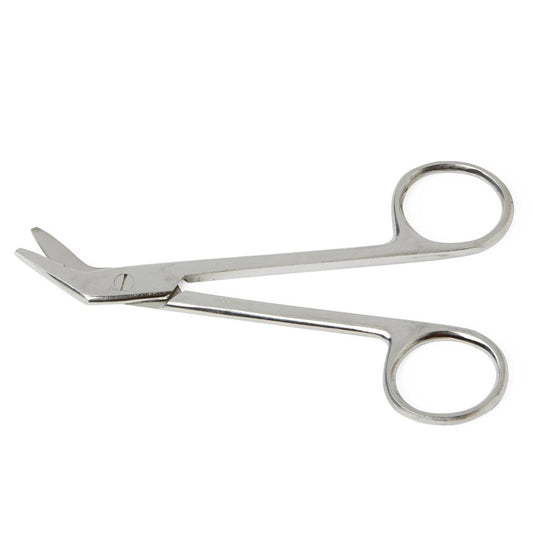
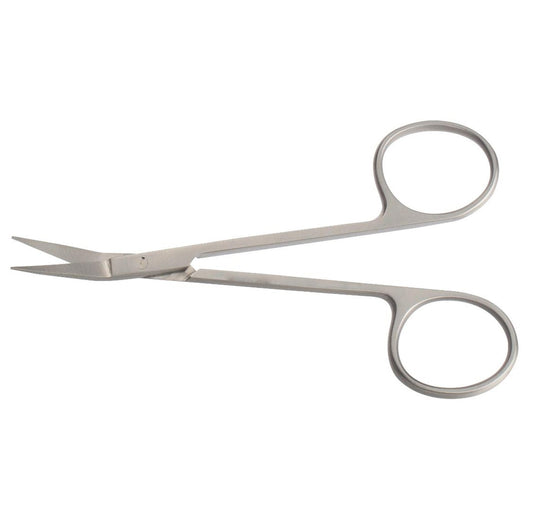
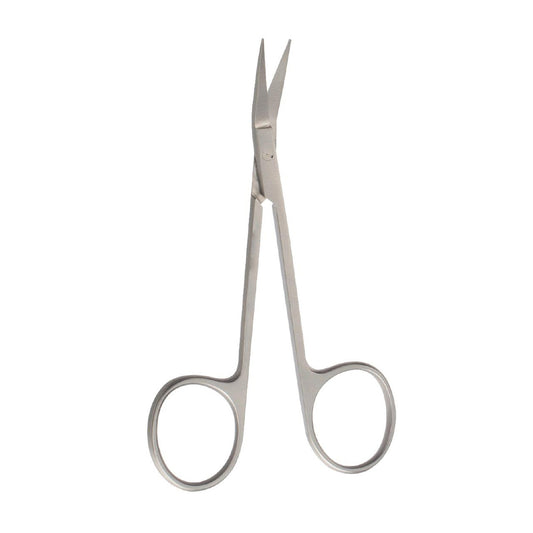
The Knapp Iris and Wilmer Iris scissors are small, fine patterns for delicate tissue. The Knapp Strabismus Scissors are an ophthalmic pattern. The Ragnell Nasal and Joseph Cutting scissors are typically used in nasal and plastic surgery, and the Taylor Brain Scissors are a neurosurgical pattern. The Martin Cartilage Scissors cut cartilage, and the Wire Cutting Scissors are for wire.
Choosing Scissors
Curved blades suit dissecting around structures, and straight blades suit cutting at the surface or along sutures. Choose length by depth of the field, and blunt tips where tissue is delicate. Keep tissue scissors for tissue only. Cutting wire or heavy suture with a fine pattern dulls the blades.
Care
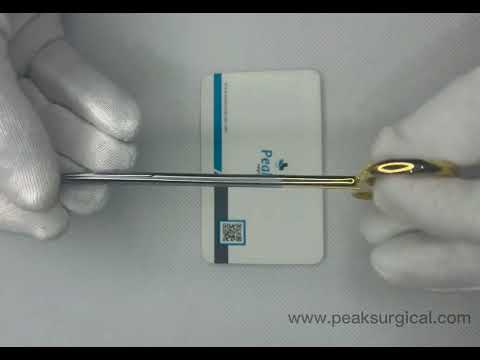
Check that the blades close smoothly along their full length with no gap, and check the tips for damage. Clean immediately after use and sterilize according to your facility’s protocol.
Related Instruments
For specialty ranges, see SuperCut Scissors, Alligator Scissors and TC Scissors. For eye work, see Ophthalmic Scissors, Micro Scissors and Titanium Scissors. For other specialties, see Gynecological Scissors, Plastic Surgery Scissors, Cardiovascular Scissors, Cartilage Scissors and Orthopedic Shears. For wire, see Bone Wire Cutter, and for casts, Plaster Shears. To complete a tray, see Forceps, Needle Holder, Hemostats and Basic Surgery Sets, and keep them organized with Sterilization Baskets. For animal patients, see Veterinary Surgery Scissors. Browse all Surgical Instruments for the full range.
Ordering
Peak Surgicals supplies surgical scissors in bulk to hospitals, clinics and distributors worldwide, with international shipping. Contact our team for current stock and wholesale pricing.
Frequently Asked Questions
What’s the difference between Mayo and Metzenbaum scissors?
Mayo scissors are heavier and suit dense tissue and fascia. Metzenbaum scissors have finer blades for delicate dissection.
What are iris scissors used for?
They are small, fine scissors for delicate cutting, such as in eye surgery and other fine soft-tissue work.
When should I choose straight or curved scissors?
Curved scissors suit dissecting around structures. Straight scissors suit cutting at the surface or along sutures.
How do suture scissors differ from regular scissors?
Stitch and suture scissors have a notched, blunt tip that lifts a stitch and cuts it without cutting the skin underneath.
Can I cut wire with tissue scissors?
No. Use dedicated wire-cutting scissors, because cutting wire dulls fine tissue scissors.
How should I care for surgical scissors?
Check that the blades close smoothly along their full length, clean immediately after use and sterilize according to your facility’s protocol.