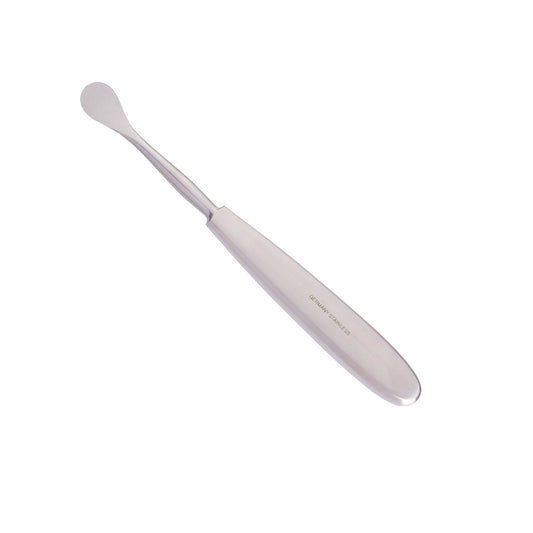
Elevators, Dissectors and Knives
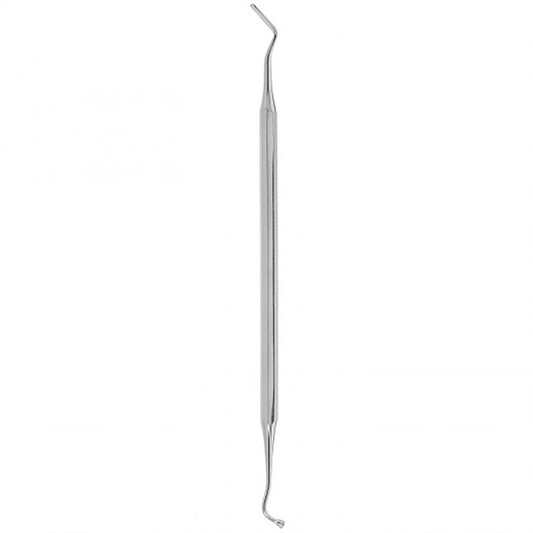
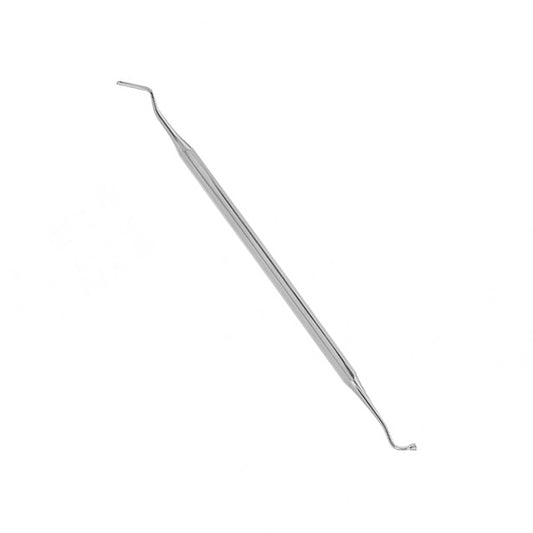
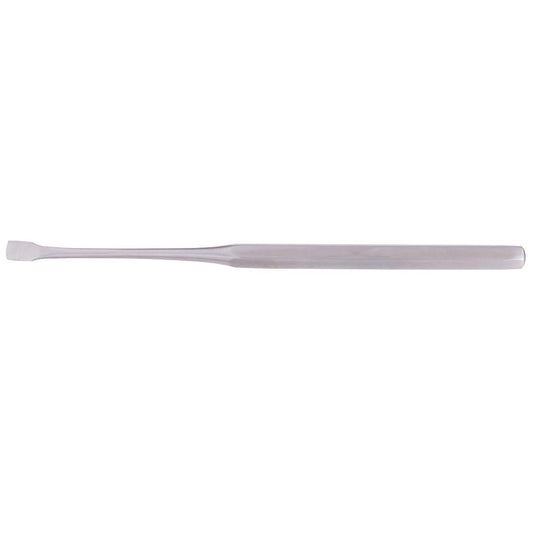
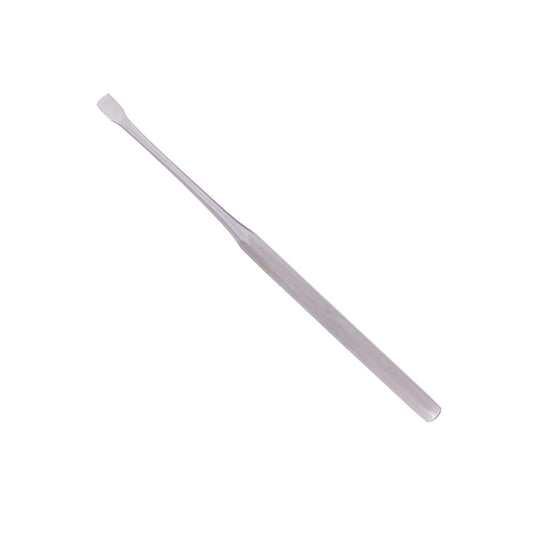
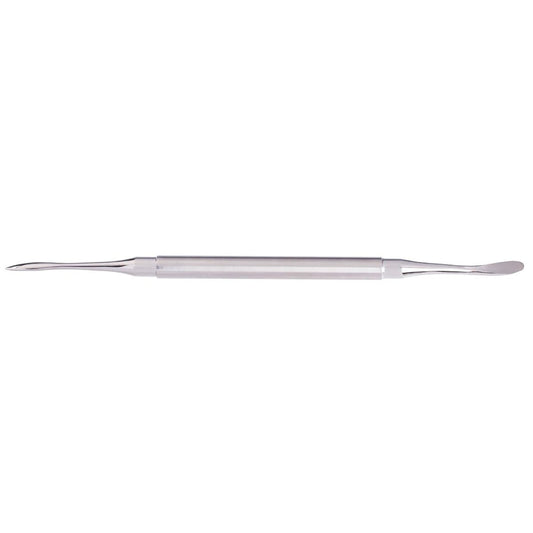
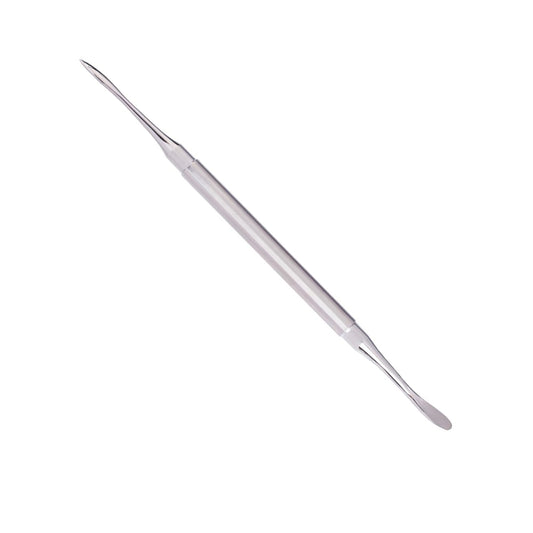
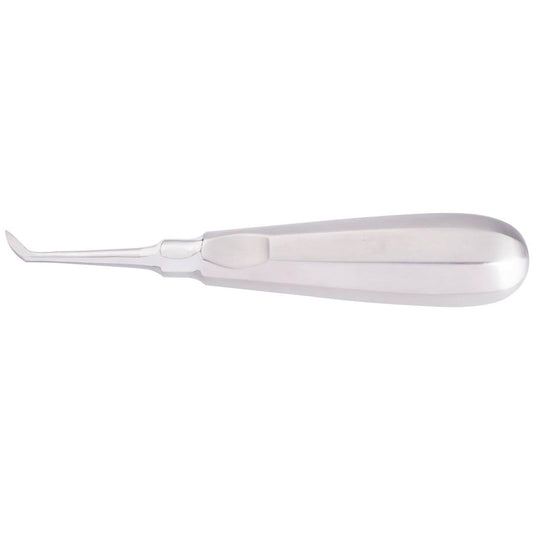
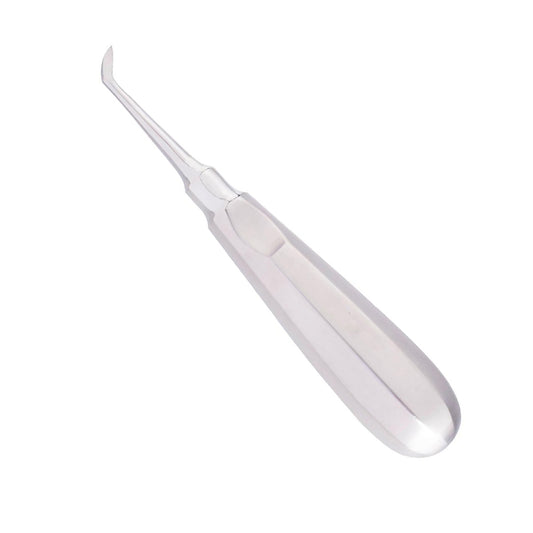
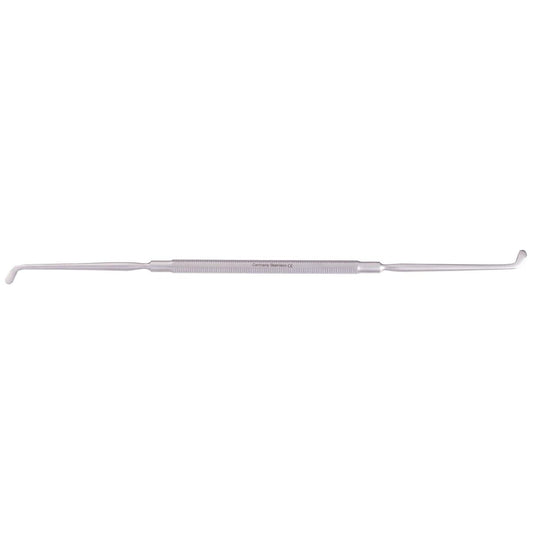
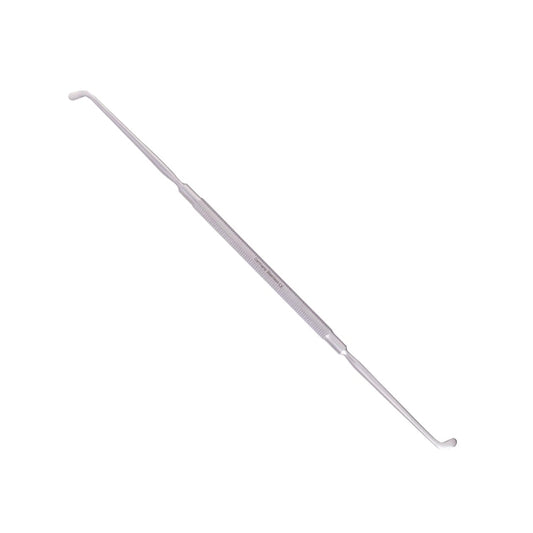
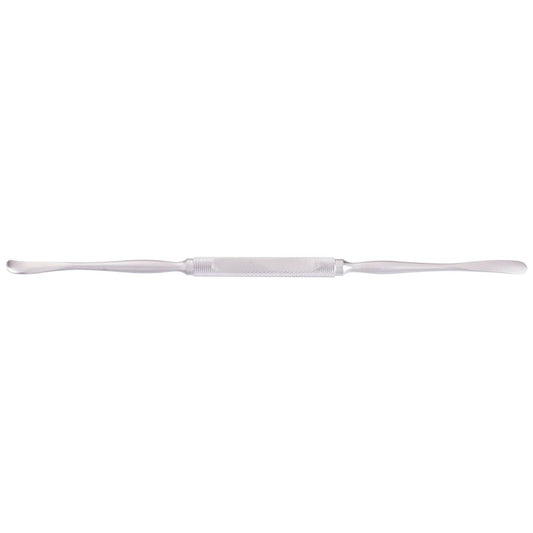
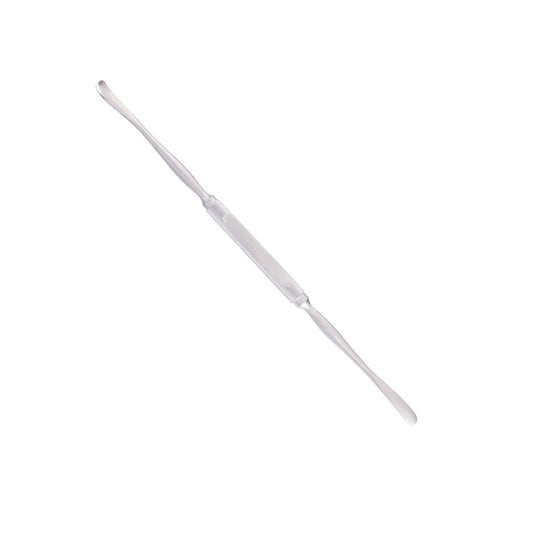
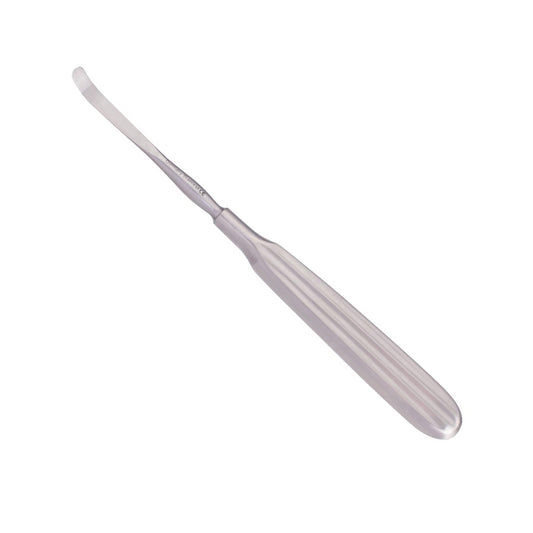
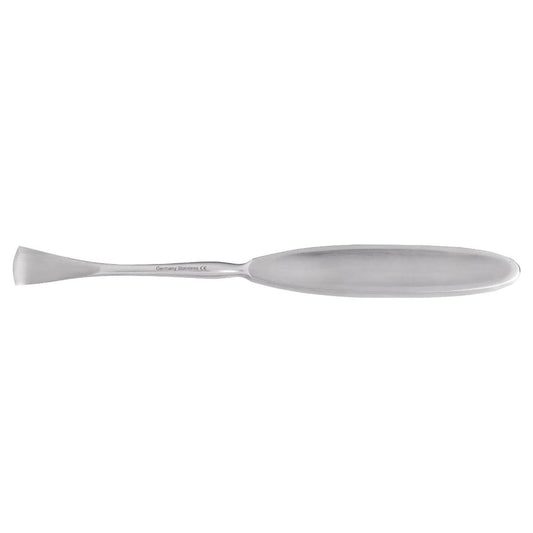
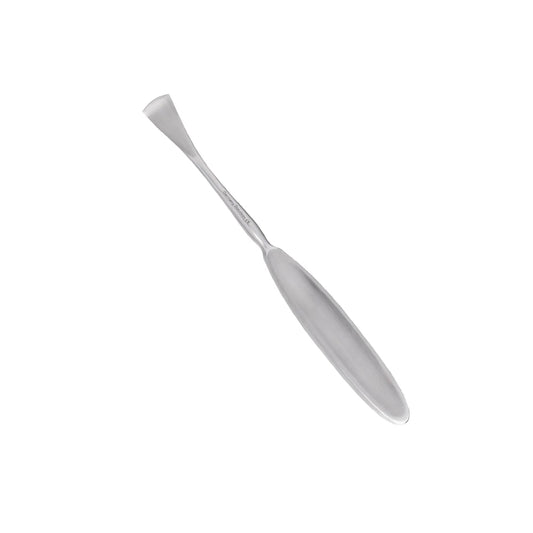
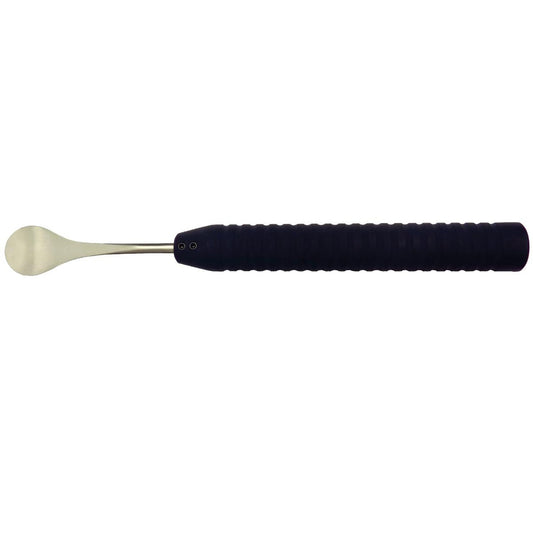
Bone and periosteal elevators separate periosteum from bone, and how cleanly that separation is made decides how well the bone heals afterwards. Peak Surgicals stocks 34 patterns for orthopedic work, from Sayre Double Ended Elevators ($6.33) to Cushing Little Joker Elevator ($17.60), all in German stainless steel and CE marked and built under ISO 13485. Compare all 34 patterns in the grid below.
Why the Periosteum Is Lifted, Never Cut
The periosteum carries the blood supply to the outer cortex, which is why it is lifted rather than cut. Elevated cleanly, it retracts with its vessels intact, and that does two things at once: it reduces bleeding in the field, and it preserves the layer the bone will draw on to heal.
The instrument is used as a lever, not a scraper. The blade stays flat against bone and the hand works a fulcrum, so the plane opens ahead of the edge instead of the edge digging into it. Two failures follow from getting that wrong. Too much force shreds the periosteum or gouges cortex; losing the plane leaves a buttonhole tear through the flap. A dull elevator causes both, because a blunted edge has to be pushed rather than guided. Reattachment then takes roughly thirty days to regain useful strength, not the few days often assumed. We supply every pattern at MOQ 1.
Broad Blades: Cobb, Key and the Raspatory Patterns
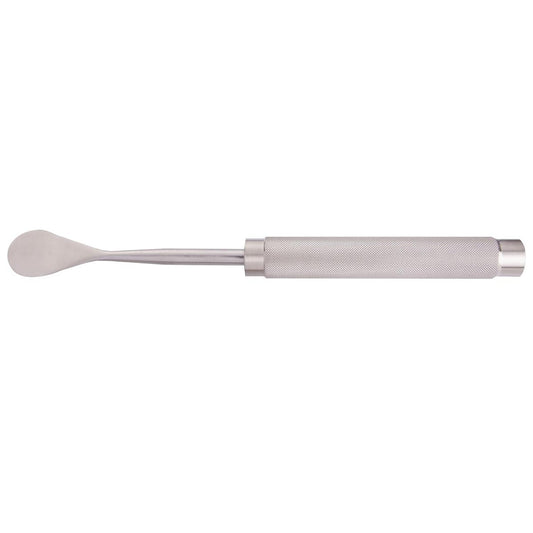
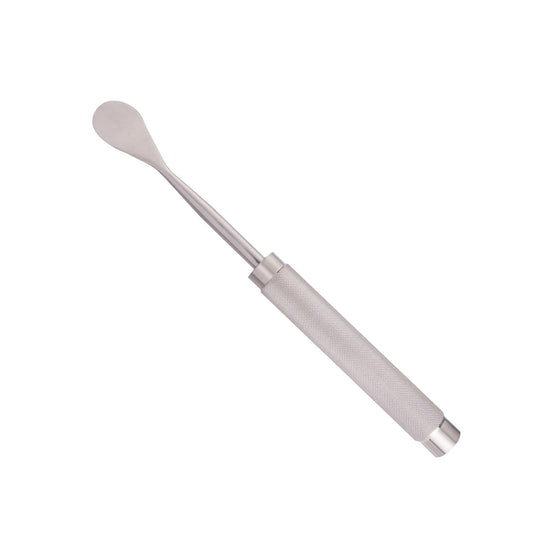
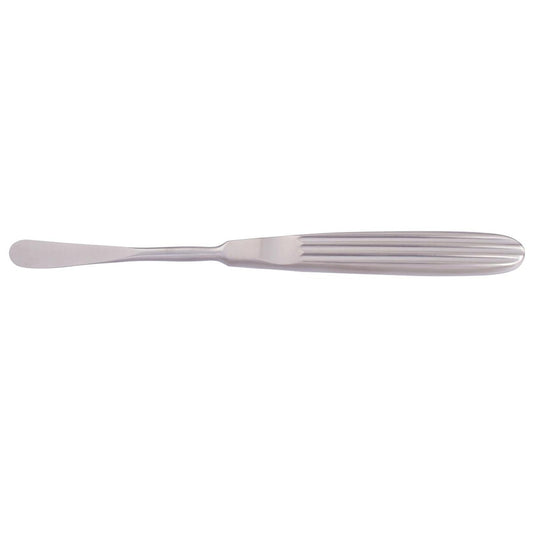
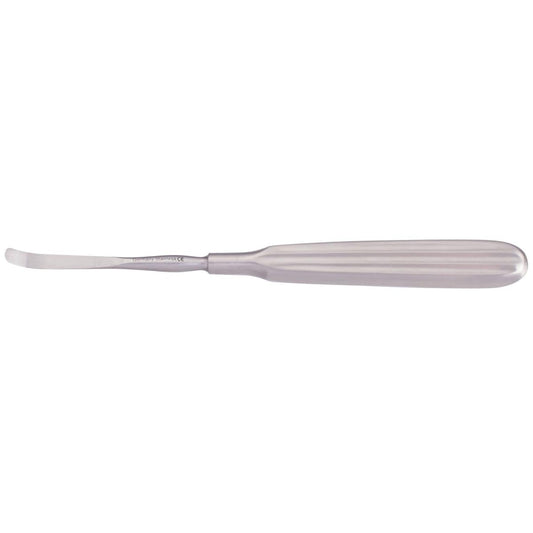
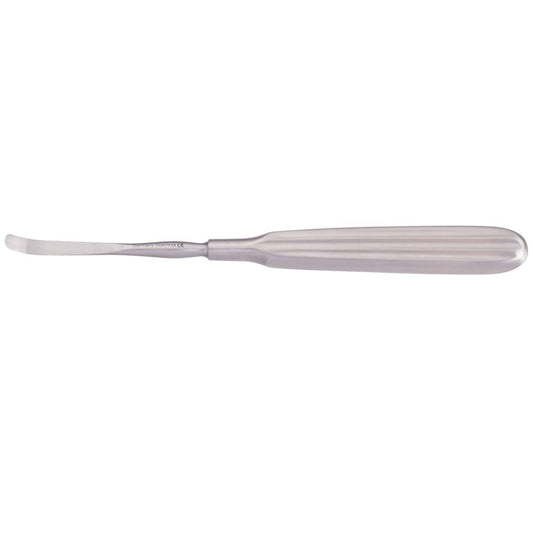
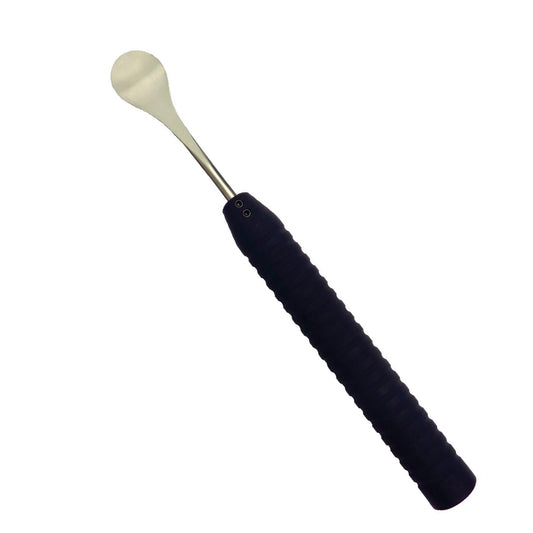
Blade width follows the surface being cleared. Broad patterns strip long runs of cortex in spinal and large-bone exposure, where a narrow edge would leave a ragged margin. Cobb Elevator (from $10.45), Cobb Type Elevators ($10.34), Cobb Dawson Elevator (from $12.10), and Jumbo Grip Cobb Elevator (from $14.30) cover that end, the last adding a wider handle for grip under load. Key Periosteal Elevators (from $4.95) run a full width ladder across seven models.
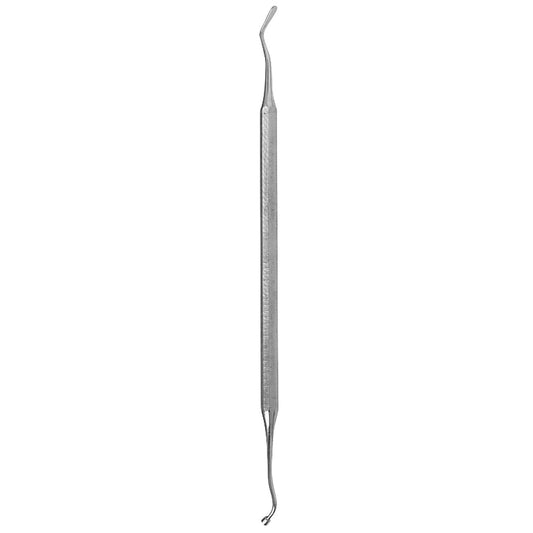
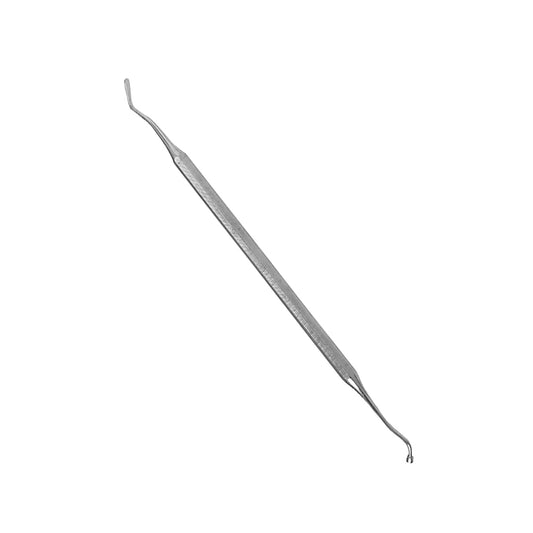
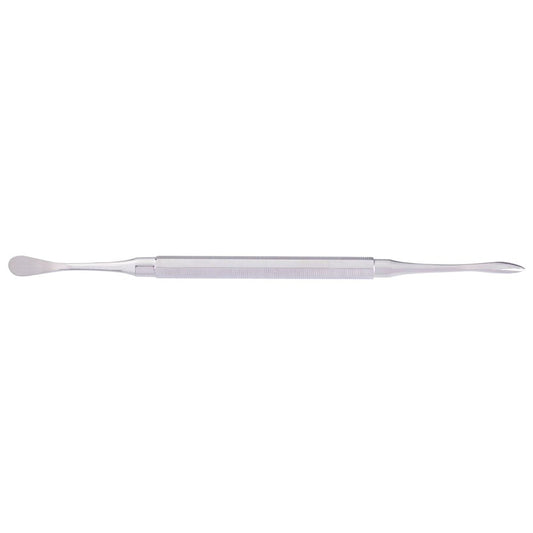
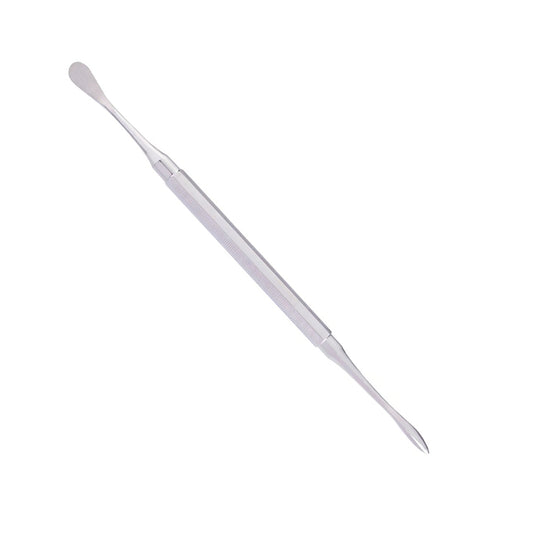
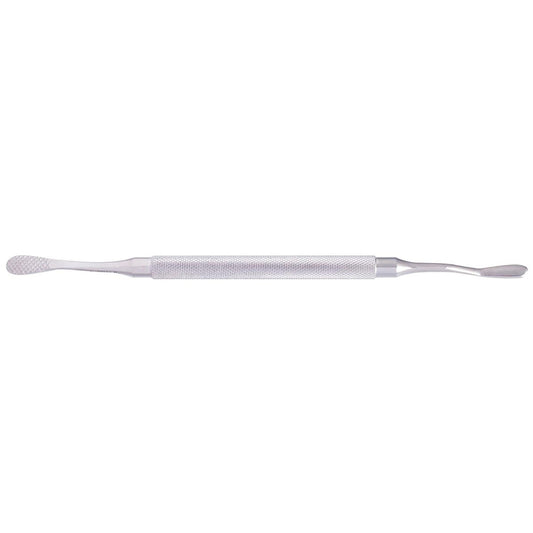
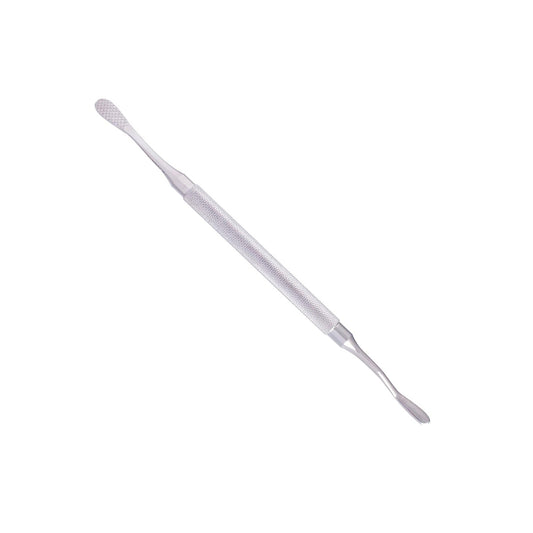
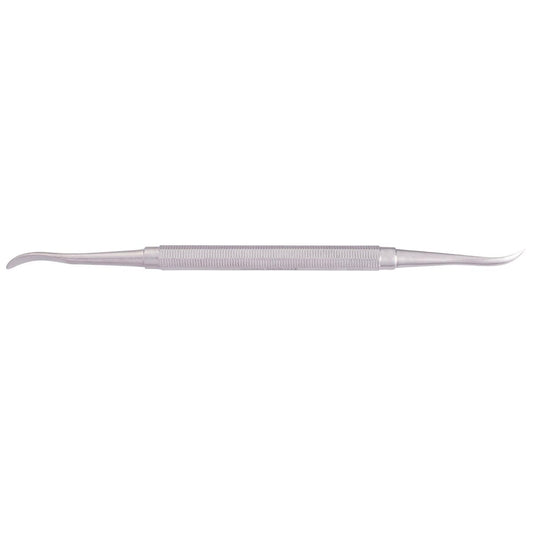
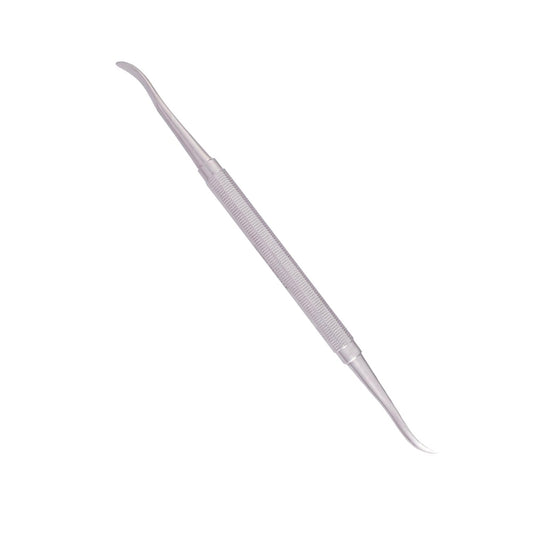
Chandler Bone Elevators (from $11.00) and Crego Elevators (from $11.22) handle long bone exposure where the blade has to follow a curved shaft, and Langenbeck Periosteal Elevator Instruments ($16.50) and Sayre Double Ended Elevators ($6.33) are the classic raspatory patterns, double ended so one instrument carries two working profiles.
Fine Blades: Adson, Hoen, Cushing and Molt
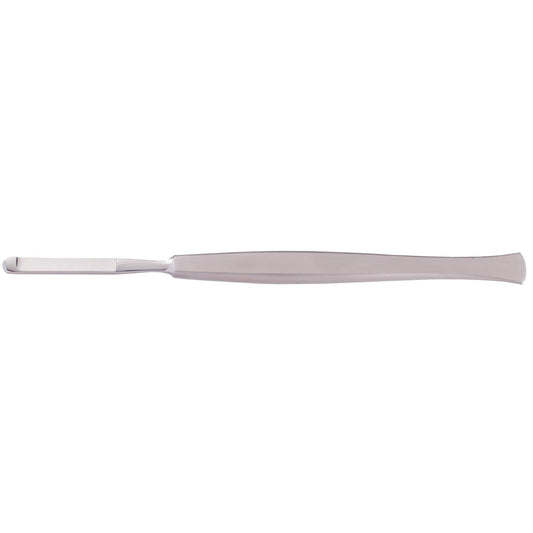
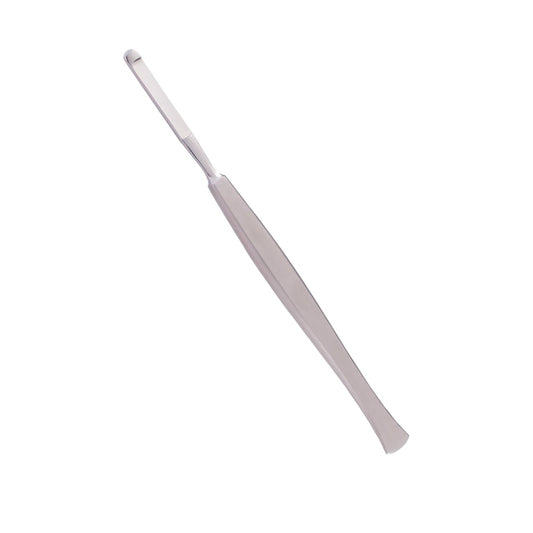
Fine patterns take over where the bone is small or the flap is thin. Adson periosteal elevators are the most requested of these, supplied here across several blade widths and lengths, including Adson Periosteal Bone Elevator ($16.50) and Love Adson Periosteal Elevator 164mm ($6.38) for close work. Hoen Periosteal Elevators (from $7.70) offer the same fine profile in graduated sets of three.
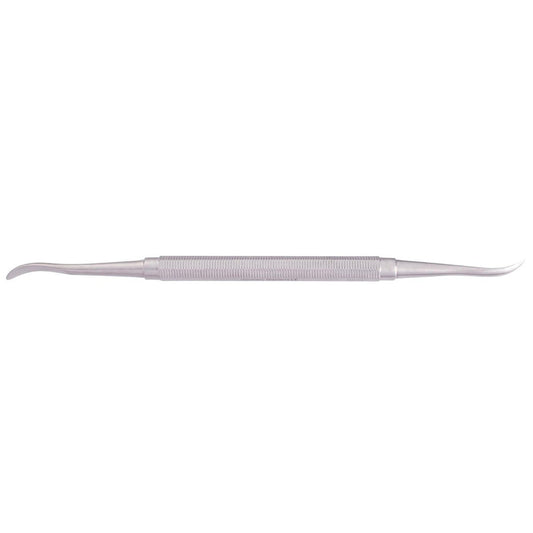
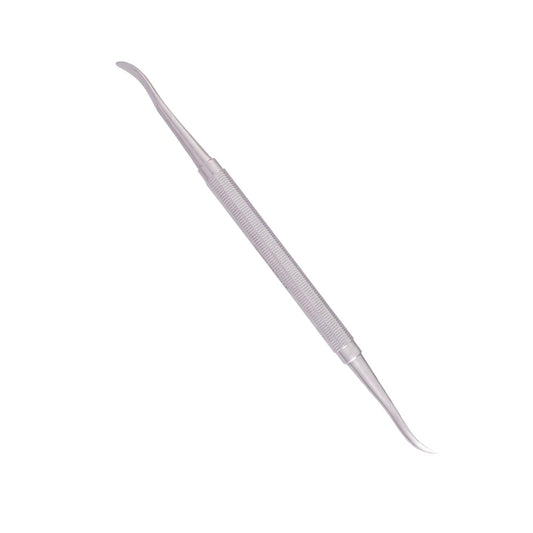
Cushing patterns sit alongside them for neurological and fine bone exposure: Cushing Bone Elevators ($7.15), Cushing Elevators Curved ($7.15), Cushing Elevator ($11.00), and Cushing Little Joker Elevator ($17.60), the last carrying the angled tip the pattern is known for. Molt Type Periosteal Elevator ($16.50), Seldin-type Periosteal Elevator ($11.00), and Woodson Elevator and Spatula ($16.50) complete the fine range with double ended blade and spatula combinations.
Straight, Curved or Duckbill?
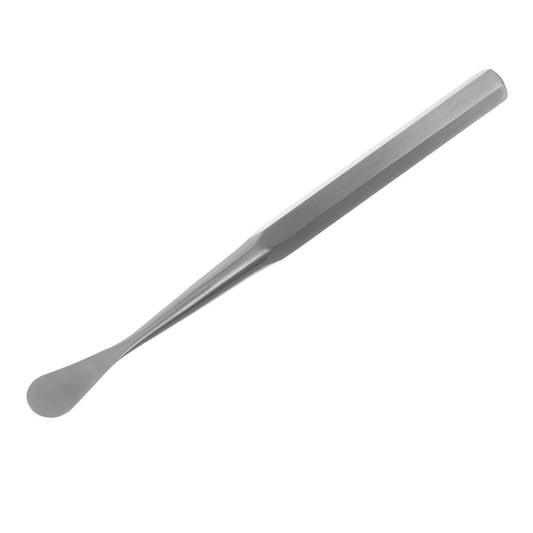
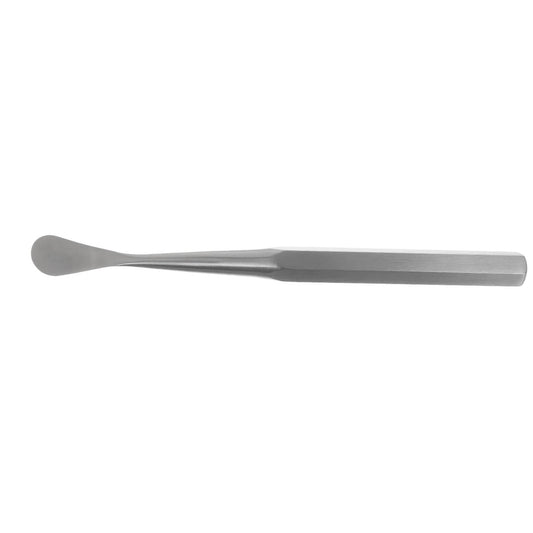
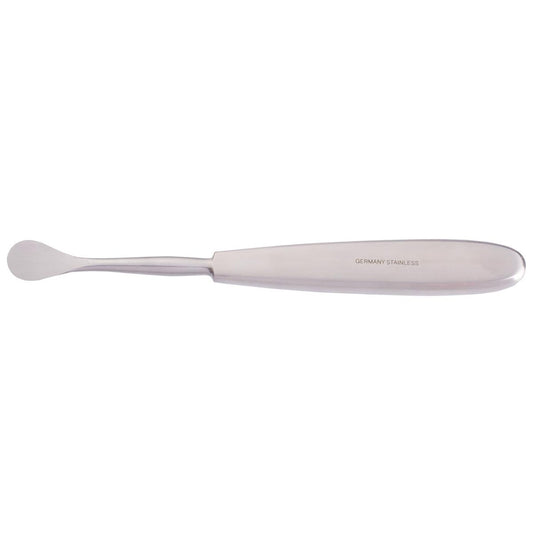
Tip geometry is the last variable and it decides how the edge meets bone. A straight blade enters along the axis of the shaft and suits an open approach. A curved blade lets the hand sit off the line of the cut, which matters when the shaft would otherwise block the view. A duckbill tip presents a rounded, spatulate edge that slides under periosteum without a corner to catch: Austin Duckbill Elevator ($11.00) and Guilford Wright Duckbill Elevators ($3.85) cover that profile.
Named regional patterns fill the rest. Carroll Type Periosteal Elevator ($16.50) and Dingman Periosteal Elevator ($13.20) are configured for their respective approaches, and Obwegeser Type Periosteal Elevators (from $4.95) carry narrower blades for tight access.
Dissectors and Knives: The Rest of the Collection
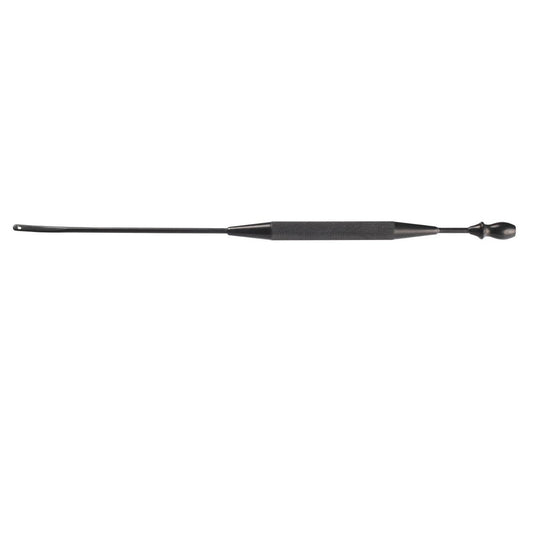
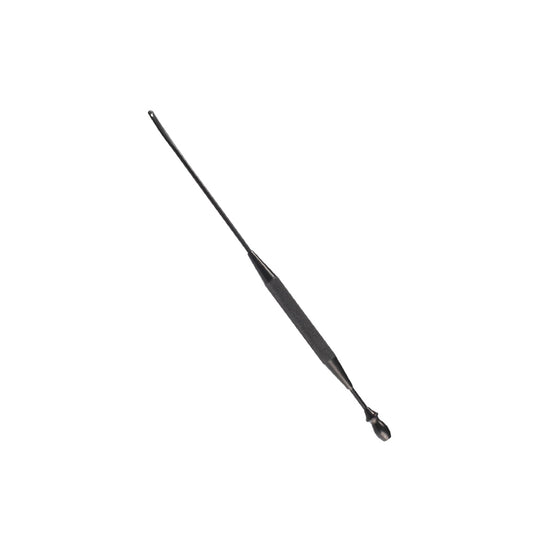
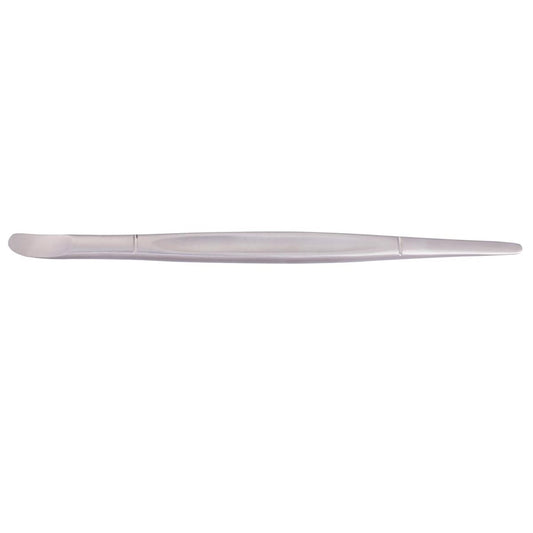
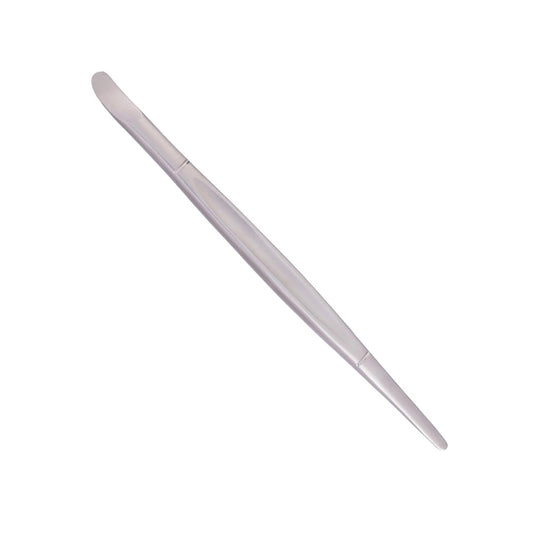
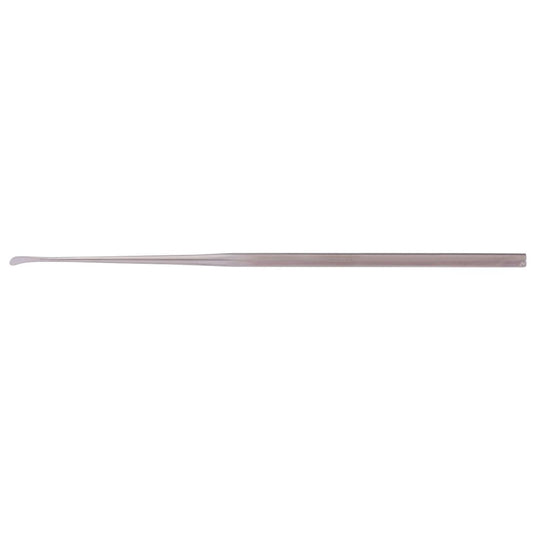
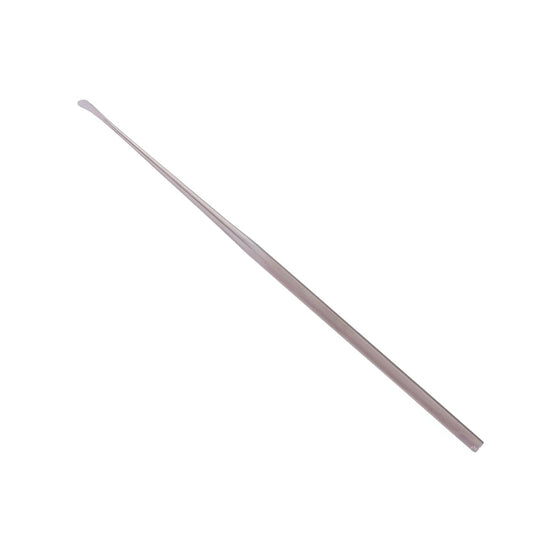
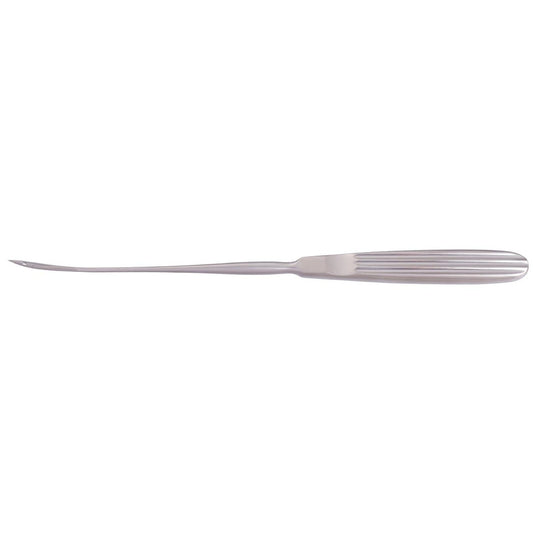
Not every instrument here is a periosteal elevator. The Hamrick Suction Dissector and Elevator ($16.50) combines elevation with active suction, clearing fluid and debris from the working plane as it separates tissue, useful where visibility in a wet field would otherwise slow the dissection. The Woodson Dural Separator and Packer ($11.00) performs a related but distinct task, separating dura from surrounding bone and packing the plane once it's open, rather than working the periosteum of a long bone. The Joseph Button End Knife ($16.50) and Pennington Septum Elevator and Dissector ($16.50) are cutting and septal-dissection patterns carried over from rhinologic and craniofacial work, grouped here as crossover instruments alongside the orthopedic elevator range rather than being orthopedic-specific themselves. The Obwegeser Type Zygomatic Arch Awl ($16.50) is a piercing instrument for the zygomatic arch, distinct in function from any of the elevating patterns above.
Material, Reprocessing and Certification
Every pattern is forged from German stainless steel and passivated for corrosion resistance across repeated cycles. The inspection point is the working edge, and it matters more here than on most instruments: hold the blade to light and check for rounding or nicks, because a dull elevator has to be pushed rather than guided, and pushing is what tears periosteum and slips into bone. Check the blade is true across its width with no warp, and on double ended patterns check both ends. Clean immediately with a neutral-pH enzymatic solution, working debris off the blade before it dries, then rinse with deionised water and dry fully before autoclaving at 134°C.
These are Class I reusable devices, CE marked and built under ISO 13485, with a one-year manufacturing warranty. We ship at MOQ 1 with free shipping over $99, and OEM production is available for distributors. See Bone Files and Rasps for surface preparation, or browse all Orthopedic Instruments. Talk to us about OEM terms.