Nails, Wires & Pins
This collection covers the smaller-diameter fixation hardware used alongside or instead of plates and screws — intramedullary nails and pins for long bone fixation, and wires for fragment fixation, cerclage, and guided placement.
Kirschner Wires and Pins
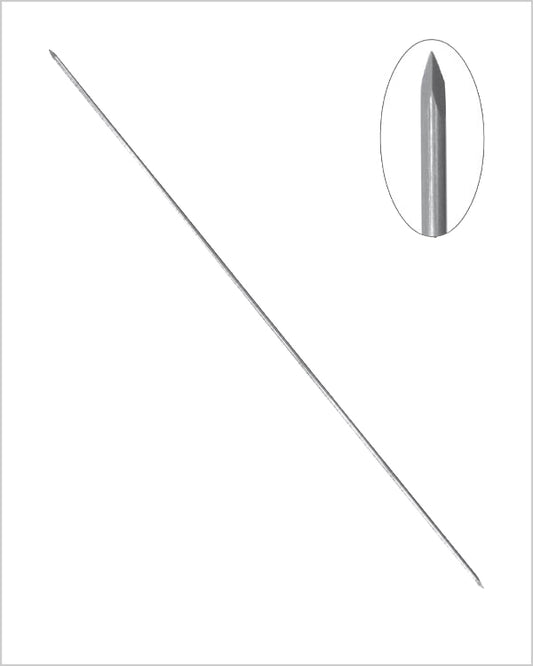
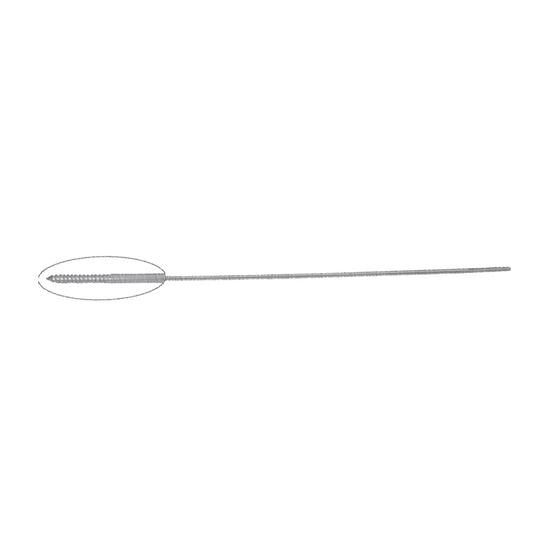
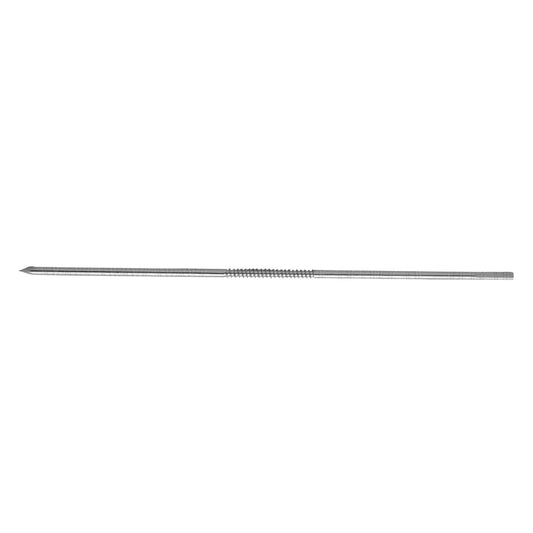
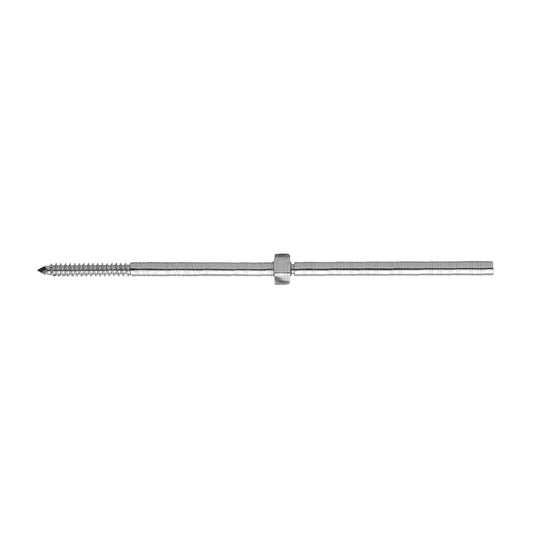
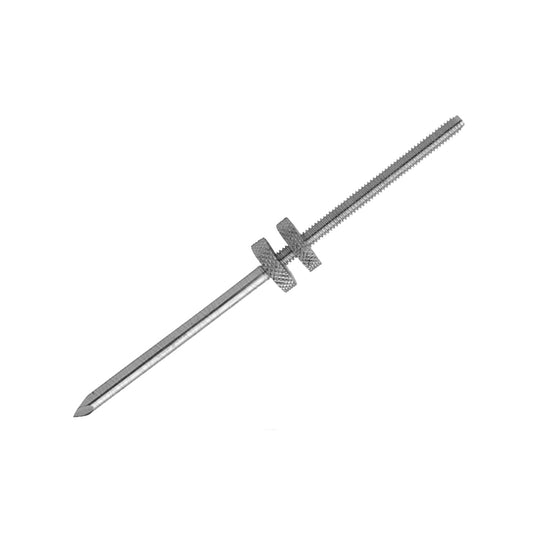
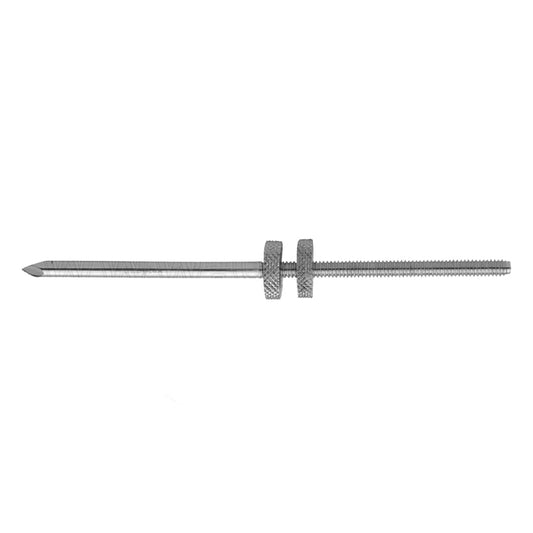
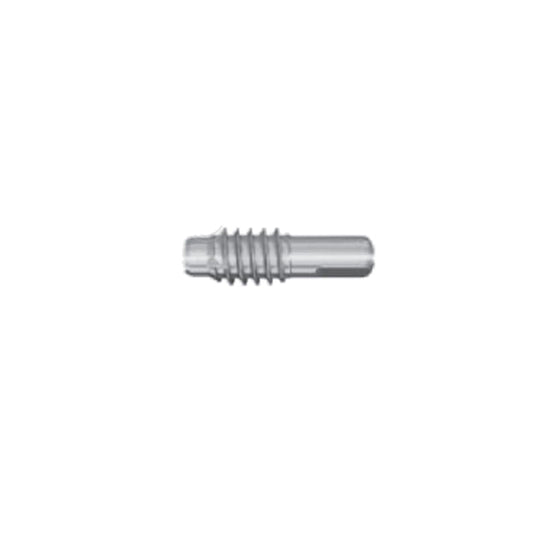
Kirschner Wires (K-wires) are supplied with a smooth trocar tip on both ends or with a partial thread, used for temporary fixation, guided drilling, or fragment stabilization across a wide range of procedures. Steinmann Pins, including the centrally threaded (Denham) variant, provide a heavier-gauge option for traction or fixation of larger bone fragments. The Knowles Pin is used specifically for femoral neck fixation, and the Austin Moore Pin (Ø3.0mm, with 2 nuts) is the matching fixation pin for Austin Moore hip prosthesis stems.
Wires and Staples
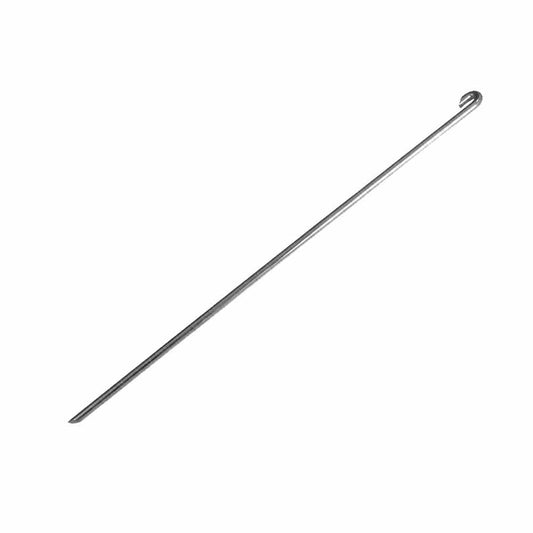
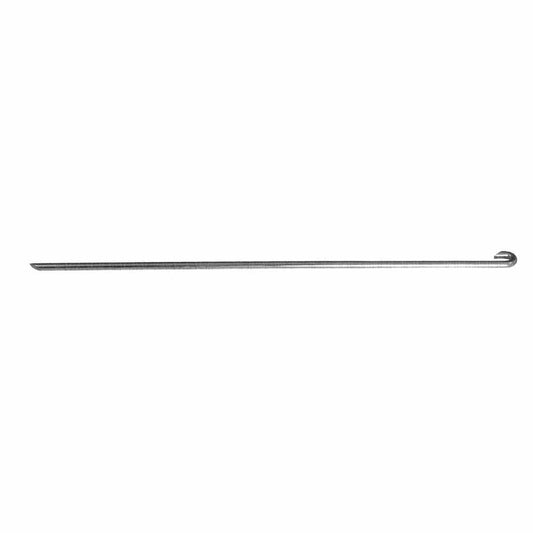
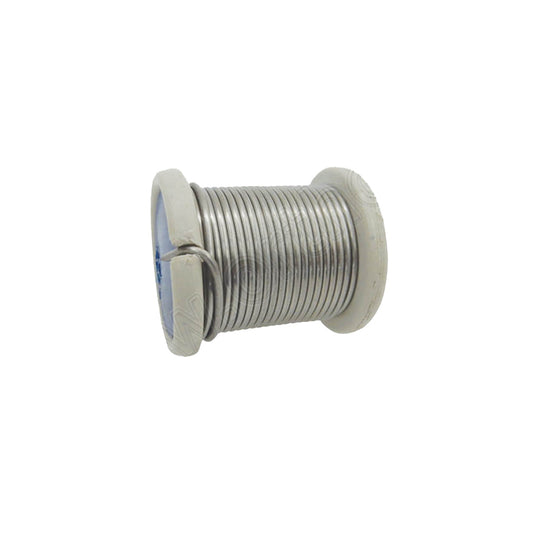
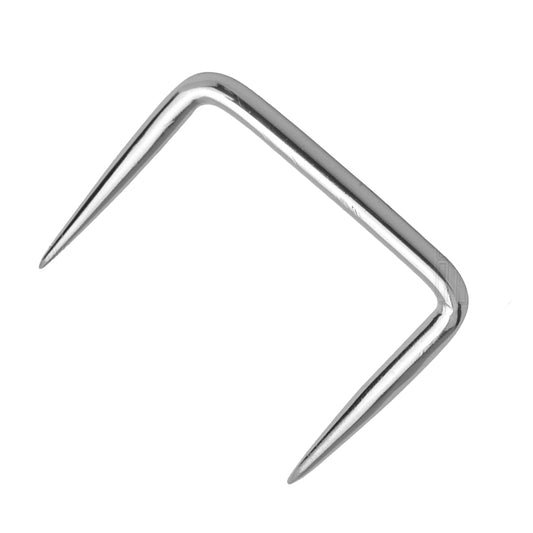
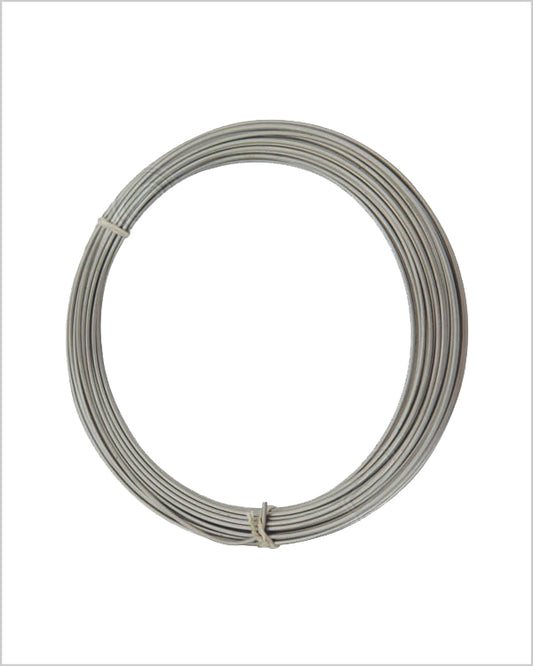
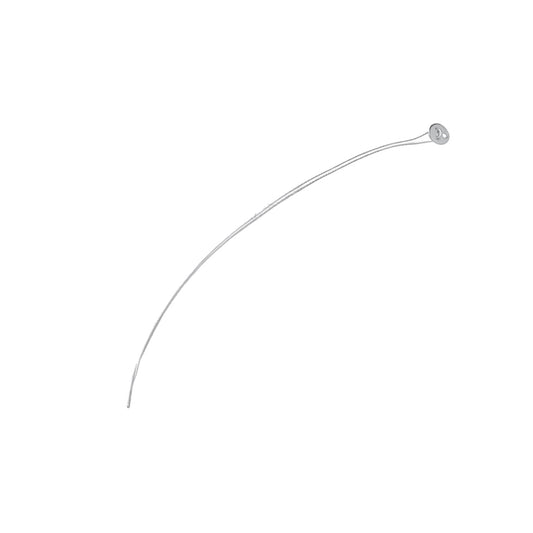
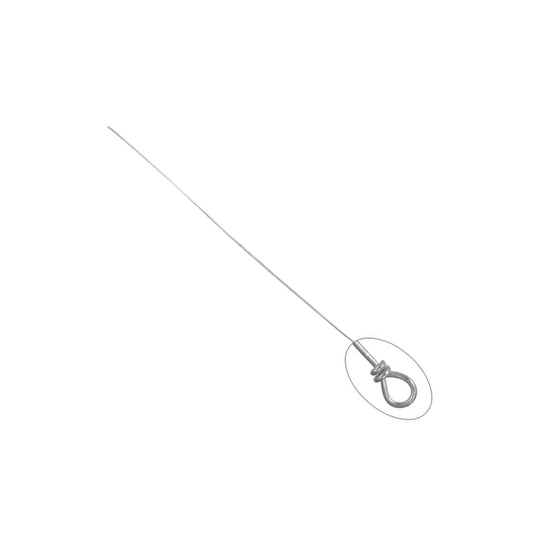
Suture Wire (straight and in-coil form) and Cerclage Wire with Loop are used to bind and compress bone fragments directly, commonly in fracture patterns where a plate alone doesn't provide adequate fragment control. Drummer Wire serves a related fixation role. Staples — in U-Type and Coventry patterns — provide a simpler fixation option for epiphyseal or smaller bone fragment stabilization.
Flexible and Intramedullary Nails
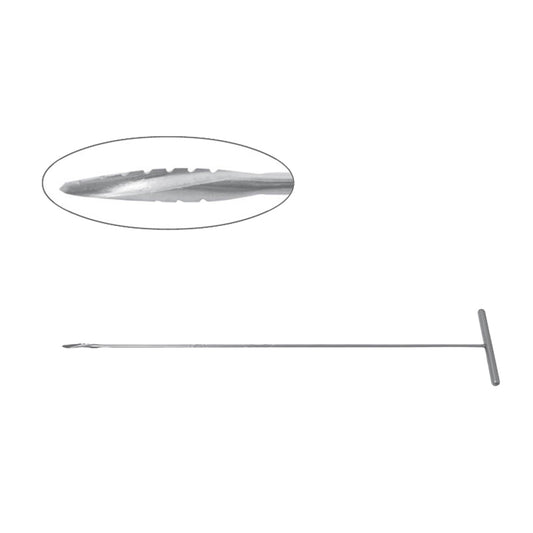
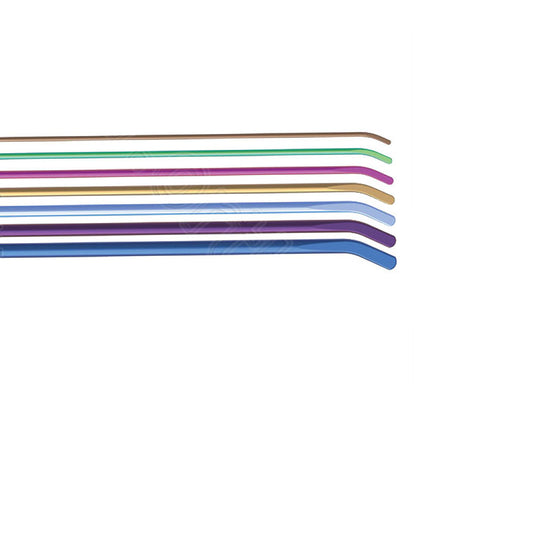
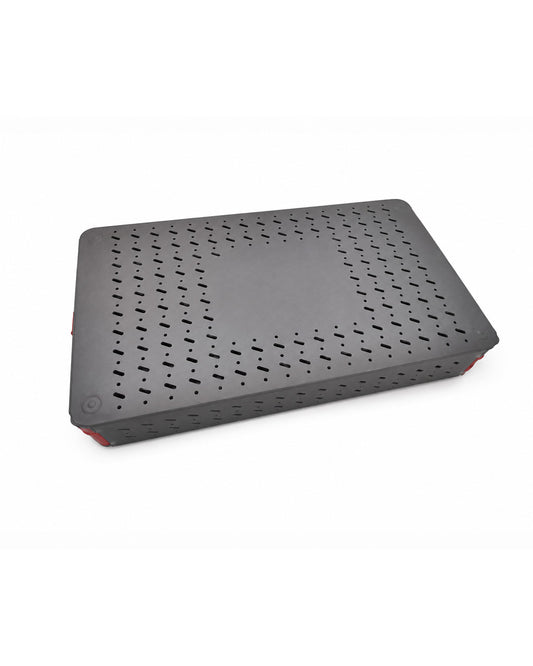
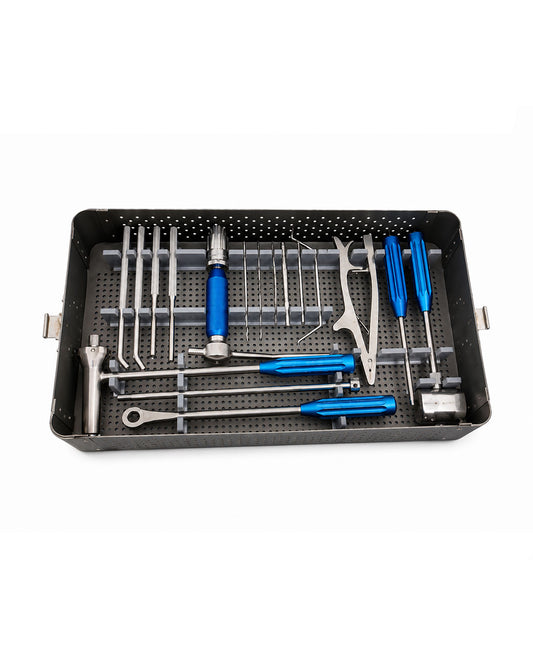
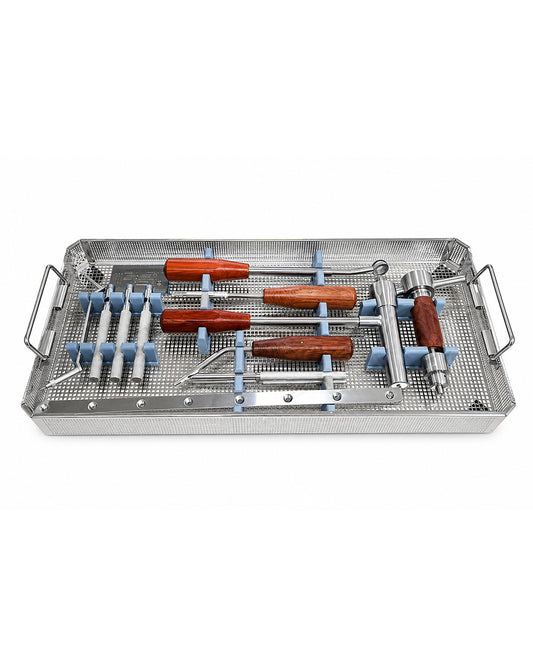
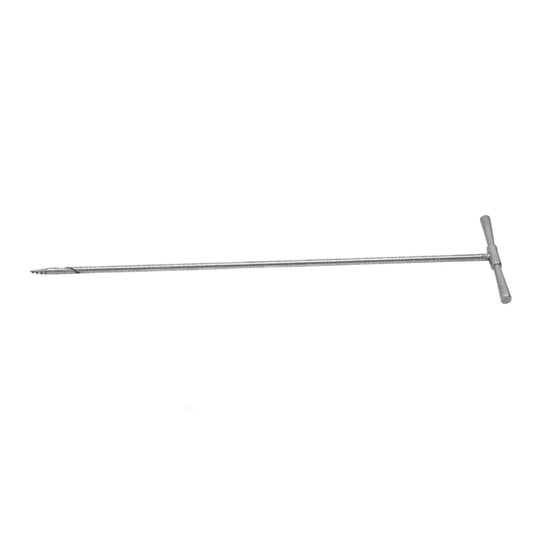
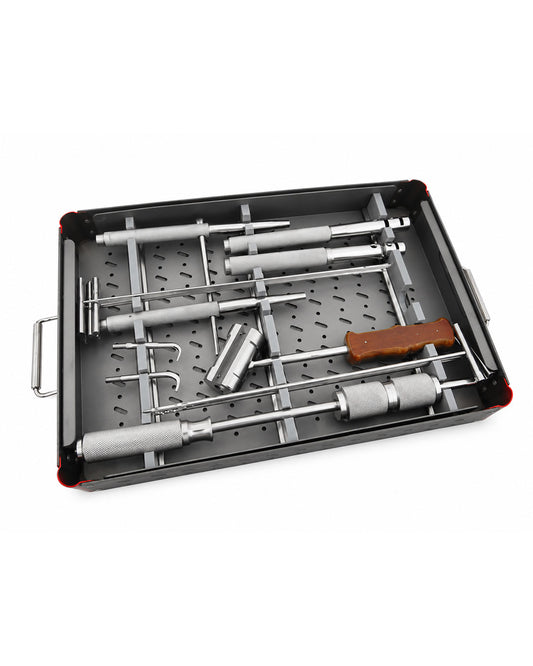
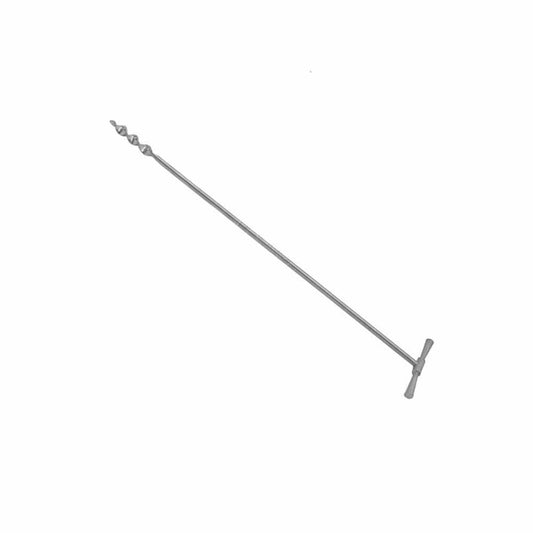
TENS Elastic Nails (Titanium Elastic Nail System) are flexible intramedullary nails used primarily in pediatric long bone fracture fixation, where preserving the growth plate rules out rigid fixation hardware — supported by matching End Caps (titanium and stainless steel) and dedicated instrument sets for insertion and removal. Rush Nails, an older flexible intramedullary fixation system, are supported by their own Rush Nail Reamers and Rush Nail Instruments Set (2.0–6.0mm reaming and extraction system). The Straight Kuntscher Cloverleaf Nail is a classic non-locking intramedullary nail for femoral shaft fixation, supported by its own K Nail Reamers and Excel Reamer (T-Type).
Choosing the Right System
Pediatric long bone fractures, where growth plate preservation matters, generally call for TENS elastic nails over rigid hardware. Fragment fixation needing direct compression favors cerclage or suture wire over a wire that's purely for guidance. K-wires suit temporary fixation or guided placement, while Steinmann pins suit heavier traction or larger fragment needs. A Rush or Kuntscher nail represents an older, non-locking intramedullary fixation approach, generally superseded by interlocking nails for most adult shaft fractures but still in use in specific settings.
Related Products
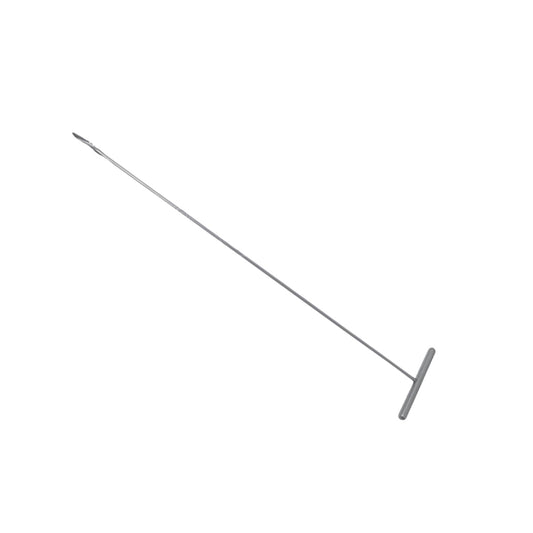
Pair this hardware with Interlocking Nails for locked intramedullary fixation, Hip Prosthesis for Austin Moore pin compatibility, and Wire Circling Needles and Wire Cutting and Extracting Instruments for placement and removal support. Browse the full Orthopedic Implants catalog for the complete range.
Ordering
Peak Surgicals manufactures nails, wires, and pins for hospitals and distributors worldwide, with international shipping — contact our team for current stock and wholesale pricing.
Frequently Asked Questions
What's the difference between a Kirschner wire and a Steinmann pin?
A Kirschner wire is thinner, used for temporary fixation or guided placement. A Steinmann pin is heavier-gauge, used for larger fragment fixation or skeletal traction.
What is a TENS elastic nail used for?
TENS (Titanium Elastic Nail System) nails are flexible intramedullary nails used mainly in pediatric long bone fractures, where their flexibility allows fixation without disturbing the growth plate.
What is cerclage wire used for?
Cerclage wire loops directly around a bone fragment to compress and stabilize it, often used alongside a plate or nail in fracture patterns needing additional fragment control.
Is a Rush nail the same as an interlocking nail?
No. A Rush nail is an older, non-locking flexible intramedullary fixation system, while an interlocking nail uses locking screws at both ends for rotational and axial control — interlocking nails have largely superseded Rush nails for most adult long bone fractures.
What is an Austin Moore pin used for?
It's the fixation pin matched to an Austin Moore hip prosthesis stem, used to secure the prosthesis during hemiarthroplasty.