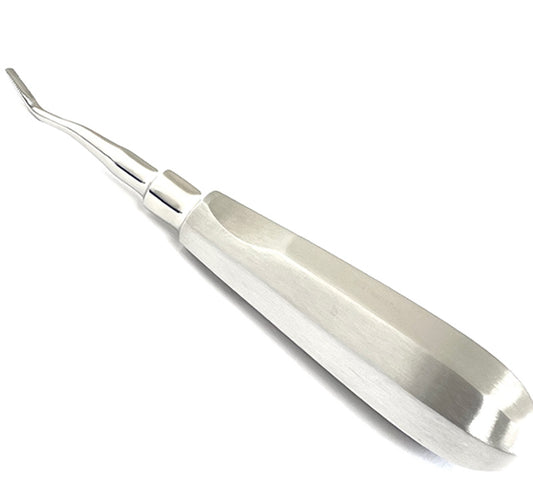
Dental Luxation Elevators (Luxating Elevators)
A luxating elevator — also called a luxator or, in this catalog, a dislocation elevator — is a hand instrument used to loosen a tooth's attachment to the periodontal ligament before extraction. Unlike a traditional elevator, which relies more on leverage against bone, a luxator's thin, sharp blade is worked down along the root surface to sever the ligament fibers directly, reducing the force needed from forceps afterward and lowering the risk of root fracture or bone damage during removal.
What's in This Collection
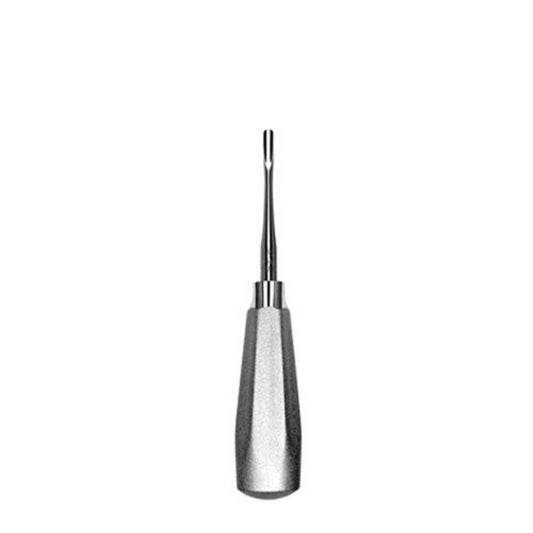
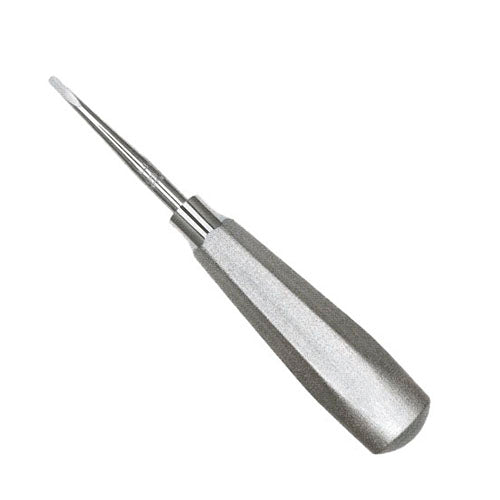
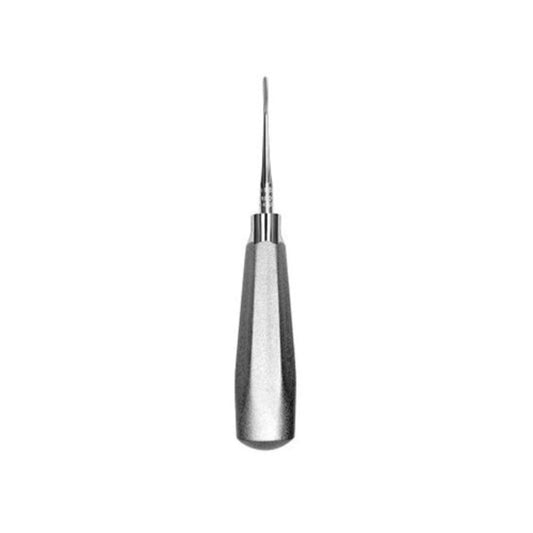
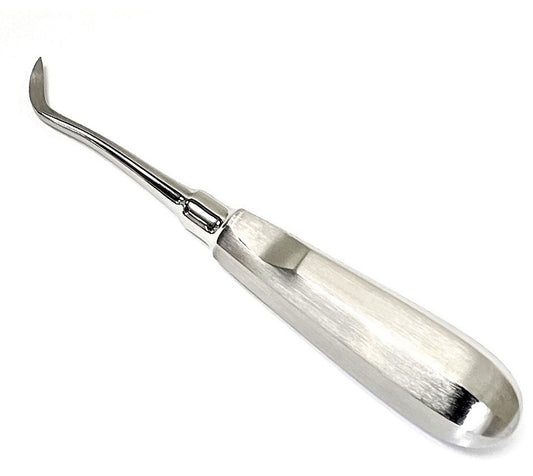
The Straight Dislocation Elevator (2mm & 3mm) and Curved Dislocation Elevator cover the two core blade geometries: a straight blade for direct, in-line access to anterior teeth, and a curved blade for reaching around root curvature or accessing posterior teeth at an angle. The standard Dislocation Elevator rounds out the core sizing range for general extraction work. The Universal Dental Elevator is designed for broader, general-purpose loosening across tooth types rather than one specific access angle, making it a common first-choice instrument before switching to a more specialized luxator. The Spade Elevator Handle uses a flat, wedge-shaped tip suited to initial engagement at the gumline before deeper luxation begins.
Choosing the Right Elevator
Blade curvature should match the tooth's position and root shape more than jaw alone — a straight blade suits accessible anterior teeth in either arch, while a curved blade often works better for posterior teeth or roots with pronounced curvature, including many mandibular (lower jaw) molars where a straight approach is harder to seat. Blade width (2mm vs 3mm) should scale with root size: narrower blades for smaller anterior teeth, wider blades for larger posterior roots.
Related Instruments
A luxating elevator is typically the first instrument used before forceps complete an extraction. Pair this collection with our Dental Extracting Forceps and American Pattern Extraction Forceps for the removal step itself, or browse Dental Elevator Sets for a bundled kit covering multiple blade patterns at once. For a complete extraction tray, see Dental Extraction Kits, or browse the full Dental Extraction Instruments category for everything else needed alongside elevators and forceps.
Ordering
Peak Surgicals manufactures and supplies dental luxation elevators in bulk for clinics, dental schools, and distributors worldwide, with international shipping and custom logo branding available on request — contact our team for a wholesale quote.
Frequently Asked Questions
What's the difference between a luxating elevator and a regular dental elevator?
A luxating elevator has a thinner, sharper blade designed to be worked along the root surface to sever the periodontal ligament directly, while a standard elevator relies more on leverage against surrounding bone.
What's the difference between a straight and curved luxating elevator?
A straight blade suits direct, in-line access — typically anterior teeth — while a curved blade is shaped to reach around root curvature or access posterior teeth at an angle.
What are the types of dental luxators?
Common types include straight and curved blade luxators in various widths, plus universal elevators for general-purpose use across tooth types, each matched to root shape, tooth position, and arch location.
Is a luxator the same as a dislocation elevator?
Yes — "luxator," "luxating elevator," and "dislocation elevator" all refer to the same category of instrument; naming varies by manufacturer and region.