Pelvic Implants & Instruments
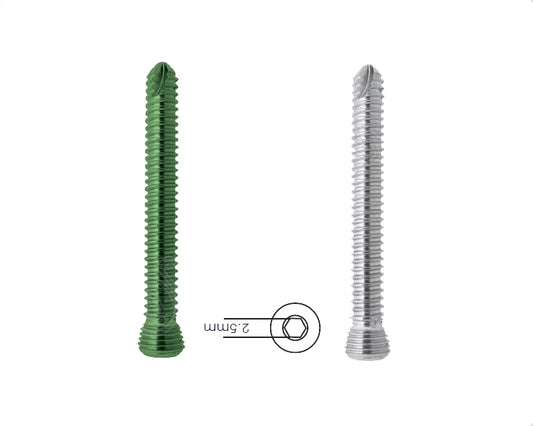
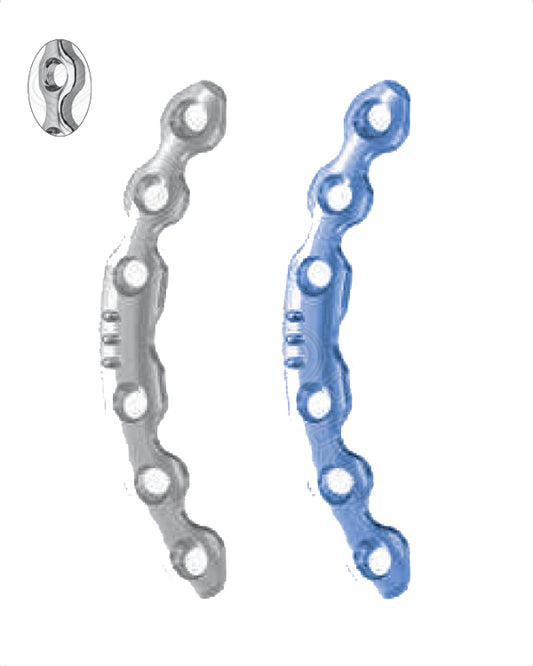
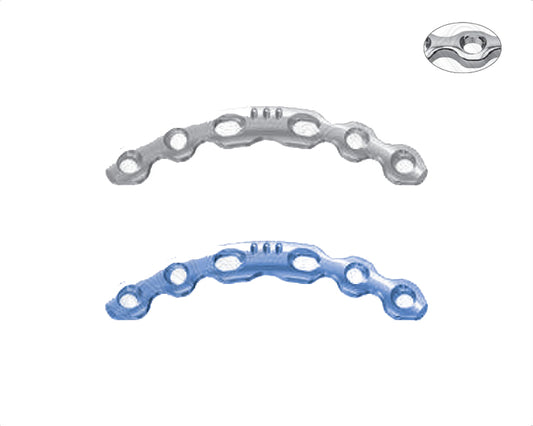
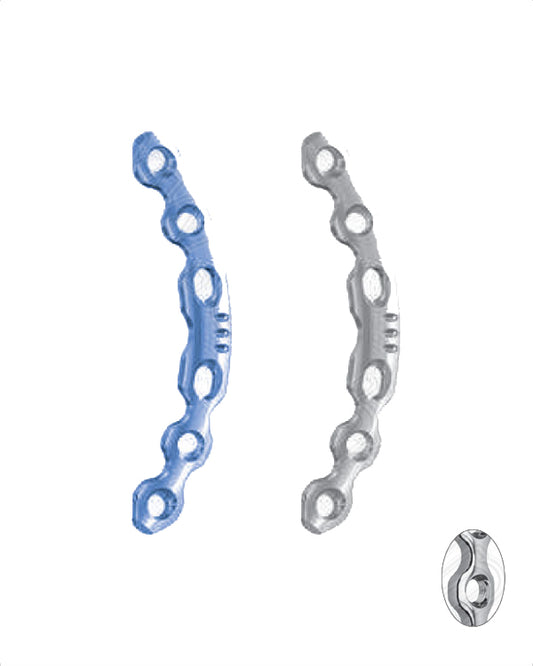
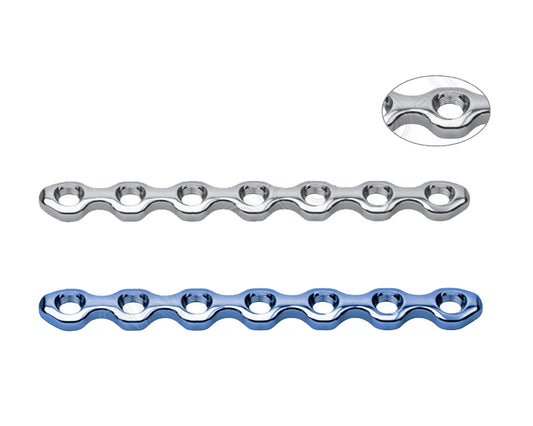
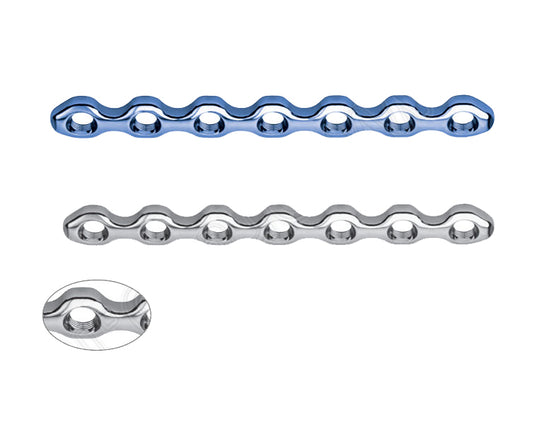
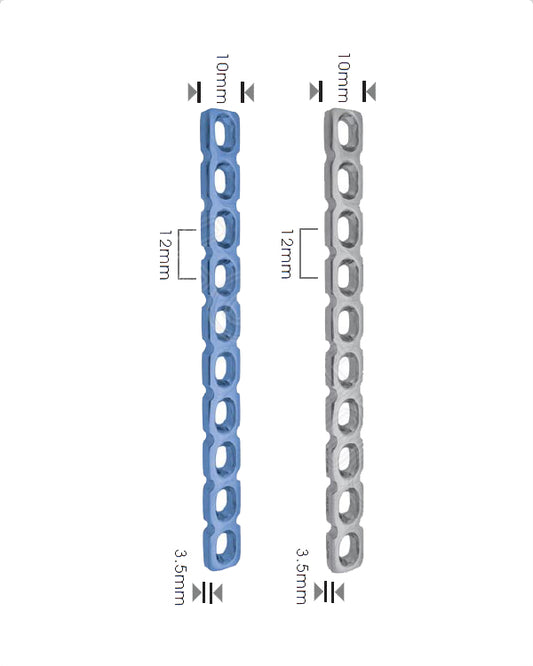
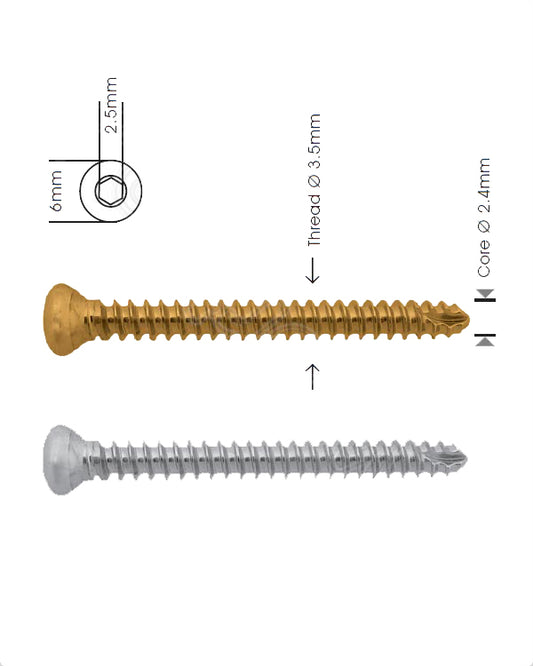
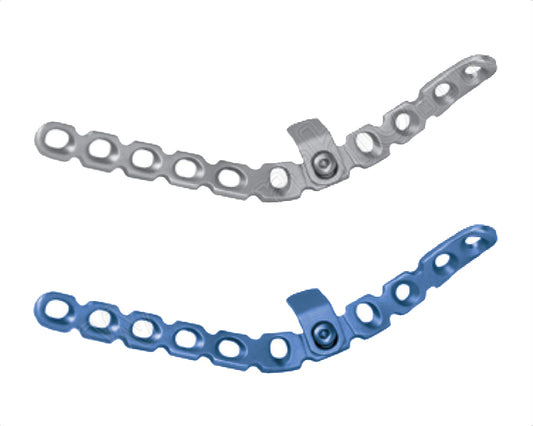
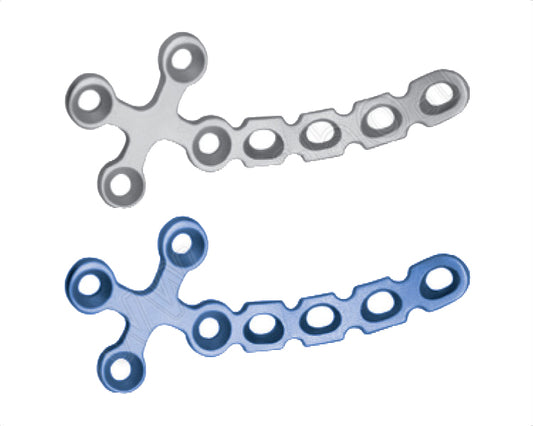
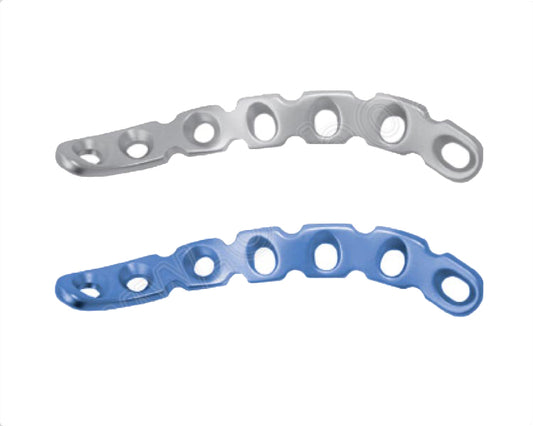
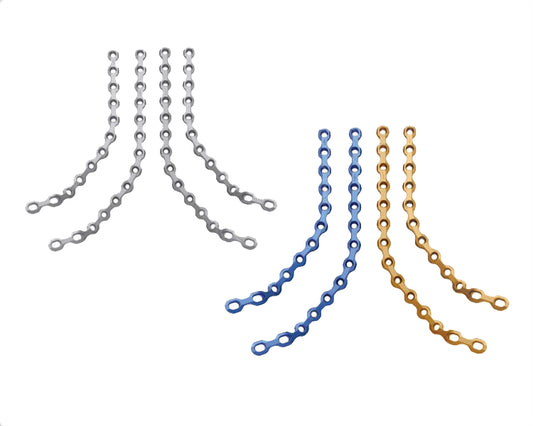
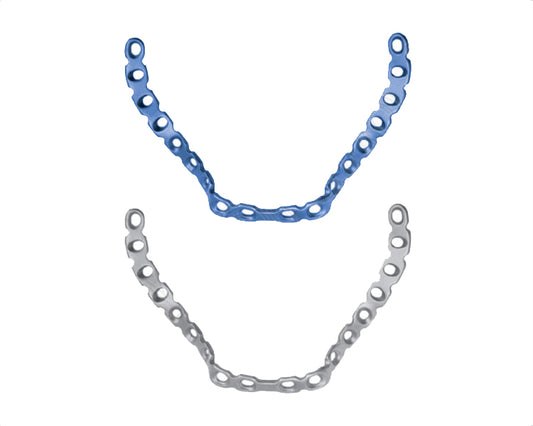
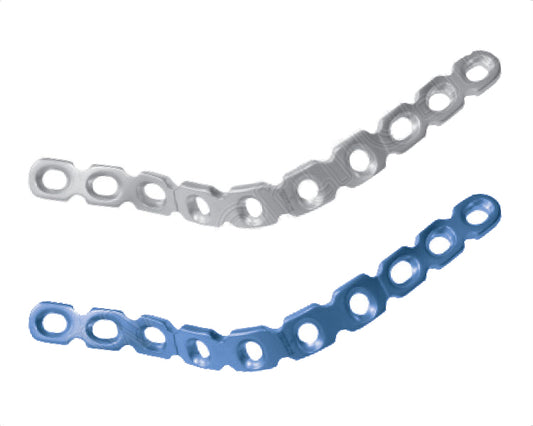
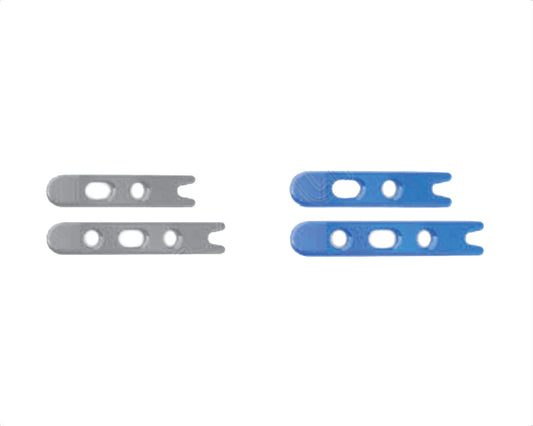
This collection pairs the 3.5mm pelvic and acetabular plate range with its matching fixation hardware — the Safety Lock Screw (Ø3.5mm, Self-Tapping), Safety Lock Screw (Ø3.5mm, Star-Like, Self-Tapping), and Cortex Screw (Ø3.5mm, Self-Tapping) — so a buyer sourcing plates can source the correctly sized screws from the same page.
For the full plate range covered here — symphyseal, reconstruction, sacroiliac, quadrangular, and acetabular patterns — see the complete breakdown on Rib, Pelvic & Foot Implants, which carries the same plates alongside rib and distal tibia/fibula hardware.
Fixation Hardware
A self-tapping screw cuts its own thread as it's driven, reducing the need for a separate tapping step. A safety lock screw threads directly into a matching hole in a locking plate, creating a fixed-angle construct independent of bone quality — the standard choice for the locking-hole plates in this range. A star-like drive pattern gives a more secure driver engagement than a standard hex, reducing cam-out during insertion. Cortex screws, by contrast, are used in the non-locking, standard holes on compatible plates, relying on the plate being compressed against bone rather than a fixed screw-to-plate angle.
Related Products
Pair these screws with Small Fragment Standard and Locking Screws Self Tapping for the broader fixation range, and with Screw Holding Forceps, Taps & Countersinks and Bone Drills for placement. For the plates themselves, see Rib, Pelvic & Foot Implants, or browse the full Orthopedic Implants catalog.
Frequently Asked Questions
What's the difference between a safety lock screw and a cortex screw?
A safety lock screw threads into the plate itself, creating a fixed-angle locking construct. A cortex screw relies on compressing the plate against the bone rather than locking to the plate, and is used in the standard (non-locking) holes on compatible plates.
What does "self-tapping" mean on a bone screw?
A self-tapping screw cuts its own thread into the bone as it's inserted, removing the need for a separate tapping step before screw placement.
Which plates in your catalog use these 3.5mm screws?
The 3.5mm pelvic, reconstruction, sacroiliac, and acetabular plates covered in Rib, Pelvic & Foot Implants use this screw size — check each plate's product page to confirm hole compatibility before ordering.
Why are there two "pelvic implant" collections on this site?
This page and Rib, Pelvic & Foot Implants currently share most of the same plate catalog. We'd recommend treating one as the primary reference for plates and using this page for the fixation screws specifically, to avoid confusion when sourcing.