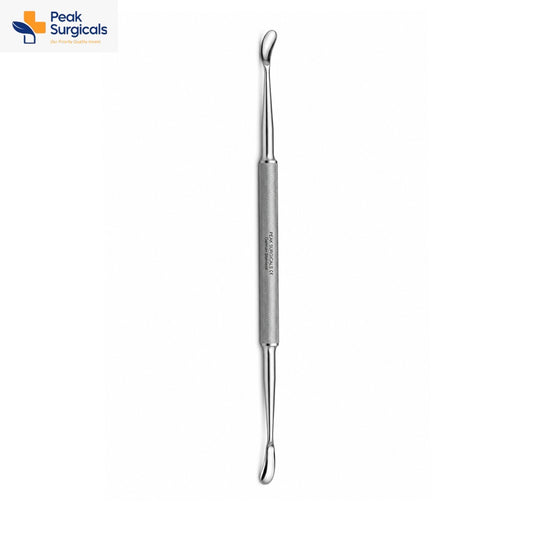
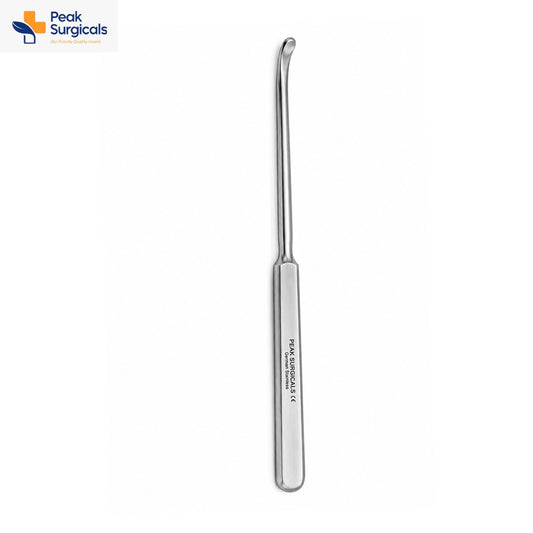
ENT Dissectors for Tonsil and Throat Surgery
Dissection in the throat happens in a narrow, wet and often poorly lit space, so the surgeon needs an instrument with a clear tip, a firm shaft and a reliable feel. Our ENT dissectors collection brings together tonsil dissectors and related patterns for ENT surgeons, residents and hospital purchasing teams who want clearly described instruments at clear prices. Several designs are double-ended, which gives you two working tips in one instrument. Whether you are equipping a main theatre, a day-surgery unit or a teaching hospital, you can compare each pattern and build a set that suits your technique.
Types of ENT Dissectors We Offer
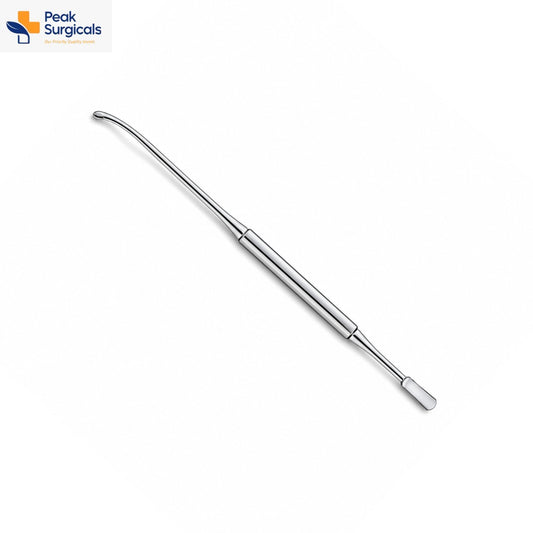
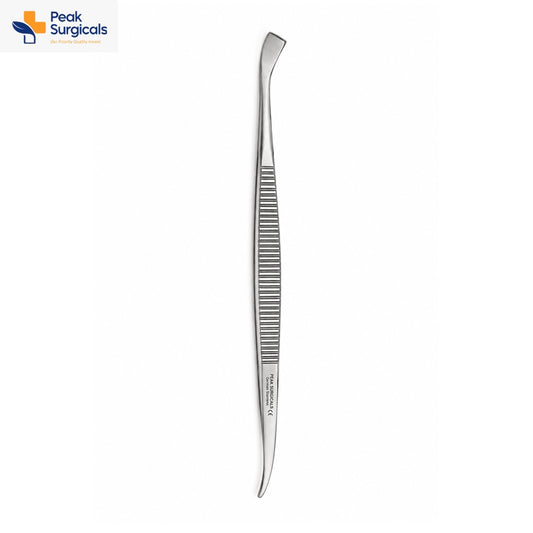
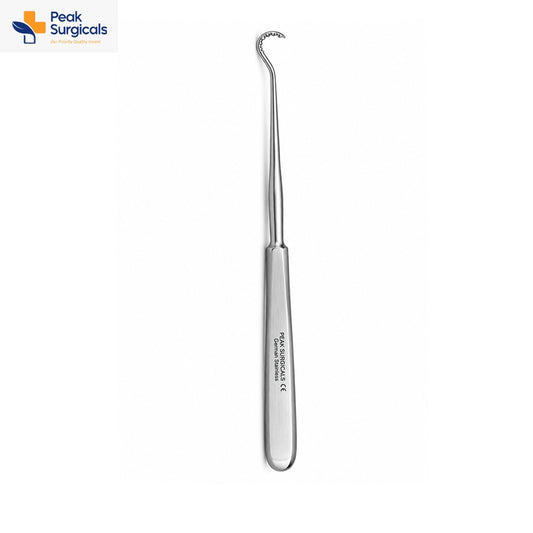
Tonsil dissectors. The Gwynne Evans Tonsil Dissector is a double-ended 197 mm instrument, and the Syme Tonsil Dissector Double Ended offers a similar two-tip design. Both are made to separate the tonsil from surrounding tissue.
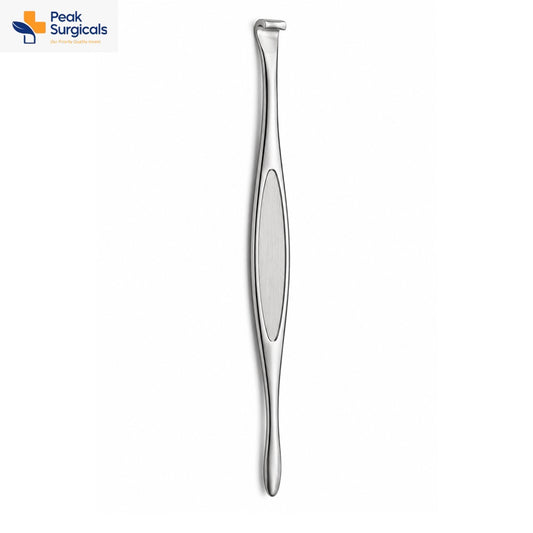
Dissectors with retraction. The Hurd Pillar Retractor and Tonsil Dissector combines dissection with pillar retraction, which reduces instrument changes during the procedure.
Dissectors with suction. The Negus Aspiring Dissector is a 210 mm instrument with an aspirating design, and the Tonsil Popper Sucker Dissector is a 267 mm option that combines dissection with suction.
Compact dissectors. The St Clair Thomson Dissector is a short 159 mm pattern for smaller working spaces.
Why Instrument Quality Matters
A dissector must separate tissue cleanly without slipping or bending. A smooth, even tip protects the surrounding tissue, a rigid shaft transmits your movement accurately, and a comfortable grip reduces fatigue. Reliable dissectors also keep a case moving, because fewer adjustments and replacements mean fewer interruptions for the surgical team. Check the specifications on each product page carefully, then protect your instruments between cases in sterilization baskets and follow your facility's reprocessing protocol.
How to Choose the Right Dissector
-
Procedure: Match the pattern to the task, such as tonsil dissection, pillar retraction or dissection with suction.
-
Length: Longer shafts reach deeper, so check lengths such as 159 mm, 197 mm, 210 mm or 267 mm.
-
Ends: Double-ended designs give two tip shapes, while single-ended designs are simpler and lighter.
-
Suction: Choose an aspirating pattern if you want to clear the field as you work.
Inspect the tip for burrs or bends before each case, and replace any damaged dissector. Read each listing carefully before you order. Keep spares too.
Complete Your ENT Set
Dissectors work alongside many other instruments in a tonsil or throat tray. Explore these related categories to build a full set, from exposure and holding through to removal and suction:
Ordering from Peak Surgicals
We ship worldwide, and orders above $99 qualify for free shipping. See our shipping policy for details. Not sure which dissector suits your procedures? Contact our team and we will help you choose.
Frequently Asked Questions
1. What is an ENT dissector used for?
An ENT dissector separates tissue planes, for example freeing the tonsil from the surrounding tissue during a tonsillectomy. Browse the full ENT dissectors collection to see the available patterns.
2. What is the difference between a tonsil dissector and a tonsil forceps?
A dissector separates tissue, while forceps hold it. They are used together, so many surgeons keep both on the tray. See our tonsil forceps collection.
3. What does an aspirating dissector do?
An aspirating dissector has a suction channel so you can clear fluid while you dissect, which keeps the field visible without switching instruments.
4. How should I care for ENT dissectors?
Clean them promptly after use, flush any suction channel, dry them fully and inspect the tip for damage. Follow the manufacturer's instructions and your facility's sterilization protocol.
5. Do you ship internationally, and is shipping free?
Yes, we ship worldwide, and orders above $99 qualify for free shipping. Delivery details are in our shipping policy, and you can reach our team through the contact page.