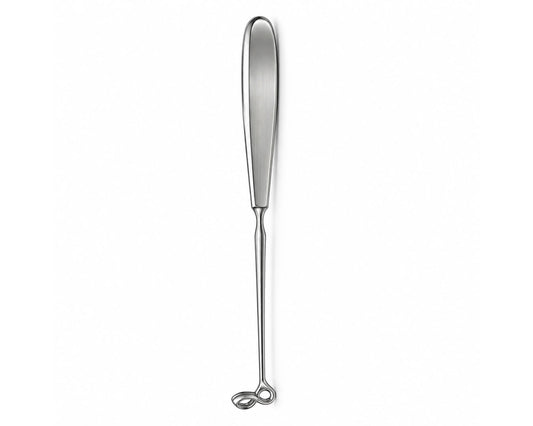
ENT Curettes for Ear, Nose, Sinus and Adenoid Procedures
A curette is a simple tool with a demanding job. Its spoon or loop edge scrapes, scoops and clears tissue in narrow spaces, so the shape, length and sharpness of the working tip all affect control. Our ENT curettes collection brings together ear, sinus and adenoid patterns for ENT surgeons, residents and hospital purchasing teams who want clearly described instruments at clear prices. Whether you are equipping a main theatre, an outpatient clinic or a teaching lab, you can compare each pattern and build a set that suits your technique.
Types of ENT Curettes We Offer
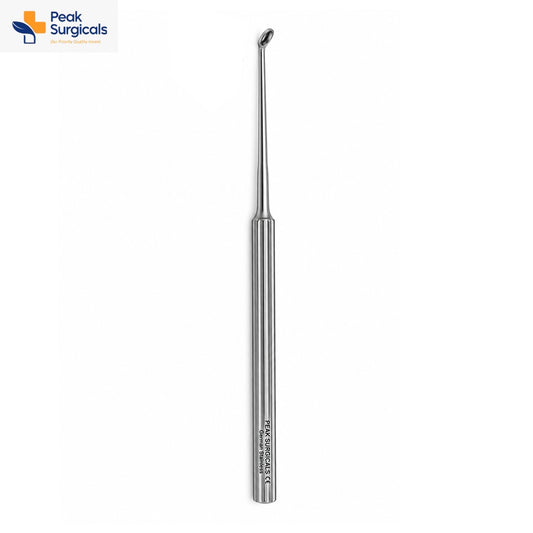
Ear curettes. The Buck Ear Curettes are a classic pattern for clearing the ear canal, and the Buck Ear Curette Angled Blunt 146mm offers an angled blunt tip in a 146 mm length.
Sinus curettes. The Frontal Sinus Curettes, the Coakley Sinus Curette and the Antrum Curettes are made for working in sinus spaces and debriding tissue.
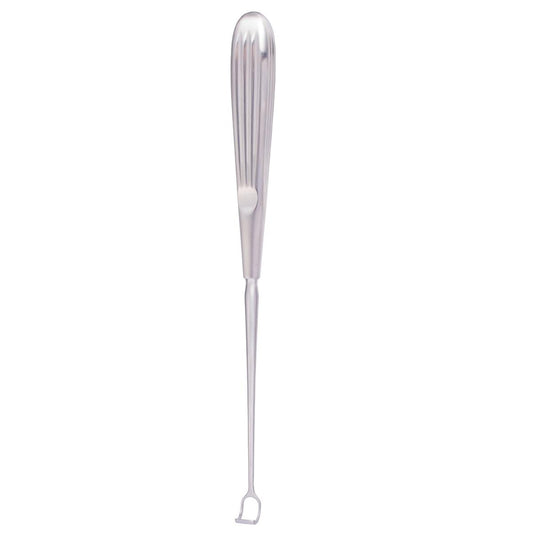
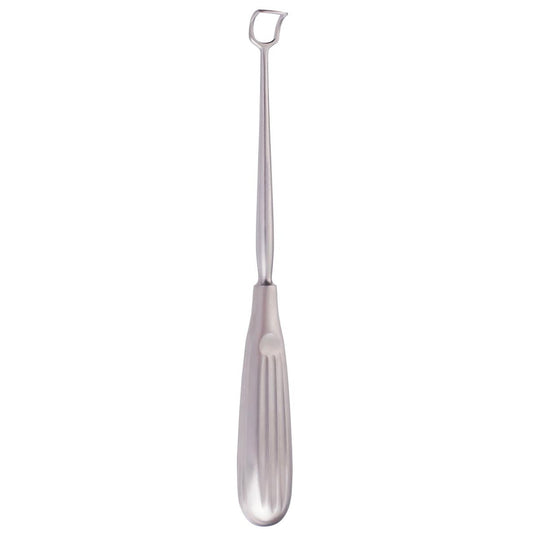
Adenoid curettes. Choose from the Barnhill Adenoid Curettes, the Reverse Curve Adenoid Curettes, the Vogel Adenoid Curette and the Beckmann Adenoid Curette 216mm for adenoid tissue removal.
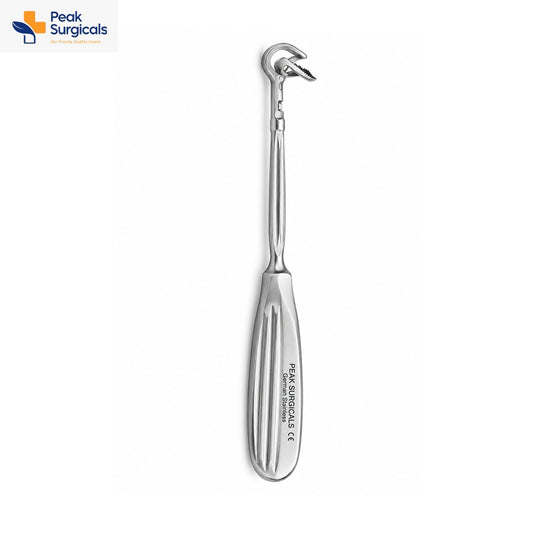
Curettes with cage. The Curette With Cage 235mm Long includes a cage design that helps contain the tissue removed.
Why Instrument Quality Matters
A curette that has lost its edge drags instead of cutting, and a bent shaft changes how it reaches the target. A smooth, even edge, a rigid shaft and a comfortable handle give you steady control, especially in small, deep spaces. Reliable curettes also keep a case moving, because fewer replacements and adjustments mean fewer interruptions for the surgical team. Check the specifications on each product page carefully, then protect your curettes between cases in sterilization baskets and follow your facility's reprocessing protocol.
How to Choose the Right Curette
-
Site: Choose an ear, sinus or adenoid pattern to match the area you treat.
-
Length: Longer shafts reach deeper, so check lengths such as 146 mm, 216 mm or 235 mm on the product page.
-
Tip shape: Sharp edges remove tissue efficiently, while blunt or angled tips give a gentler approach.
-
Sizes: Many curettes come in several sizes, so keep a range on the tray.
Inspect the edge before every case, and replace any curette that is bent or worn. Keep a few spares ready, so one damaged tip never delays a list.
Complete Your ENT Set
Curettes work alongside many other ENT instruments. Explore these related categories to build a full tray, from visualization through to removal and suction:
Ordering from Peak Surgicals
We ship worldwide, and orders above $99 qualify for free shipping. See our shipping policy for details. Not sure which curette suits your procedures? Contact our team and we will help you choose.
Frequently Asked Questions
1. What is an ENT curette used for?
An ENT curette is a small spoon or loop instrument that scrapes, scoops and clears tissue or debris in the ear, nose, sinuses and throat. Browse the full ENT curettes collection to see the available patterns.
2. What is the difference between an ear curette and an adenoid curette?
An ear curette is small and fine for the ear canal, while an adenoid curette is longer with a larger blade for removing adenoid tissue from the back of the nose. Choose the pattern that matches the site.
3. What does the cage on a curette do?
The cage holds tissue as it is removed, which helps keep it from falling back into the surgical field. See the Curette With Cage for an example.
4. How should I care for ENT curettes?
Clean them promptly after use, dry them fully and inspect the edge for wear. Follow the manufacturer's instructions and your facility's sterilization protocol, and replace any curette that is bent or dull.
5. Do you ship internationally, and is shipping free?
Yes, we ship worldwide, and orders above $99 qualify for free shipping. Delivery details are in our shipping policy, and you can reach our team through the contact page.