






















Dental Elevators
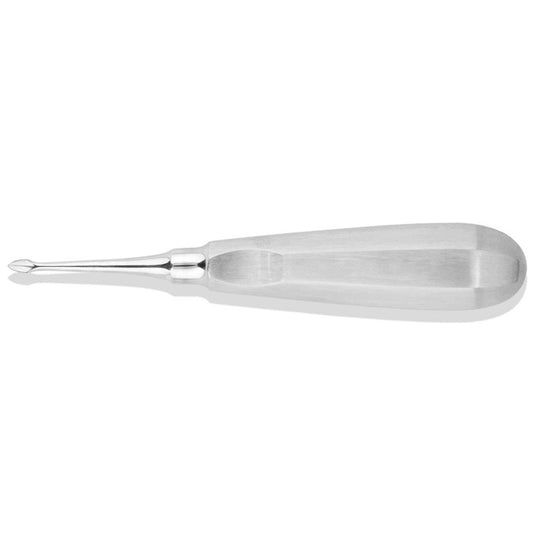
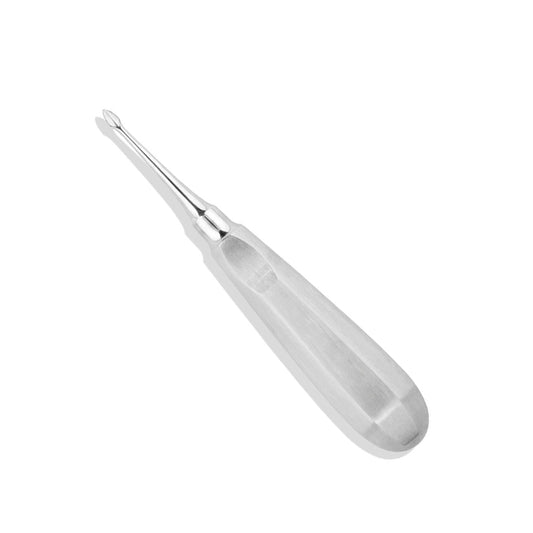
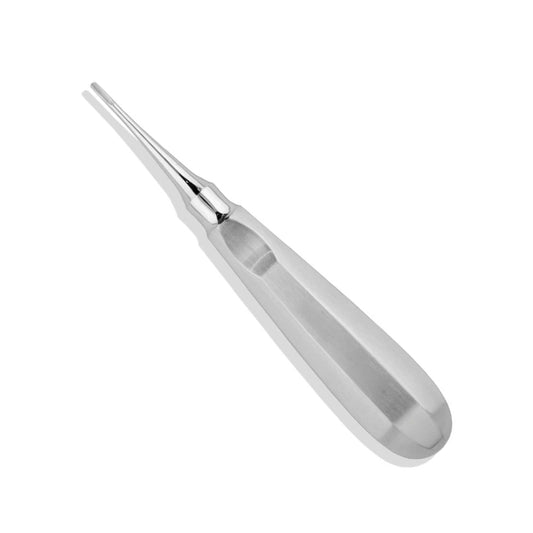
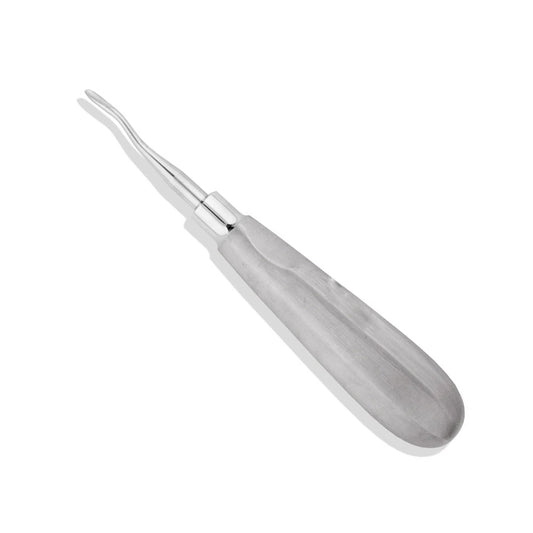
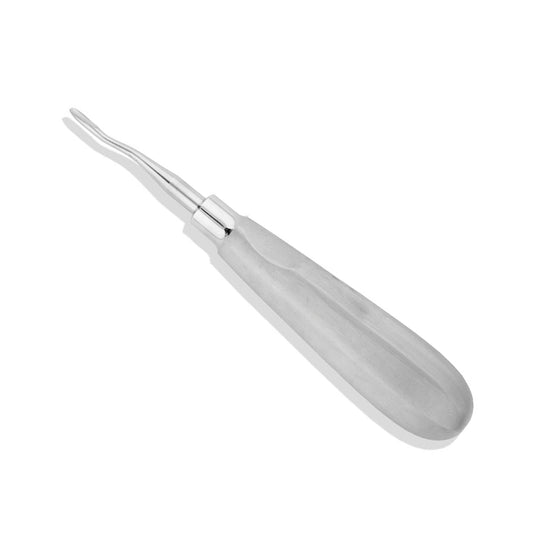
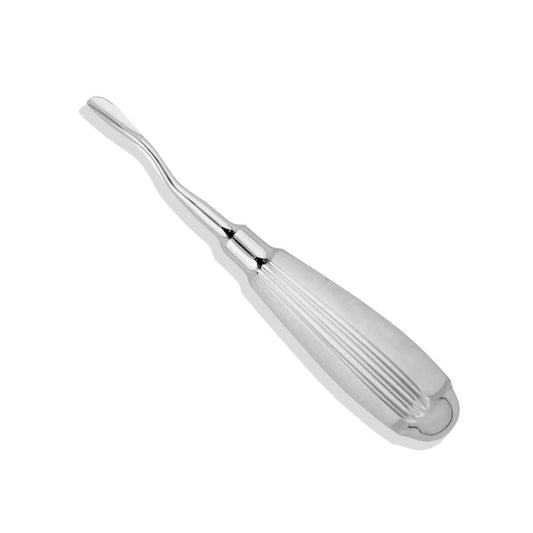
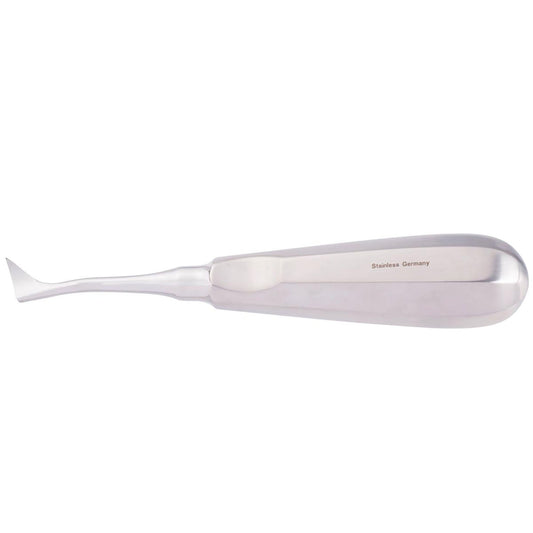
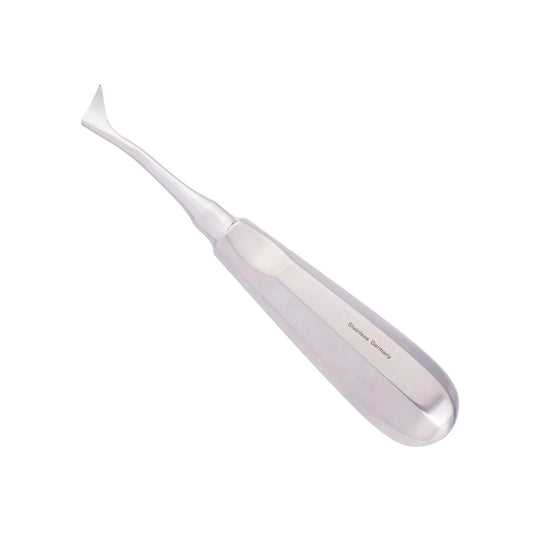
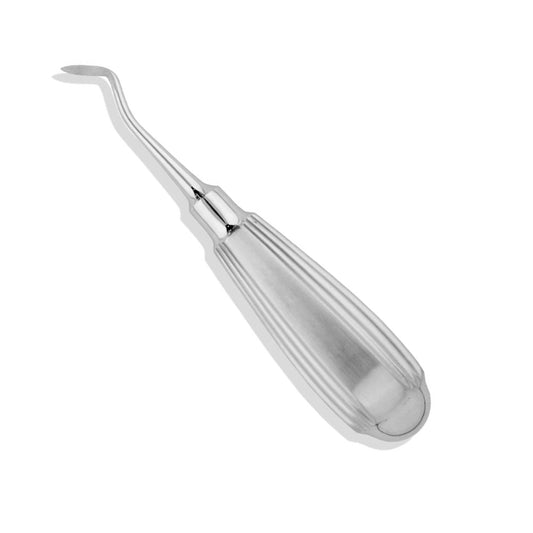
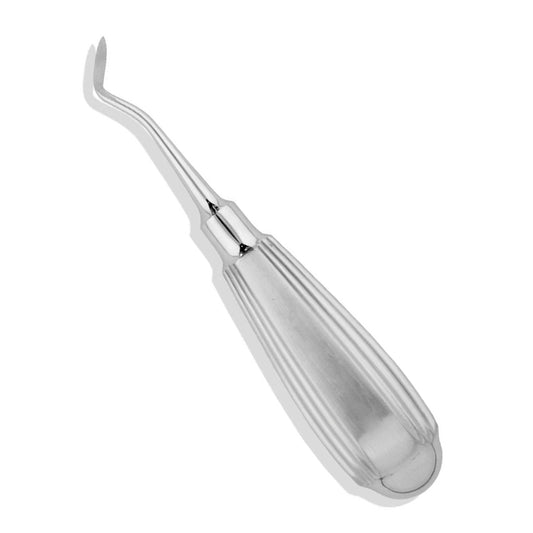
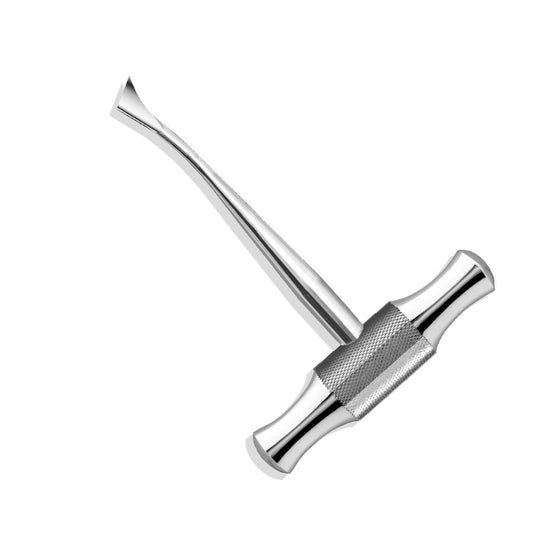
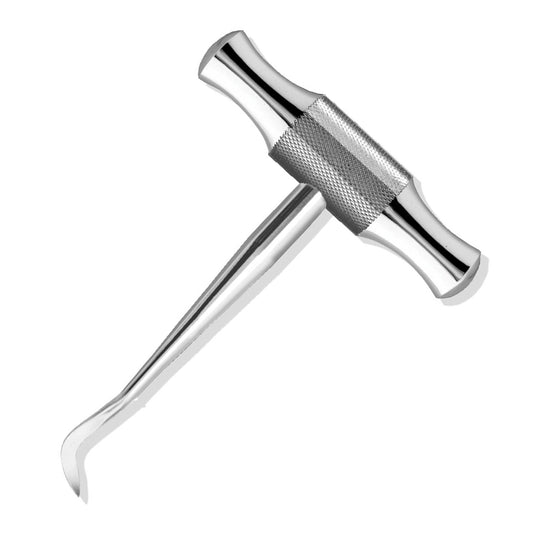
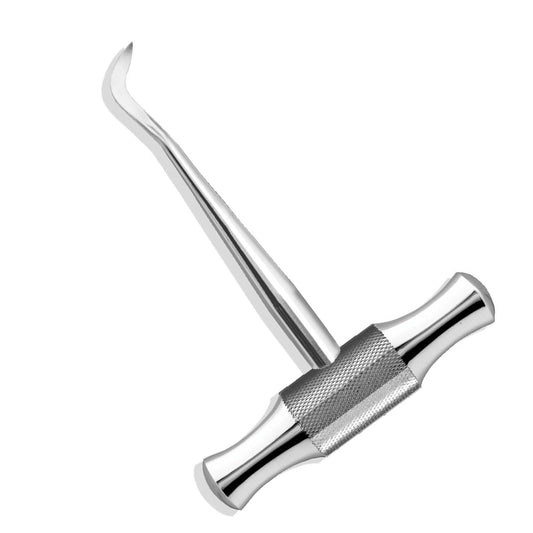
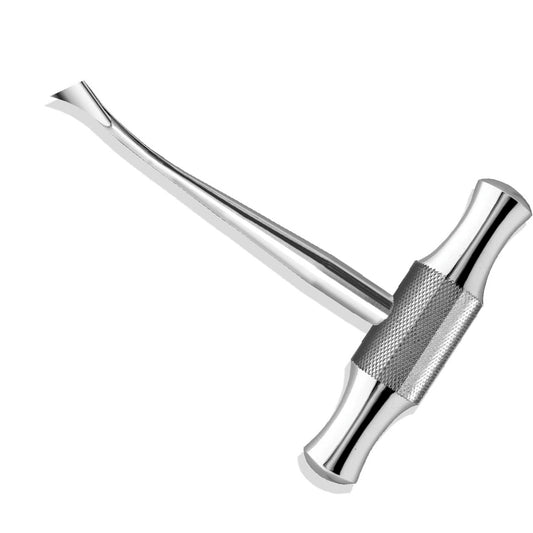
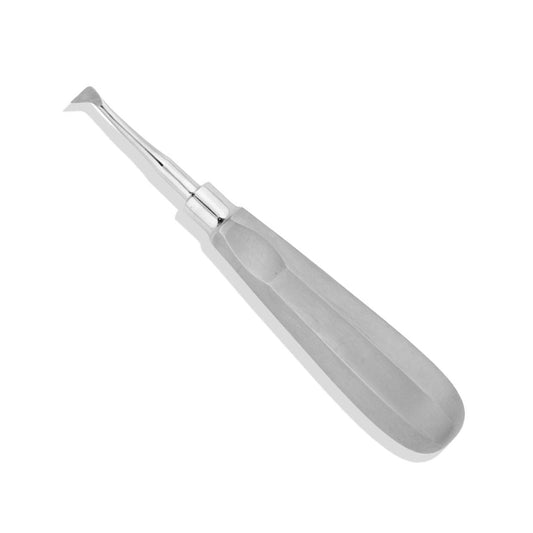
Dental elevators loosen a tooth or retained root by breaking its ligament attachment and gently widening the socket. That lets the tooth be lifted out with less force than forceps alone would need. This collection covers general elevators, bayonet and pick patterns, and named root and periosteal elevators.
What’s in This Collection
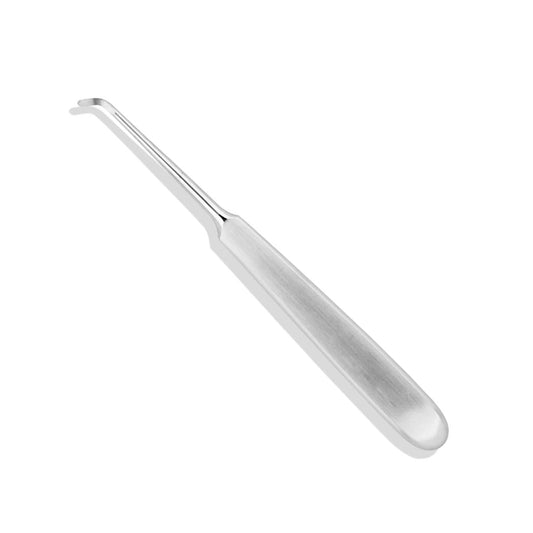
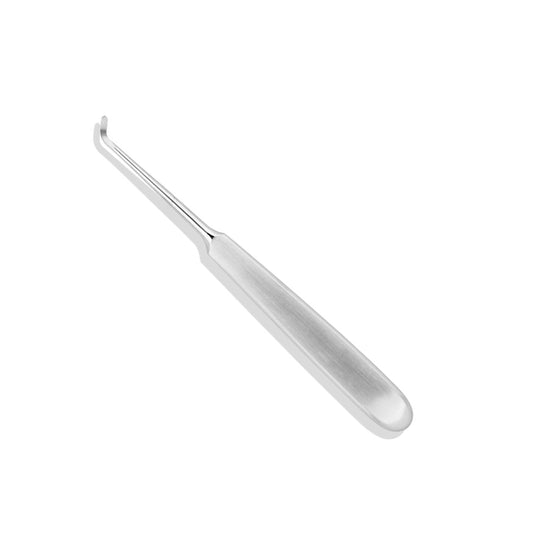
Root tip and pick elevators. The Bernard Root Tip Elevator Straight is listed for retained-root elevation from 3mm to 18mm. The Crane Type Exodontia Oral Pick Elevator has a fine pointed tip for lifting fragments left in the socket.
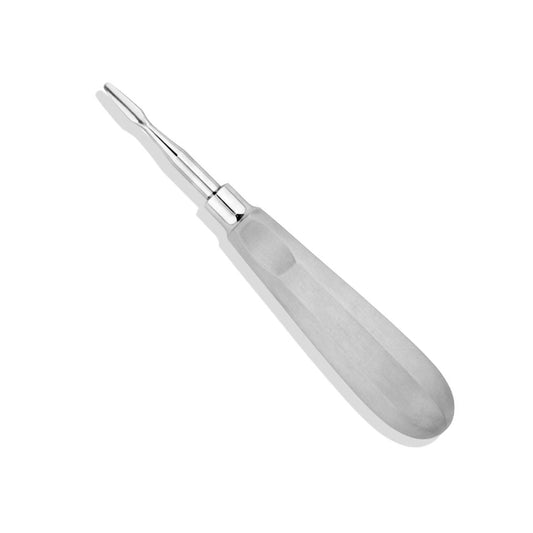
General and bayonet elevators. The Stout Elevator, Elevator Small 8mm and Cogswell Type Exodontia Oral Elevator cover routine loosening. The Elevator Bayonet (standard and 8mm) uses an offset shaft that keeps the handle out of the line of sight in the back of the mouth. The Cameron Elevator Bayonet is listed with 1.2mm to 7mm tips for luxation.
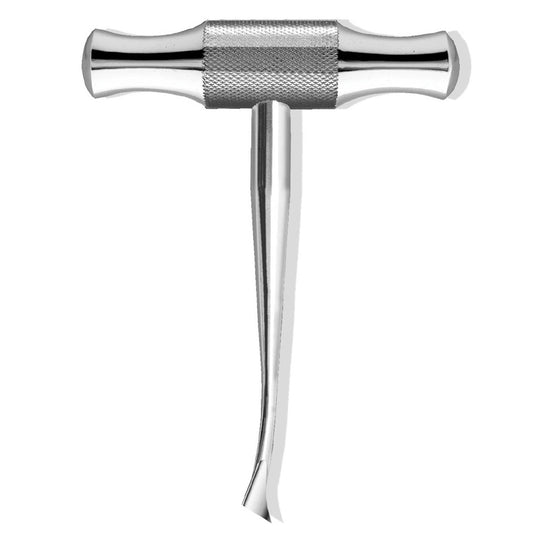
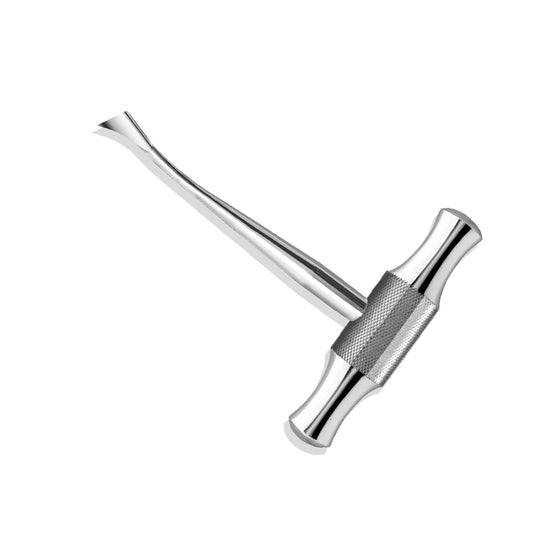
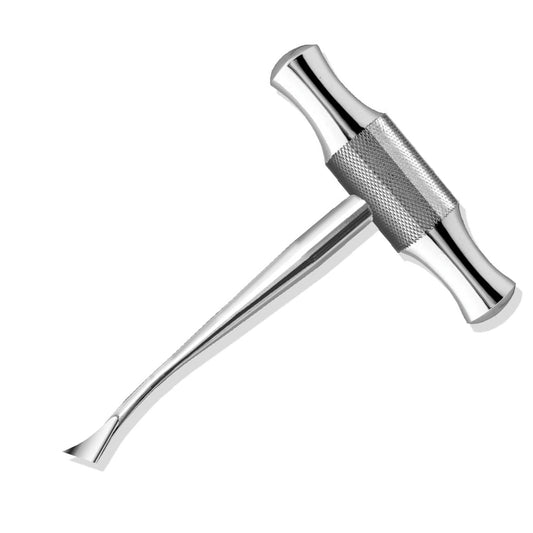
Cross-bar elevators. The Winter X-Bar Elevator range comes as right and left patterns, angled versions and Cryer variants. Pairs are matched to the side of the mouth being treated. The Woodward Elevator also comes in a right and left pair.
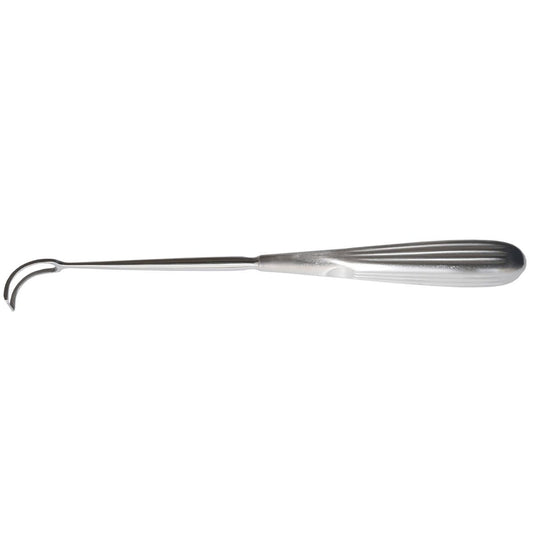
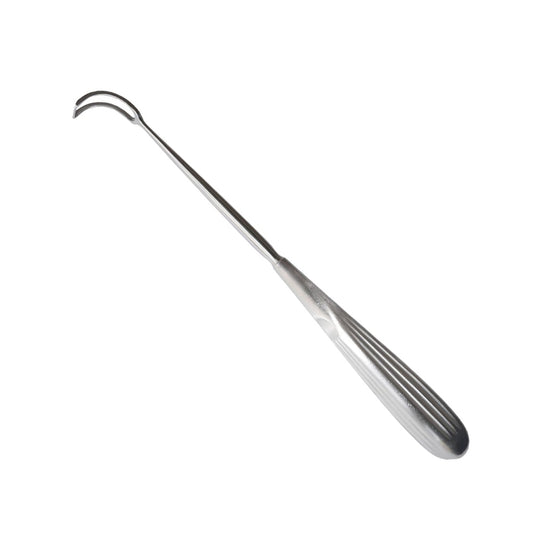
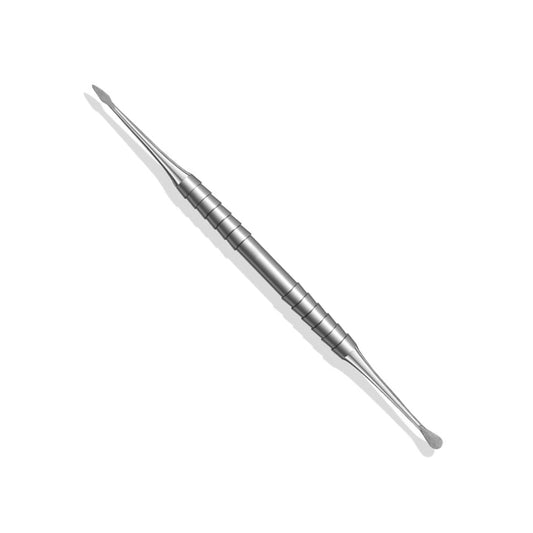
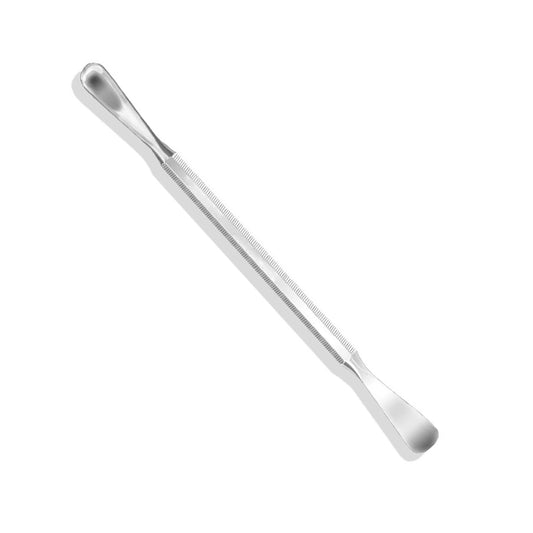
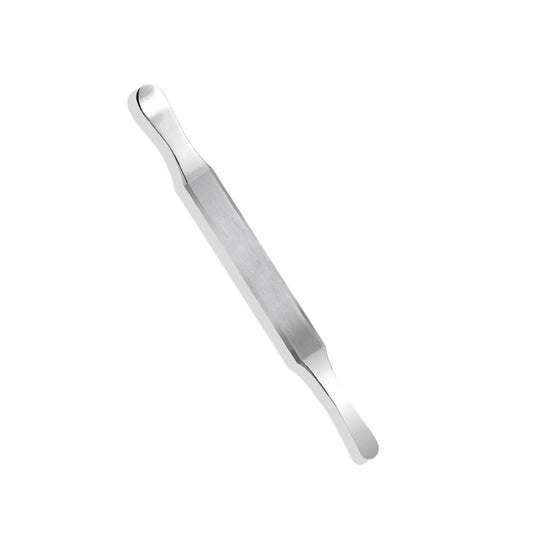
Named patterns. The Warwick James Dental Elevator is a classic root elevator. The Seldin Periosteal Elevator range (single and double ended) is used to loosen teeth and to reflect soft tissue in oral surgery.
Choosing an Elevator
Match the tip to the root: narrower tips for small or fragile roots and wider tips for larger ones. Bayonet shafts improve visibility in posterior regions, pick elevators are for fragments, and left/right pairs should be ordered together. Check each product page for exact tip sizes.
Care
Clean instruments immediately after use, inspect tips for chips or bends, and sterilize according to your facility’s protocol. A damaged tip can slip and injure tissue.
Related Instruments
Elevators are normally followed by forceps. See Dental Extracting Forceps, American Pattern Extraction Forceps, Gold Handle Extracting Forceps and Extracting Forceps Sets. For related elevators, see Dental Luxation Elevators and Dental Elevator Sets. For socket cleanup, see Dental Bone Curettes and Dental Aspirators & Suction Instruments. For complete kits, see Dental Extraction Kits, and keep them organized with Sterilization Cassettes & Trays. For periosteal work beyond dentistry, see Bone Elevators and Raspatories. For animal patients, see Veterinary Dental Elevators. Browse all Dental Instruments for the full range.
Ordering
Peak Surgicals supplies dental elevators in bulk to clinics and distributors worldwide, with international shipping. Contact our team for current stock and wholesale pricing.
Frequently Asked Questions
What is a dental elevator used for?
It loosens a tooth or retained root from its socket by breaking the ligament attachment and widening the socket, before forceps complete the extraction.
What’s the difference between an elevator and extraction forceps?
An elevator loosens the tooth, and forceps grip and remove it. They are used in sequence, with elevators first.
What is a bayonet elevator?
It has an offset, stepped shaft that moves the handle away from the line of sight, which helps in posterior areas where access and visibility are limited.
Why do Winter elevators come in left and right pairs?
Their cross-bar design is matched to the side of the mouth being treated, so clinicians typically stock both sides.
What is a root tip pick elevator used for?
Its fine pointed tip retrieves a fragment left in the socket when a root fractures during extraction.
What is a Seldin elevator used for?
It is used to loosen teeth and to reflect soft tissue and periosteum during oral surgery.