
Featured Collection
Your cart
Featured Collection

PEAK SURGICAL
SKU:PS-938
Couldn't load pickup availability
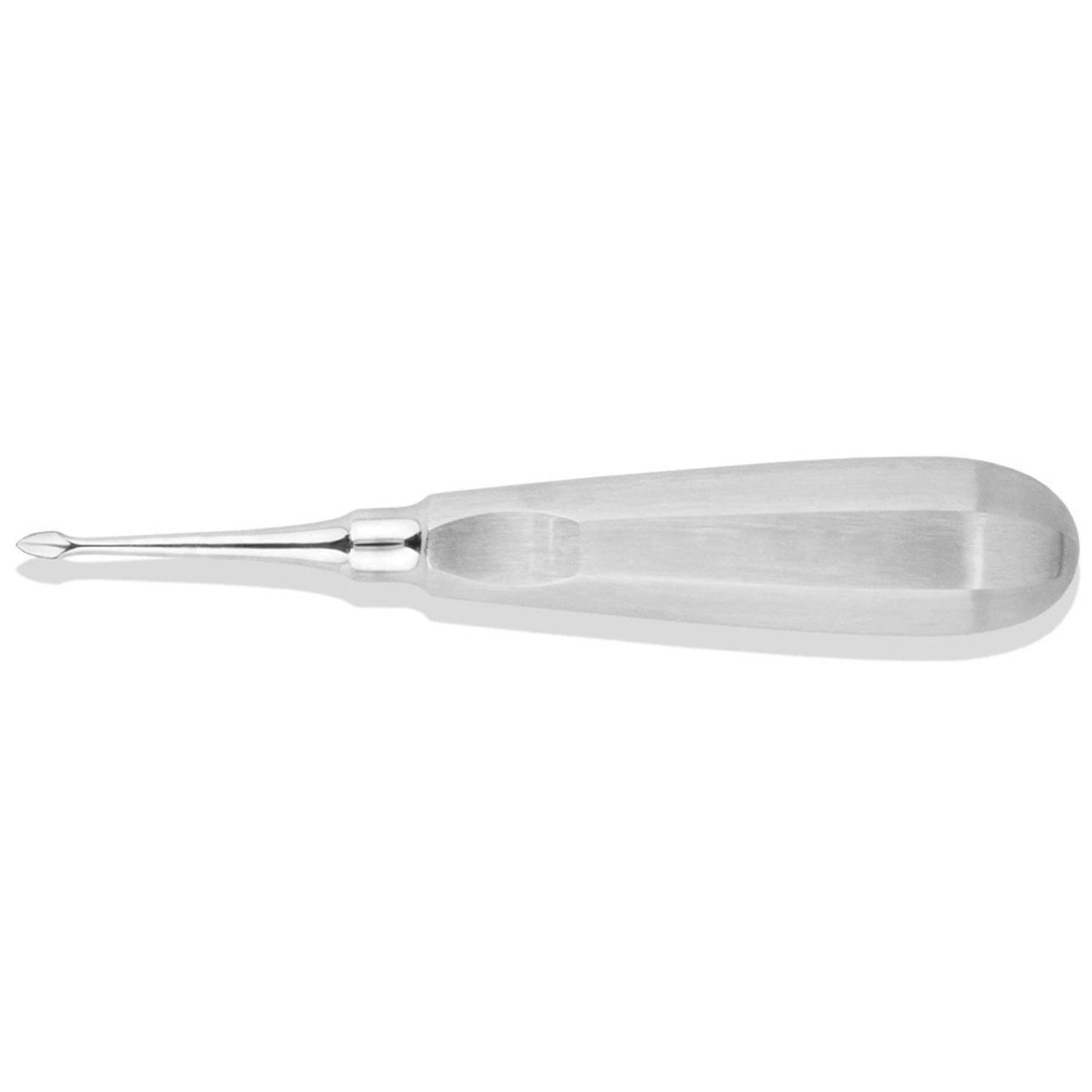
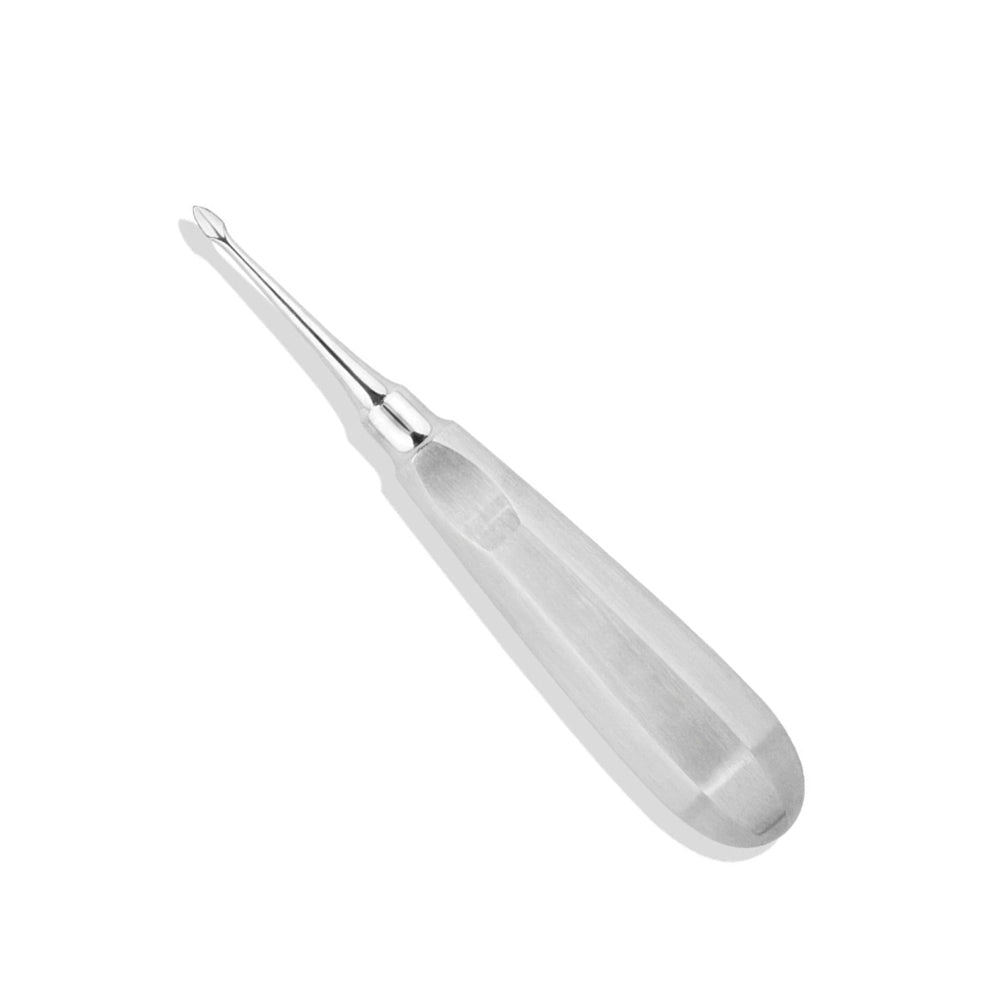
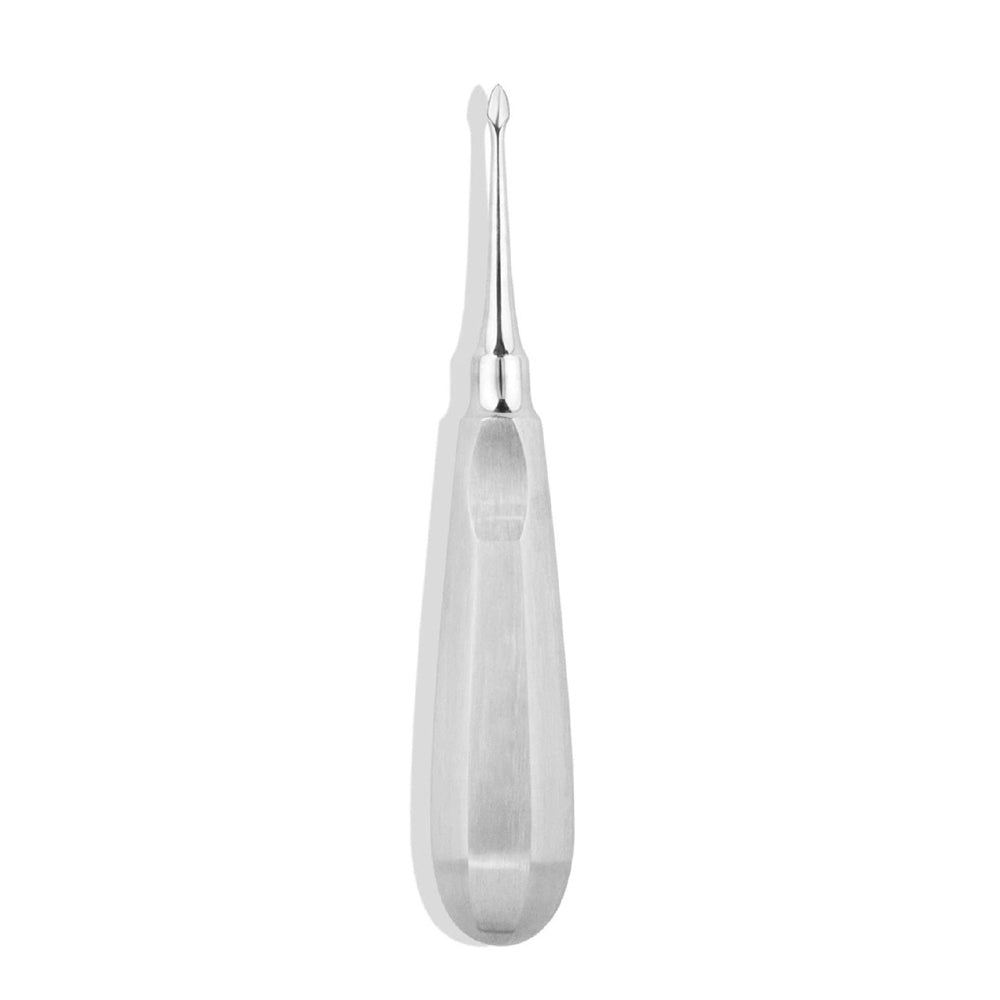
The Bernard Root Tip Elevator Straight from Peak Surgicals (SKU: PS-938) is a reusable German Stainless Steel dental tip elevator designed for retained root elevation, root tip retrieval, periodontal ligament separation, socket entry, and controlled tooth fragment mobilization during oral surgery and dental extraction procedures. This instrument is listed in 3mm, 4mm, 8mm, 10mm, 12mm, 13mm, 15mm, and 18mm size variants, with each piece priced at $4.95. The visible design includes a straight working tip, narrow apical blade, smooth transition neck, solid stainless steel shank, broad flattened handle, rounded handle end, and satin working profile for stable manual control. Oral surgeons, general dentists, periodontists, implant clinicians, hospital dental departments, outpatient dental clinics, ambulatory oral surgery centers, dental schools, and procurement teams use this elevator during retained root removal, fractured root extraction, simple extraction, surgical extraction, premolar root delivery, molar root segment mobilization, socket-preservation extraction, implant site preparation, and post-extraction socket access. The straight tip pattern supports precise entry along the root surface and periodontal ligament space when a compact elevator is needed before forceps delivery or root tip removal.
The Bernard pattern uses a straight working tip to give direct access into the periodontal ligament space and retained root interface. The narrow apical blade is shaped for controlled entry between root cementum and alveolar socket wall, allowing the clinician to develop a path before wider elevation force is applied. The straight profile is clinically useful when the access path is visible and the surgeon needs axial control rather than a curved or bayonet approach. The smooth transition neck transfers force from the handle to the working end without a bulky shoulder at the socket entrance. The solid shank maintains rigidity during apical pressure, rotational movement, and lateral root mobilization. The flattened handle provides broad palm and finger contact, helping the operator stabilize the instrument during controlled elevation. This elevator has no hinge, ratchet, spring, or locking mechanism because its performance depends on tactile feedback, blade orientation, root anatomy, ligament release, and measured hand pressure during extraction workflow.
During retained root removal, the Bernard Root Tip Elevator Straight is placed into the periodontal ligament space or alongside the exposed root surface after soft tissue clearance. The working tip is advanced with controlled apical pressure to create purchase before rotational force loosens the retained fragment. In fractured root extraction, the narrow blade enters the interface around the broken root surface where broad elevators can damage socket walls. During premolar extraction, the straight tip supports ligament release around single-rooted teeth and assists root delivery after forceps mobility begins. In molar procedures, the elevator is used after sectioning to mobilize individual roots from the socket without unnecessary pressure on the interradicular bone. During implant site preservation, the instrument supports socket-conservative root movement by releasing the ligament before extraction force is increased. The elevator works beside periosteal elevators, extraction forceps, root tip picks, luxators, surgical suction, curettes, needle holders, and suturing instruments in dental oral surgery workflow.
The 3mm size is selected for fine retained root tips, narrow anterior sockets, apical fragments, and tight periodontal spaces where a small working end is required. The 4mm option supports slightly broader entry around incisors, canines, premolars, and fractured roots after the first ligament release. The 8mm variant provides increased contact for routine single-rooted extraction and controlled root surface engagement. The 10mm size is used when wider purchase is needed along premolar roots, sectioned molar roots, and sockets that have already started to expand. The 12mm and 13mm instruments support broader elevation in posterior extraction where the root segment provides more surface area for controlled force. The 15mm size gives wider blade contact for molar root delivery and socket-wall support after initial mobilization. The 18mm variant is selected for the broadest listed access requirement, including posterior root segments and final elevation when a larger working face improves contact before forceps delivery.
German Stainless Steel gives the Bernard Root Tip Elevator Straight the rigidity, corrosion resistance, and reusable durability required for repeated dental extraction procedures. A root tip elevator must retain blade shape, straight shaft alignment, handle stability, tip edge integrity, and smooth transition geometry because distortion can reduce periodontal ligament access and root surface control. Satin and dull finishes reduce glare under dental operatory lights and surgical headlights, while mirror finish provides a smooth inspection surface after cleaning. After clinical use, the working tip is brushed, the shank is wiped, the handle surface is cleaned, and the blade edge is inspected before steam sterilization by autoclave after complete drying. The Class I classification, CE marking, ISO-13485 certification, and FDA compliance support dental clinic purchasing, hospital procurement, distributor documentation, and international tender files. The listed 1-year warranty, MOQ of 1 piece, OEM availability, rust-free construction, carton packing, and return-and-replacement service support standardized oral surgery tray replacement planning.
| SKU | PS-938 |
|---|---|
| Product Name | Bernard Root Tip Elevator Straight |
| Price | $4.95 per piece |
| Size/Gauge Variants | 3mm, 4mm, 8mm, 10mm, 12mm, 13mm, 15mm, 18mm |
| Instrument Category | Dental Instruments / Tip Elevator / Root Tip Elevator |
| Procedure | Retained Root Removal, Fractured Root Extraction, Simple Extraction, Surgical Extraction, Periodontal Ligament Separation, Premolar Root Delivery, Molar Root Segment Mobilization, Socket-Preservation Extraction |
| Material | German Stainless Steel |
| Finish | Satin, Dull, Mirror |
| Sterilization | Steam sterilizable / Autoclave compatible after cleaning and drying |
| Instrument Classification | Class I reusable dental extraction instrument |
| Reusable | Yes |
| Certifications | CE, ISO-13485, FDA |
| Warranty | 1 Year |
| MOQ | 1 Piece |
| OEM / Custom Orders | Available |
| After-Sale Service | Return and Replacement |
How does the Bernard Root Tip Elevator Straight compare with a Cryer elevator?
The Bernard Root Tip Elevator Straight is designed for direct root tip access and controlled retained fragment elevation. A Cryer elevator has a triangular working blade used for interdental purchase, root elevation, and rotational leverage, especially after root sectioning. The Bernard pattern is selected when the clinician needs a straight tip to enter along the root surface or periodontal ligament space with a narrow working end. Cryer elevators provide stronger triangular leverage but occupy more socket width and are used after a purchase point is established. Bernard Root Tip Elevator Straight supports more direct fine access around fractured apices, premolar roots, and exposed retained fragments. Cryer elevators remain useful for broader root delivery after initial loosening. Oral surgery trays use both patterns because fine root tip entry and triangular leverage are separate extraction functions.
Which size is selected during retained root or fractured root removal?
The 3mm size is selected for fine apical fragments, narrow anterior roots, and tight ligament spaces. The 4mm size provides slightly wider entry around incisors, canines, premolars, and small retained fragments. The 8mm and 10mm sizes are used when the root surface offers more contact and the clinician needs broader controlled purchase. The 12mm and 13mm options support posterior extraction, sectioned roots, and sockets that have started to expand after initial ligament release. The 15mm and 18mm sizes are selected for wider posterior root segments and final elevation before forceps delivery. Bernard Root Tip Elevator Straight gives the operator a progressive size range for moving from fine entry to broader mobilization. This sequence supports socket-conservative extraction and predictable root tip retrieval.
What do CE, ISO 13485, and FDA compliance mean for dental procurement?
CE marking supports conformity documentation for dental clinics, hospitals, distributors, and procurement teams sourcing reusable dental extraction instruments. ISO 13485 indicates that manufacturing is managed under a medical device quality management system with controlled production, inspection, and traceability. FDA compliance supports procurement records for buyers sourcing reusable dental devices for regulated healthcare markets. Bernard Root Tip Elevator Straight fits purchasing categories for non-powered oral surgery and extraction instruments. These credentials help procurement officers compare the instrument against tender requirements, internal purchasing rules, and distributor documentation needs. German Stainless Steel construction, reusable format, 1-year warranty, MOQ of 1 piece, OEM availability, and return-and-replacement service support repeat ordering. For dental clinics and hospital oral surgery departments, the documentation aligns root tip elevation function with regulated sourcing expectations.
How is the straight tip controlled during root elevation?
The straight tip is placed into the periodontal ligament space or against the exposed retained root surface with the blade aligned to the long axis of the root. The clinician applies controlled apical pressure first to establish purchase, then uses small rotational and lateral movements to loosen the fragment. The handle is stabilized with the palm and fingers so force is transferred through the shank without uncontrolled slipping. The straight design gives a direct working line when the socket entrance and root surface are visible. Bernard Root Tip Elevator Straight does not use a hinge, ratchet, or spring because the clinical action depends on manual pressure, tactile resistance, and blade orientation. Wider sizes are introduced only after the smaller tip creates access and mobility. This method supports retained root removal, premolar extraction, molar root segment delivery, and socket preservation.
How should the Bernard Root Tip Elevator Straight be cleaned and sterilized after use?
After use, the elevator is decontaminated promptly so blood, saliva, periodontal tissue, bone particles, irrigant, or root debris does not dry on the working tip, shank, handle, or size marking. The blade end is brushed carefully because debris can remain around the narrow tip and transition neck. The handle surface is cleaned along its full length so grip control remains stable during the next extraction. The tip is inspected for edge integrity, straight alignment, corrosion, and surface damage before packaging. German Stainless Steel supports steam sterilization by autoclave after complete cleaning and drying. Bernard Root Tip Elevator Straight should return to the oral surgery tray only after the working end is visually clean, aligned, and intact. Proper reprocessing preserves tactile feedback, periodontal ligament access, and repeated clinical usability.


