Featured Collection
Your cart
Featured Collection

PEAK SURGICAL
SKU:
Couldn't load pickup availability
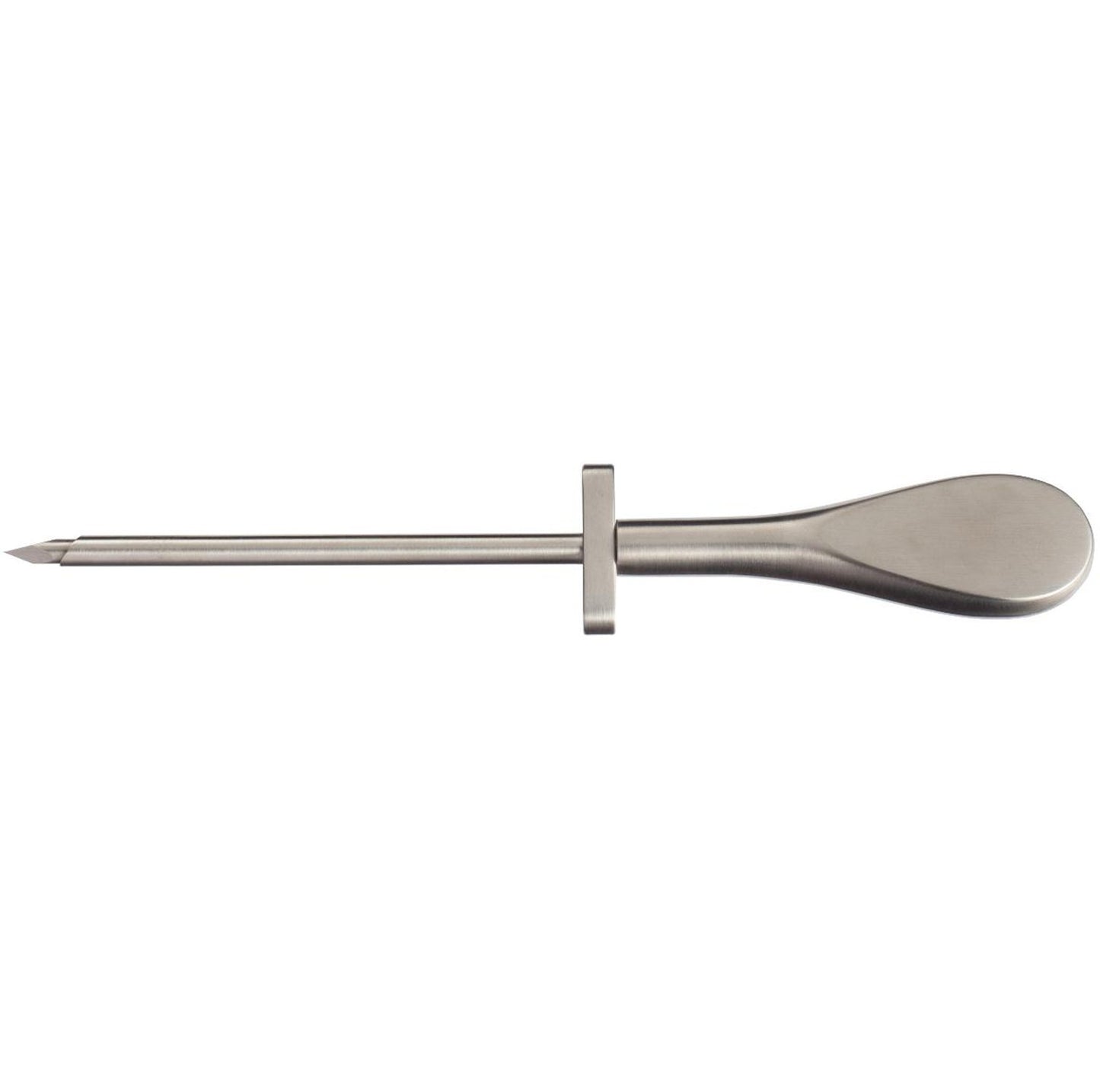
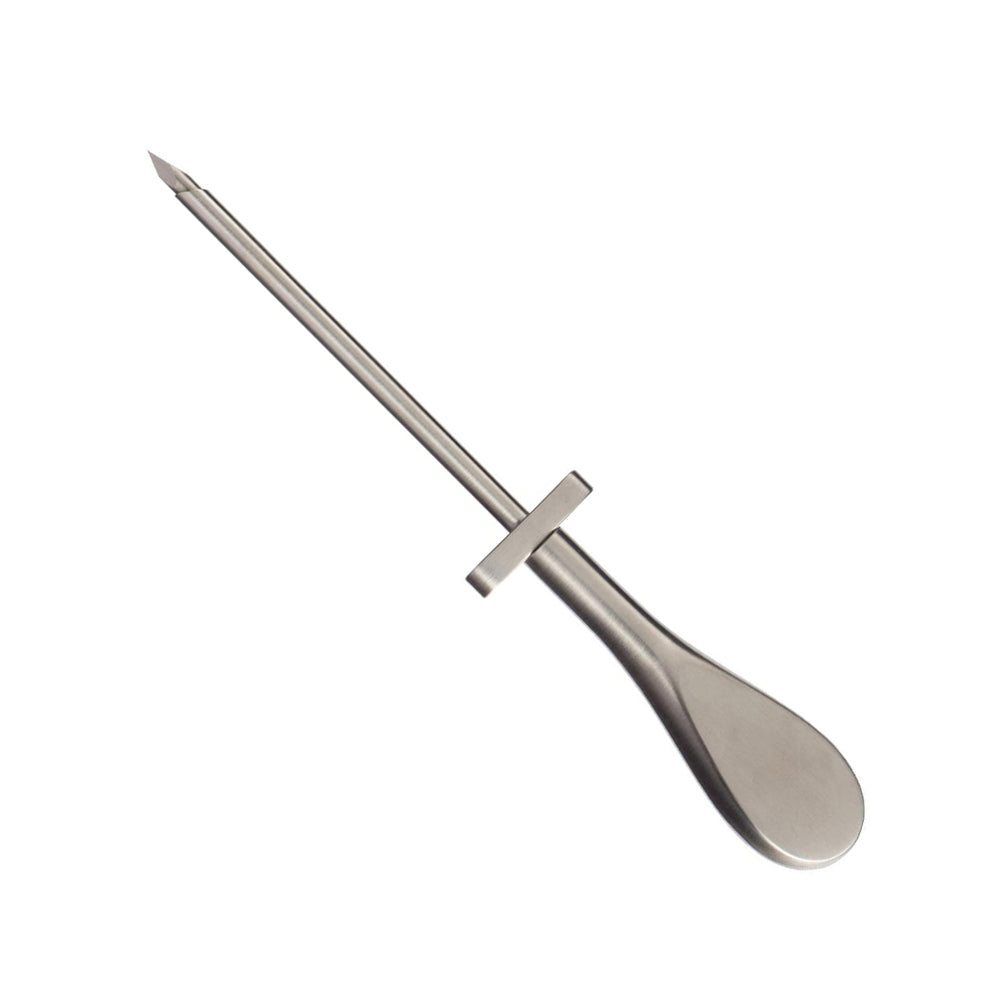
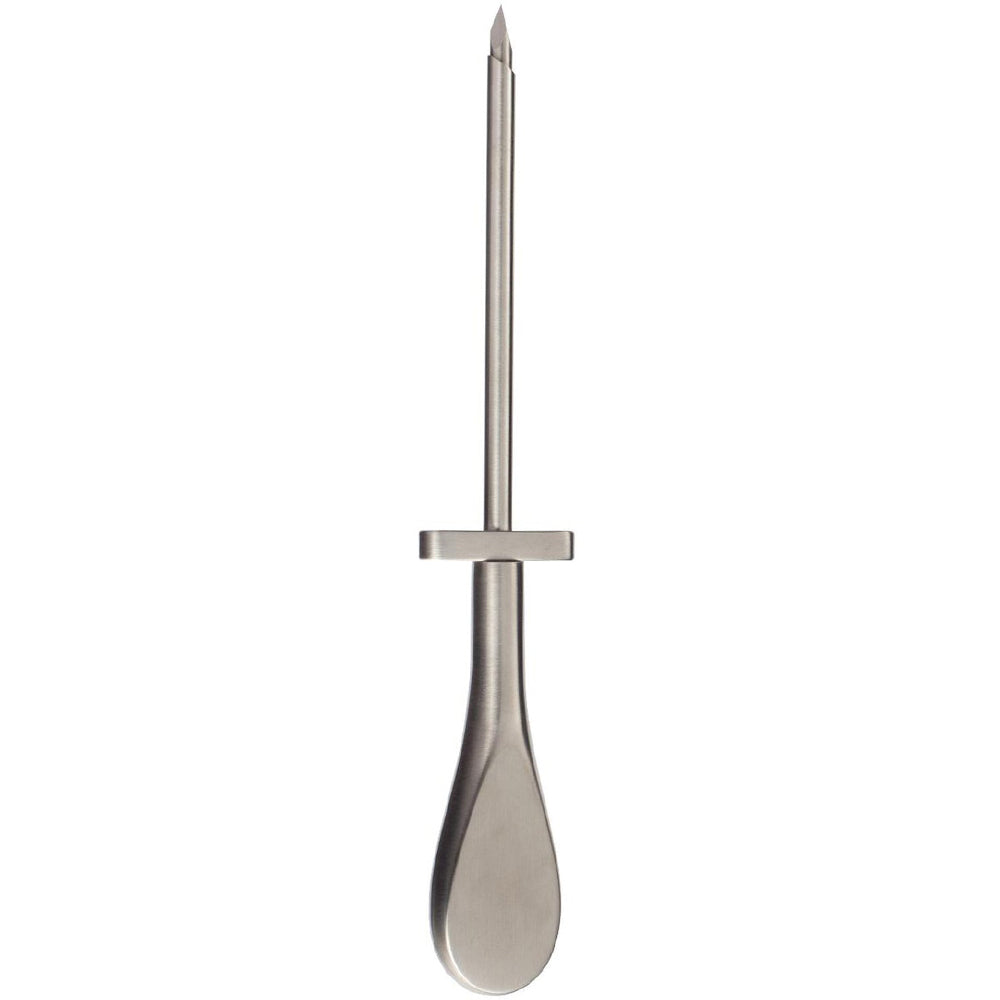
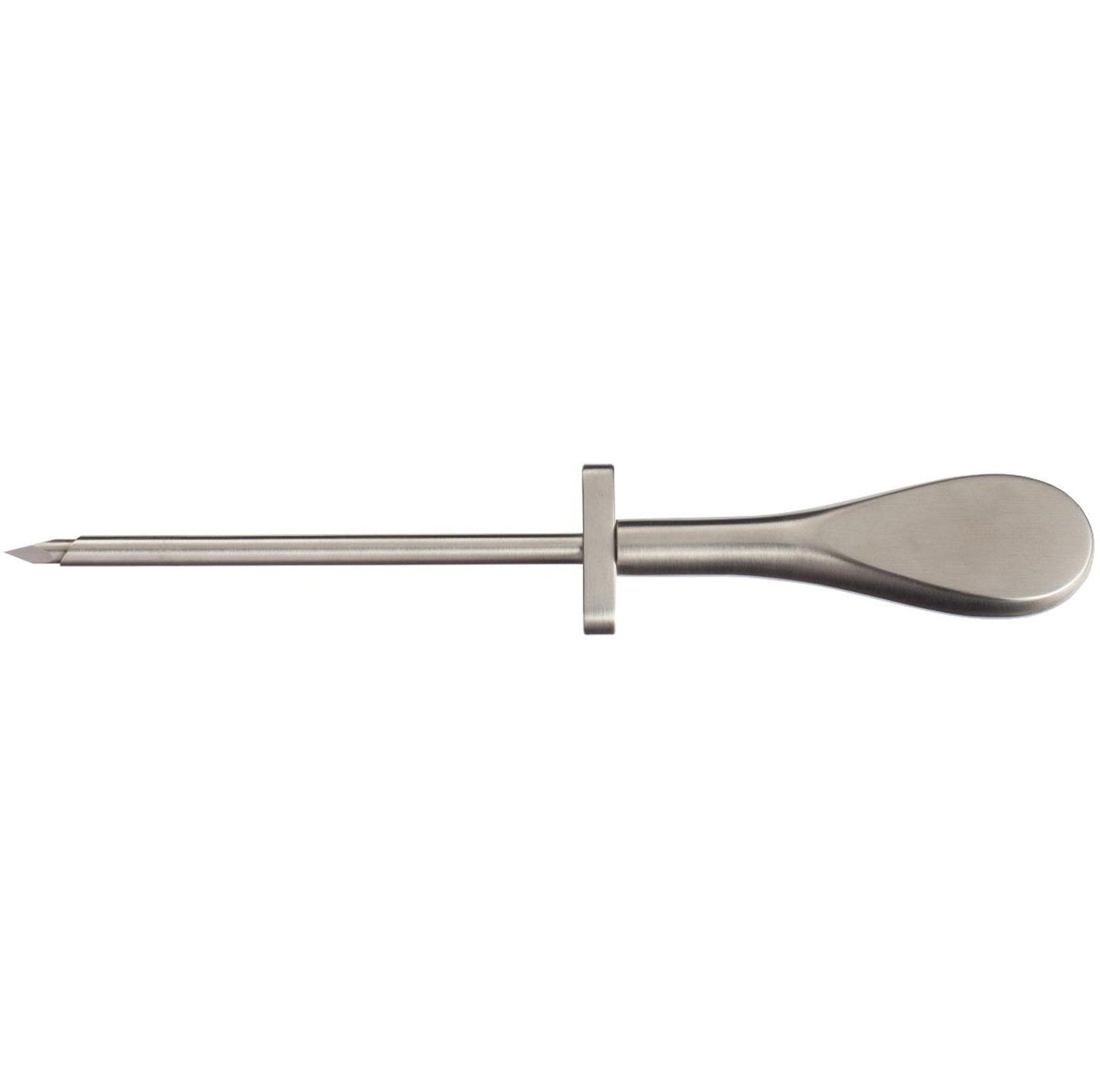
Trocar and Cannulas, model PS-9965, are reusable ENT access instruments manufactured from German stainless steel for controlled puncture, cannula placement, irrigation, drainage, and intraoperative access in sinus and operating room procedures. The available variants are PS-9965 with oblique end, 4mm trocar tip, and 6 1/2" (16.5cm) overall length; PS-9966 with oblique end, 3mm trocar tip, and 6 7/8" (17.5cm) overall length; and PS-9964 with oblique end, 5mm trocar tip, and 6 1/2" (16.5cm) overall length. The image shows a sharp oblique trocar point, straight cannula shaft, transverse stop flange, and broad teardrop handle for controlled hand positioning. ENT surgeons, rhinologists, oral and maxillofacial surgeons, and operating room teams use this pattern during maxillary sinus puncture, antral lavage, sinus irrigation, ostium localization, drainage of retained secretion, endoscopic sinus surgery support, and transnasal access workflows in hospitals, ambulatory surgery centers, ENT clinics, and surgical teaching departments.
The working mechanism combines a sharp oblique trocar point with a rigid cannula shaft that creates a controlled pathway into the target sinus cavity or drainage corridor. The oblique end concentrates pressure at the leading edge, allowing the surgeon to enter firm mucosa or thin bony access points with directed force rather than broad blunt pressure. Once the pathway is established, the cannula portion maintains lumen access for irrigation, aspiration, drainage, or passage of fluid while the handle remains outside the nasal or oral field. The transverse stop flange provides a tactile depth reference and helps prevent uncontrolled advancement when resistance changes during entry. The broad teardrop handle gives the operator palm and finger control for axial pressure, rotational alignment, and withdrawal. The straight tubular shaft supports direct line-of-force transfer from the handle to the distal point. Because this instrument has no ratchet, spring, or box lock, intraoperative control depends on wrist alignment, flange awareness, tissue resistance, and stable handle pressure.
During maxillary sinus puncture, the trocar tip is directed through the selected nasal or oral access route under the surgeon’s visualization and anatomical orientation. After entry, the cannula acts as a maintained channel for lavage, suction-assisted clearance, or drainage of retained fluid from the maxillary antrum. In antral washout, the cannula lumen allows irrigation fluid to pass through a controlled tract while contaminated secretion is evacuated through the planned drainage path. In endoscopic sinus surgery support, the instrument can assist access preparation, ostium identification, and fluid clearance when the surgeon requires a firm metallic guide rather than a flexible tube. The pattern also supports intraoperative assessment of sinus patency, mucus retention, and localized collection before or after mucosal work. In oral and maxillofacial settings, controlled cannulation may be used when sinus access is required during selected maxillary procedures. The reusable stainless steel construction fits ENT trays where a rigid puncture-and-channel instrument is needed for repeatable handling across scheduled operating lists.
PS-9966 has a 3mm oblique trocar tip with 6 7/8" (17.5cm) length, making it suitable where a narrower access path is required in restricted nasal anatomy, smaller adult cavities, or carefully controlled sinus irrigation. PS-9965 has a 4mm trocar tip with 6 1/2" (16.5cm) length, giving a balanced working profile for standard maxillary sinus puncture, antral lavage, and ENT access in routine operating room use. PS-9964 has a 5mm trocar tip with 6 1/2" (16.5cm) length, allowing a wider cannula pathway when thicker secretion, stronger lavage flow, or broader drainage access is clinically intended. Selection depends on the access corridor, mucosal thickness, sinus anatomy, irrigation requirement, and the surgeon’s preferred balance between entry diameter and lumen capacity. The oblique end on each variant supports controlled penetration, while the cannula shaft keeps the created channel open. The stop flange and handle remain consistent across the pattern so the operator can maintain similar tactile control while changing tip diameter.
German stainless steel is used for this instrument because a trocar and cannula require rigidity, corrosion resistance, smooth lumen integrity, and stable geometry during repeated surgical processing. The available satin, dull, and mirror finishes support different facility preferences for glare control, surface inspection, and tray standardization. Reusable processing includes immediate post-use rinsing, lumen flushing, brushing, ultrasonic cleaning, washer-disinfector exposure, drying, visual inspection, packaging, and steam autoclave sterilization before the next procedure. The polished exterior reduces debris retention along the shaft and handle, while the cannula lumen must remain clear for reliable irrigation or drainage. CE marking, ISO 13485 documentation, and FDA procurement context support purchasing records for hospitals, ENT centers, distributors, and operating room supply teams. Class I classification places the item within reusable non-powered surgical instrumentation. OEM availability, carton-box packing, 1-piece minimum order quantity, 1-year warranty, and return and replacement service support standard stock replenishment, distributor listing, and institutional procurement programs.
| SKU | PS-9965 |
|---|---|
| Product Name | Trocar and Cannulas |
| Price | $93.50 |
| Size/Gauge Variants | PS-9965 oblique end, 4mm trocar tip, 6 1/2" (16.5cm); PS-9966 oblique end, 3mm trocar tip, 6 7/8" (17.5cm); PS-9964 oblique end, 5mm trocar tip, 6 1/2" (16.5cm) |
| Instrument Category | ENT trocar, cannula, and ostium seeker surgical instrument |
| Procedure | Maxillary sinus puncture, antral lavage, sinus irrigation, ostium localization, drainage access, endoscopic sinus surgery support, operating room cannulation workflow |
| Material | German stainless steel |
| Finish | Satin, dull, or mirror finish |
| Sterilization | Reusable instrument suitable for cleaning, lumen flushing, brushing, ultrasonic decontamination, washer-disinfector processing, drying, pouching, and steam autoclave sterilization |
| Instrument Classification | Class I reusable surgical instrument |
| Reusable | Yes |
| Certifications | CE, ISO 13485, FDA |
| Warranty | 1 year |
| MOQ | 1 piece |
| OEM / Custom Orders | Available for distributor supply, institutional branding, bulk purchasing, and customized packing programs |
| After-Sale Service | Return and replacement support for eligible orders |
How are Trocar and Cannulas different from a straight sinus ostium seeker?
A straight sinus ostium seeker is mainly a blunt locating and probing instrument used to identify or confirm sinus anatomy. Trocar and Cannulas include an oblique sharp trocar point that can create an access pathway rather than only trace an existing opening. The cannula shaft then maintains the channel for irrigation, drainage, or guided fluid passage. The stop flange and teardrop handle provide more insertion control than a simple probe-style seeker. This design is selected when puncture access and maintained cannulation are required in ENT workflow.
How should surgeons choose between the 3mm, 4mm, and 5mm trocar tips?
The 3mm PS-9966 variant is suited to narrower nasal access, smaller anatomical corridors, and controlled irrigation where a reduced entry diameter is preferred. The 4mm PS-9965 variant fits standard maxillary sinus puncture and antral lavage where balanced lumen capacity and controlled entry are needed. The 5mm PS-9964 variant is selected when wider drainage, thicker secretion clearance, or stronger lavage flow is clinically intended. Tip selection is based on the sinus cavity, mucosal thickness, planned route, and surgeon control during entry. Trocar and Cannulas should be matched to the procedure stage, with the smaller tip used for restrained access and the wider tip used when lumen capacity is prioritized. Overall length also matters because PS-9966 provides 17.5cm reach, while PS-9965 and PS-9964 provide 16.5cm reach.
What do CE, ISO 13485, and FDA details mean for procurement?
CE documentation supports international conformity records for surgical instrument purchasing. ISO 13485 indicates manufacturing under a medical device quality management framework covering production control, inspection, and traceability. FDA procurement context supports U.S. purchasing files for Class I reusable surgical instruments. Trocar and Cannulas can be entered into hospital, distributor, and ENT clinic catalogs with documented material, finish, warranty, MOQ, and after-sale terms. These records support receiving inspection, sterile processing registration, inventory approval, and institutional sourcing.
How do the stop flange and teardrop handle control intraoperative insertion?
The stop flange is the main depth-control feature because it gives the operator a tactile reference when the shaft advances through tissue resistance. The teardrop handle allows axial pressure to be applied in line with the shaft while permitting small rotational adjustments. During sinus access, the surgeon aligns the oblique trocar point with the selected route and advances under controlled hand pressure. Once the pathway is entered, the cannula lumen maintains the access channel for irrigation or drainage. The instrument has no ratchet, pivot, or spring, so control comes from hand stability, flange awareness, shaft angle, and visual confirmation.
Are Trocar and Cannulas suitable for reusable sterile processing and distributor supply?
Yes, the German stainless steel construction supports repeated clinical use when the lumen and exterior surfaces are cleaned and sterilized correctly. After each procedure, the cannula should be flushed, brushed, and inspected so dried blood, mucus, or irrigation residue does not remain inside the bore. The instrument can then move through ultrasonic cleaning, washer-disinfector processing, drying, packaging, and steam autoclave sterilization. Distributors can stock the 3mm, 4mm, and 5mm variants for ENT departments, surgical centers, and hospital operating rooms. The MOQ of 1 piece supports replacement ordering, while OEM availability supports branded supply programs. The 1-year warranty and return and replacement service support routine procurement for recurring surgical inventory.