Featured Collection
Your cart
Featured Collection

PEAK SURGICALS
SKU:PS-5502
Couldn't load pickup availability
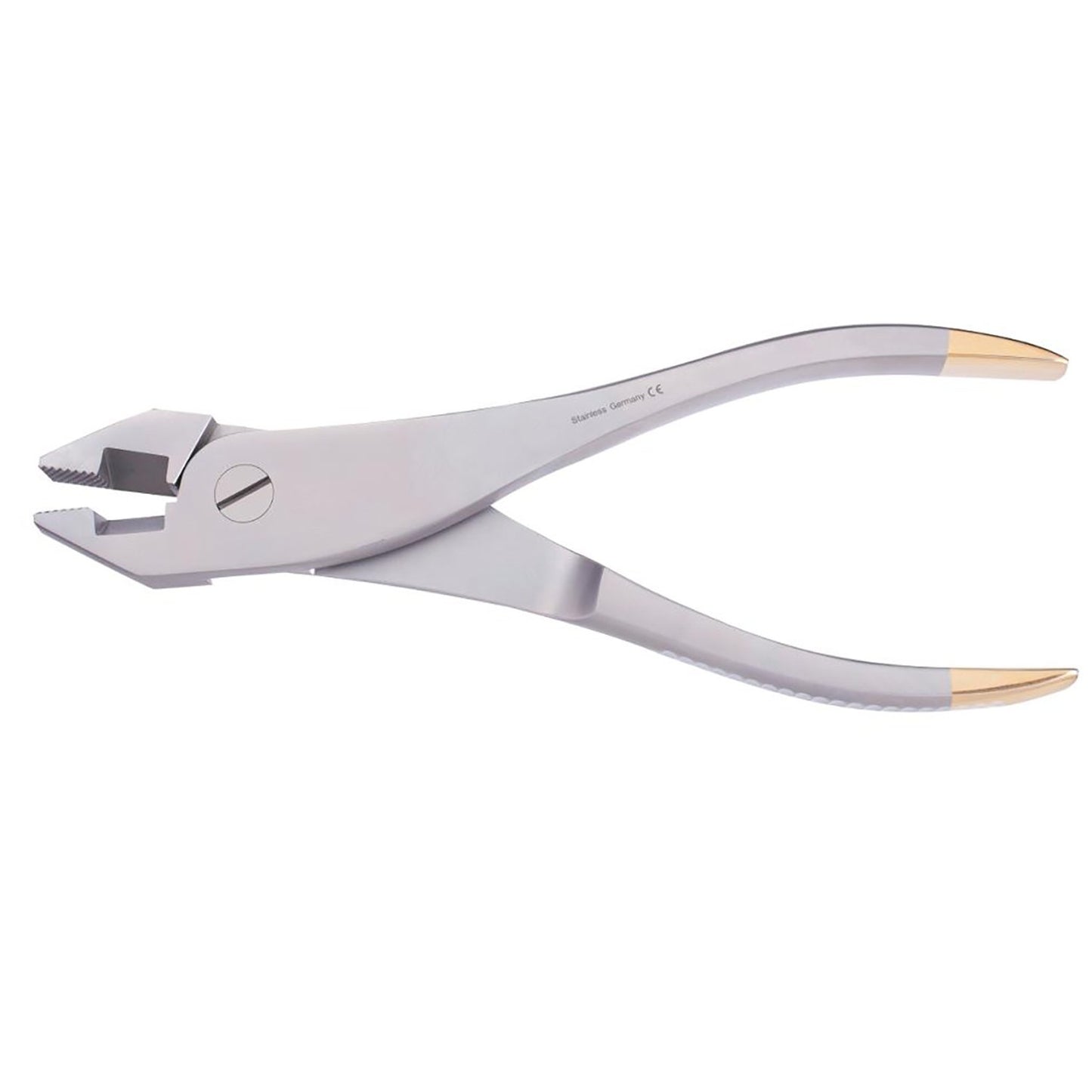

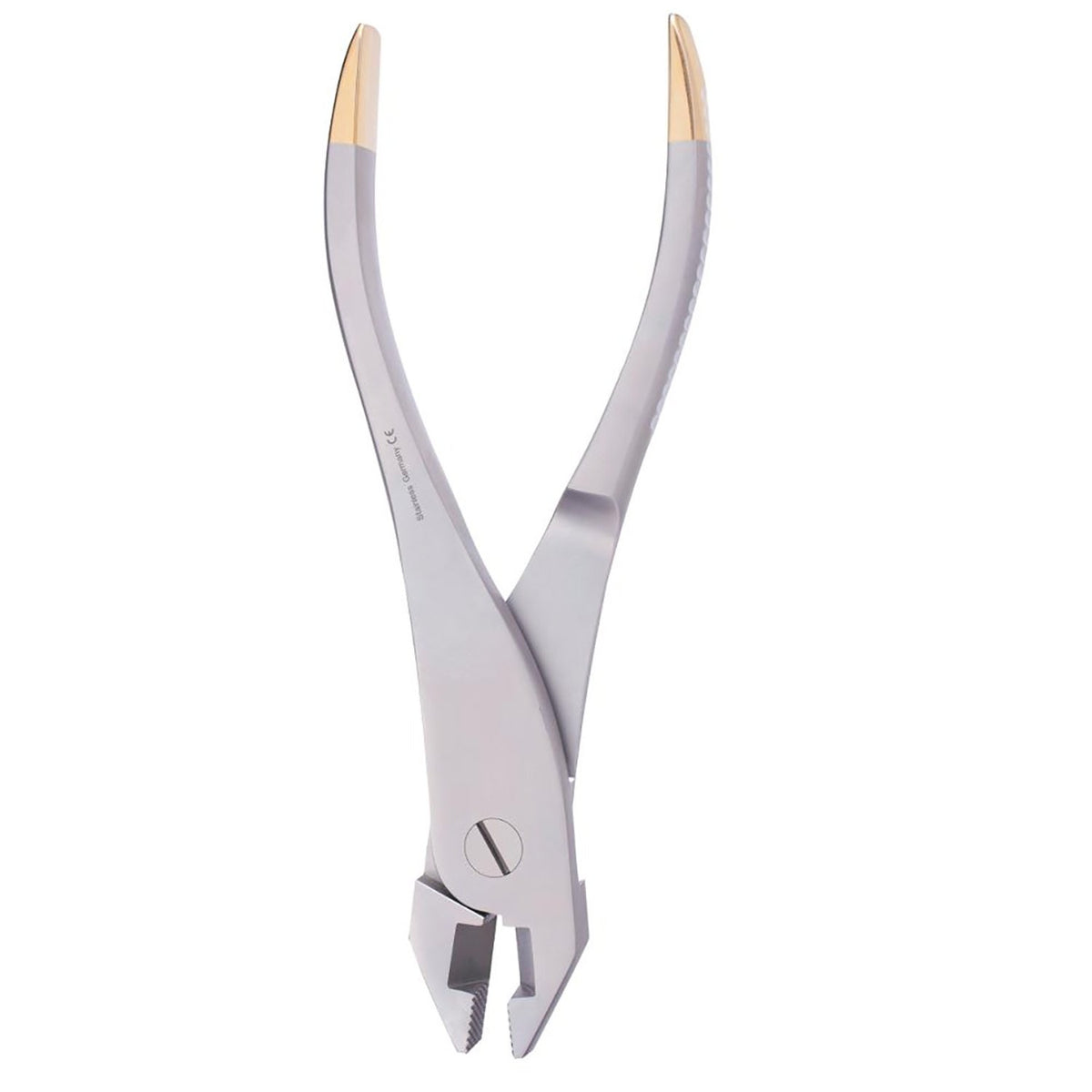
Tivnen Tonsil Seizing Forceps, SKU PS-5502, is an 8 inch, 20.3cm German stainless steel ENT grasping forceps designed for firm tonsillar tissue control during tonsillectomy, adenotonsillectomy, revision tonsil surgery, tonsillar fossa exposure, and selected oropharyngeal dissection workflows. The instrument has short serrated jaws, a screw-secured pivot, broad plier-style handles, a curved ergonomic shank, textured handle grooves, and gold-handle finish detailing for controlled manual compression under direct visualization. The serrated jaw profile is used to seize the tonsil capsule or exposed tonsillar pole so the surgeon can apply medial traction while dissection proceeds along the tonsillar bed. ENT surgeons, oral and maxillofacial surgeons, pediatric otolaryngology teams, dental hospital units, teaching centers, and veterinary ENT services can use this reusable Class I instrument in operating rooms, ambulatory surgical centers, specialty clinics, and distributor-managed ENT trays. Its medical grade stainless steel construction supports dull, mirror polish, gold handle, and custom finish preferences for sterile instrument set planning.
The Tivnen pattern is built around compact opposing jaws with serrated inner surfaces that increase purchase on tonsillar tissue during traction. When the handles are compressed, force passes through the screw-secured pivot into the short jaw profile, allowing the surgeon to secure the tonsil without relying on a long ring-handle clamp. The broad plier-style handle gives a direct tactile response as the bite engages the capsule or pole. The visible jaw opening allows controlled placement before compression, which is important when working near the tonsillar fossa after mucosal incision and initial exposure. The curved shank keeps the hand outside the immediate oral corridor while the working end remains aligned with the operative field. Textured grooves along the handle improve gloved control when irrigation, saliva, or blood is present. The instrument does not depend on a ratchet lock; the surgeon modulates pressure manually throughout traction. This mechanism supports controlled grasp, medial draw, release, and repositioning during progressive dissection.
During tonsillectomy, Tivnen Tonsil Seizing Forceps is introduced after mouth gag placement, exposure of the oropharynx, mucosal incision, and identification of the tonsillar plane. The jaws grasp the upper pole, lower pole, or exposed capsule depending on the stage of dissection and the surgeon’s preferred traction line. During cold dissection, the instrument can draw the tonsil medially while a dissector, snare, scissors, or suction cautery defines the extracapsular plane. In pediatric adenotonsillectomy, the 8 inch length gives reach into the oropharyngeal field while keeping the handle clear of the mouth gag and suction. In revision cases, the forceps supports controlled traction where scarring makes tissue planes less mobile. Oral and maxillofacial teams can use the same jaw control for selected oropharyngeal tissue handling when firm, short-jaw grasp is required. After each traction step, the surgeon releases, repositions, reassesses bleeding points, and continues exposure until the tonsillar fossa is cleared and hemostasis is confirmed.
PS-5502 is supplied as an 8 inch, 20.3cm instrument, a length suited to adult and pediatric ENT access where the working end must reach the tonsillar fossa while the handle remains outside the mouth opening. The size supports controlled use around Boyle-Davis, McIvor, and similar oral exposure setups without excessive handle bulk. Its short jaw profile is selected when the surgeon needs secure grasp on the tonsil rather than fine atraumatic tissue pickup. The serrations provide purchase on fibrous tonsillar tissue during medial traction, especially at the upper pole, lower pole, or capsule edge. The plier handle allows rapid manual adjustment during dissection, snare placement, hemostatic reassessment, and final inspection. This single-size design is suitable for ENT tonsil trays, oral surgery sets, pediatric otolaryngology instruments, teaching hospital inventories, and veterinary oropharyngeal surgical kits. Procurement teams can assign it as a dedicated tonsil seizing forceps for reusable surgical set assembly and replacement ordering.
Medical grade German stainless steel provides the rigidity, corrosion resistance, and dimensional stability required for repeated oropharyngeal tissue handling and hospital reprocessing. The listed finish options include dull, mirror polish, gold handle, and other procurement configurations, allowing facilities to align the instrument with tray appearance and operating room preference. Dull and satin-type surfaces reduce glare under headlight or microscope-adjacent lighting, while mirror-polished areas support visual inspection during receiving and count verification. After use, the serrated jaws, screw pivot, handle grooves, and inner jaw recesses require prompt cleaning so blood, mucus, and tissue residue do not dry on the instrument. Standard processing includes rinsing, manual brushing, ultrasonic cleaning, washer-disinfector treatment, drying, pivot lubrication, functional inspection, packaging, and sterilization according to facility protocol. EO sterile supply status, CE marking, ISO 13485 manufacturing controls, and FDA procurement context support reusable instrument purchasing for hospitals, clinics, distributors, and ENT supply departments.
| SKU | PS-5502 |
|---|---|
| Product Name | Tivnen Tonsil Seizing Forceps |
| Price | $49.50 |
| Size/Gauge Variants | 8 inch, 20.3cm |
| Instrument Category | ENT tonsil seizing forceps |
| Procedure | Tonsillectomy, adenotonsillectomy, revision tonsil surgery, tonsillar fossa exposure, oropharyngeal tissue traction |
| Material | Medical grade German stainless steel |
| Finish | Dull, mirror polish, gold handle, and custom finish options |
| Sterilization | EO sterile supply status; reusable instrument compatible with hospital sterile processing workflow |
| Instrument Classification | Class I surgical instrument |
| Reusable | Yes |
| Certifications | CE, ISO 13485, FDA |
| Warranty | 1 year |
| MOQ | 1 piece |
| OEM / Custom Orders | OEM available for procurement and distributor requirements |
| After-Sale Service | Return and replacement support |
How does Tivnen Tonsil Seizing Forceps differ from White Tonsil Forceps?
Tivnen Tonsil Seizing Forceps uses a plier-style handle and short serrated jaws for firm manual compression during tonsillar traction. White Tonsil Forceps commonly uses a ring-handle layout with a longer grasping profile for tissue handling during tonsil surgery. The Tivnen design gives direct hand pressure without relying on a ratchet lock. Its jaw shape is suited to securing the tonsillar pole or capsule edge while the surgeon controls traction continuously. White forceps can be preferred when a ring-handle grasping pattern fits the surgeon’s workflow. The clinically relevant difference is handle geometry, jaw profile, and the way compression is maintained during dissection.
When is the 8 inch size selected for tonsil procedures?
Tivnen Tonsil Seizing Forceps is supplied in an 8 inch, 20.3cm length. This size is selected when the surgeon needs reach into the oropharyngeal field while keeping the hand clear of the mouth gag, suction, and dissecting instrument. In tonsillectomy, the length supports controlled upper-pole, lower-pole, and capsule-edge traction. In pediatric adenotonsillectomy, it gives adequate reach without introducing the bulk of a longer general tissue forceps. In revision tonsil work, the short serrated jaw can help maintain firm purchase during scarred-plane dissection. The 8 inch pattern gives ENT tray planners a clear single-size option for routine tonsil seizing and oropharyngeal traction.
How do CE, ISO 13485, and FDA details support procurement?
Tivnen Tonsil Seizing Forceps is supplied with CE, ISO 13485, and FDA procurement context for Class I reusable surgical instrument purchasing. CE marking supports conformity documentation for healthcare markets requiring European medical device references. ISO 13485 indicates manufacturing under a medical device quality management system with controlled production and traceability. FDA procurement context supports hospitals, clinics, and distributors serving United States surgical instrument supply channels. These details assist tender submissions, vendor onboarding, operating room inventory approval, and distributor catalog documentation. The $49.50 price, one-piece MOQ, and one-year warranty support replacement orders and new ENT tray assembly.
How are the screw pivot, serrated jaws, and handle grip used intraoperatively?
The screw pivot guides the opposing jaws through a stable closing path and maintains alignment during manual compression. The surgeon places the serrated jaw on the tonsillar pole or capsule edge only after the intended traction point is visible. Handle pressure secures the tissue while medial traction exposes the dissection plane. The textured handle grooves support controlled grip when the hand is angled around the mouth gag or suction. Tivnen Tonsil Seizing Forceps is used with direct visual placement and continuous tactile feedback rather than blind grasping. After each traction step, the instrument is released, repositioned, and reassessed according to the dissection stage and hemostasis requirement.
What should sterile processing and supply teams check before reuse?
Sterile processing teams should clean Tivnen Tonsil Seizing Forceps immediately after surgery so blood, mucus, and tissue residue do not dry inside the serrated jaws, screw pivot, handle grooves, or jaw recesses. The working end should be opened during rinsing and manual brushing to expose the inner serrations. Ultrasonic cleaning and washer-disinfector cycles are followed by drying, lubrication of the pivot, inspection, packaging, and sterilization according to facility protocol. Supply teams should confirm stable jaw alignment, smooth pivot movement, and intact handle grip before tray assembly. Hospitals can assign this instrument to ENT tonsil sets, oral surgery trays, pediatric otolaryngology kits, teaching inventories, and veterinary oropharyngeal instruments. Distributors can use the one-piece MOQ, carton-box packing, finish options, and return or replacement service for practical stock planning.