
Featured Collection
Your cart
Featured Collection

PEAK SURGICALS
SKU:
Couldn't load pickup availability
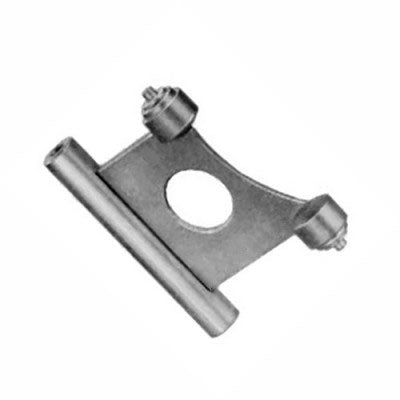
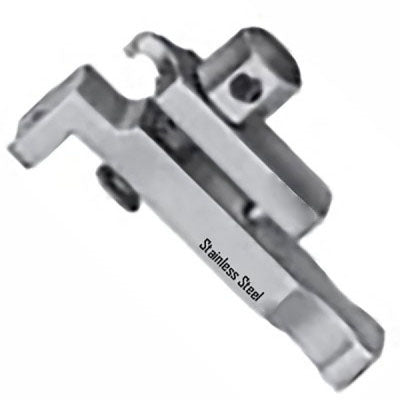
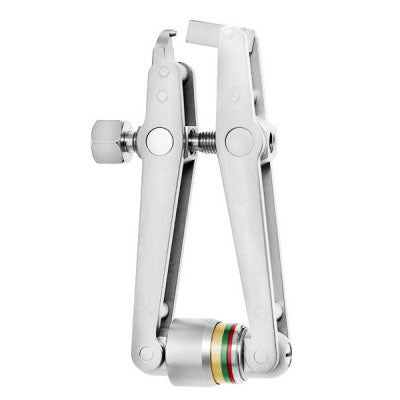
Introduction to a Tension Device
Tension devices are tension tool is a device or mechanical parts that are designed to apply, keep tension, or regulate tension on cables, wires, sutures, bands and mechanical equipment. In construction, machinery or medical procedures or in manufacturing processes, tension devices play an important function in ensuring stability, security, and precision.
The proper tension is crucial for many different applications. Insufficient tension could cause instability or even system failure. In contrast, excessive tension could cause structural damage. A tension device can help achieve the ideal balance that allows users to regulate the force with precision and guarantee the same level of performance. From cables to orthopedic surgery and heavy machinery operation, tension devices are essential tools in the professional environment.
What Is a Tension Device?
Basic Design and Structure
A tension device usually consists of a system that can be controlled to pull or stretching of materials. The design can differ based on the specific application, but typical elements are:
A clamping or gripping mechanism.
Control system for tension adjustment
The feature of locking or holding can be used to lock the device.
Metal or alloy construction that is durable
Some tensioners require hand manipulation, whereas others use hydraulic or mechanical devices to handle higher forces. The design guarantees steady and constant tension, while not damaging the materials that are being handled.
Key Features of a Tension Device
Adjustable Tension Control
One of the most significant characteristics is the ability to adjust the tension levels. This allows for flexibility across a variety of tasks, ranging from delicate surgical procedures to industrial processes.
Secure Locking Mechanism
The majority of tensioners have a locking system that keeps the tension applied until the task is complete. This can improve safety and precision.
Durable Construction
Made from high-strength metals like stainless steel or hardened alloy, tension devices are designed to withstand a lot of pressure and constant use without bending.
Advantages of Using a Tension Device
Precision and Consistency
A tension device guarantees uniform force distribution, thus reducing the chance of stretching unevenly or inadvertent misalignment. This is crucial for mechanical and medical applications.
Improved Safety
By stabilizing and controlling tensions, the devices prevent snapping or release that happens suddenly, which can cause injury or damage to equipment.
Increased Efficiency
The proper tension will reduce the amount of rework required and also material waste. It speeds up and allows for more precise task completion while reducing time and operational expenses.
Common Applications
Orthopedic and Surgical Procedures
In medical situations, tension devices are commonly employed during bone fracture repair as well as ligament repair. They aid in applying controlled tension to pins, wires or sutures to ensure that they are aligned properly and heal.
Cable and Wire Installation
In the field of construction and telecommunications, tension devices are crucial for securing cables, fencing, and suspension systems. A proper tension is essential to ensure the durability of the structure and its strength.
Industrial Machinery
Manufacturing systems depend on tensioners to ensure the alignment of conveyors and belts. A constant tension reduces the slide and increases the life of the equipment.
Automotive and Mechanical Use
In mechanical and automotive assembly, tensioners help ensure the security of components like tension belts, control cables and timing belts, which ensures the smooth operation.
Maintenance and Care
To ensure optimal performance:
Clean the device following every use.
Check moving components for damage or wear.
Make sure to grease mechanical components as needed.
Keep it in a temperature that is dry and non-corrosive environment.
Regular maintenance prolongs the life of the device and helps preserve the precision of the equipment.
Conclusion
Tension devices are essential devices designed to provide and sustain controlled pressure in a variety of professional applications. The adjustable tension control, as well as its secure locking mechanism and sturdy construction makes it suitable for industrial, medical, mechanical and construction work. Through ensuring safety, precision and efficiency in operation, it is proven to be a crucial element wherever precise force management is needed.


