Featured Collection
Your cart
Featured Collection

PEAK SURGICAL
SKU:PS-OT-0582
Couldn't load pickup availability
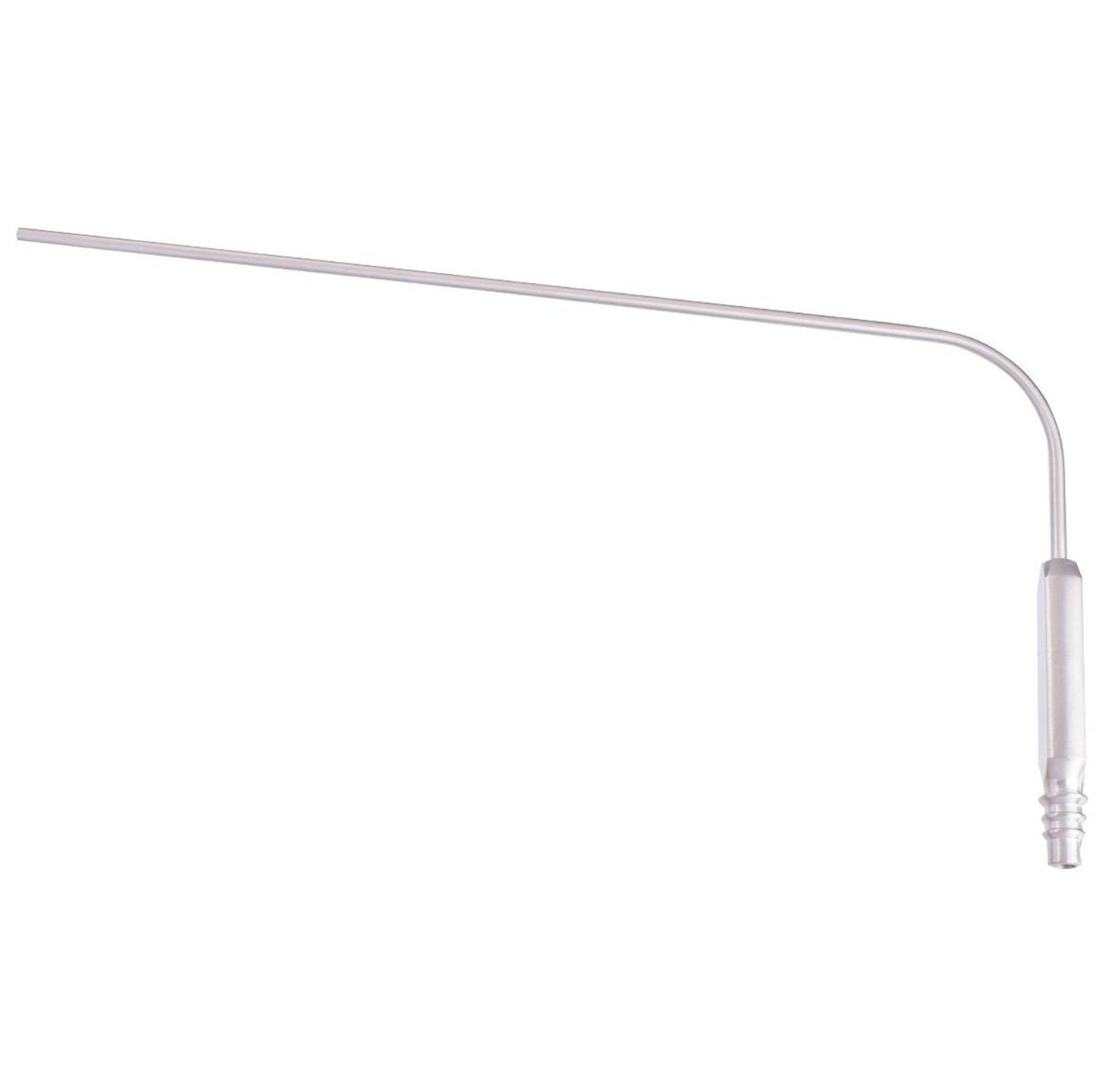
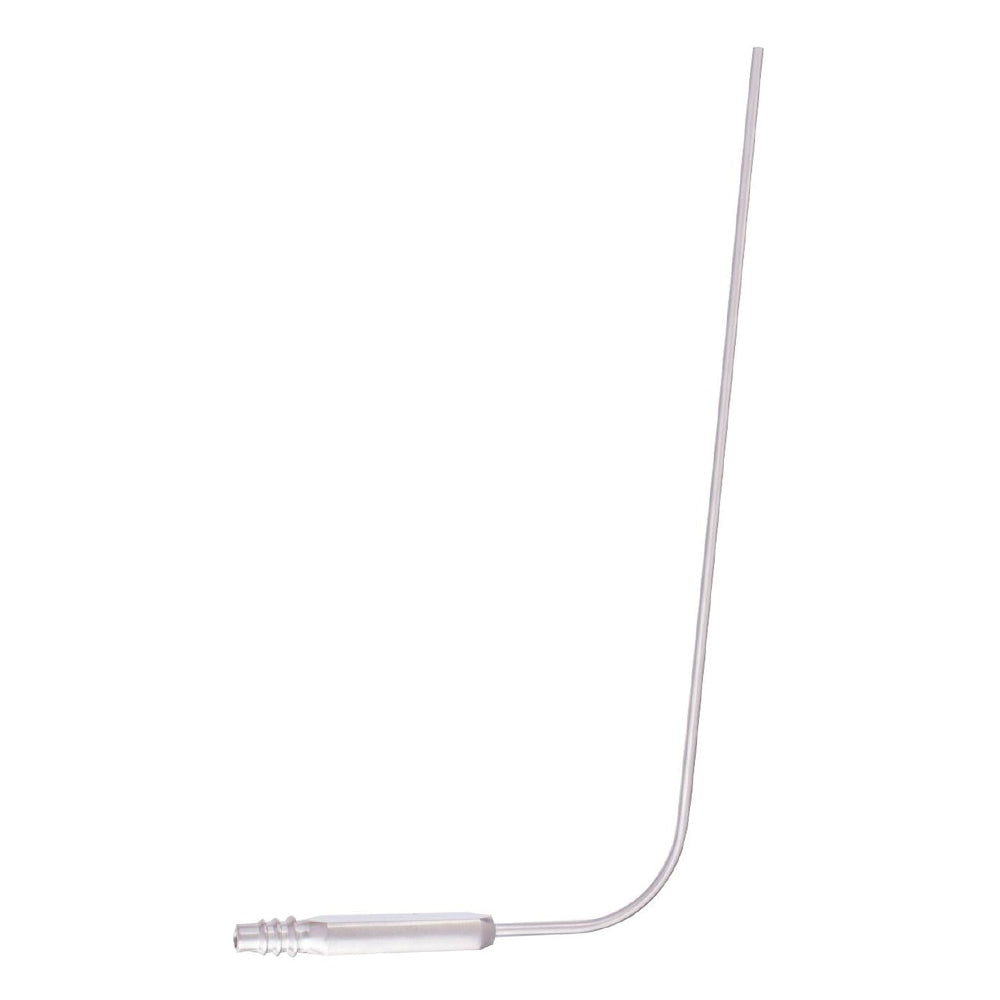
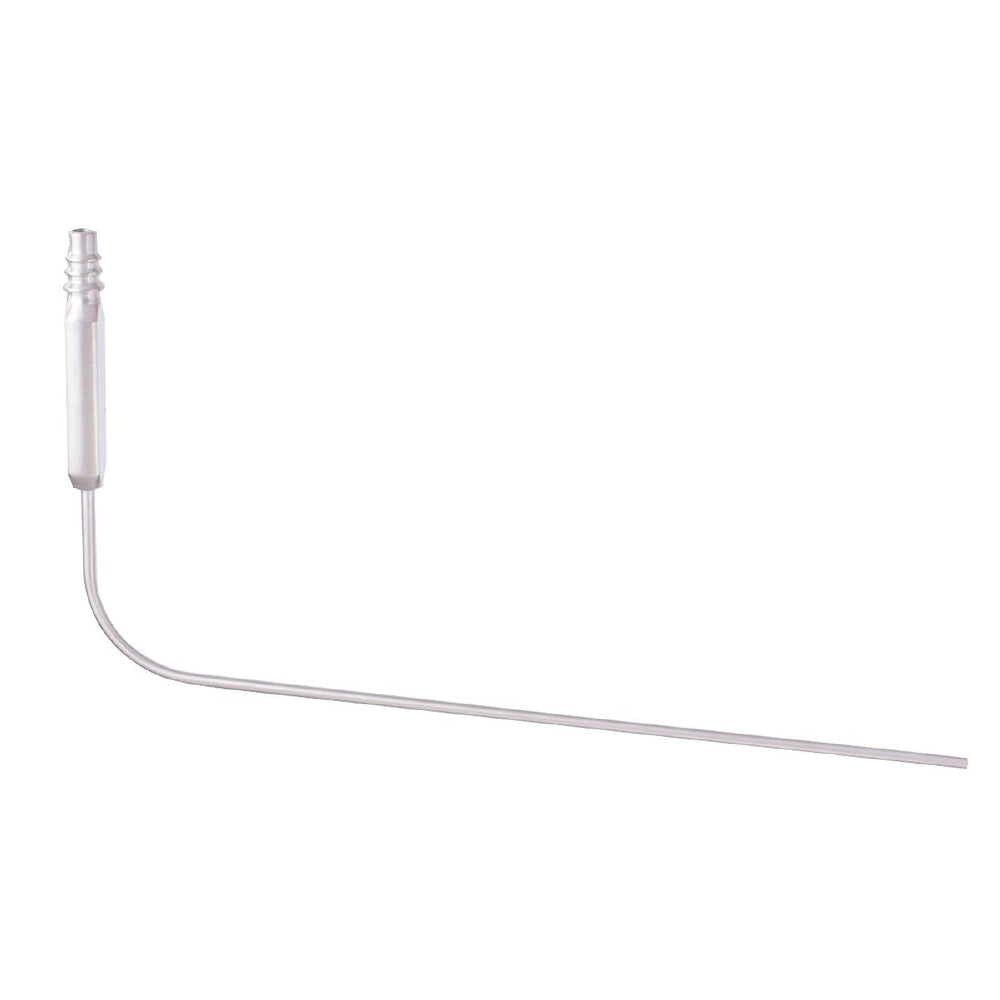
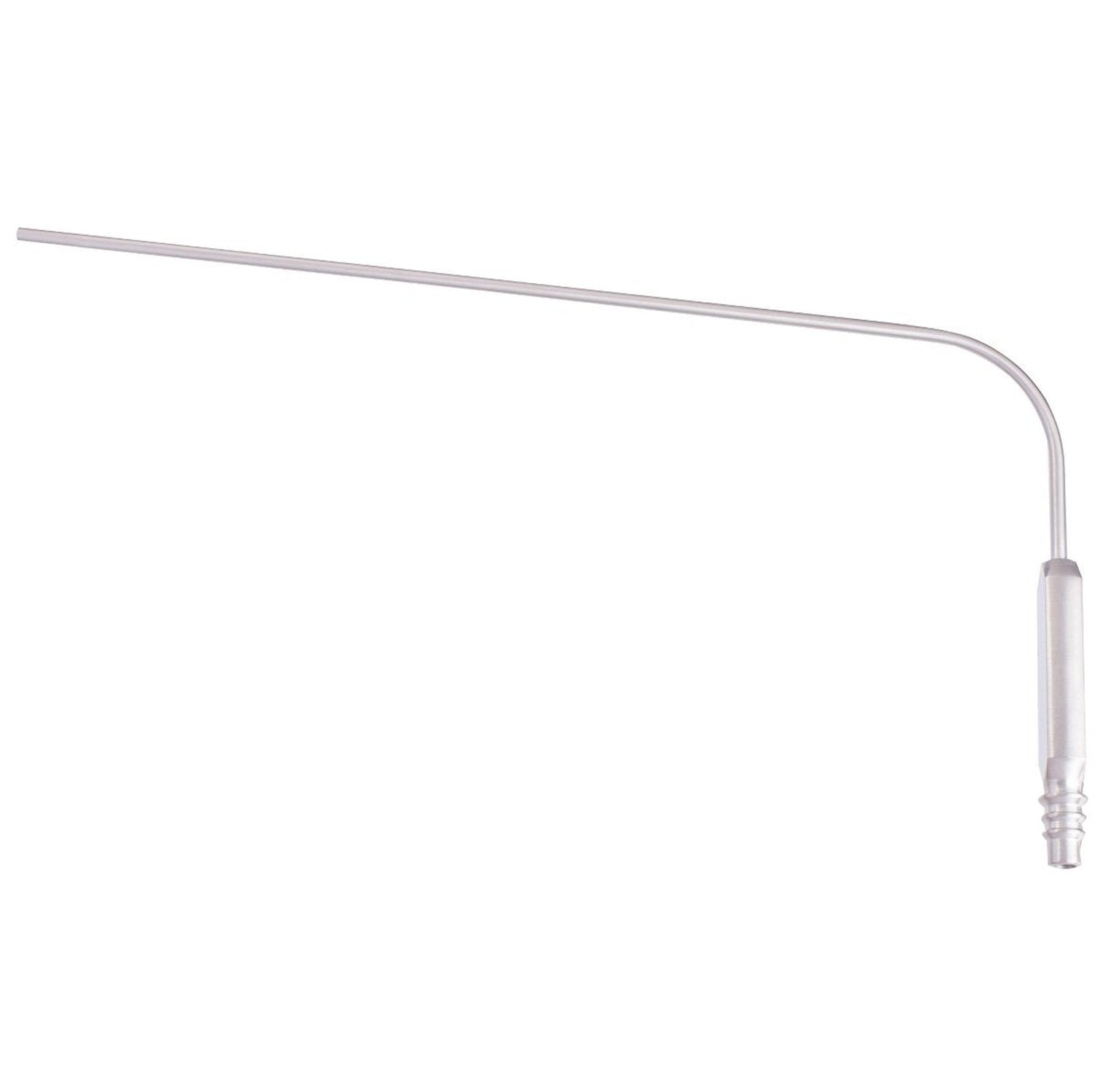
The Surgical Frazier Suction Tubes Malis Type from Peak Surgicals (SKU: PS-OT-0582) are reusable German Stainless Steel surgical suction tubes designed for precise aspiration in microsurgical, neurosurgical, ENT, and spinal procedures. This series includes PS-9967 7Fr, PS-9968 9Fr, and PS-9969 11Fr, with each instrument priced at $15.40. The visible design includes a long angled cannula, fine distal suction lumen, extended shaft, faceted handle, proximal connector hub, and stainless steel coupling for attachment to operating room suction tubing. Neurosurgeons, ENT surgeons, spine surgeons, plastic surgeons, hospital operating room teams, ambulatory surgical centers, and procurement departments use these suction tubes during craniotomy exposure, microsurgical dissection, laminectomy, discectomy, skull base access, tumor debulking, wound irrigation clearance, tympanoplasty support, sinus surgery assistance, and deep narrow-field aspiration. The Malis-type configuration supports controlled evacuation of blood, irrigation fluid, smoke condensate, bone dust, clot fragments, cerebrospinal fluid, and fine tissue debris from confined operative spaces where a broad suction tip would obscure the working field.
The Malis-type Frazier pattern uses a long angled cannula to position the distal lumen inside a narrow operative corridor while keeping the surgeon’s hand and suction tubing away from the direct line of sight. This geometry is valuable in microsurgical fields where the suction tip must work beside bipolar forceps, dissectors, nerve hooks, elevators, curettes, and fine scissors. The fine distal lumen localizes aspiration at a controlled point, allowing the surgeon to remove blood or irrigation without flooding the field with excessive suction draw. The angled shaft improves access around wound edges, retractors, microscope optics, endoscope shafts, and bony margins. The faceted handle improves rotational orientation because the surgeon can feel the cannula direction through the handle flats while working under magnification. The proximal connector hub transfers negative pressure from standard suction tubing into the internal channel and provides stable coupling during repeated repositioning. This shaft, handle, lumen, and connector arrangement supports accurate suction placement in neurosurgical, spinal, ENT, and small-field surgical workflows.
During craniotomy and skull base procedures, Surgical Frazier Suction Tubes Malis Type clear blood, irrigation, cerebrospinal fluid, and bone dust from narrow exposure corridors while the surgeon preserves visibility around dura, cortical surface, cranial nerves, vessels, and tumor margins. In microsurgical tumor debulking, the fine suction tip removes fluid and small debris without occupying the space required for bipolar coagulation or fine dissection. During laminectomy and discectomy, the angled cannula reaches around lamina edges, ligamentum flavum, epidural veins, nerve root sleeves, and disc space margins while keeping the field clear for curettes, Kerrison punches, and pituitary rongeurs. In ENT surgery, the smaller Fr sizes support aspiration around the ear canal, sinus cavity, nasal corridor, and soft tissue recesses where access is limited. During plastic and reconstructive procedures, the tube helps maintain a dry field during flap elevation, wound preparation, and delicate hemostasis. The long cannula is especially useful when the operative target lies deeper than the incision opening and hand position must remain outside the working window.
The PS-9967 7Fr size is the finest option in this series and is selected for delicate microsurgical aspiration where the surgeon needs a narrow tip profile and reduced suction draw. It is suited to neurosurgical dissection around nerves, vessels, dura, tumor capsule, and small bleeding points, as well as fine ENT and plastic surgery fields. The PS-9968 9Fr size provides a balanced lumen for routine microsurgical suction during craniotomy, spinal decompression, wound irrigation clearance, and moderate-depth soft tissue exposure. It gives more flow than 7Fr while preserving a slim working profile beside fine instruments. The PS-9969 11Fr size provides stronger aspiration for higher fluid volume, thicker irrigation, bone dust, clot fragments, and broader wound clearance in spine, cranial, and general small-field procedures. This three-size sequence allows the operating team to match lumen diameter to fluid burden, field depth, and tissue sensitivity. The surgeon selects 7Fr for precision, 9Fr for balanced flow, and 11Fr for stronger evacuation.
German Stainless Steel gives the Surgical Frazier Suction Tubes Malis Type the rigidity, corrosion resistance, and surface durability required for repeated operating room use. In microsurgical suction, shaft alignment is critical because a distorted cannula can redirect the tip toward neural tissue, vessel walls, dura, mucosa, wound edges, or bone surfaces instead of the intended fluid target. The listed satin, dull, and mirror finish options support different theatre preferences. Satin and dull finishes reduce glare under microscope, endoscope, headlight, or operating light illumination, while mirror finish provides a smooth external surface for post-cleaning inspection. After surgery, the tube is decontaminated, the internal lumen is flushed, the distal tip is inspected, the handle flats are cleaned, and the proximal connector is checked before steam sterilization by autoclave. The Class I classification, CE marking, ISO-13485 certification, and FDA compliance support hospital purchasing, distributor documentation, and international tender files. The listed 1-year warranty, MOQ of 1 piece, OEM availability, and return and replacement service support routine suction tray replacement.
| SKU | PS-OT-0582 |
|---|---|
| Product Name | Surgical Frazier Suction Tubes Malis Type |
| Price | $15.40 per piece |
| Size/Gauge Variants | PS-9967 7Fr, PS-9968 9Fr, PS-9969 11Fr |
| Instrument Category | Surgical Instruments / Frazier Suction Tubes / Malis Type |
| Procedure | Craniotomy, Microsurgical Dissection, Skull Base Surgery, Laminectomy, Discectomy, ENT Surgery, Wound Irrigation Clearance, Small-Field Aspiration |
| Material | German Stainless Steel |
| Finish | Satin, Dull, Mirror |
| Sterilization | Steam sterilizable / Autoclave compatible |
| Instrument Classification | Class I |
| Reusable | Yes |
| Certifications | CE, ISO-13485, FDA |
| Warranty | 1 Year |
| MOQ | 1 Piece |
| OEM / Custom Orders | Available |
| After-Sale Service | Return and Replacement |
How do Surgical Frazier Suction Tubes Malis Type compare with standard Frazier suction tubes?
Surgical Frazier Suction Tubes Malis Type are shaped for deeper microsurgical access with a long angled cannula and fine distal lumen. Standard Frazier suction tubes are widely used for general fine suction, but the Malis-type configuration is especially useful where the shaft must reach into a narrow operative corridor while the handle remains outside the field. The Malis-type pattern is well suited to neurosurgery, spine surgery, skull base access, and ENT microsuction because the long cannula gives controlled reach. Standard Frazier tubes remain useful for routine wound aspiration and general ENT work. The key difference is the emphasis on long angled access, fine directional control, and stable coupling in confined surgical spaces. For procurement, the Malis-type model adds a more specialized microsurgical suction option to standard suction trays.
Which Fr size is selected for each clinical workflow?
The 7Fr size is selected for delicate microsurgical aspiration around neural tissue, dura, small vessels, cranial nerves, tympanic structures, sinus recesses, and fine soft tissue planes. The 9Fr size is selected for balanced aspiration during craniotomy, laminectomy, discectomy, ENT microsurgery, and moderate wound irrigation clearance. The 11Fr size is selected when the surgeon needs stronger flow for blood, irrigation, bone dust, clot fragments, and broader deep-field clearance. Surgical Frazier Suction Tubes Malis Type in 7Fr, 9Fr, and 11Fr sizes allow the team to move from fine suction to stronger evacuation without changing instrument pattern. The smaller Fr size protects working space and lowers suction draw. The larger Fr size improves clearance when fluid load increases. This sizing sequence supports precise selection across neurosurgical, spinal, ENT, and small-field surgical procedures.
What do CE, ISO 13485, and FDA compliance mean for procurement?
CE marking supports conformity documentation for hospitals, clinics, and distributors sourcing reusable surgical instruments. ISO 13485 indicates that manufacturing is managed under a medical device quality management system with controlled production, inspection, and traceability. FDA compliance supports procurement files for buyers sourcing reusable stainless steel instruments for regulated markets. Surgical Frazier Suction Tubes Malis Type are Class I reusable instruments, which fits standard purchasing categories for non-powered suction tubes. These credentials help procurement officers compare the item against tender requirements, internal sourcing policies, and distributor documentation needs. German Stainless Steel construction, 1-year warranty, MOQ of 1 piece, and OEM availability strengthen the ordering record for repeat supply. For hospitals and surgical centers, the documentation aligns microsurgical suction function with regulated purchasing expectations.
How does the angled cannula improve intraoperative suction control?
The angled cannula improves control by positioning the distal suction opening at the target while keeping the handle, connector, and suction tubing away from the working line. This is important in microsurgery because the suction tube often shares the field with bipolar forceps, microdissectors, nerve hooks, curettes, and retractors. The angle lets the surgeon approach fluid around bony edges, neural structures, dural margins, wound recesses, and narrow ENT corridors without excessive hand elevation. Surgical Frazier Suction Tubes Malis Type also use a fine distal lumen, which limits unnecessary tissue draw compared with broad suction tips. The faceted handle helps maintain orientation so the surgeon knows which direction the bend and distal tip are facing. This gives predictable suction placement during craniotomy, spine exposure, and small-field ENT procedures. Controlled cannula orientation reduces field obstruction and improves precision during aspiration.
How should Surgical Frazier Suction Tubes Malis Type be cleaned and sterilized after surgery?
After surgery, the suction tube is decontaminated promptly so blood, clot, bone dust, tissue debris, saline residue, and irrigation fluid do not dry inside the lumen or connector. The internal channel is flushed until flow is clear because partial obstruction changes suction response during the next case. The distal tip is inspected for smoothness, alignment, and unobstructed opening before packaging. The handle and proximal connector are cleaned carefully so the instrument remains stable during handling and attachment to suction tubing. German Stainless Steel supports steam sterilization by autoclave after complete cleaning and drying. Surgical Frazier Suction Tubes Malis Type should return to the surgical tray only after the shaft, tip, lumen, handle, and connector are visually clean and functional. Proper reprocessing preserves aspiration accuracy, curve integrity, and repeated operating room usability.