Skip to product information
1 of 3

PEAK SURGICAL

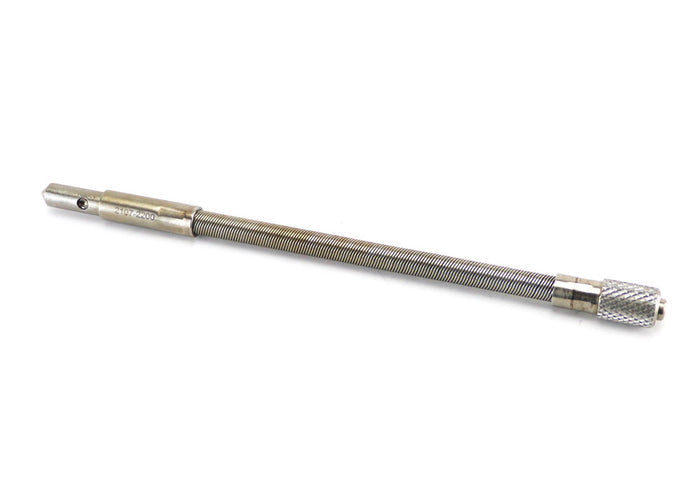
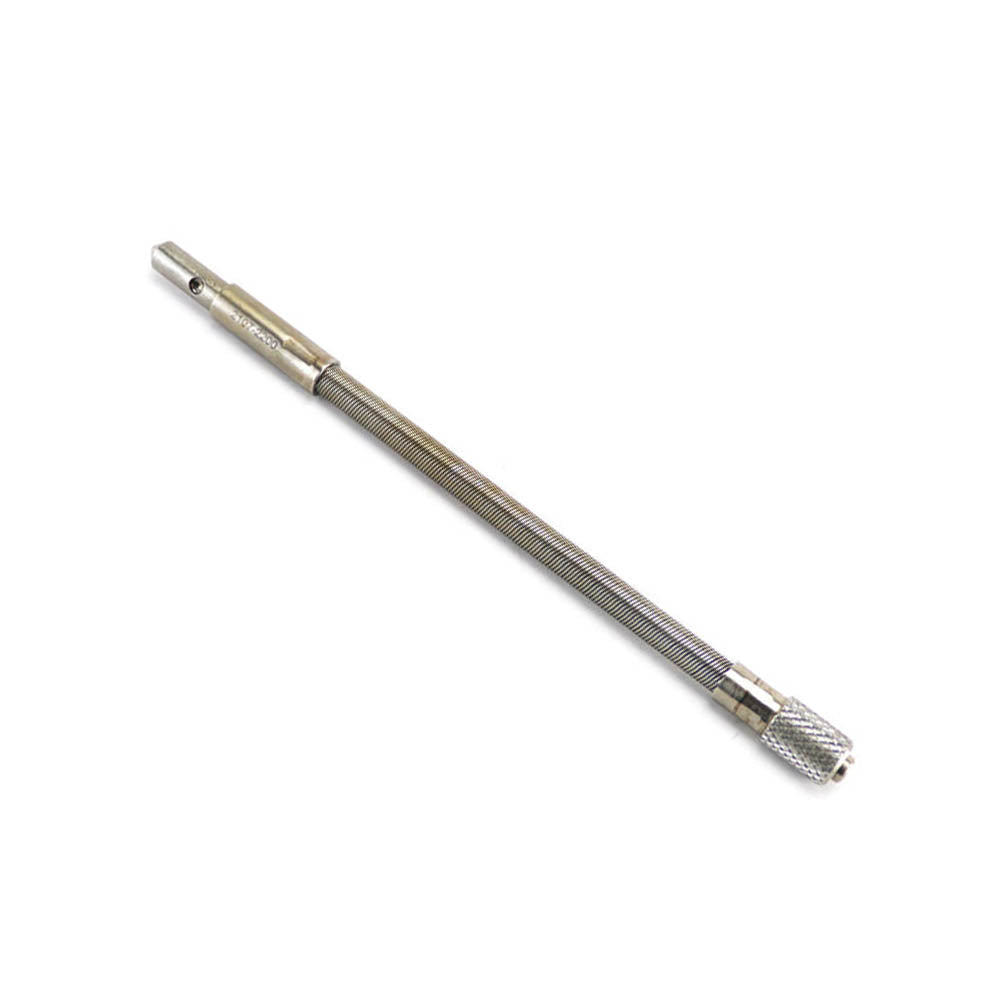
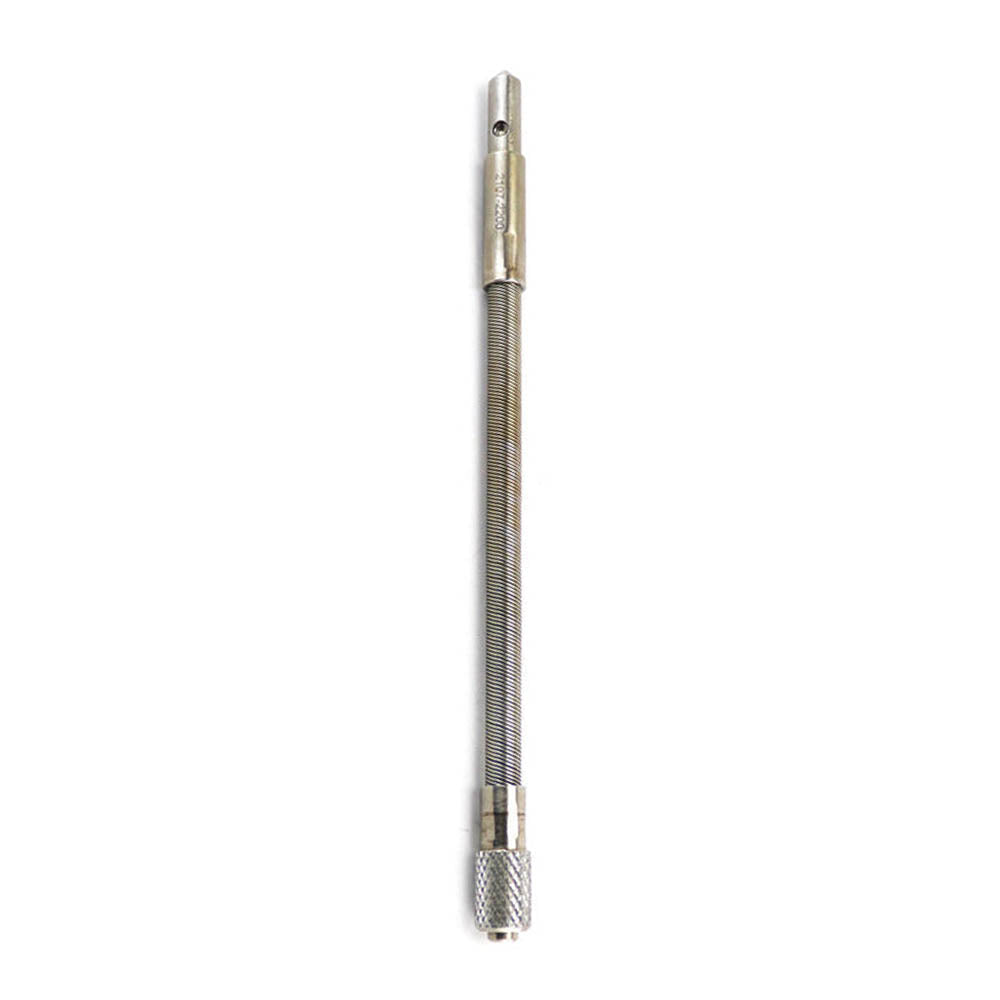
Stryker Detachable Flex Shaft Orthopedic Power Instrument Attachment

Stryker Detachable Flex Shaft Orthopedic Power Instrument Attachment

SKU:Ps-90036

Regular price $27.50 USD
Regular price Sale price $27.50 USD
Sale Sold out
Taxes included. Shipping calculated at checkout.
Quantity
  • 30 Days Money Back Guarantee.
  • 100% Quality Satisfaction.
  • Medical Grade Steel Reusable.
  • CE-CertificateCE Certified
  • FDA-CertificateFDA Certified
  • iso-certificateISO Certified
View full details

Stryker Detachable Flex Shaft – Advanced Surgical Power Transmission

The surgeon’s clinical necessity for flexible, high-torque power delivery. The Stryker Detachable Flex Shaft is a precision-engineered surgical attachment designed to solve the requirement for maneuverability in tight anatomical spaces during complex orthopedic procedures. By enabling rotational force transmission along non-linear trajectories, this shaft serves as a mechanical necessity for surgeons performing bone drilling, reaming, and reconstruction in regions where rigid handpieces lack sufficient access.

Key Features for Professional Surgical Workflow

  • High-Flexion Kinetic Core: Engineered with a specialized, fatigue-resistant internal drive cable. This design is a mechanical necessity for surgical accessibility; it maintains consistent rotational speed and torque delivery even when the shaft is bent at complex angles, allowing for bone preparation around bony prominences without manual obstruction.
  • Detachable Quick-Connect Interface: Features an industry-standard, secure-lock coupling system. This configuration is a mechanical necessity for surgical efficiency; it permits rapid attachment to the power handpiece and instrument tip, ensuring that the surgical team can transition between different power attachments without delaying the operative workflow.
  • Precision-Aligned Torsional Stability: Built with an outer casing that restricts whipping while permitting total flexibility. This stability is a mechanical necessity for procedural accuracy; it prevents the shaft from “snapping” or losing control under load, ensuring that the drilling or reaming tip remains perfectly positioned during high-torque bone resection.
  • Bio-Inert Surgical-Grade Materials: Manufactured from high-tensile, corrosion-resistant steel and medical-grade polymers. This material composition is a mechanical necessity for maintaining longevity and surface integrity through hundreds of high-vacuum steam sterilization cycles in high-volume ORs.
  • Streamlined Maneuverability: Designed with a slim, low-profile chassis. This geometry is a mechanical necessity for minimizing soft-tissue trauma during the shaft’s passage through deep, narrow surgical approaches, where every millimeter of clearance is critical for patient safety.
  • Universal System Compatibility: Engineered to integrate seamlessly with existing Stryker power equipment. This compatibility is a mechanical necessity for clinical operational efficiency, ensuring that the shaft functions reliably within the facility’s current surgical ecosystem.

Detailed Product Description

The Stryker Detachable Flex Shaft is the essential component for any orthopedic surgeon requiring “around-the-corner” power. In trauma and reconstructive surgery, the angle of approach to a fracture site is often dictated by the injury pattern, not by the ergonomics of a rigid power drill; the Flex Shaft acts as the mechanical necessity that decouples the handpiece position from the drilling angle, granting the surgeon total spatial freedom.

At its core, the device is designed for reliability under extreme mechanical stress. During prolonged reaming or drilling of dense cortical bone, the internal components of a flex shaft are subjected to massive torsional loads. The Stryker shaft’s robust internal engineering is a mechanical necessity to prevent power loss to heat or internal friction. Still, it is instead delivered directly to the instrument tip, where it is needed for effective bone removal.

Built to exceed international benchmarks for orthopedic surgical hardware, this shaft is a fully reusable, durable asset designed for rigorous utility in high-performance surgical suites. Its combination of flex-range and torque-stability makes it an indispensable component for surgeons who demand uncompromising performance in the most challenging anatomical environments.

Technical Specifications & Geometry

Feature Details

Instrument Style Detachable Flexible Drive Attachment

Drive Mechanism High-Torque Internal Kinetic Cable

Coupling Interface Universal Stryker Quick-Connect System

Flexibility Profile Multi-Directional Torsional Stability

Surface Finish Corrosion-Resistant Surgical Passivation

Material Base Premium Fatigue-Resistant Steel & Medical Polymer

Reprocessing Limits Fully Autoclavable / High-Vacuum Steam-Safe

Certifications CE, ISO, Professional Surgical Grade

Primary Clinical Applications:

  • Orthopedic Trauma: Precision drilling and reaming in complex or restricted fracture sites.
  • Joint Replacement: Facilitating bone preparation in tight joint spaces where rigid tools cannot reach.
  • Reconstructive Surgery: Enabling multi-angle bone resection and fixation preparation.
  • Minimally Invasive Approaches: Allowing power-tool use through small, strategically placed surgical portals.
  • Surgical Workflow: A high-utility component of any advanced power tool set used in large-bone surgery.

Why Orthopedic Surgical Teams Choose Stryker Flex Shafts?

  • Anatomical Accessibility: Flexibility is a mechanical necessity for modern surgical techniques, enabling surgeons to bypass obstructions without additional tissue-damaging incisions.
  • Reliable Torque Transfer: The precision-machined core is a mechanical necessity for ensuring consistent power delivery, which is vital when drilling through dense, sclerotic bone.
  • Procedural Speed: The quick-connect interface is a mechanical necessity for OR staff, enabling rapid equipment changes that keep procedures moving efficiently.
  • Surgical Durability: The surgical-grade construction is a mechanical necessity for the clinic’s bottom line, ensuring the instrument remains a dependable part of the surgical tray for years of repeated hospital use.

FAQ Section

Q: Does the shaft lose torque when bent?

A: Because of the precision-engineered kinetic core, the loss of torque is negligible. Maintaining the shaft’s designed radius of curvature is a mechanical necessity to ensure optimal power transmission.

Q: How do you lubricate the internal cable?

A: Proper reprocessing is a mechanical necessity. Following the manufacturer’s specific guidelines for cleaning and lubricative maintenance after each sterilization cycle is a mechanical necessity to prevent cable binding.

Q: Can it be used for both drilling and reaming?

A: Yes. The high-torque capability is a mechanical necessity for both high-speed drilling and lower-speed, high-torque reaming tasks.

Q: How do you inspect for wear and tear?

A: Periodic inspection is a mechanical necessity. Before every use, check the shaft for “kinks” or excessive friction when spinning manually; this is a mechanical necessity to ensure safe surgical performance.

Q: Is the quick-connect mechanism compatible with all handpieces?

A: It is a mechanical necessity to ensure the handpiece and shaft coupling are properly matched; always verify the compatibility index provided by the manufacturer.