Featured Collection
Your cart
Featured Collection

PEAK SURGICAL
SKU:PS-O T-01497
Couldn't load pickup availability
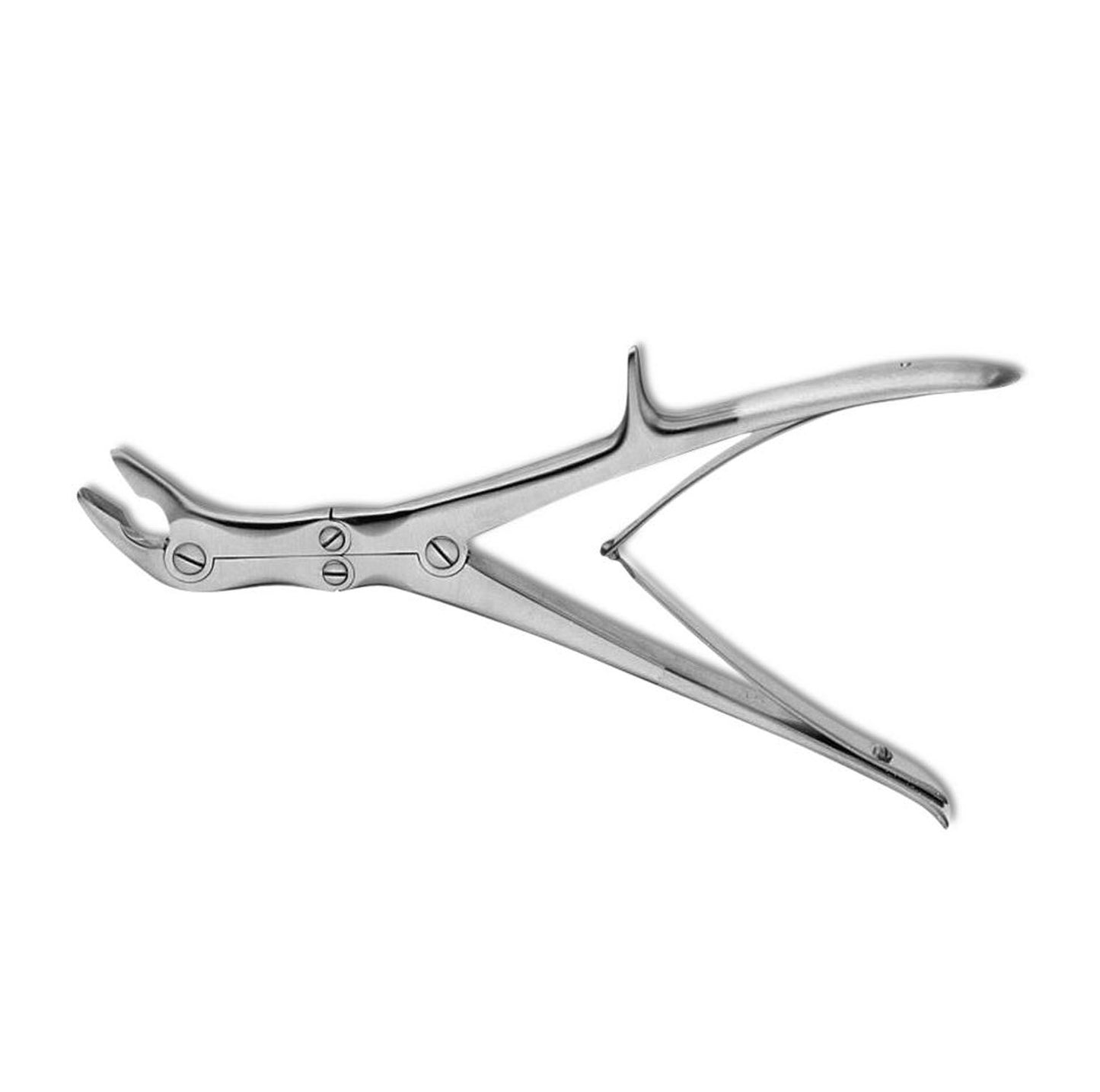

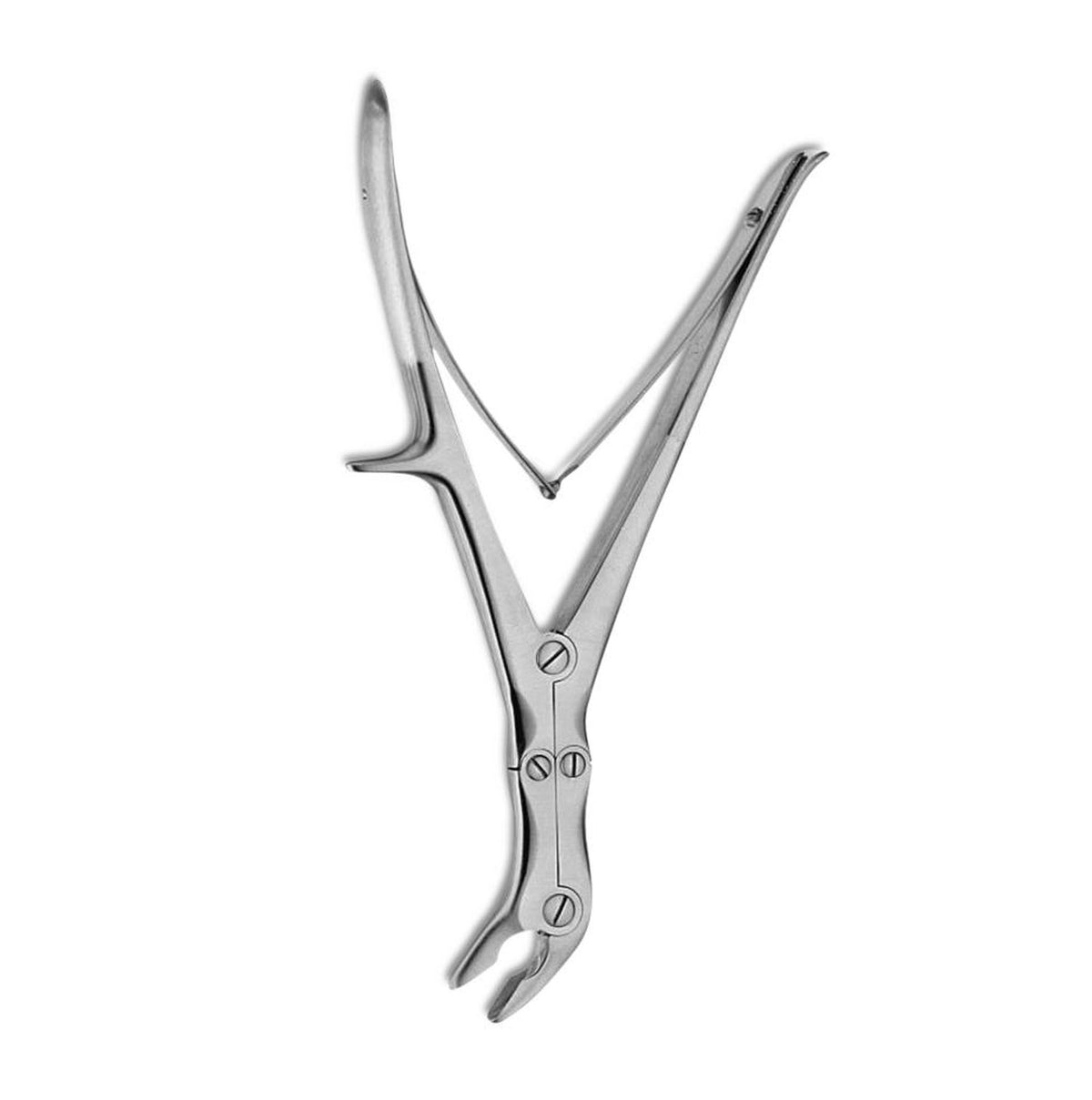
Stille Type Rongeur Forceps, SKU PS-O T-01497, is a German stainless steel bone rongeur for controlled biting removal of cortical and cancellous tissue in orthopedic, spine, maxillofacial, podiatric, hand, foot, and veterinary procedures. The available variants are PS-9452 with 3mm wide jaws and PS-9453 with 6mm wide jaws, giving the surgeon a defined choice between fine edge trimming and broader osseous reduction. The instrument uses curved cupped jaws, a double-action pivot assembly, screw-secured linkage, long lever handles, a raised finger rest, and a spring return that reopens the working end after each bite. It is used during laminectomy margin cleanup, laminotomy edge refinement, osteophyte excision, dorsal exostectomy, arthrodesis bed preparation, fracture-edge contouring, small-fragment osteoplasty, craniofacial bone shaping, and veterinary orthopedic joint-margin work. Orthopedic surgeons, spine surgeons, oral and maxillofacial surgeons, podiatric surgeons, hand specialists, and veterinary surgical teams can place it in operating rooms, ambulatory centers, specialty clinics, and distributor-managed instrument trays requiring reusable CE, ISO 13485, and FDA-compliant supply documentation.
This Stille pattern works through a double-action lever rather than a single hinge, so hand pressure is transferred through linked pivots before reaching the bite. The long handles create mechanical advantage, while the screw-secured joints keep the opposing arms aligned during repeated compression. Its curved working end places the cupped jaws against exposed lamina, osteophyte, exostosis, metatarsal ridge, or craniofacial bony margin without forcing the surgeon’s hand directly over the operative site. The jaws close in a focused nibbling movement, allowing measured fragment removal instead of broad crushing. The raised finger rest assists directional control when the wrist is angled, and the spring return separates the handles after each bite so the next placement can be made quickly under direct vision. The open linkage design also lets the assistant inspect and clear the recesses between passes. This mechanism is especially useful when the resection line must follow a curved surface, a thin cortical ledge, or a fusion bed where excessive bite depth would compromise the prepared margin.
In orthopedic workflow, Stille Type Rongeur Forceps is introduced after exposure, soft-tissue protection, and preliminary bone access have created a clear working corridor. During posterior spine cases, the 3mm jaw refines laminar borders after burr or osteotome preparation, while the wider option addresses accessible cancellous shelves during decompression cleanup away from neural elements. In foot and ankle surgery, the instrument removes dorsal metatarsal spurs, contours arthrodesis surfaces, and smooths resected joint margins before fixation. Hand surgeons use the narrow bite for phalangeal, metacarpal, or carpal edge correction where tendon and capsular clearance is restricted. Oral and maxillofacial teams select the curved jaw for localized mandibular, maxillary, or craniofacial reshaping after osteotomy or fracture exposure. Veterinary orthopedic teams use the same bite mechanics in companion-animal joint-margin cleanup and small-fragment contouring. The workflow is bite, withdraw, clear debris, reassess the contour, and continue along the planned line with continuous visualization. Irrigation and palpation follow final trimming before fixation, closure, or placement of adjunct instrumentation.
PS-9452 provides 3mm wide jaws for confined access, delicate contouring, and short bite progression. It is selected when the surgical field includes narrow posterior spinal windows, small hand bones, phalangeal prominences, metacarpal margins, carpal ridges, or focal craniofacial edges. The smaller width allows sequential removal in tight corridors and supports work near protected neural, tendon, capsular, or periosteal structures. PS-9453 provides 6mm wide jaws for broader bone purchase in open exposures where the surgeon needs to reduce more tissue per handle compression. It is suited to dorsal foot exostoses, accessible osteophytes, cancellous fusion-bed preparation, and larger cortical shelves after saw, burr, or osteotome work. Both model numbers use the same Stille handle geometry, spring return, and double-action force transfer, so tray selection depends on access, bite volume, target density, and required contour precision. Hospitals and distributors commonly pair both sizes in orthopedic rongeur sets to support spine, podiatry, hand, maxillofacial, and veterinary case variation without changing instrument family layout configuration.
German stainless steel provides the rigidity and corrosion resistance required for a reusable rongeur exposed to hard osseous contact, alkaline cleaning chemistry, and repeated steam sterilization. The listed finish options are satin, dull, and mirror, giving procurement teams compatibility with different operating room preferences. Satin and dull surfaces reduce glare under overhead lights, while a mirror surface supports rapid visual inspection during receiving, tray assembly, and final count checks. After use, the jaws, screw heads, pivots, spring, and inner linkage recesses require prompt cleaning so cortical chips and marrow residue do not dry inside the mechanism. Standard processing includes rinsing, ultrasonic cleaning, washer-disinfector treatment, drying, lubrication of moving joints, inspection of bite alignment, packaging, and steam autoclave exposure according to facility protocol. CE marking, ISO 13485 manufacturing controls, and FDA procurement context support hospital vendor approval, distributor cataloging, and Class I reusable instrument documentation. MOQ of one piece, OEM availability, one-year warranty, and return or replacement service fit both single-unit replacement and tray replenishment programs.
| SKU | PS-O T-01497 |
|---|---|
| Product Name | Stille Type Rongeur Forceps |
| Price | $49.50 |
| Size/Gauge Variants | PS-9452 jaws 3mm wide; PS-9453 jaws 6mm wide |
| Instrument Category | Orthopedic bone rongeur forceps |
| Procedure | Laminectomy margin cleanup, laminotomy edge refinement, osteophyte excision, dorsal exostectomy, arthrodesis bed preparation, small-fragment osteoplasty, craniofacial bone shaping |
| Material | German stainless steel |
| Finish | Satin, dull, or mirror finish |
| Sterilization | Reusable instrument compatible with hospital steam autoclave sterilization workflow |
| Instrument Classification | Class I surgical instrument |
| Reusable | Yes |
| Certifications | CE, ISO 13485, FDA |
| Warranty | 1 year |
| MOQ | 1 piece |
| OEM / Custom Orders | Available for procurement and distributor requirements |
| After-Sale Service | Return and replacement support |
How does Stille Type Rongeur Forceps differ from Luer Rongeur Forceps?
Stille Type Rongeur Forceps uses a longer double-action handle system and curved cupped jaws for controlled bone biting in deeper or more angled open exposures. Luer Rongeur Forceps usually has a shorter body and is commonly selected for general bone nibbling where access is more direct. The Stille pattern provides increased leverage through linked pivots, which supports repetitive removal of dense cortical ridges. Its curved jaw profile helps the surgeon approach lamina, metatarsal spurs, osteophytes, and craniofacial margins from an offset angle. The Luer pattern is useful for open trimming but offers a different hand position and force path. For cases requiring extended reach, spring-assisted reopening, and controlled bite progression, the Stille design is the more appropriate selection.
Which jaw width should be selected for this rongeur?
Stille Type Rongeur Forceps is available in PS-9452 with 3mm jaws and PS-9453 with 6mm jaws. The 3mm version is selected for confined posterior spine windows, phalangeal margins, metacarpal edge work, carpal ridges, and focal craniofacial contouring. Its smaller bite width supports controlled removal near neural, tendon, capsular, or periosteal structures. The 6mm version is used when exposure is broader and the target permits larger fragment removal. It is suited to dorsal foot exostoses, accessible osteophytes, cancellous arthrodesis beds, and larger cortical shelves. Surgeons can move from the 6mm jaw for initial reduction to the 3mm jaw for final contour correction within the same tray setup.
How do CE, ISO 13485, and FDA details support hospital procurement?
Stille Type Rongeur Forceps is supplied with CE, ISO 13485, and FDA procurement context for Class I reusable surgical instrument purchasing. CE marking supports conformity documentation for healthcare markets requiring European device compliance references. ISO 13485 indicates manufacturing under a medical device quality management system with controlled processes and traceable production standards. FDA procurement context supports purchasing teams serving United States clinical and distributor channels. These details are relevant for tender submissions, vendor onboarding, operating room inventory approvals, and distributor catalogs. The $49.50 price, one-piece MOQ, and one-year warranty make the instrument suitable for both replacement orders and new orthopedic set assembly.
How are the spring handle, pivots, and screw joints used during surgery?
The spring handle reopens the working end after each bite, allowing the surgeon to advance along the bone margin without manually separating the handles. The linked pivots convert hand compression into concentrated closing force at the cupped jaws. Screw-secured joints maintain alignment between the arms so the bite remains centered during repeated use. The raised finger rest helps control direction when the wrist is angled around retractors or limited exposure. In Stille Type Rongeur Forceps, these control features support measured nibbling rather than uncontrolled crushing. The surgeon places the jaw on the exposed target, confirms the bite line, compresses the handle, withdraws the fragment, and reassesses the contour before continuing.
What should sterile processing and supply teams consider before reusing it?
Sterile processing teams should clean Stille Type Rongeur Forceps immediately after surgery so bone chips and marrow residue do not dry inside the jaws, pivots, spring, or linkage recesses. The working end should be opened during rinsing and mechanical cleaning to expose the biting surfaces. Ultrasonic cleaning and washer-disinfector cycles are followed by drying, lubrication of moving joints, inspection, packaging, and steam autoclave sterilization. Supply teams should inspect the jaw edges for alignment and confirm that the spring action returns smoothly before tray assembly. Hospitals can stock both PS-9452 and PS-9453 to cover fine and broader osseous trimming in orthopedic, spine, hand, foot, maxillofacial, and veterinary sets. Distributor orders can use the one-piece MOQ, OEM availability, one-year warranty, and return or replacement support for practical inventory management.