
Featured Collection
Your cart
Featured Collection

PEAK SURGICALS
SKU:
Couldn't load pickup availability
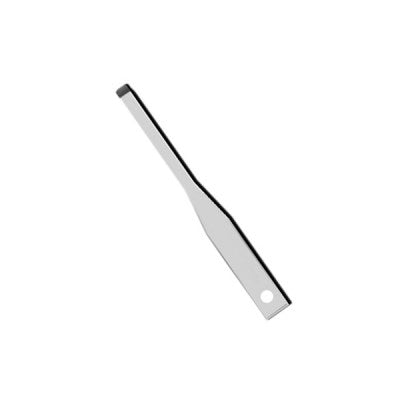
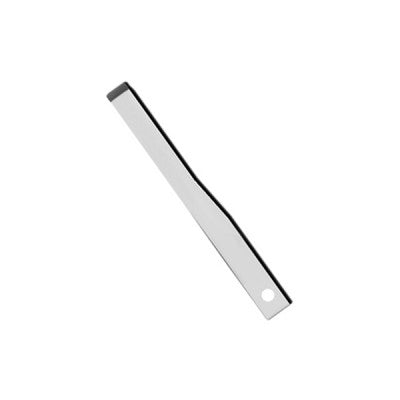
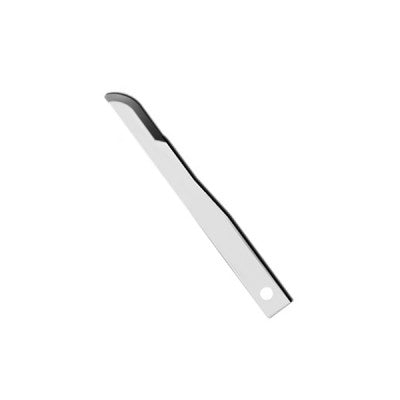
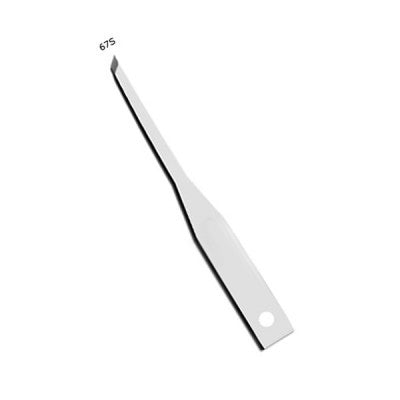
Beaver-type surgical blades are specially designed, small-profile blades that are designed to perform intricate surgical procedures when scalpel blades are too heavy. The name is derived from the manufacturer who originally developed the blade; this "Beaver" design is now an industry standard in microsurgery. It is a breakthrough in mobility and clarity.
Contrary to traditional flat blades, Beaver blades are typically three-dimensional (tapered, angled, or curving) and are specifically designed to fit in particular hexagonal or circular collet handles.
When searching for the sterile Beaver design blades, high-quality and material composition are top priorities. Most premium blades include:
Beaver blades are available in a variety of designs that are specifically designed for specific cuts. Below are the most popular sizes used in the industry:
Blade Type Shape/Description Primary Use Cases
No. 61 Chisel / Squared Tip Procedures for orthopedics and podiatry.
No. 62 Small Curved Tip: A general microsurgery procedure and delicate tissue dissection.
No. 64 Sharp Point / Tapered Common is used in ENT as well as Ophthalmic surgery to perform stapedectomy.
No. 65 Lance Tip Incisions for precision stabbing and small vessels work.
No. 67 Small Rounded Tip Surgery for plastics and precise reconstruction work.
No. 69 Sharp All-Around Multi-directional cutting in tight areas.
In fields such as Ophthalmology, ENT, and Neurosurgery Space is often limited. The thin shape of the Beaver blade enables surgeons to operate under a microscope without the tool blocking the field of view.
Since these blades are single-use and sterilized They remove the possibility of cross-contamination. The most recent versions also have clearly labelled hubs with colour codes to ensure that there are no selection mistakes when performing high-stress procedures.
The precision and precise design of Beaver blades allow for accurate control of depth. This means better surgical margins and, in the end, better outcomes for patients and less scarring.
To ensure the quality of these instruments that are precision:
