
Featured Collection
Your cart
Featured Collection

PEAK SURGICAL
SKU:
Couldn't load pickup availability
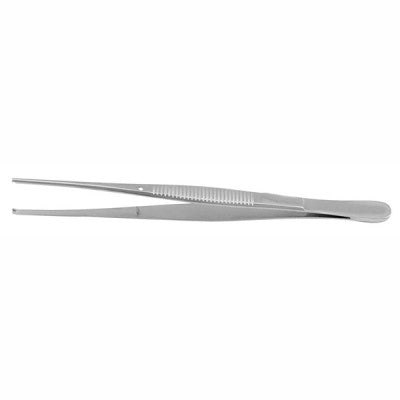
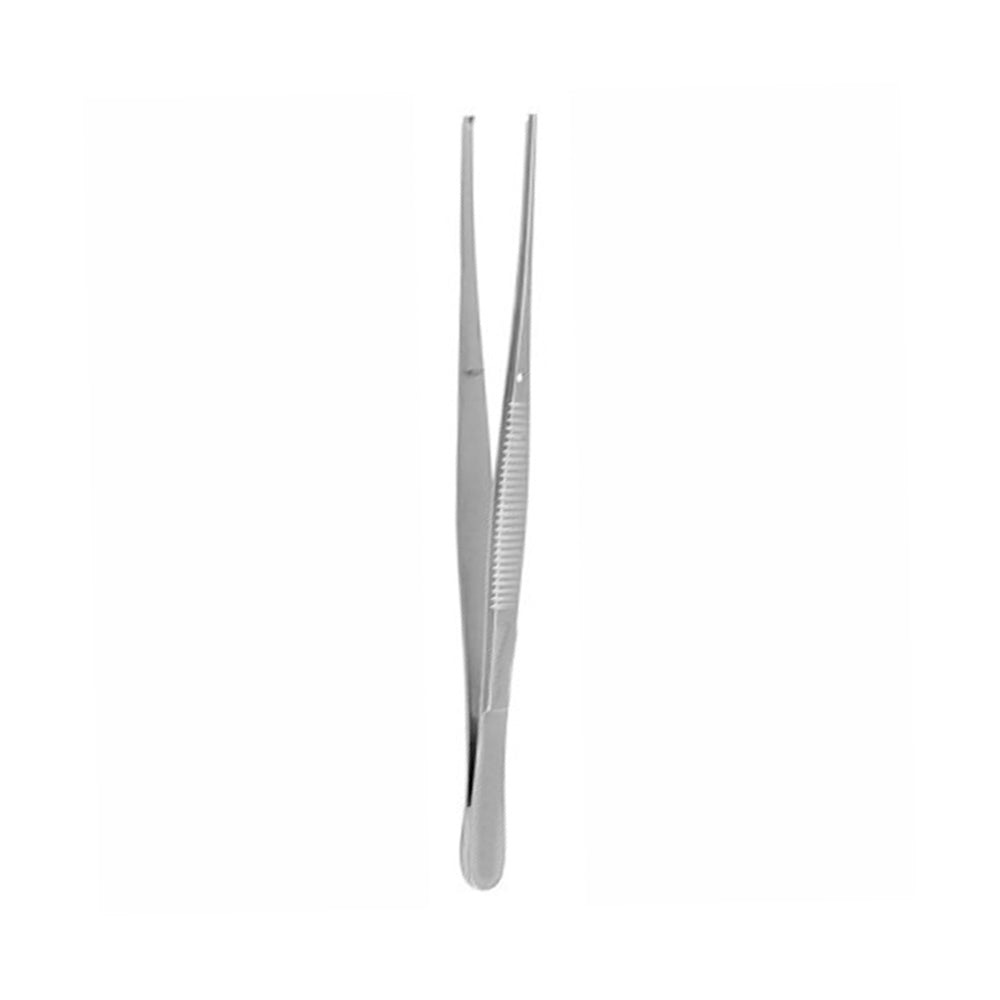
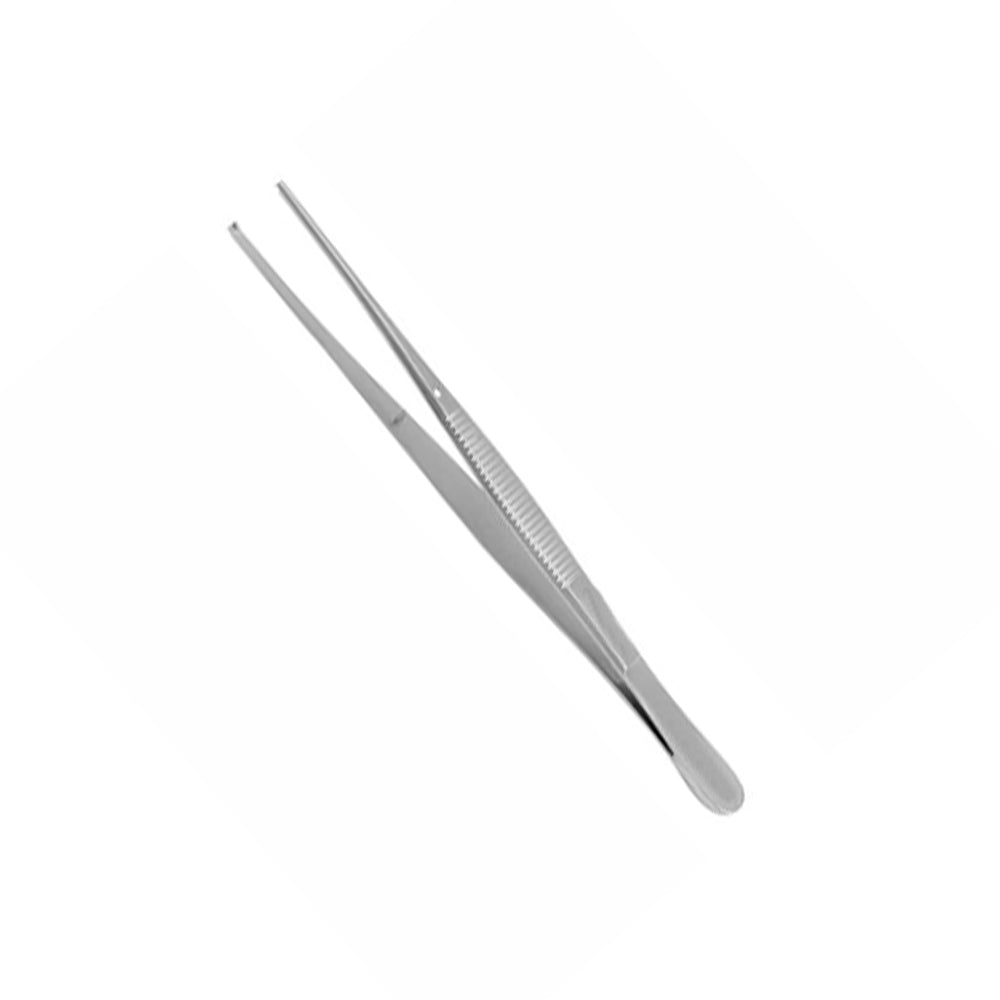
The professional clinical solution for ultra-fine tissue manipulation in restricted anatomical spaces. Semken Tissue Forceps are elite-tier veterinary instruments engineered to solve the problem of navigating narrow surgical corridors—such as the nasal cavity, oral structures, or deep subcutaneous layers in small animals—without obstructing the clinician's view. Characterized by their signature "pencil-thin" profile and 1x2 interlocking teeth, these forceps act as a mechanical necessity for veterinary surgeons who require a high-tactile, "zero-drift" purchase on friable tissues. Its design is specifically optimized to provide mathematical accuracy during reconstructive and ophthalmic procedures, ensuring that sensitive structures are managed with total tactile feedback and minimal trauma.
The Semken Tissue Forceps represent the pinnacle of specialized veterinary ergonomics and dependable micro-management. In any professional environment—from feline dental suites to avian surgical theaters—the ability to definitively grasp a small vessel or a delicate nerve in a confined space is a critical success factor. These forceps act as a high-durability mechanical extension of the surgeon’s motor skills, offering a level of reliability and "visual clarity" that standard broad-handled forceps cannot provide.
At its core, the instrument is built for professional-grade longevity and ultra-fine performance. While broader instruments are suited for general skin closure, the Semken is the embodiment of "slender precision." Because the tips meet with micro-engineered alignment, they prevent "scissoring" or overlapping, which is vital for the extreme focus required during ophthalmic or neuro-reconstructive tasks.
Built to exceed international standards for veterinary hardware, Semken Forceps are fully reusable and intended for high-frequency professional use. Their robust construction and specialized "Deep-Access" profile make them an indispensable asset for ensuring safe, organized, and high-precision results in comprehensive animal care.
Semken Tissue Forceps
Semken Tissue Forceps are thumb forceps designed for veterinary surgical procedures.
| Product Name | Semken Tissue Forceps |
| Properties | Veterinary Surgical Instruments |
| Model Number | PS-VS-0029 |
| Type | Veterinary Surgical Instruments |
| Brand Name | Peak Surgicals |
| Instrument classification | Class I |
| Warranty | 1 YEAR |
| After-sale Service | Return and Replacement |
| Material | Medical Stainless Steel |
| Feature | Reusable |
| Certificate | CE, ISO-13485, FDA |
| Usage | Operating Room, etc |
| OEM | Available |
| Finish | Satin. Dull. MIRROR |
| Quality | Reusable |
| Packing | Carton Box, Others |
| Rust Free | Yes |
| MOQ | 1 Piece |
FeatureDetails
Tip Profile 1x2 Interlocking Teeth (Fine)
Handle Style Slim Thumb-Grip / Serrated
Common Lengths 5" (125mm) / 6" (150mm)
Material Core Surgical Stainless Steel 316L
Maintenance Autoclavable (134°C / 273°F)
Standard CE/ISO Professional Grade
Primary Use Cases:
Q: What is the difference between "Dressing" and "Tissue" Semken forceps?
A: "Dressing" Semken forceps have serrated tips for handling gauze or swabs. "Tissue" Semken forceps (like these) have teeth designed to "bite" into tissue for a secure, non-slip hold.
Q: Why are these preferred over Adson forceps?
A: Adson forceps have a very wide handle, which is great for superficial work, but blocks the view in deep cavities. Semken forceps are narrow throughout, making them superior for deep or microscopic work.
Q: Are these fine enough for use in avian (bird) surgery?
A: Yes. Their lightweight structure and micro-fine tips are ideal for the exceptionally small and delicate anatomical structures of exotic and avian patients.
Q: What is the best way to clean the 1x2 teeth?
A: Use a soft-bristled brush and an enzymatic cleaner to remove microscopic biological debris from between the teeth before autoclaving. Never let blood dry on the tips.
Q: Can these be used for suturing? A: Yes, they are excellent for stabilizing wound edges during precision suturing, though they should not be used to pull heavy needles, which can damage the fine teeth.
