
Featured Collection
Your cart
Featured Collection

PEAK SURGICAL
SKU:KJ-456898
Couldn't load pickup availability
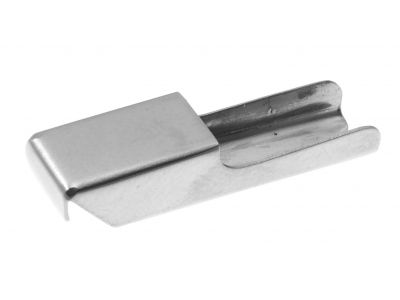
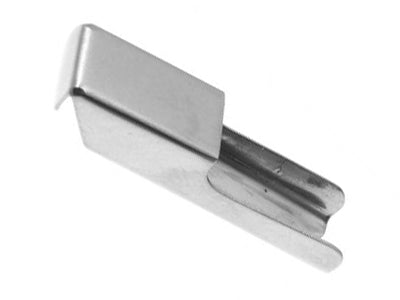
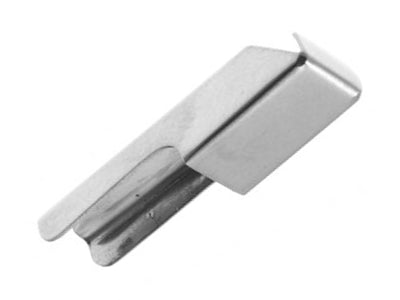
The professional clinical solution for shielding delicate nasal mucosa during the mechanical crushing of septal cartilage. The Rubin Septal Morselizer Forceps Protective Guard is a specialized surgical accessory engineered to solve the risk of accidental soft tissue laceration or "pinching" during septoplasty and rhinoplasty. Characterized by its low-profile, slide-on architecture and surgical-grade finish, this guard acts as a mechanical necessity for ENT surgeons who require the aggressive power of a Rubin morselizer without compromising the integrity of the surrounding mucosal flaps. Its design is specifically optimized to provide a "buffer zone," ensuring that force is strictly localized to the target cartilage with total procedural security.
The Rubin Septal Morselizer Forceps Protective Guard represents the pinnacle of specialized ENT ergonomics and dependable patient safety. In any professional environment—from cosmetic rhinoplasty centers to corrective septoplasty suites—the ability to manipulate and "soften" harvested cartilage while it remains in situ or before replantation is a critical success factor. This guard acts as a high-durability mechanical shield, offering a level of mucosal protection that allows the surgeon to apply maximum force with total confidence.
At its core, the accessory is built for professional-grade longevity and refined performance. The Rubin morselizer is a powerful tool known for its aggressive "waffle-pattern" or serrated jaws; the Protective Guard tames this power by providing a smooth outer interface. Because it creates a physical wall between the instrument's crushing surface and the patient’s soft tissue, it significantly reduces the risk of septal perforations. It improves the overall healing trajectory of the nasal airway.
Built to exceed international standards for medical hardware, this Protective Guard is fully reusable and intended for high-frequency professional use. Its robust construction and specialized "Safety-First" profile make it an indispensable asset for ensuring safe, organized, and high-precision results in complex nasal surgeries.
FeatureDetails
Instrument Type Protective Shield / Accessory
Compatibility Rubin Septal Morselizer Forceps
Material Core Premium Surgical-Grade Stainless Steel
Surface Finish: Smooth Satin or Mirror Polish
Maintenance Fully Autoclavable / Reusable
Standard CE/ISO Professional Grade
Export to Sheets
Primary Use Cases:
Q: Can this guard be used with other brands of morselizers?
A: While it is a mechanical necessity for the Rubin-style instrument, compatibility with other brands depends on the jaw dimensions. It is highly recommended to use it only with standard Rubin-pattern forceps to ensure a secure fit.
Q: Does the guard reduce the effective crushing force of the forceps?
A: No. The guard sits on the exterior/sides of the jaws. The internal crushing surfaces remain fully engaged with the cartilage, ensuring 100% milling efficiency.
Q: How do I ensure the guard is properly cleaned?
A: It should always be removed from the forceps before cleaning. Use an enzymatic soak and an ultrasonic cleaner to ensure the internal docking tracks are free of debris before sterilization.
Q: Is it possible for the guard to slip off during surgery?
A: No, when properly seated, the guard is designed with a tension-fit or locking groove that requires a deliberate manual action to remove.
Q: Does using the guard affect visibility in the nasal cavity?
A: The profile is mathematically optimized to be as slim as possible. While it adds a fraction of a millimeter to the width, most surgeons find the increased safety far outweighs any minor change in profile.
