Featured Collection
Your cart
Featured Collection

PEAK SURGICAL
SKU:PS-O T-01294
Couldn't load pickup availability
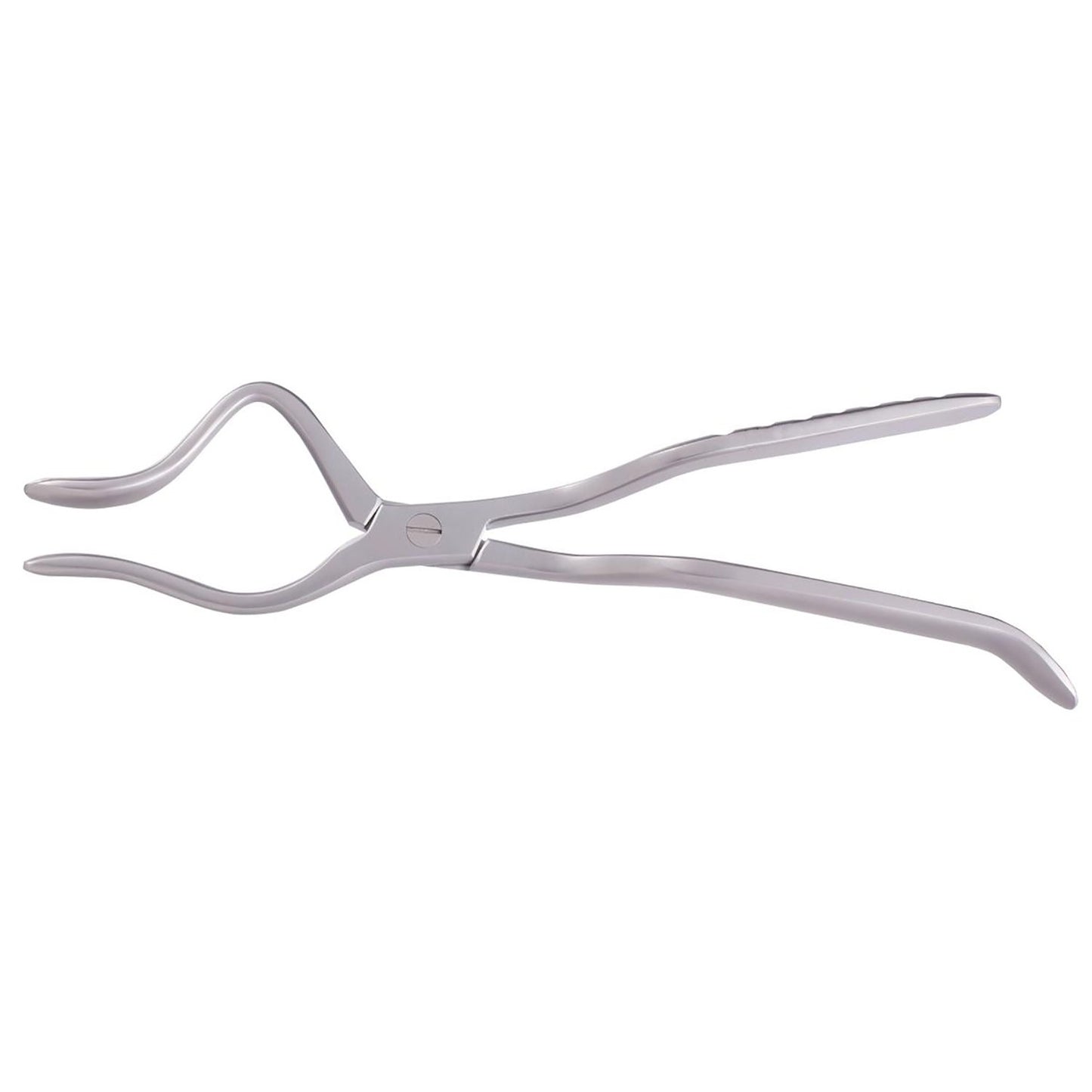

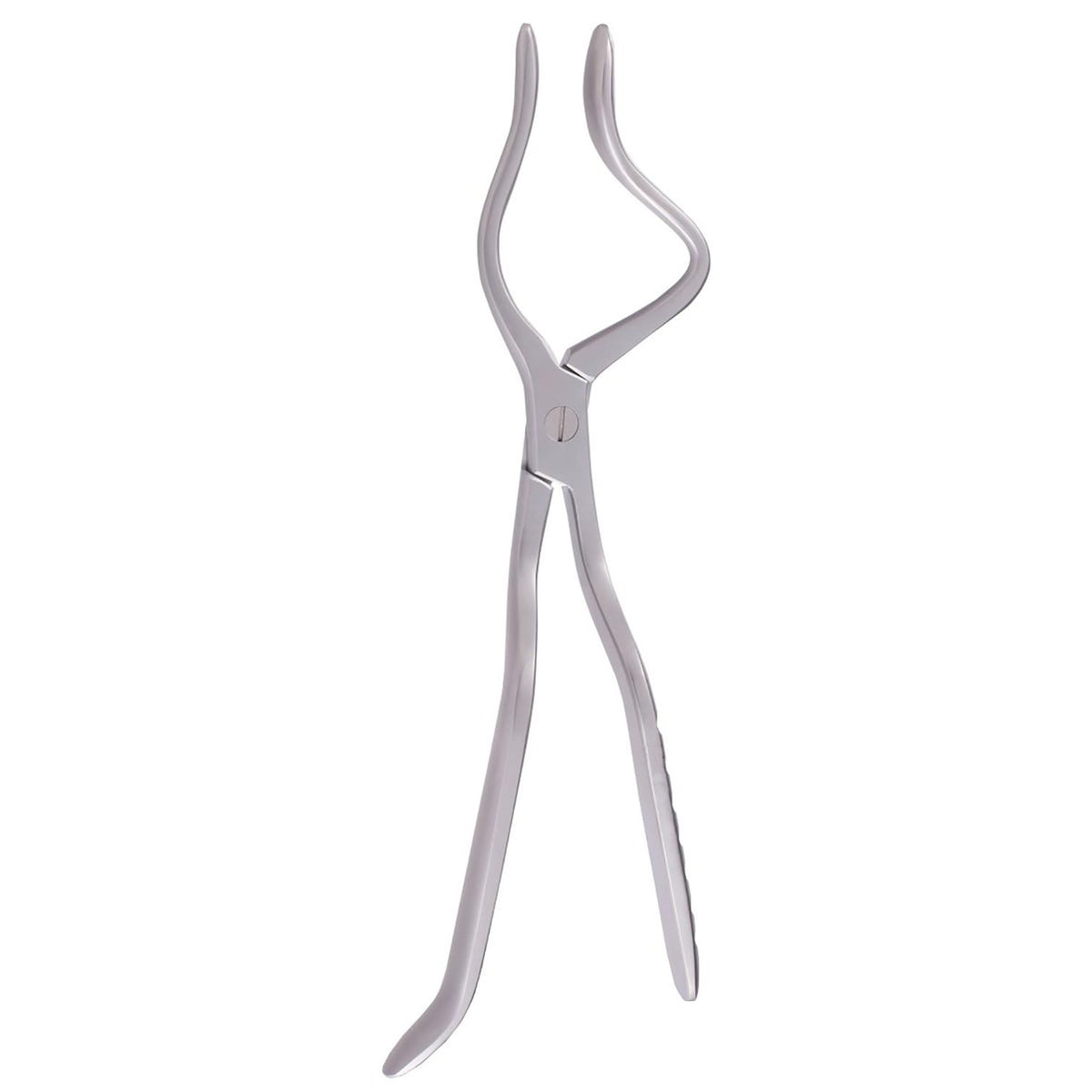
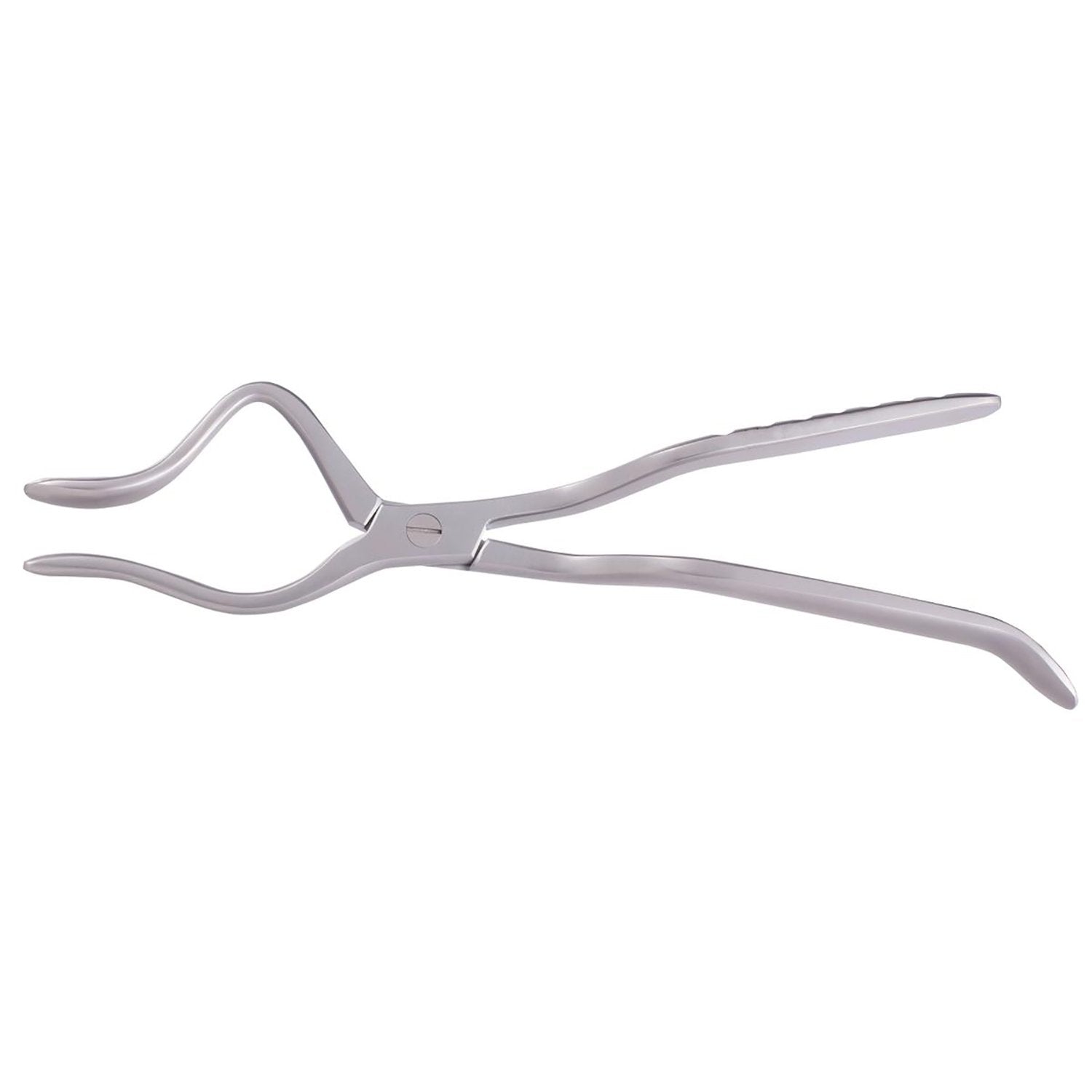
Rowe Type Disimpaction Forceps, SKU PS-O T-01294, is a German stainless steel maxillofacial disimpaction instrument designed for controlled mobilization of the maxilla during orthognathic, trauma, craniofacial, and oral surgery procedures. The available model options are PS-5516 Left and PS-5515 Right, allowing side-specific engagement during Le Fort I osteotomy, maxillary down-fracture, impacted maxillary segment mobilization, midface fracture reduction, zygomaticomaxillary access support, and corrective jaw surgery. The instrument has long curved beak jaws, a screw-secured pivot, slender shanks, angled handles, and a textured grip zone for controlled manual leverage during bone segment mobilization. It is used after osteotomy completion, pterygomaxillary separation, nasal septal release, and lateral wall mobilization when the surgeon needs firm purchase on the maxillary segment without uncontrolled crushing. Oral and maxillofacial surgeons, craniofacial surgeons, ENT facial trauma teams, dental hospital units, teaching centers, and veterinary maxillofacial services can place it in reusable surgical trays requiring CE, ISO 13485, and FDA-compliant procurement documentation.
The Rowe pattern works through elongated curved jaws that engage the maxillary segment from a side-specific approach. The beak geometry creates a controlled contact surface on the mobilized bone while keeping the handles away from the mouth opening, retractors, suction, and adjacent osteotomy instruments. A screw-secured pivot guides the opposing arms through a defined closing path, allowing the surgeon to apply gradual traction and rotational leverage after the segment has been released. The slim shanks reduce crowding in the oral field and allow access around vestibular retractors during Le Fort I mobilization. The offset curve is clinically important because maxillary down-fracture requires directional force rather than simple grasping pressure. The textured handle zone supports stable gloved control when irrigation is present. The working end is positioned only after the osteotomy line, nasal floor, lateral maxillary wall, and pterygomaxillary junction have been assessed. This design supports measured disimpaction, controlled inferior mobilization, and segment manipulation before definitive occlusal positioning and fixation.
In orthognathic workflow, Rowe Type Disimpaction Forceps is introduced after mucoperiosteal elevation, horizontal maxillary osteotomy, nasal septal separation, lateral nasal wall release, and pterygomaxillary disjunction have created a prepared segment. During Le Fort I osteotomy, the forceps helps mobilize an impacted maxilla and guide the down-fracture under direct surgeon control. In maxillary advancement, impaction correction, downgrafting, or transverse coordination, the instrument assists during the stage between bony release and final splint-guided positioning. In facial trauma, the side-specific jaws can support manipulation of midface segments after fracture exposure and reduction planning. Craniofacial teams may use the instrument when mobilizing maxillary or midface components before plating. The surgeon applies the jaws to the appropriate side, confirms that the release is complete, applies controlled traction, then reassesses movement at the nasal floor, lateral wall, and pterygoid region. After mobilization, the segment is checked against occlusion, surgical splint position, bony interference, and fixation plate alignment.
PS-5516 Left is selected when the surgeon needs left-sided engagement during maxillary mobilization, especially when the working path favors traction from the patient’s left maxillary buttress or lateral segment. Its curved jaw orientation supports controlled purchase without forcing the handle line across the operative opening. PS-5515 Right is selected for right-sided manipulation where the beak angle must match the opposite maxillary contour. Side-specific selection is important in Le Fort I down-fracture because uneven instrument orientation can create asymmetric force across the mobilized segment. In bimaxillary surgery, the surgeon may alternate between left and right patterns to evaluate mobility and reduce unilateral resistance. In trauma reconstruction, the chosen side depends on fracture displacement, access corridor, and the segment requiring reduction. Dental hospitals and oral surgery departments can stock both models in maxillofacial bone instruments to support orthognathic, craniofacial, facial trauma, and veterinary jaw surgery workflows. The pair supports controlled bilateral mobilization while maintaining predictable handle orientation during segment manipulation.
German stainless steel provides the rigidity, corrosion resistance, and dimensional stability required for repeated maxillofacial bone mobilization and hospital reprocessing. The available finish options are satin, dull, and mirror, allowing facilities to match tray appearance and operating room lighting preference. Satin and dull surfaces reduce glare under surgical lamps, while mirror finish supports receiving inspection, count verification, and set assembly. After surgery, the curved jaws, screw pivot, shank junctions, and handle recesses require prompt cleaning so blood, bone debris, and tissue residue do not dry on the instrument. Standard processing includes rinsing, manual brushing, ultrasonic cleaning, washer-disinfector treatment, drying, lubrication of the pivot, functional inspection, packaging, and steam autoclave sterilization according to facility protocol. CE marking, ISO 13485 manufacturing controls, and FDA procurement context support Class I reusable surgical instrument purchasing for hospitals, clinics, distributors, and oral surgery supply teams. MOQ of one piece, OEM availability, one-year warranty, and return or replacement service support replacement ordering and new maxillofacial tray assembly.
| SKU | PS-O T-01294 |
|---|---|
| Product Name | Rowe Type Disimpaction Forceps |
| Price | $41.80 |
| Size/Gauge Variants | PS-5516 Left; PS-5515 Right |
| Instrument Category | Maxillofacial disimpaction forceps |
| Procedure | Le Fort I osteotomy, maxillary down-fracture, orthognathic surgery, midface fracture reduction, craniofacial reconstruction, veterinary maxillofacial surgery |
| Material | German stainless steel |
| Finish | Satin, dull, or mirror finish |
| Sterilization | Reusable instrument compatible with hospital steam autoclave sterilization workflow |
| Instrument Classification | Class I surgical instrument |
| Reusable | Yes |
| Certifications | CE, ISO 13485, FDA |
| Warranty | 1 year |
| MOQ | 1 piece |
| OEM / Custom Orders | OEM available for procurement and distributor requirements |
| After-Sale Service | Return and replacement support |
How does Rowe Type Disimpaction Forceps differ from Tessier Maxillary Mobilization Forceps?
Rowe Type Disimpaction Forceps is designed with side-specific curved beaks for controlled maxillary down-fracture and segment mobilization after Le Fort I release. Tessier Maxillary Mobilization Forceps is commonly associated with craniofacial mobilization where broader midface manipulation and different approach geometry may be required. The Rowe pattern focuses on left and right directional engagement of the maxillary segment through the oral surgical corridor. Tessier-style instruments are selected when craniofacial exposure, segment design, or surgeon preference requires a different beak configuration. Rowe Type Disimpaction Forceps gives predictable leverage during orthognathic down-fracture after osteotomy completion. The clinically relevant difference is the side-specific curved jaw orientation and controlled oral approach used for maxillary mobilization.
When should the left or right model be selected?
Rowe Type Disimpaction Forceps is available as PS-5516 Left and PS-5515 Right. The left model is selected when the surgeon needs controlled purchase on the patient’s left maxillary segment or when the handle path favors that side of the oral field. The right model is selected for right-sided engagement where the opposing curve matches the maxillary contour from the opposite direction. In Le Fort I osteotomy, both models may be used sequentially to assess bilateral mobility after pterygomaxillary separation and nasal floor release. Side selection depends on access angle, segment resistance, retractor position, and the direction of controlled traction required. Stocking both patterns supports balanced mobilization during orthognathic, craniofacial, trauma, and veterinary maxillofacial procedures.
How do CE, ISO 13485, and FDA details support procurement?
Rowe Type Disimpaction Forceps is supplied with CE, ISO 13485, and FDA procurement context for Class I reusable surgical instrument purchasing. CE marking supports conformity documentation for healthcare markets requiring European medical device references. ISO 13485 indicates manufacturing under a medical device quality management system with controlled production and traceability. FDA procurement context supports hospitals, clinics, and distributors serving United States surgical instrument supply channels. These details assist tender submissions, vendor onboarding, operating room inventory approval, and distributor catalog documentation. The $41.80 price, one-piece MOQ, OEM availability, and one-year warranty support both replacement orders and new maxillofacial tray assembly.
How are the screw pivot and curved beak jaws used intraoperatively?
The screw pivot guides the jaws through a stable closing path and supports controlled leverage during segment mobilization. The surgeon places the curved beak on the selected maxillary side only after osteotomy completion and release assessment. Handle compression secures purchase, while controlled traction and rotation help mobilize the impacted segment. The force is applied gradually so movement can be assessed at the lateral wall, nasal floor, and pterygomaxillary region. Rowe Type Disimpaction Forceps is used with direct visual control and tactile assessment rather than blind force. After mobilization, the segment is reassessed for occlusion, splint position, bony interference, and plate placement.
What should sterile processing and supply teams check before reuse?
Sterile processing teams should clean Rowe Type Disimpaction Forceps immediately after surgery so blood, tissue residue, and bone debris do not dry around the jaws, screw pivot, shank junctions, or handle recesses. The working end should be opened during rinsing and manual brushing to expose inner jaw surfaces. Ultrasonic cleaning and washer-disinfector cycles are followed by drying, lubrication of the pivot, inspection, packaging, and steam autoclave sterilization. Supply teams should confirm smooth pivot movement, stable jaw alignment, and intact handle grip before tray assembly. Hospitals can assign the left and right models to oral and maxillofacial, craniofacial, facial trauma, teaching, and veterinary jaw surgery sets. Distributors can use the one-piece MOQ, carton-box packing, OEM availability, and return or replacement service for practical stock planning.