
Featured Collection
Your cart
Featured Collection

PEAK SURGICAL
SKU:PS-D-099
Couldn't load pickup availability
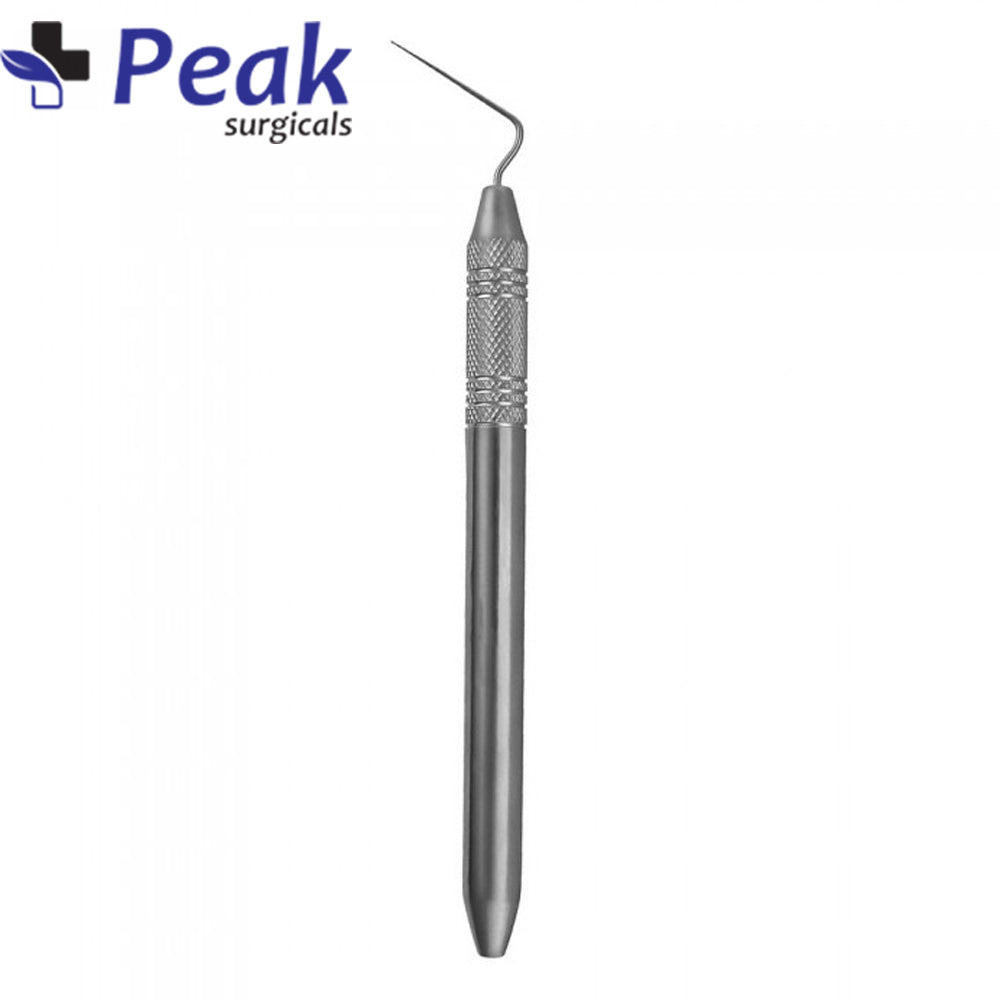
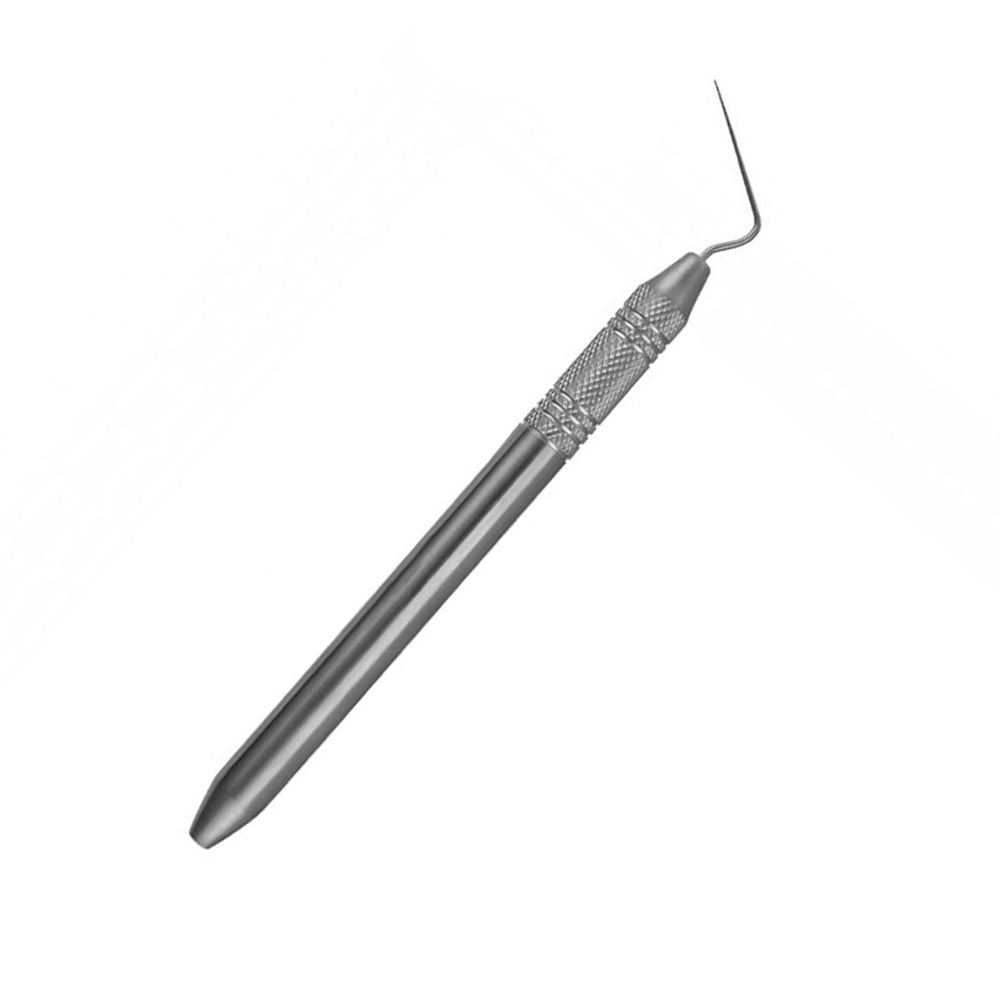
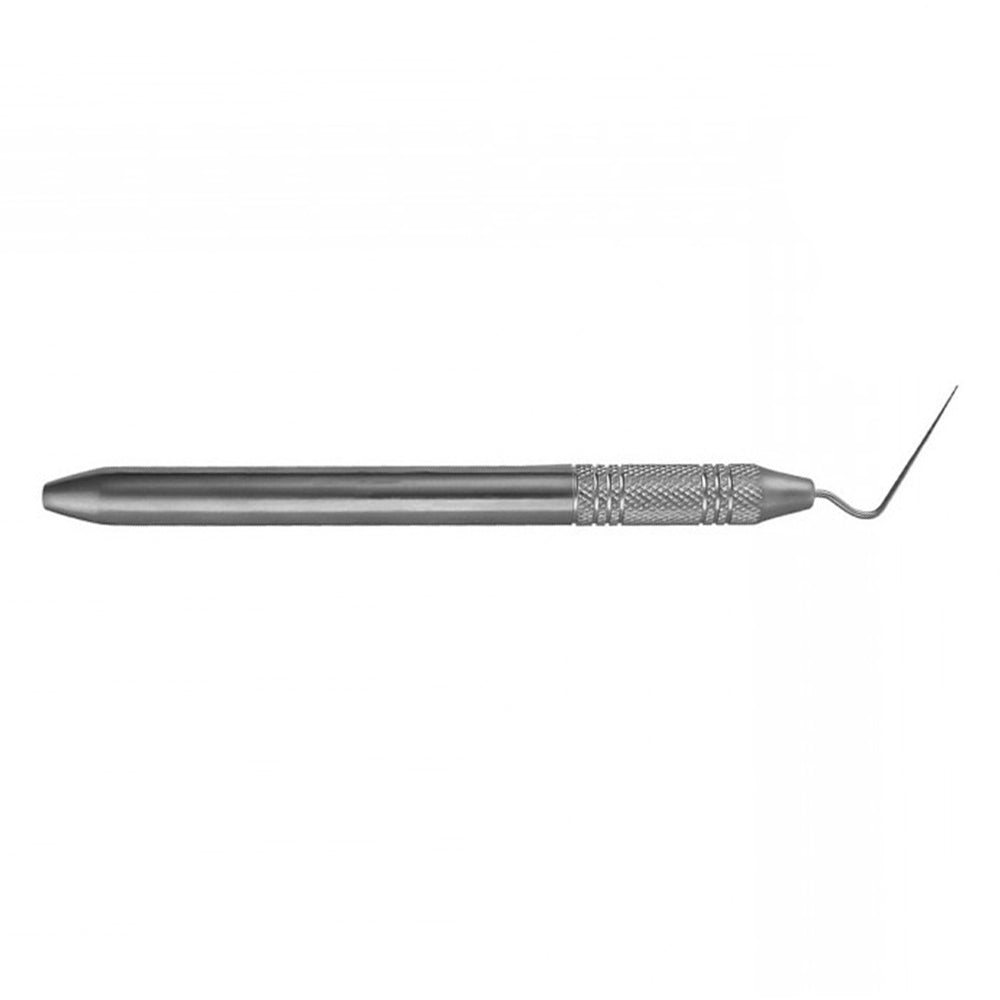
Root Canal Spreader Single Ended, SKU PS-D-099, is a reusable endodontic spreader made from German stainless steel for lateral gutta-percha condensation, accessory cone placement, canal obturation refinement, sealer distribution control, retreatment chamber access, and coronal filling adaptation. The working size is 0.40mm diameter with a 40S single-ended root canal spreader pattern, giving clinicians a controlled tapered profile for prepared root canals, posterior molar access cavities, premolar canals, anterior canals, retreatment chambers, and veterinary endodontic procedures. The angled shaft positions the working tip into the canal space while the textured handle supports finger pressure, rotation, and lateral compaction during obturation. The instrument is used after canal shaping, irrigation, drying, master cone fitting, sealer placement, and radiographic length confirmation when space must be created beside the master cone for accessory gutta-percha cones. Endodontists, general dentists, restorative clinicians, dental schools, hospital dental departments, emergency dental units, veterinary dental teams, distributors, and procurement offices use this Class I reusable hand instrument in endodontic obturation, retreatment, teaching, and restorative tray setups.
The Root Canal Spreader Single Ended uses a 0.40mm tapered working end designed to enter the prepared canal space beside the fitted master cone and create controlled lateral displacement of gutta-percha. The angled shaft supports posterior access by moving the handle away from the mirror line, rubber dam clamp, suction tip, and adjacent cusps. During lateral condensation, the clinician advances the spreader along the canal wall to a controlled depth, applies apical and lateral pressure, withdraws the instrument, and seats an accessory cone into the created space. The 40S pattern provides stronger displacement than finer spreaders while retaining controlled placement inside shaped canals. The tapered terminal end condenses and spreads obturation material without cutting dentin, shaping the canal, or acting as an explorer. The textured handle supports wet-glove rotation and pressure modulation during repeated insertion and withdrawal cycles. There is no ratchet, lock, spring, pivot, or box joint because the instrument functions through manual pressure, tip taper, shaft angulation, and tactile resistance from gutta-percha, sealer, and prepared canal walls.
During root canal therapy, the Root Canal Spreader Single Ended is introduced after access preparation, canal negotiation, working-length determination, shaping, irrigation, drying, master cone selection, tug-back assessment, and sealer placement. The 0.40mm tip is placed beside the master cone to generate lateral space for accessory gutta-percha during cold lateral condensation and controlled obturation refinement. In maxillary molars, the angled profile helps approach mesiobuccal, distobuccal, and palatal canal entries while preserving visibility around the mirror and rubber dam frame. In mandibular molars, the same geometry assists mesial and distal canal access where cuspal height and clamp position restrict straight-line entry. Premolar and anterior cases use the spreader when prepared canals require localized lateral pressure without broad chamber packing. During retreatment access, the instrument can assist controlled displacement of softened obturation material after coronal removal has been established. Veterinary dental clinicians use the same lateral condensation sequence in canine and feline endodontic cases where canal diameter, crown length, and field depth require a manual spreader.
The 0.40mm diameter is selected when the clinician requires a stronger spreader profile for prepared canal spaces, coronal third compaction, accessory cone placement, and lateral condensation beside a master gutta-percha cone. This diameter provides broader displacement than finer spreader patterns while remaining controlled inside shaped canals and access cavity fields. The 40S single-ended pattern supports posterior molars, premolars, anterior teeth, and veterinary endodontic procedures where working reach, rubber dam placement, mirror position, and chamber depth influence instrument control. In molar cases, the angled shaft helps maintain hand clearance while the tapered end reaches canal entrances and coronal third areas. In premolars and anterior teeth, the same pattern supports controlled accessory cone sequencing before coronal sealing. Selection is based on canal diameter, taper, working length, tooth group, access cavity shape, obturation method, and sealer placement stage. This instrument is not used for canal shaping, excavation, scaling, extraction, or tissue traction. It is selected for lateral compaction, accessory cone space creation, obturation density control, and final canal filling refinement.
German stainless steel construction gives the Root Canal Spreader Single Ended the rigidity required for repeated lateral condensation while maintaining the 0.40mm working profile and angled shaft alignment through clinical use. The smooth shaft and textured handle support visual inspection after cleaning, while the reusable one-piece metal design fits standard dental instrument turnover in endodontic, restorative, hospital, teaching, and veterinary departments. After treatment, staff remove visible sealer, gutta-percha residue, and debris from the tapered tip, clean the angled shaft and handle grooves, rinse, dry, inspect the terminal working end, package, and steam autoclave according to facility protocol. CE marking supports international medical device procurement, ISO 13485 certification reflects regulated manufacturing controls, and FDA-compliant procurement support helps United States buyers maintain reusable dental hand instrument records. The product supports single-piece ordering, replacement planning, custom endodontic kit assembly, OEM supply, order tracking, return support, and procurement documentation for clinics, hospitals, dental schools, distributors, emergency dental units, and veterinary practices.
| SKU | PS-D-099 |
|---|---|
| Product Name | Root Canal Spreader Single Ended |
| Price | $3.63 USD |
| Size/Gauge Variants | 0.40mm diameter with single-ended 40S root canal spreader pattern |
| Instrument Category | Endodontic root canal spreader and lateral condensation instrument |
| Procedure | Cold lateral condensation, accessory gutta-percha cone placement, root canal obturation refinement, sealer distribution control, retreatment access support, coronal filling adaptation, and veterinary endodontic obturation |
| Material | German stainless steel |
| Finish | Smooth stainless shaft with textured handle grip |
| Sterilization | Reusable; clean tapered spreader tip, angled shaft, and handle grooves, rinse, dry, inspect working end, package, and steam autoclave through facility protocol |
| Instrument Classification | Class I non-powered reusable endodontic hand instrument |
| Reusable | Yes |
| Certifications | CE marked, ISO 13485 certified, FDA-compliant procurement support |
| Warranty | 30 days money back guarantee |
| MOQ | 1 piece |
| OEM / Custom Orders | Available for clinics, hospitals, dental schools, distributors, veterinary dental units, and institutional purchasing programs |
| After-Sale Service | Return and replacement support, order tracking assistance, and procurement documentation support |
How does Root Canal Spreader Single Ended differ from a root canal plugger?
Root Canal Spreader Single Ended is designed for lateral condensation, while a root canal plugger is designed for vertical compaction. A spreader enters beside the master gutta-percha cone and creates space for accessory cones. A plugger applies direct apical pressure to condense softened or warmed filling material. The Root Canal Spreader Single Ended uses a 0.40mm tapered 40S end for wedging along canal walls. A plugger normally uses a broader rounded terminal end for vertical seating. The spreader is selected when cold lateral condensation and accessory cone placement are part of the obturation plan.
When should the 0.40mm diameter and 40S pattern be selected?
Root Canal Spreader Single Ended in 0.40mm is selected for prepared canals requiring controlled lateral displacement during obturation. The diameter supports placement beside the master cone with stronger lateral pressure than finer spreader patterns. The 40S design is useful for coronal third compaction, accessory cone placement, and final filling density control. In molars, the angled shaft helps approach chamber floors and canal entrances around cusps and rubber dam clamps. In premolars and anterior teeth, the spreader supports localized lateral pressure before accessory cone seating. Selection depends on canal diameter, taper, working length, tooth group, obturation technique, and the stage of filling.
How do CE, ISO 13485, and FDA procurement requirements apply?
Root Canal Spreader Single Ended is supplied for professional purchasing workflows that require reusable endodontic hand instrument documentation. CE marking supports international procurement records for clinics, hospitals, dental schools, distributors, and institutional buyers. ISO 13485 certification reflects manufacturing controls used in regulated medical device supply. FDA-compliant procurement support helps United States buyers maintain vendor files and reusable instrument records. These references support supplier onboarding, tender preparation, clinic audits, product file review, and multi-location purchasing approval. The instrument remains a Class I non-powered reusable root canal spreader for professional endodontic, restorative, teaching, emergency, and veterinary dental workflows.
How are the angled shaft, tapered tip, and handle controlled during use?
The control features on Root Canal Spreader Single Ended are the angled shaft, 0.40mm tapered working tip, and textured handle. The clinician holds the handle with light finger pressure and directs the spreader beside the seated master cone. The tapered end applies lateral pressure to create accessory cone space without cutting canal walls. The angled shaft keeps the hand outside the mirror line while the tip reaches posterior, premolar, anterior, or chamber areas. There is no ratchet, spring, lock, pivot, or box joint because the instrument depends on manual pressure and tactile feedback. This handling pattern supports lateral condensation, accessory cone placement, and final obturation refinement before coronal sealing.
How should clinics and distributors manage sterilization and supply?
Root Canal Spreader Single Ended is a reusable German stainless steel endodontic instrument suitable for standard dental tray reprocessing. After use, staff remove visible sealer, gutta-percha, and debris from the 0.40mm tip, clean the angled shaft and handle grooves carefully, rinse, dry, inspect the terminal end, package the instrument, and steam autoclave it according to facility protocol. The one-piece metal construction supports repeated turnover in endodontic, restorative, emergency, teaching, and veterinary dental trays. Clinics can stock the 40S spreader for lateral condensation and accessory cone placement. Distributors can supply single pieces or include the spreader in custom endodontic instrument kits for professional buyers. The $3.63 USD price supports replacement ordering, department replenishment, and multi-chair clinic inventory planning.
