Featured Collection
Your cart
Featured Collection

PEAK SURGICAL
SKU:PS-2218
Couldn't load pickup availability
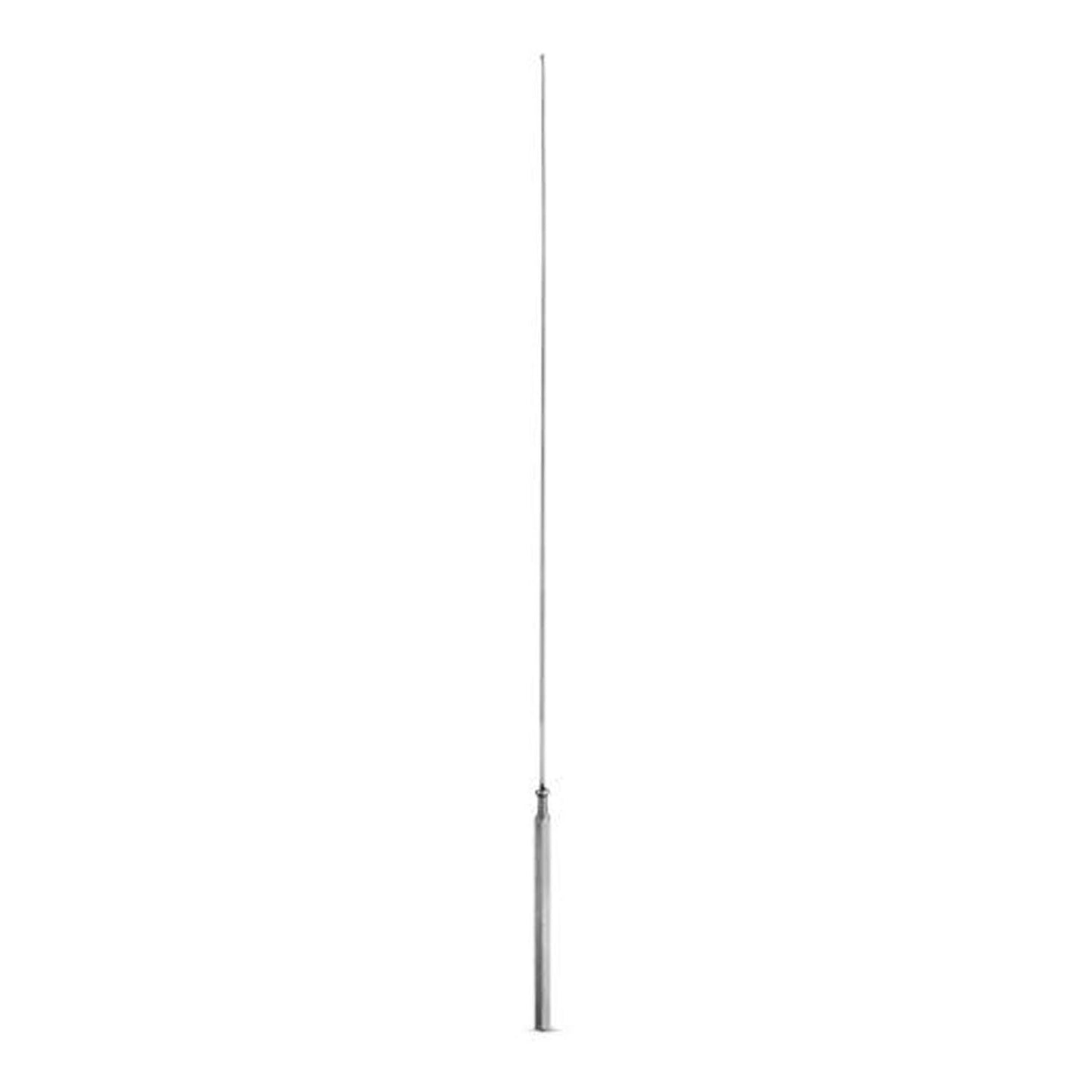
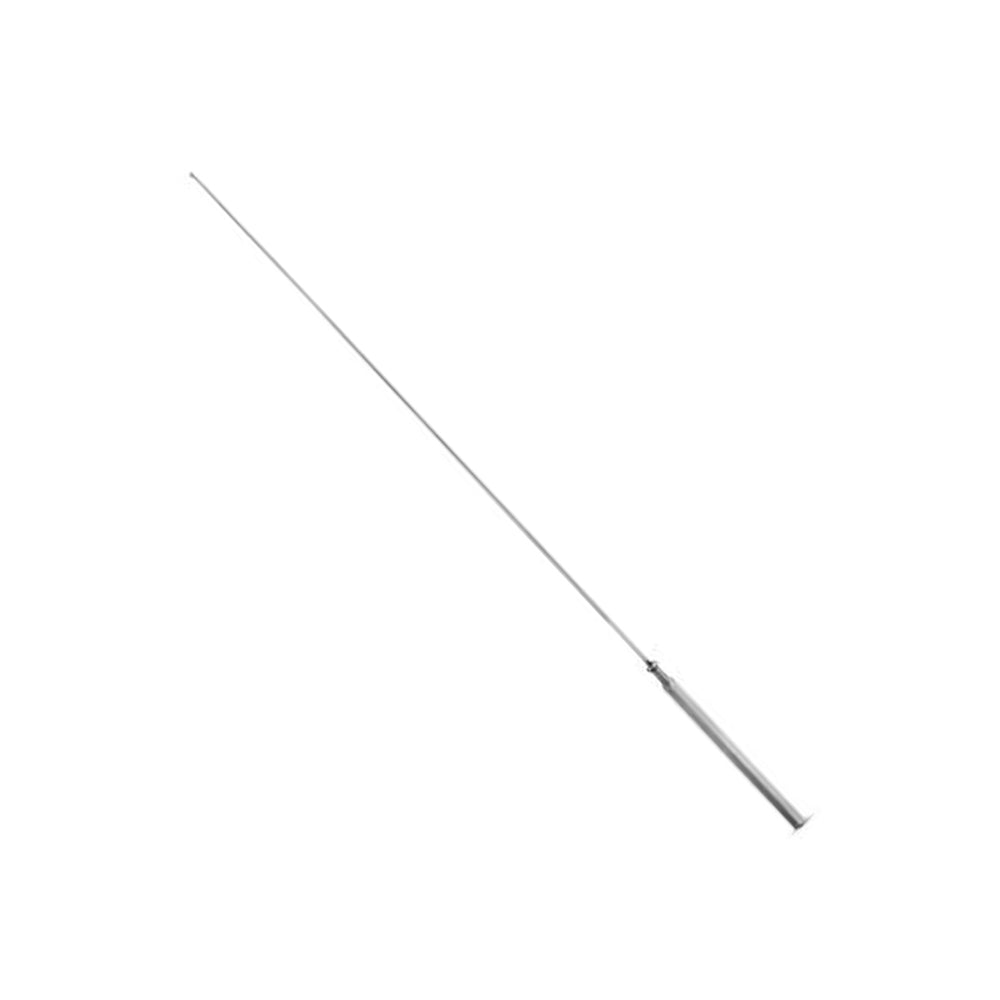
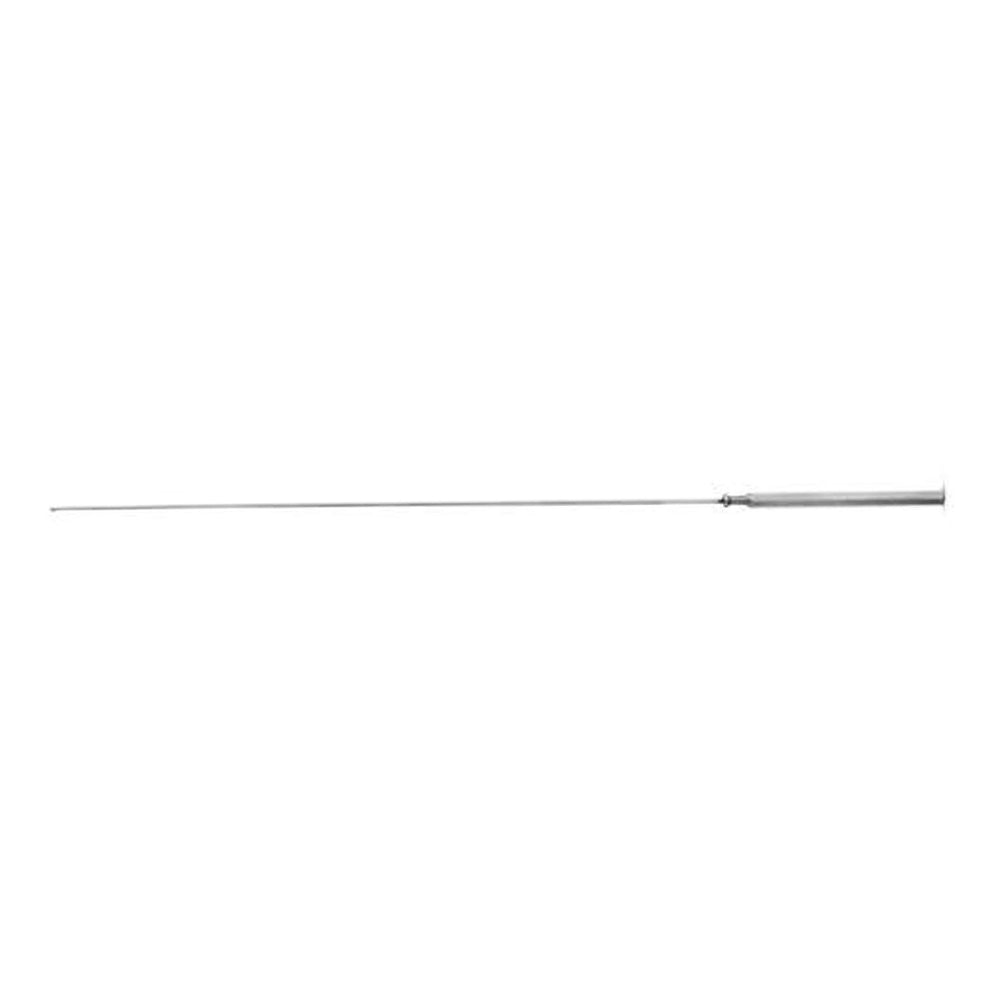
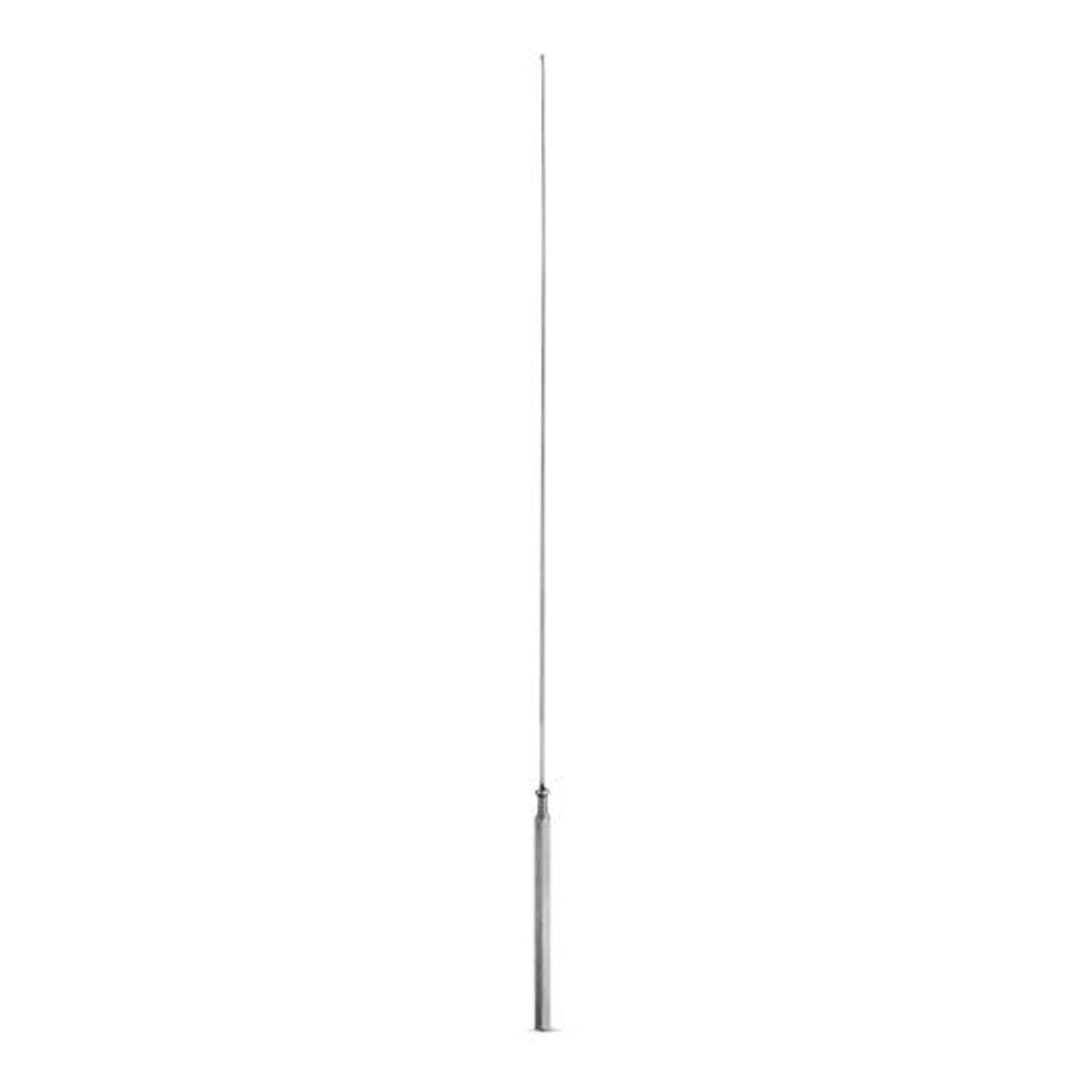
The Pratt Rectal Probe (PS-2218) is a reusable German stainless steel proctology instrument, 200mm in overall length, designed for digital examination adjuncts, anal canal assessment, and probing of the rectum and anal canal in colorectal and general surgical procedures. The probe's smooth, bulbous-tipped design allows controlled introduction into the anal canal for the assessment of anal stricture, sphincter tone, and canal patency, and for probing fistula tracts and sinus openings in the perianal region where a smooth, atraumatic instrument is required to trace the tract's course without creating a false passage. The 200mm length provides adequate reach for examination of the anal canal and distal rectum while remaining manageable for single-handed use during examination under anesthesia or in outpatient proctology assessment. Manufactured from German stainless steel for the corrosion resistance and dimensional stability required of a reusable instrument that undergoes repeated steam autoclave sterilization between patient examinations. Used by colorectal surgeons, general surgeons, and proctology specialists in hospital operating theaters, outpatient proctology clinics, and endoscopy suites. Sold as 1 piece, 200mm.
The Pratt Rectal Probe serves as an examination and exploration instrument for the anal canal and distal rectum, used in clinical situations where a smooth, rigid probe provides information that digital examination alone cannot. In the assessment of anal stricture — narrowing of the anal canal that can result from scarring after previous anorectal surgery, inflammatory bowel disease, radiation therapy, or other causes — the probe is introduced gently into the anal canal to assess the degree of narrowing, the length of the stricture, and the canal's response to gentle dilating pressure, providing information that guides further management decisions including the need for dilation, surgical intervention, or further imaging. In examination under anesthesia (EUA) for perianal fistula, the probe is used to gently explore the fistula tract from its external opening, tracing the tract's course toward its likely internal opening at the anal canal — a smooth-tipped probe is essential for this exploration because a rough or pointed instrument risks creating a false tract through the tissue rather than following the natural fistula tract, which would both fail to provide accurate information about the fistula's anatomy and risk converting a simple fistula into a more complex one. The probe's smooth bulbous tip is specifically designed to follow the path of least resistance along an existing tract rather than forcing a new path through tissue.
During anorectal examination, the Pratt Rectal Probe can be used following digital rectal examination to provide additional assessment of the anal canal's caliber and the anal sphincter's tone and competence. The smooth, gradually tapering or bulbous tip allows the probe to be introduced with controlled, gentle pressure, and the resistance encountered during introduction provides tactile information about sphincter tone — a tight, high-resistance canal suggests normal or hypertonic sphincter function, while reduced resistance may be relevant to the assessment of sphincter weakness or previous sphincter injury. In patients with suspected anal stenosis following hemorrhoidectomy, anal fissure surgery, or other anorectal procedures, the probe provides an objective assessment of canal caliber that complements digital examination, particularly useful in patients where digital examination alone is limited by patient discomfort or by the examiner's finger size relative to a narrowed canal. The 200mm overall length allows the examiner to maintain control of the proximal end of the instrument throughout the examination while the working portion of the probe addresses the anal canal and distal rectum, providing the leverage and control needed for the gentle, deliberate movements that anorectal examination with an instrument requires.
Perianal fistula — an abnormal tract connecting the anal canal or rectum to the perianal skin, most commonly arising from a previous anorectal abscess — requires accurate delineation of the fistula tract's course and its relationship to the anal sphincter complex before definitive surgical management, because the surgical approach (fistulotomy, seton placement, advancement flap, or other technique) depends on the tract's relationship to the sphincter muscles. The Pratt Rectal Probe is used during examination under anesthesia to gently probe the external fistula opening and follow the tract's course, with the smooth tip allowing the probe to advance along the natural tract without resistance until it either exits at an internal opening in the anal canal — confirming the tract's full course — or reaches a point where it cannot proceed further without force, at which point the surgeon stops rather than forcing the probe and creating a false passage. This probing, often combined with the injection of dye or peroxide to assist visualization of the internal opening, is a standard component of fistula-in-ano assessment, and the probe's smooth, rigid, 200mm design provides the combination of gentleness and control that this exploration requires.
The Pratt Rectal Probe is manufactured from German stainless steel, providing the corrosion resistance and surface durability required of a reusable instrument used in the anorectal examination context, where the instrument surface must remain smooth and free of any roughness, pitting, or burring that could cause tissue trauma during introduction and probing of the anal canal and fistula tracts. The smooth surface finish is maintained through the instrument's service life via appropriate cleaning and sterilization protocols — any degradation of the surface finish from inadequate reprocessing or accumulated wear directly compromises the atraumatic characteristics that are central to the instrument's safe use in this anatomical region. The instrument is fully compatible with steam autoclave sterilization at 134°C pre-vacuum parameters, the standard method for reusable proctology and general surgical instruments. Available in satin, dull, or mirror surface finish.
The Pratt Rectal Probe PS-2218 is manufactured under a quality management system certified to ISO 13485, governing German stainless steel material sourcing, precision forming and polishing of the probe body and bulbous tip, dimensional inspection at the 200mm overall length, surface finishing, and packaging. CE Mark certification confirms conformity with European Medical Device Regulation requirements for Class I reusable surgical instruments distributed within EU and associated regulatory territories. FDA compliance documentation is maintained for United States distribution, satisfying regulatory requirements for reusable proctology and general surgical instruments procured by US hospitals, colorectal surgical units, and surgical instrument distributors. These certifications satisfy procurement and tender documentation requirements of institutional buyers in the USA, India, Pakistan, Vietnam, and across international surgical instrument supply frameworks. Certificates of conformity and quality management system documentation are available on request. OEM manufacturing and custom sizing are available within the same certified manufacturing framework.
| SKU | PS-2218 |
|---|---|
| Product Name | Pratt Rectal Probe |
| Price | $7.15 USD |
| Size | 200mm overall length |
| Type | Probe and Grooved Dissector — Proctology |
| Tip Design | Smooth, bulbous, atraumatic tip |
| Instrument Classification | Class I Reusable Surgical Instrument |
| Primary Indications | Anal canal examination, anal stricture assessment, sphincter tone assessment, fistula-in-ano tract probing |
| Clinical Setting | Hospital operating theater, outpatient proctology clinic, endoscopy suite |
| Users | Colorectal surgeons, general surgeons, proctology specialists |
| Material | German Stainless Steel |
| Surface Finish | Satin / Dull / Mirror |
| Certifications | CE Mark, ISO 13485, FDA |
| Reusability | Reusable |
| Quantity | 1 Piece |
| Rust Resistance | Yes |
| Warranty | 1 Year |
| MOQ | 1 Piece |
| OEM / Custom Orders | Available |
| Packing | Carton Box |
| Place of Origin | Pakistan |
| Brand | Peak Surgicals |
| Primary Use | Anal canal examination and fistula tract probing using a smooth atraumatic 200mm probe |
| After-Sale Service | Return and Replacement |
What is the Pratt Rectal Probe used for in clinical practice?
The Pratt Rectal Probe is a smooth-tipped proctology instrument used for examination and exploration of the anal canal and distal rectum. Its principal applications include assessment of anal canal caliber and stricture — used to evaluate narrowing that may result from previous anorectal surgery, inflammatory bowel disease, or radiation, providing information on the degree and length of any stricture and the canal's response to gentle probing pressure — and probing of perianal fistula tracts during examination under anesthesia, where the smooth bulbous tip allows the probe to be gently advanced along the natural course of a fistula tract from its external opening, helping to delineate the tract's anatomy and its relationship to the anal sphincter before definitive surgical management is planned. The probe can also assist in assessment of anal sphincter tone, with the resistance encountered during gentle introduction providing tactile information that complements digital rectal examination.
Why is a smooth, bulbous tip important for fistula tract probing specifically?
When probing a perianal fistula tract, the goal is to trace the existing abnormal tract — not to create a new path through tissue. A smooth, bulbous-tipped probe is designed to follow the path of least resistance, which under normal circumstances corresponds to the existing fistula tract, since the tract represents a pre-formed channel through tissue that offers less resistance than the surrounding solid tissue. If the probe encounters resistance and the surgeon were to force it forward, a pointed or rough instrument could puncture through tissue and create a new, false tract — converting what may have been a simple fistula into a more complex one, and providing inaccurate information about the original tract's anatomy that could misdirect surgical planning. The Pratt Rectal Probe's smooth bulbous tip is designed to advance along the tract under gentle pressure and to stop, rather than puncture through, when it reaches the limit of the existing tract — at which point the surgeon recognizes this as the probable internal opening or the tract's terminus and does not apply further force.
How is this probe used in the assessment of anal stricture?
In patients presenting with symptoms suggestive of anal stricture — difficulty with bowel movements, pain, or a history of previous anorectal surgery known to carry stricture risk — the Pratt Rectal Probe can be gently introduced into the anal canal following digital rectal examination to provide additional assessment of canal caliber. The probe's controlled introduction and the resistance encountered provide information about the degree of narrowing and its approximate length along the canal. This assessment is particularly useful in patients where digital examination alone is limited, either by patient discomfort during a more extensive digital assessment or by the relationship between the examiner's finger size and a significantly narrowed canal. The findings from probe assessment contribute to the clinical decision regarding further management, which may include anal dilation, surgical intervention to address the stricture, or further imaging to characterize the stricture's extent.
What sterilization protocol is recommended for this instrument?
The Pratt Rectal Probe, manufactured from German stainless steel, is fully compatible with steam autoclave sterilization at 134°C pre-vacuum parameters, the standard method for reusable proctology and general surgical instruments. Because the instrument's atraumatic function depends entirely on the smoothness of its surface — particularly the bulbous tip — the probe should be inspected at each reprocessing cycle for any roughness, pitting, or surface degradation that could compromise this smoothness. Any instrument showing surface roughness, especially at the tip, should be removed from clinical service, as a roughened surface introduced into the anal canal or a fistula tract increases the risk of mucosal trauma and could compromise the accuracy of tract probing by creating resistance that does not reflect the actual anatomy being assessed.
What certifications does this instrument carry, and are bulk or OEM orders available?
The Pratt Rectal Probe PS-2218 is manufactured under an ISO 13485-certified quality management system covering German stainless steel material procurement, precision forming and polishing of the probe body and bulbous tip, dimensional inspection at the 200mm overall length, and packaging. CE Mark certification confirms conformity with European Medical Device Regulation requirements for Class I reusable surgical instruments. FDA compliance documentation supports United States distribution. Certificates of conformity are available on request for hospital procurement and tender documentation. Bulk orders are accepted with a minimum of 1 piece, with volume pricing available for hospitals, colorectal surgical units, proctology clinics, and surgical instrument distributors. OEM manufacturing for custom sizing or private-label branding is available within the same ISO 13485-certified framework. Free shipping applies on orders of $99 or more.