
Featured Collection
Your cart
Featured Collection

PEAK SURGICAL
SKU:
Couldn't load pickup availability
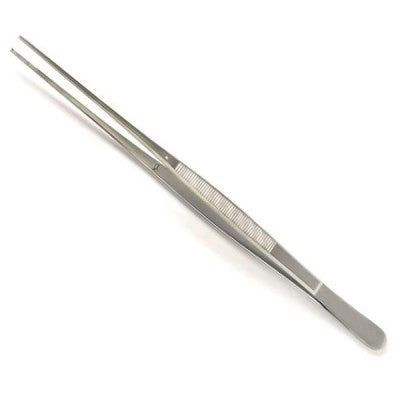
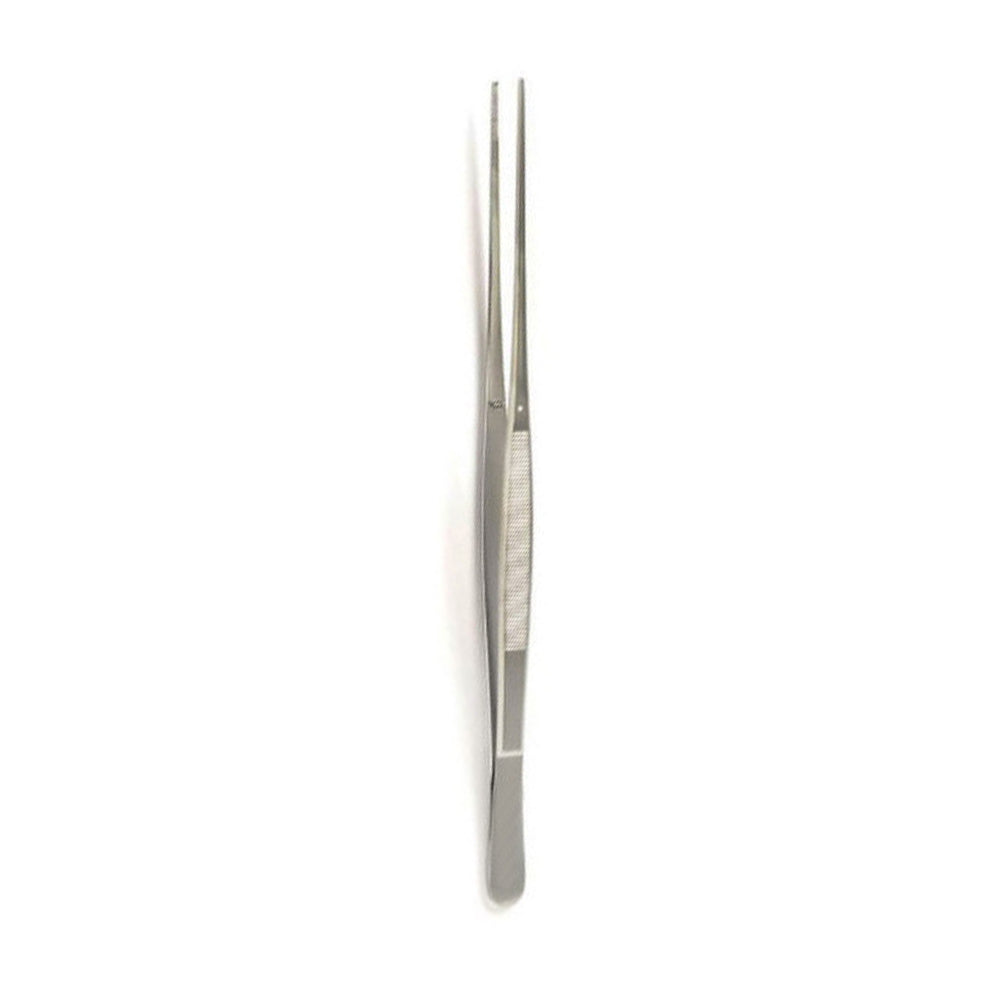
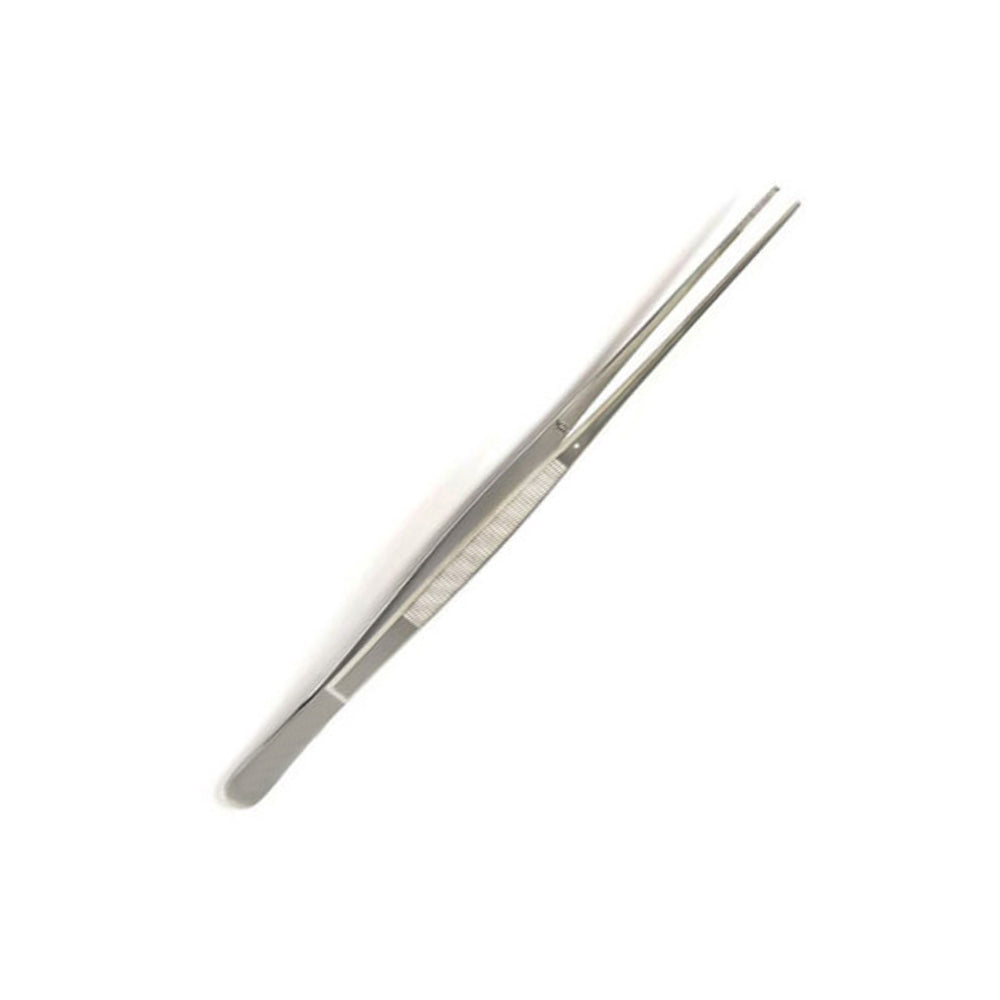
The professional clinical solution for the high-security manipulation of delicate yet resilient tissues in restricted anatomical spaces. Potts-Smith Tissue Forceps are elite-tier surgical instruments engineered to solve the problem of reaching deep surgical sites—such as those encountered in thoracic, cardiovascular, or neurosurgical procedures—where standard tissue forceps are too short or bulky. Characterized by their elongated, slender shafts and interlocking 1x2 teeth, these forceps act as a mechanical necessity for surgeons who require maximum "locking" power without obstructing their line of sight. Its design is specifically optimized to provide mathematical accuracy during delicate dissections, ensuring that tissues are managed with total control and zero-drift security.
The Potts-Smith Tissue Forceps (Toothed) represent the pinnacle of specialized surgical ergonomics and dependable deep-tissue management. In any professional environment—from cardiovascular suites to thoracic surgical centers—the ability to definitively grasp a tissue edge in a restricted space is a critical success factor. These forceps act as a high-durability mechanical extension of the surgeon’s motor skills, offering a level of reliability and "deep-access" precision that standard-length forceps cannot match.
At its core, the instrument is built for professional-grade longevity and refined performance. The "Potts-Smith" pattern is a global standard for specialty surgery because it prioritizes a minimal footprint. Because the fine teeth intermesh upon closure, they prevent the "slipping" effect often encountered when handling wet or friable tissues, allowing for confident retraction or stabilization during the placement of fine sutures.
Built to exceed international standards for medical hardware, Potts-Smith Forceps are fully reusable and intended for high-frequency professional use. Their robust construction and specialized "Fine-Tip" profile make them an indispensable asset for ensuring safe, organized, and high-precision results in complex surgical procedures.
Potts Smith Tissue Forceps With Teeth
Potts Smith Tissue Forceps With Teeth is a surgical instrument with serrated tips used to handle tissues.
| Product Name | Potts Smith Tissue Forceps |
| Properties | Veterinary Surgical Instruments |
| Model Number | PS-VS-0013 |
| Type | Veterinary Surgical Instruments |
| Brand Name | Peak Surgicals |
| Instrument classification | Class I |
| Warranty | 1 YEAR |
| After-sale Service | Return and Replacement |
| Material | Medical Stainless Steel |
| Feature | Reusable |
| Certificate | CE, ISO-13485, FDA |
| Usage | Operating Room, etc |
| OEM | Available |
| Finish | Satin. Dull. MIRROR |
| Quality | Reusable |
| Packing | Carton Box, Others |
| Rust Free | Yes |
| MOQ | 1 Piece |
FeatureDetails
Tip Profile 1x2 Interlocking Teeth
Handle Style Ribbed Thumb-Grip / Ultra-Slender
Common Lengths 6" (150mm) to 10" (250mm)
Material Core Premium Surgical-Grade Stainless Steel
Maintenance Fully Autoclavable / Reusable
Standard CE/ISO Professional Grade
Export to Sheets
Primary Use Cases:
Q: When should I choose Potts-Smith over Adson forceps?
A: Choose Potts-Smith for deep surgical corridors or specialized cardiovascular/thoracic work. Adson forceps are shorter and wider, making them better suited for superficial skin and fascia work.
Q: Are these forceps atraumatic?
A: No. Because they feature 1x2 teeth, they are considered "traumatic" and are designed for a secure, piercing grip on tissues like fascia or vessels that require traction. For ultra-delicate structures where piercing is prohibited, use the serrated (toothless) version.
Q: What is the best way to clean the interlocking teeth?
A: Use an ultrasonic cleaner and a soft enzymatic solution to ensure all proteinaceous debris is removed from the 1x2 interlock before sterilization.
Q: Do these come in different lengths?
A: Yes, Potts-Smith forceps are typically available in various lengths (e.g., 7", 8", 9", or 10") to accommodate different surgical depths.
Q: Are these suitable for veterinary surgery?
A: Absolutely. They are particularly useful in large animal surgery or in specialty veterinary procedures involving the thoracic or abdominal cavities.
