
Featured Collection
Your cart
Featured Collection

PEAK SURGICALS
SKU:
Couldn't load pickup availability
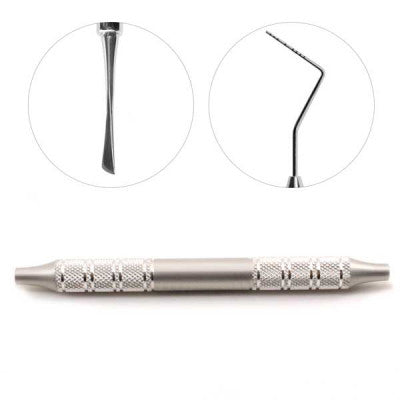
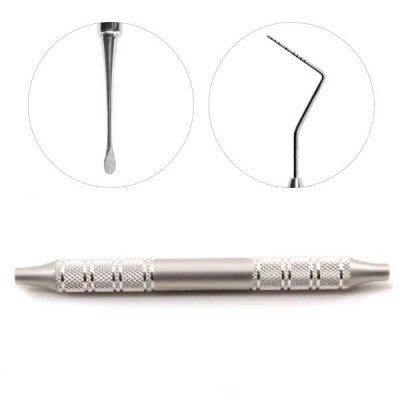
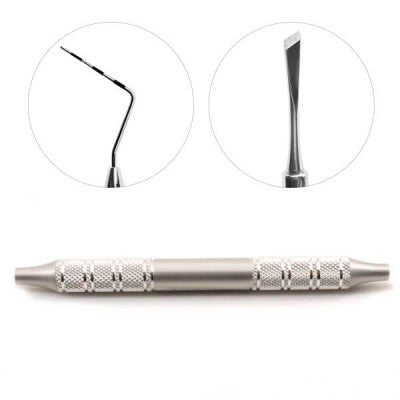
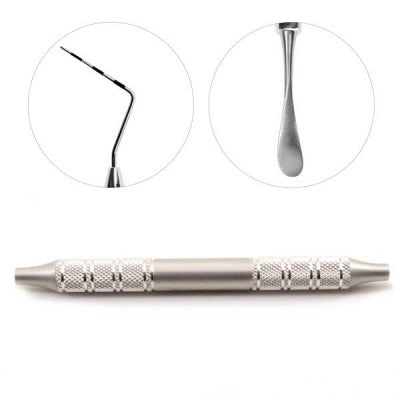
Maximize surgical efficiency with the dual-action Periosteal Probe. Engineered specifically for veterinary dentistry, this high-performance instrument combines a diagnostic probe and a periosteal elevator into one streamlined tool.
[Add to Cart - Professional Veterinary Instruments]
Streamline your surgical workflow with our Double-Ended Periosteal Probe. This essential veterinary tool is meticulously crafted to meet the demands of modern pet dental care, from routine examinations to advanced oral surgeries.
The instrument features a dual-tip configuration: one end is a precision probe for exploring the sulcus and detecting tissue irregularities, while the opposite end serves as a periosteal elevator. This allows for the gentle lifting of mucoperiosteal flaps and the clean separation of soft tissue from bone with minimal trauma.
The slim, tapered design is particularly effective for feline and small canine patients, providing unmatched access to narrow interproximal spaces. By reducing the number of instrument swaps required during a procedure, this probe helps decrease anesthesia time and improve surgical outcomes.
Forged from premium stainless steel, this probe maintains its edge and structural integrity through repeated sterilization cycles. It is a reliable, long-term investment for any veterinary clinic, general practice, or dental specialty center.
Specification Details
Material: Medical-Grade Stainless Steel
Function Probing + Periosteal Elevation
Target Species Canine, Feline, and Small Animals
Handle Type Ergonomic Textured Grip
Maintenance Fully Autoclavable / Reusable
Clinical Applications:
Q: Is this probe suitable for small animal dentistry (cats and toy breeds)?
A: Yes. The slim profile and delicate tips are specifically designed to provide access to the small, confined oral cavities of cats and small dogs.
Q: How does this improve extraction procedures?
A: By providing both a probe for assessment and an elevator for tissue reflection in one hand, you can work more fluidly during the initial stages of tooth luxation and flap creation.
Q: What is the best way to maintain the instrument?
A: We recommend immediate cleaning after use, followed by standard steam autoclaving. The high-grade stainless steel is designed to resist corrosion during these processes.
Q: Does the handle offer a secure grip when wet?
