
Featured Collection
Your cart
Featured Collection

PEAK SURGICAL
SKU:PS-8716
Couldn't load pickup availability
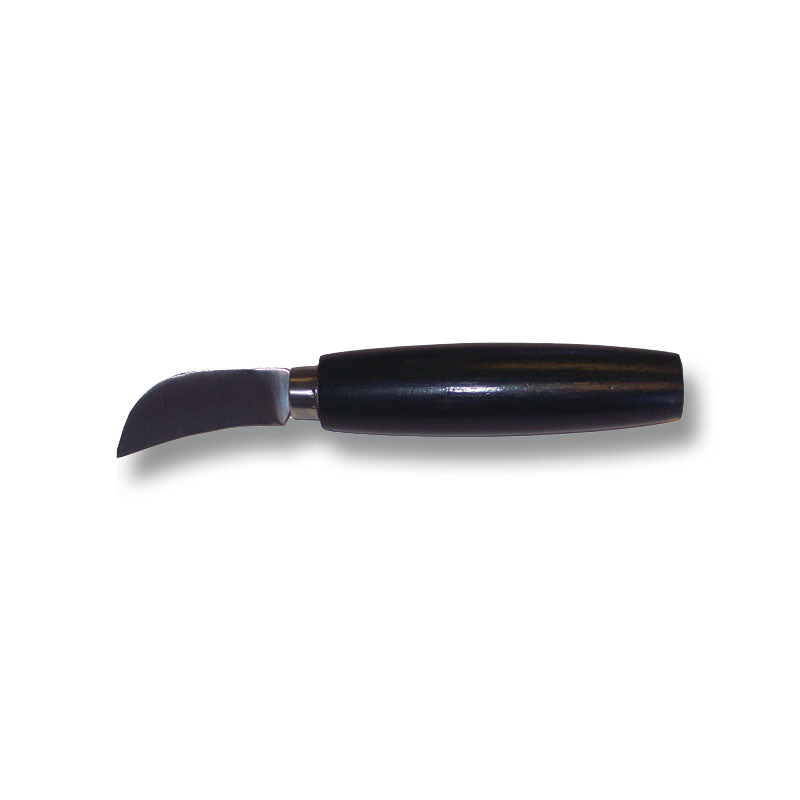
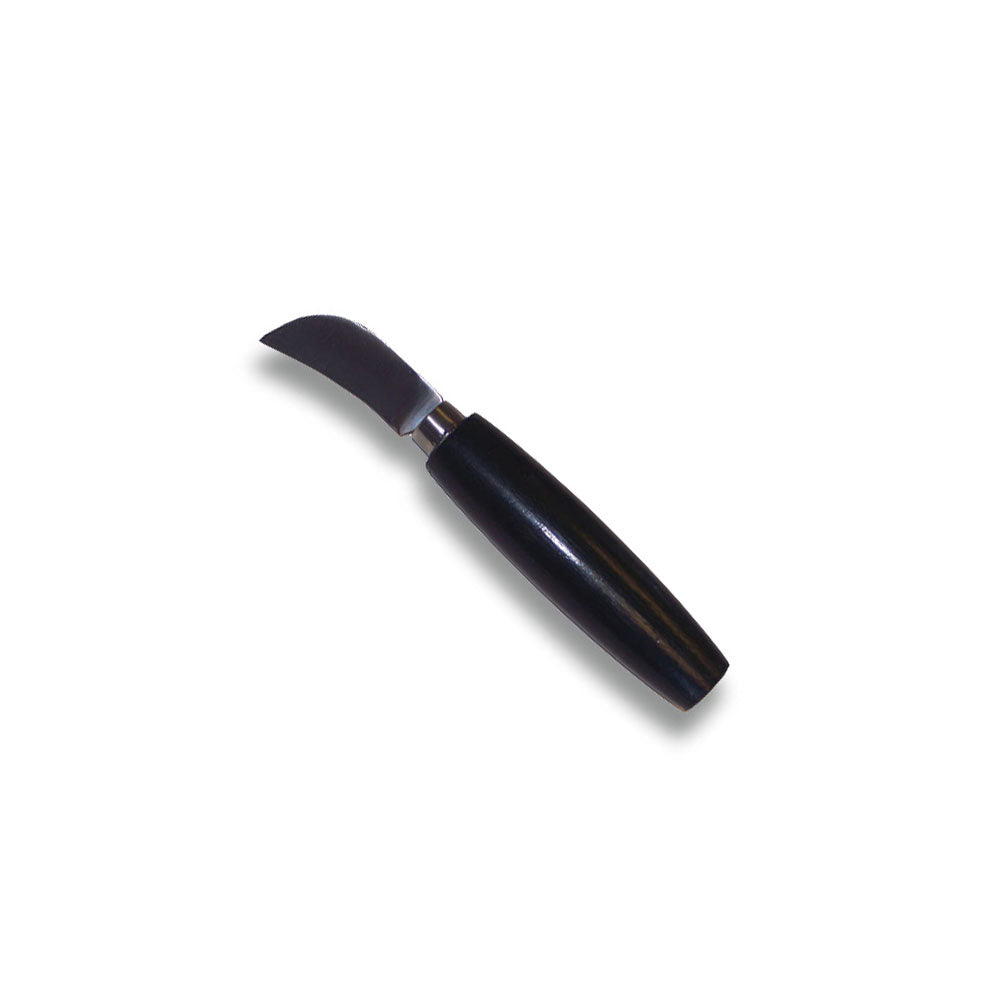
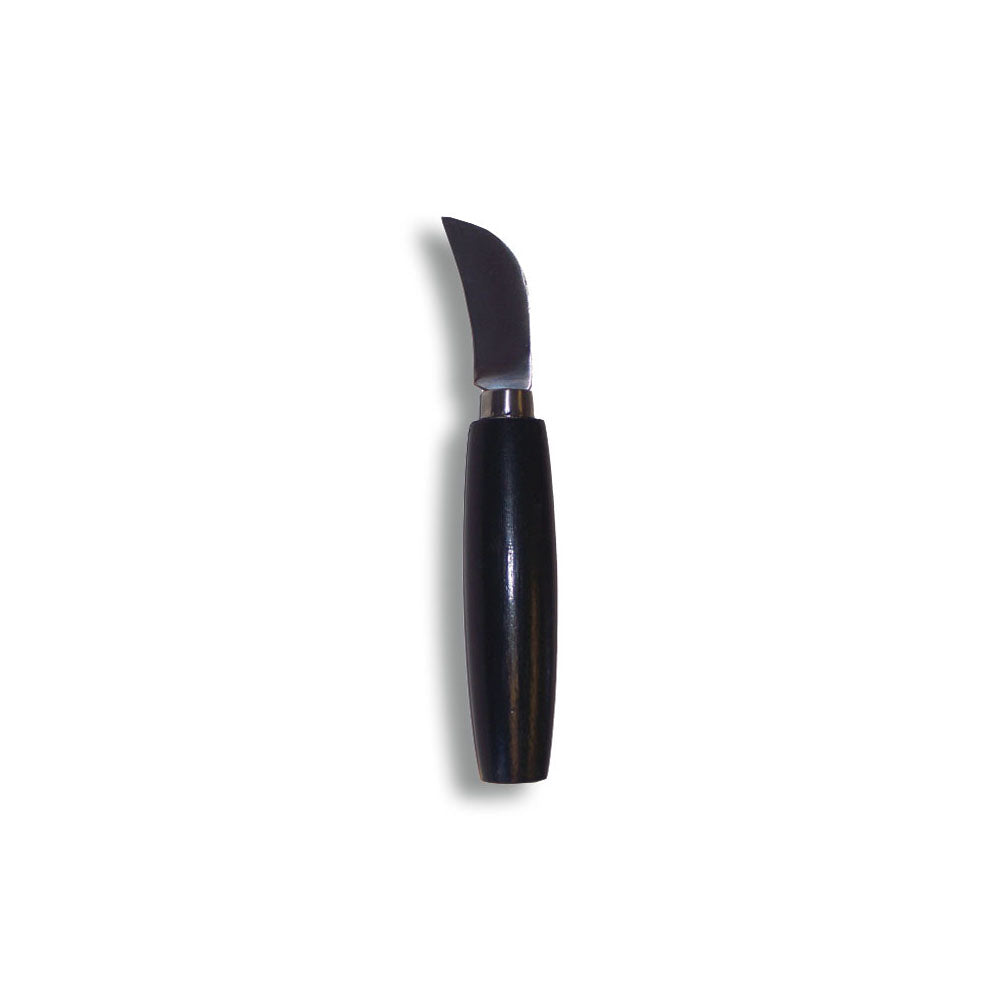
The definitive clinical instrument for the exacting task of cast edge trimming, shaping, and precise material adjustment. The Murphy Plaster Knife (6.5”) is a specialized orthopedic tool engineered to solve the requirement for high-control material removal. Featuring a signature curved-blade geometry and a balanced 6.5-inch chassis, this knife acts as a mechanical necessity for clinicians and orthopedic technicians who need to perform intricate adjustments—such as opening up a thumb-spica, smoothing a rough edge around the axilla, or modifying a cast for improved patient comfort—with total surgical precision.
The Murphy Plaster Knife is the specialist tool for the “finishing” phase of cast application and the “adaptation” phase of follow-up care. While saws and shears are used for bulk removal, the Murphy knife is a mechanical necessity for the subtle, delicate work required to maximize patient compliance. Its curved blade enables precise removal of small plaster segments, a mechanical necessity for adjusting cast borders to prevent pressure sores and nerve impingement.
At its core, the knife is designed for tactile control. In orthopedic practice, the clinician must be able to “feel” the density of the plaster as they cut; the Murphy knife’s blade-to-handle balance provides this sensory input, serving as a mechanical necessity to ensure the clinician can stop a cut instantly before reaching the underlying padding or skin.
Built to exceed international standards for medical hardware, this knife is fully reusable, easily serviced, and designed for daily utility in fracture clinics and trauma departments. Its compact, robust construction and dependable, curve-optimized blade make it an essential asset for ensuring that every cast is finished to a professional standard of comfort and anatomical fit.
Feature Details
Instrument Style Murphy Pattern Orthopedic Plaster Knife
Blade Geometry Precision-Curved Radius Shaving Profile
Overall Length 6.5” (approx. 165mm)
Handle Architecture Ergonomic High-Tactile Clinical Grip
Surface Treatment Non-Reflective Glare-Reducing Aura-Satin
Material Base Premium Fatigue-Resistant Surgical Stainless Steel
Reprocessing Limits Fully Autoclavable / High-Vacuum Steam-Safe
Certifications CE, ISO Professional Orthopedic Grade
Primary Clinical Applications:
Q: Can this be used to cut through fiberglass/synthetic casts?
A: It is optimized for plaster. While the Murphy's structural integrity is high, fiberglass is significantly harder; among synthetic materials, the Murphy knife is a mechanical necessity for “shaving” loose edges, but it should not be used as a primary cutting tool for full-thickness synthetic cast removal.
Q: How do you keep the edge sharp for plaster work?
A: Routine honing is a mechanical necessity. Because plaster is highly abrasive, the blade should be checked regularly; periodic professional sharpening is a mechanical necessity to maintain the “glide-cut” efficiency that the Murphy pattern is famous for.
Q: Is the curved blade harder to sterilize?
A: No. The open-curve design is a mechanical necessity for easy reprocessing. Unlike serrated tools, the Murphy blade is easy to clean, ensuring complete removal of debris during standard enzymatic scrubbing and autoclaving.
Q: Why is 6.5 inches the “ideal” length?
A: The 6.5-inch length is a mechanical necessity. It offers enough length for a solid palm grip, while the blade length is short enough to provide the “snapping” control required for precise, short-range trimming.
Q: What is the recommended sterilization protocol?
A: The premium stainless steel is a mechanical necessity for rigorous hospital reuse. It is fully rated to undergo standard high-vacuum steam autoclave cycles at 134°C (273°F).
