
Featured Collection
Your cart
Featured Collection

PEAK SURGICAL
SKU:PS-45789
Couldn't load pickup availability
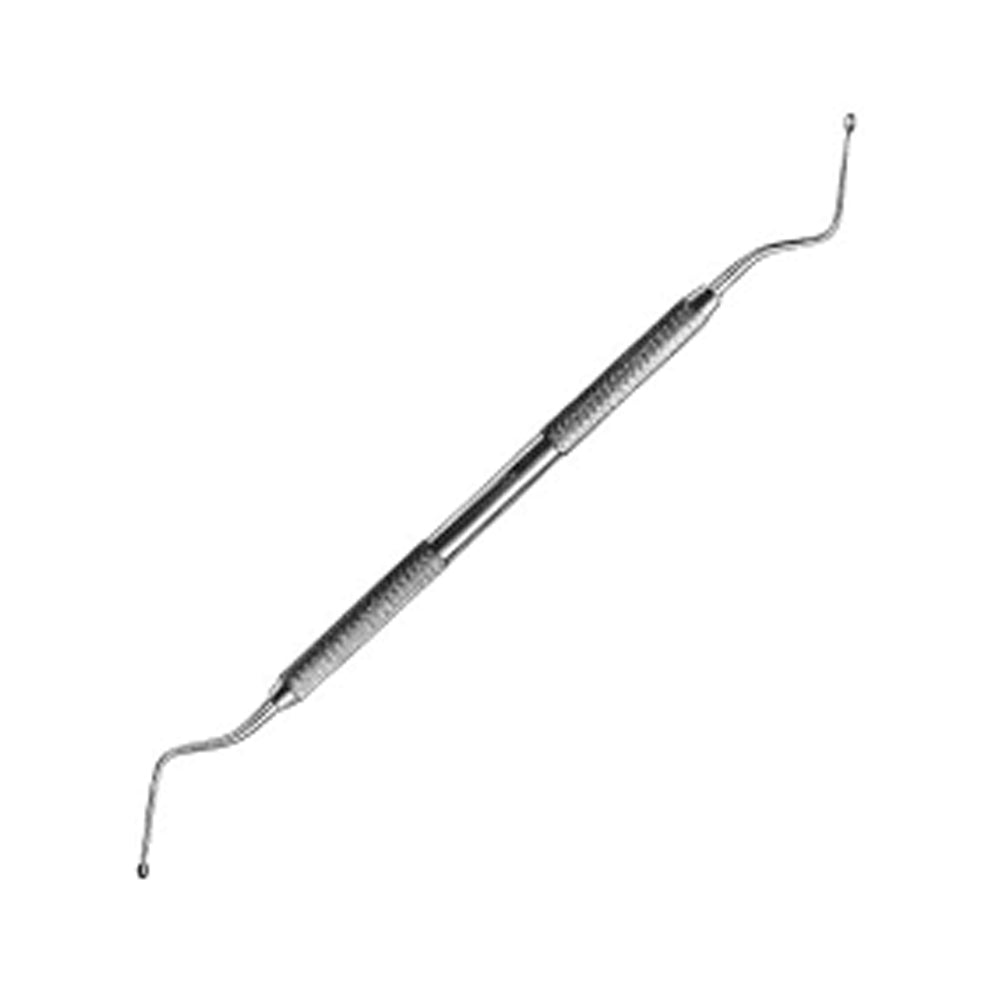
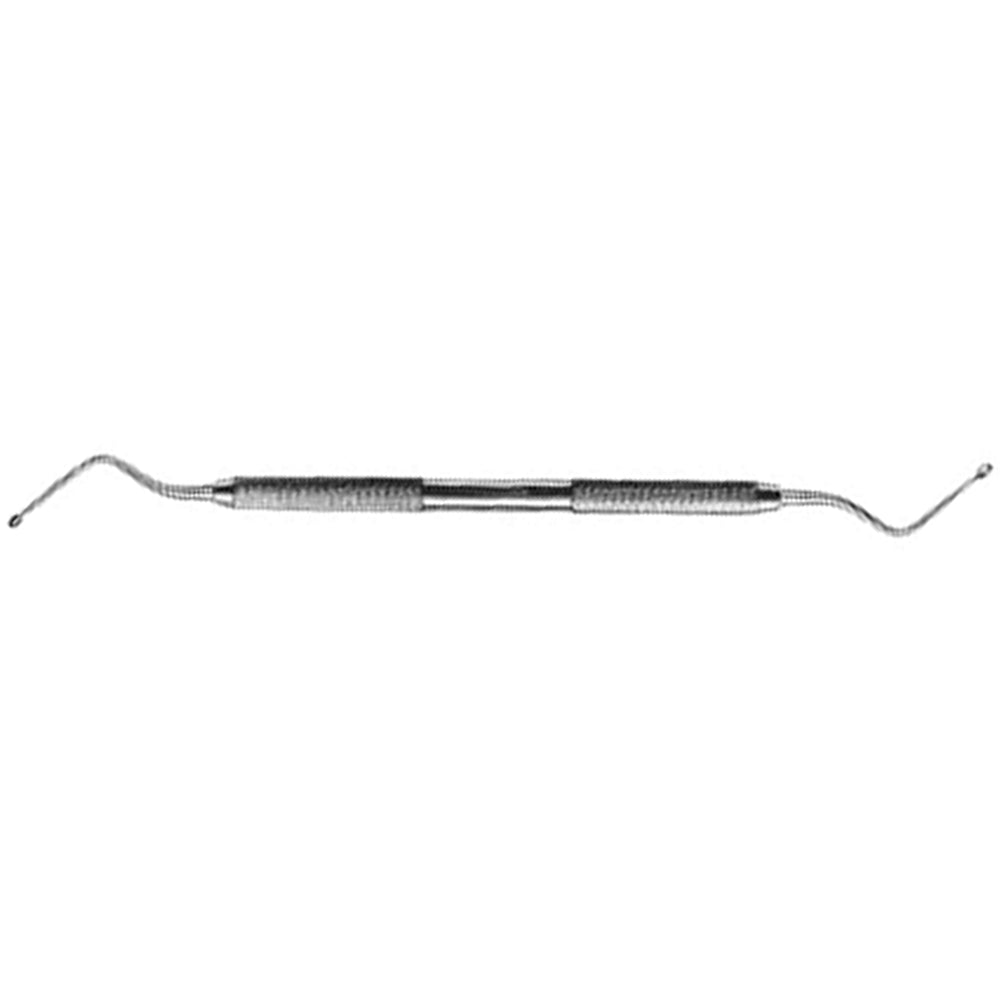
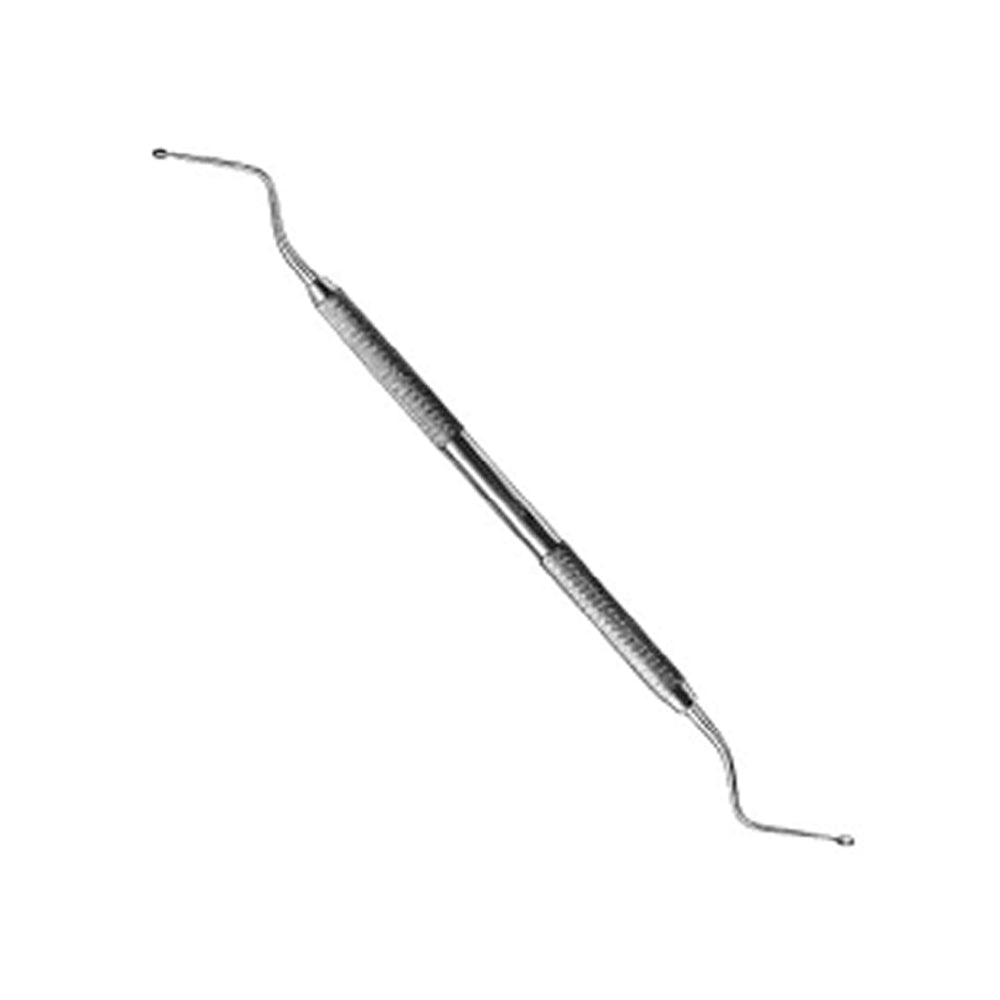
The premier orthopedic instrument for complex-access bone debridement, targeted lesion excavation, and site preparation in deep or anatomically restricted surgical fields. The Miller Bone Curette (No. 11, 17.5cm) is a high-performance orthopedic tool engineered to solve the requirement for precise bone and tissue removal in difficult-to-reach anatomical corridors. Featuring two identical, precision-angled 3mm curette cups and a high-traction, textured handle, this tool is a mechanical necessity for surgical teams that need to navigate around bone contours, reach into deep recesses, or perform sustained debridement without the workflow interruption of instrument exchanges. Its 17.5cm chassis provides the ideal leverage for controlled, accurate scraping, making it an essential asset for orthopedic trauma and reconstructive sets.
The Miller Bone Curette (No. 11, 17.5cm) is specifically engineered to address the challenges of complex anatomical access. In orthopedic and trauma surgery, the ability to clean a fracture site or debride a bone cavity—often in areas with severely restricted space—is vital to successful healing and implant integration. The Miller’s angled working ends act as a mechanical necessity, allowing the surgeon to “reach around” obstacles that would render standard straight instruments useless.
At its core, the tool is designed for structural reliability and high-fidelity feedback. The 17.5cm length provides the perfect lever arm for sustained, controlled scraping. Because the Miller is double-ended, it acts as a mechanical necessity for efficient workflow; should one edge become temporarily obstructed by debris, the surgeon flips the instrument to resume debridement, saving precious time during complex cases. By ensuring that bone beds are thoroughly prepared and free of pathological tissue, the Miller curette creates an optimal biological environment for successful reconstructive surgery.
Built to exceed international quality standards for medical hardware, this curette is fully reusable and easy to maintain. Its robust, weld-free construction, balanced feel, and high-performance angled tips make it an indispensable asset for ensuring safe, predictable, and high-precision results in all specialized orthopedic and trauma instrument sets.
Feature Details
Instrument Style Miller Pattern No. 11 Double-Ended Angled Bone Curette
Tip Size Dual 3mm Precision Excavation Cups
Overall Length 17.5cm (175mm / 6.9”)
Handle Geometry Central High-Traction Texture Zone
Surface Treatment Non-Reflective Glare-Reducing Aura-Satin
Material Base Premium Bio-Inert Surgical Stainless Steel
Reprocessing Limits Fully Autoclavable / High-Vacuum Steam-Safe
Certifications CE, ISO, Professional Surgical Grade
Q: Why use a No. 11 Miller pattern?
A: The No. 11 pattern is a mechanical necessity for procedures requiring both an angled approach and a 3mm excavation capacity. This specific combination is ideal for debriding fracture lines and medium-sized bone cysts.
Q: How do you maintain the sharpness of the angled cups?
A: Routine inspection is a mechanical necessity. If the edges show signs of blunting, they should be professionally rehoned by an instrument specialist, as improper sharpening can distort the cup angle.
Q: Is the 17.5cm length better than the standard 14cm length?
A: The 17.5cm length is a mechanical necessity for deep-access procedures; for superficial or micro-orthopedic tasks, smaller instruments may be preferred.
Q: How do you clean the angled hinges of the double-ended design?
A: An initial ultrasonic cleaner bath is a mechanical necessity for ensuring that bone debris is purged from the neck-to-cup junction before the steam sterilization process.
Q: What is the approved sterilization protocol for this instrument?
A: The premium surgical steel construction is a mechanical necessity built for rigorous hospital reuse. It is fully rated to undergo standard high-vacuum steam autoclave cycles at 134°C (273°F).
