
Featured Collection
Your cart
Featured Collection

PEAK SURGICAL
SKU:PS-OS-00300-04-1
Couldn't load pickup availability
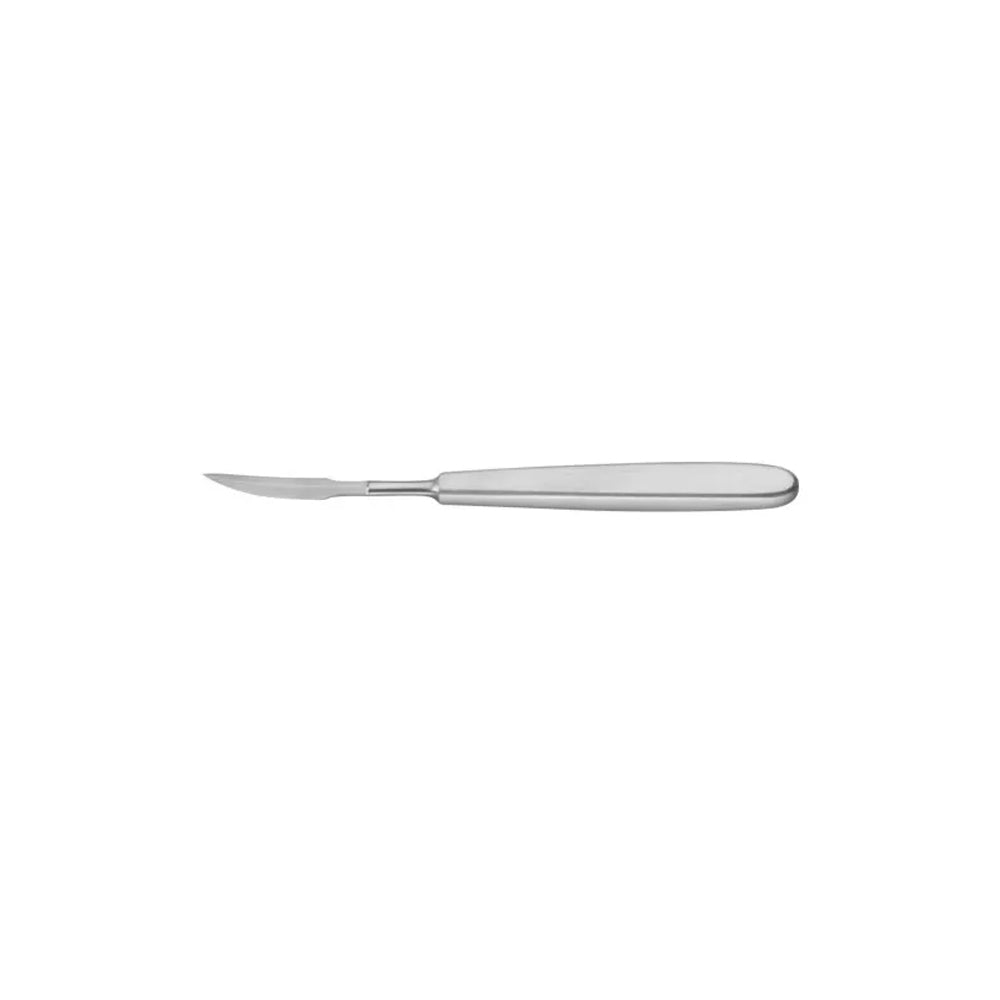
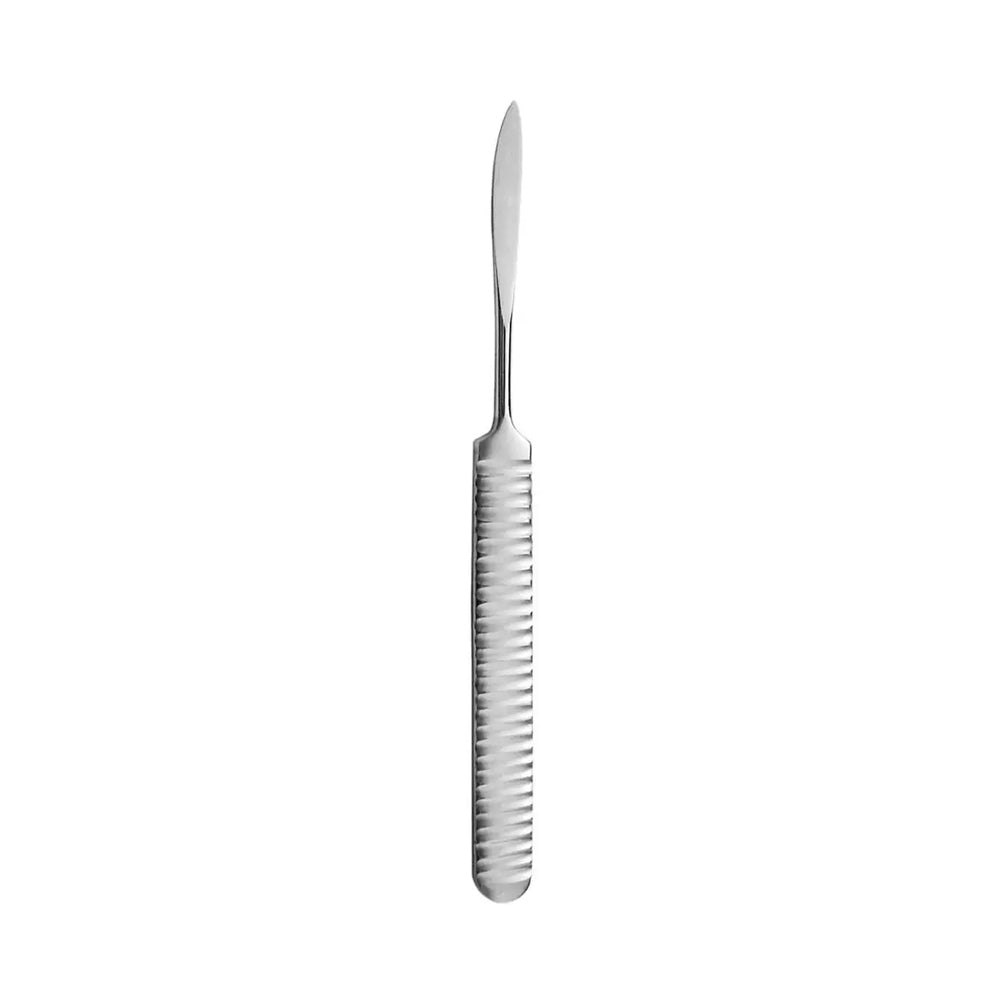
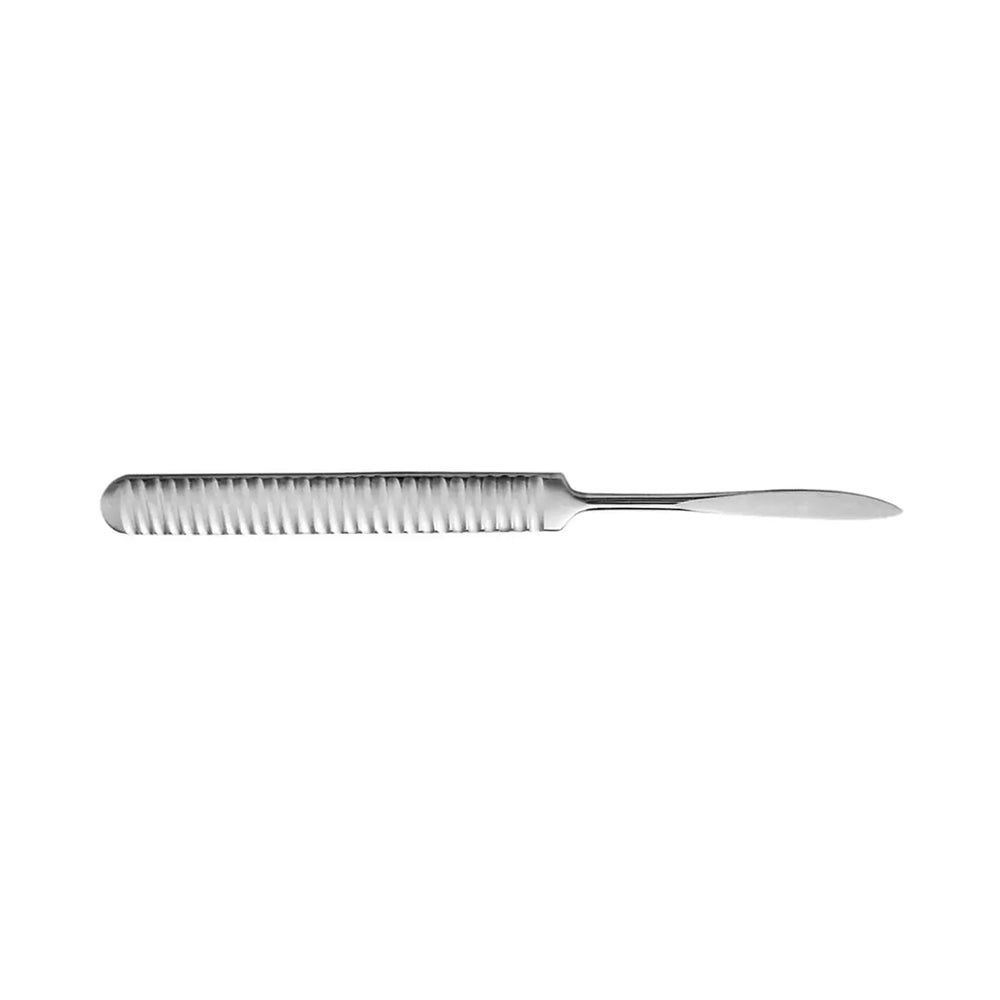
Meniscus Knife 18cm PS-OS-00300-04-1 is an orthopedic cutting instrument made from German stainless steel for controlled incision, release, and trimming of meniscal fibrocartilage during knee surgery. The available size is 18 cm - 7", giving the surgeon a long hand-to-blade working distance for open arthrotomy, mini-open meniscectomy, meniscal rim contouring, posterior horn access, and preparation of torn medial or lateral meniscus margins. Its curved cutting blade and slim neck support directional cutting along the tibiofemoral joint line while the rounded solid handle gives stable rotational control during deep knee exposure. The instrument is used by orthopedic surgeons, sports medicine surgeons, trauma surgeons, hospital operating rooms, orthopedic clinics, ambulatory surgery centers, and procurement teams stocking knee reconstruction and general orthopedic sets. It is selected for sharp meniscal division, controlled tissue release, and trimming of fibrocartilage where a reusable fixed-pattern knife is preferred over a disposable scalpel blade.
The Meniscus Knife 18cm uses a fixed curved blade mounted on a narrow neck and rounded handle to translate hand pressure into a controlled slicing movement at the knee joint line. The curve allows the cutting edge to follow the crescent orientation of the meniscus rather than forcing the surgeon to use a straight vertical stroke against fibrocartilage. The low-profile blade enters the medial or lateral compartment through an arthrotomy window and can be advanced along the torn margin with short deliberate movements. The neck provides clearance between the handle and soft tissue edges, reducing obstruction when the joint is flexed and retracted. The solid handle gives axial stability for push, pull, and sweeping cuts, while its smooth surface allows the surgeon to adjust grip without catching on gloves. Because the blade is integrated with the instrument body, tactile feedback is transmitted directly from the meniscal edge to the hand during trimming and release.
In open meniscectomy, the knife is introduced after joint exposure, retraction, and confirmation of the tear pattern. The curved edge is used to incise unstable fibrocartilage at the anterior horn, body, or posterior horn depending on whether the pathology involves the medial or lateral compartment. During partial meniscal resection, the surgeon can use the blade to define the resection line before removing loose tissue with forceps or completing contouring with scissors. In traumatic knee arthrotomy and ligament reconstruction support cases, it can assist with controlled release of scarred meniscal margins or trimming tissue that blocks visualization of the tibial plateau. The 18 cm length is useful when soft tissue depth, retractor placement, or knee flexion increases the distance between the surgeon’s hand and the target surface. The instrument is most relevant to open or mini-open orthopedic technique rather than powered arthroscopic shaver work. It supports precise cutting before irrigation, inspection, and closure.
The 18 cm - 7" size provides enough reach for knee arthrotomy exposure while retaining the hand feel of a compact orthopedic knife. A shorter blade holder can crowd the incision, especially when assistants are maintaining retractors along the patellar tendon, collateral ligament region, or posterior capsule line. This length keeps the hand outside the deepest part of the wound while preserving control over blade angle and cutting depth. The curved blade is the working component used for meniscal incision, trimming, and release along the tibial surface. The slim neck connects the cutting end to the handle and helps the surgeon approach the meniscus without broad metal contact against the femoral condyle or tibial plateau. The rounded handle supports palm, pencil, or modified fingertip grip according to the direction of the cut. Selection of this size is based on knee exposure, patient soft tissue depth, compartment access, and the surgeon’s preferred open meniscal technique.
German stainless steel is used because orthopedic cutting instruments require corrosion resistance, structural rigidity, and a reusable surface that tolerates repeated cleaning and sterilization. The satin finish limits glare under operating room lighting and helps the blade, neck, and handle remain visually defined during instrument counts and setup. Mirror finish is available upon request for procurement teams that standardize polished instrument trays. After use, the instrument is processed through decontamination, manual brushing of the blade shoulder and neck, rinsing, drying, visual inspection, packaging, and steam autoclave sterilization according to hospital protocol. The cutting edge must be inspected before tray assembly because meniscal fibrocartilage work depends on a clean sharp edge and stable handle alignment. CE marking, ISO 13485 quality system documentation, and FDA procurement context support institutional purchasing requirements. The reusable design, medical grade steel construction, 30 days money back guarantee, and one-piece minimum order make it suitable for orthopedic departments, distributors, and surgical supply teams.
| SKU | PS-OS-00300-04-1 |
|---|---|
| Product Name | Meniscus Knife 18cm |
| Price | $5.50 USD |
| Size/Gauge Variants | 18 cm - 7" |
| Instrument Category | Orthopedic meniscus knife |
| Procedure | Open meniscectomy, mini-open meniscal trimming, knee arthrotomy, meniscal rim contouring |
| Material | German stainless steel |
| Finish | Satin finish; mirror finish available upon request |
| Sterilization | Reusable instrument for standard hospital steam autoclave processing after cleaning and inspection |
| Instrument Classification | Class I |
| Reusable | Yes |
| Certifications | CE, ISO 13485, FDA |
| Warranty | 30 days money back guarantee |
| MOQ | 1 piece |
| OEM / Custom Orders | Available for distributor and institutional procurement |
| After-Sale Service | Return and replacement support |
How is the Meniscus Knife 18cm different from a No. 11 scalpel blade?
The Meniscus Knife 18cm is designed specifically for orthopedic work around the knee joint line. A No. 11 scalpel blade is a general pointed blade used for skin entry, stab incisions, and small precise cuts. The meniscus knife has a curved fixed cutting edge that follows the arc of meniscal fibrocartilage more naturally during open trimming. Its longer reusable handle gives more working distance inside an arthrotomy than a standard scalpel handle. The narrow neck improves access between retractors and deep knee structures. The Meniscus Knife 18cm is selected when the surgeon wants controlled fibrocartilage incision rather than a general skin or capsule blade.
Why is the 18 cm size used for knee meniscal surgery?
The 18 cm length gives adequate reach when the knee is flexed and the joint is opened through an anterior, medial, or lateral approach. It keeps the surgeon’s hand outside the deepest part of the operative field while the blade works near the meniscal body or horn. This is useful when retractors are positioned around the patella, capsule, or collateral ligament region. A shorter instrument can crowd the incision and reduce the cutting angle. The Meniscus Knife 18cm gives controlled access to medial and lateral meniscal tissue during open or mini-open technique. The size is also practical for orthopedic tray standardization because it covers common adult knee exposures.
What procurement standards support hospital purchasing?
The Meniscus Knife 18cm is supplied as a reusable Class I orthopedic surgical instrument. CE marking supports regulated medical device purchasing in relevant markets. ISO 13485 documentation reflects medical device quality management during manufacturing and supply. FDA procurement context supports review by hospitals, clinics, distributors, and surgical supply teams that require compliance records. The SKU PS-OS-00300-04-1, size 18 cm - 7", and listed price of $5.50 USD give clear catalog data for purchasing systems. The product also supports one-piece ordering for replacement, tray completion, or distributor stock entry.
How does the handle and blade neck improve intraoperative control?
The rounded handle provides a stable grip for short slicing movements along the meniscal margin. The surgeon can rotate the handle slightly to change the cutting edge orientation without excessive wrist movement. The narrow neck creates clearance between the handle and the wound edge during deep knee access. This helps maintain visibility when retractors are holding capsule, fat pad, or periarticular soft tissue. The fixed blade transmits tactile resistance from fibrocartilage directly to the hand. In the Meniscus Knife 18cm, this control is important when defining a resection line before removing loose meniscal fragments.
How should operating room teams process this instrument after use?
The instrument should be cleaned immediately after use so blood and tissue do not dry on the blade shoulder or neck. Manual brushing should focus on the cutting edge, transition area, and handle surface before rinsing and drying. The blade must be visually inspected for edge damage before it is returned to an orthopedic tray. Steam autoclave sterilization can be used after the instrument has been cleaned, dried, and packaged according to facility protocol. The reusable German stainless steel construction supports repeated processing in hospital sterile supply workflows. Procurement teams can stock the Meniscus Knife 18cm as a single replacement item or as part of a knee surgery instrument set.
