
Featured Collection
Your cart
Featured Collection

PEAK SURGICAL
SKU:DS-4578
Couldn't load pickup availability
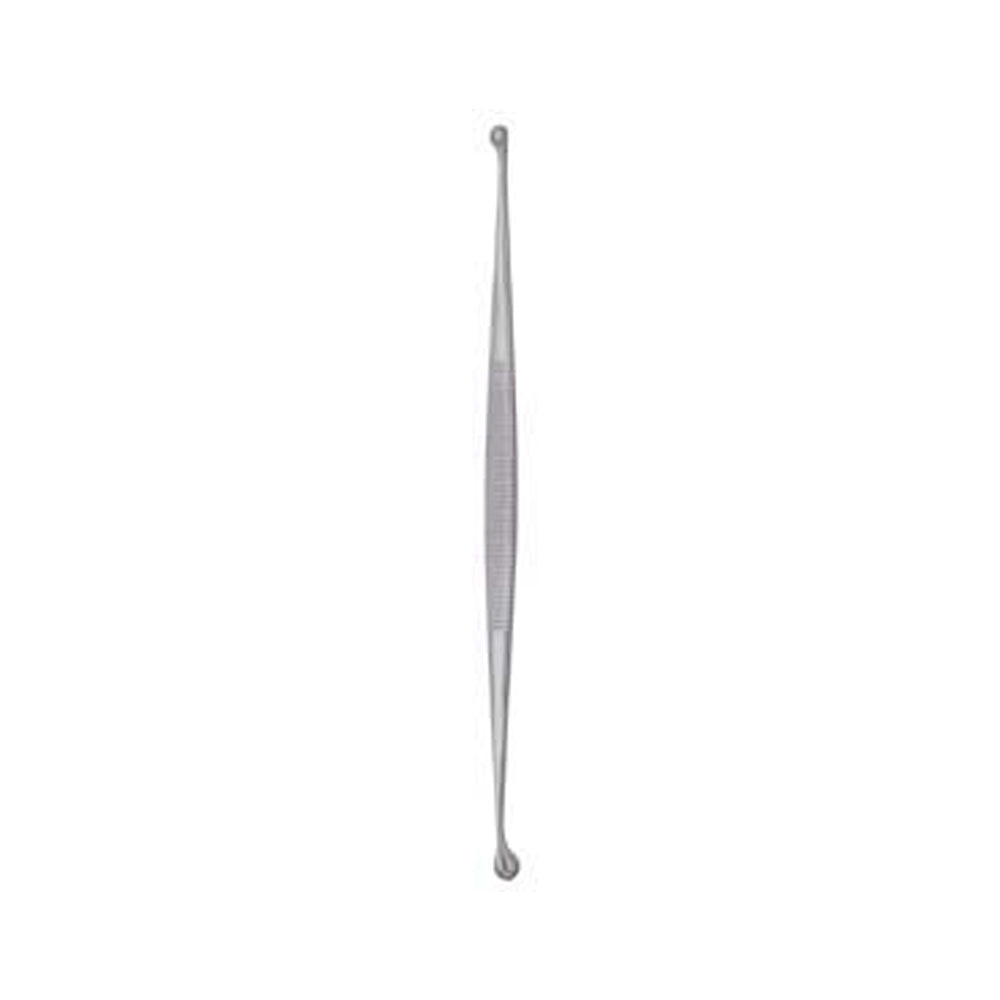
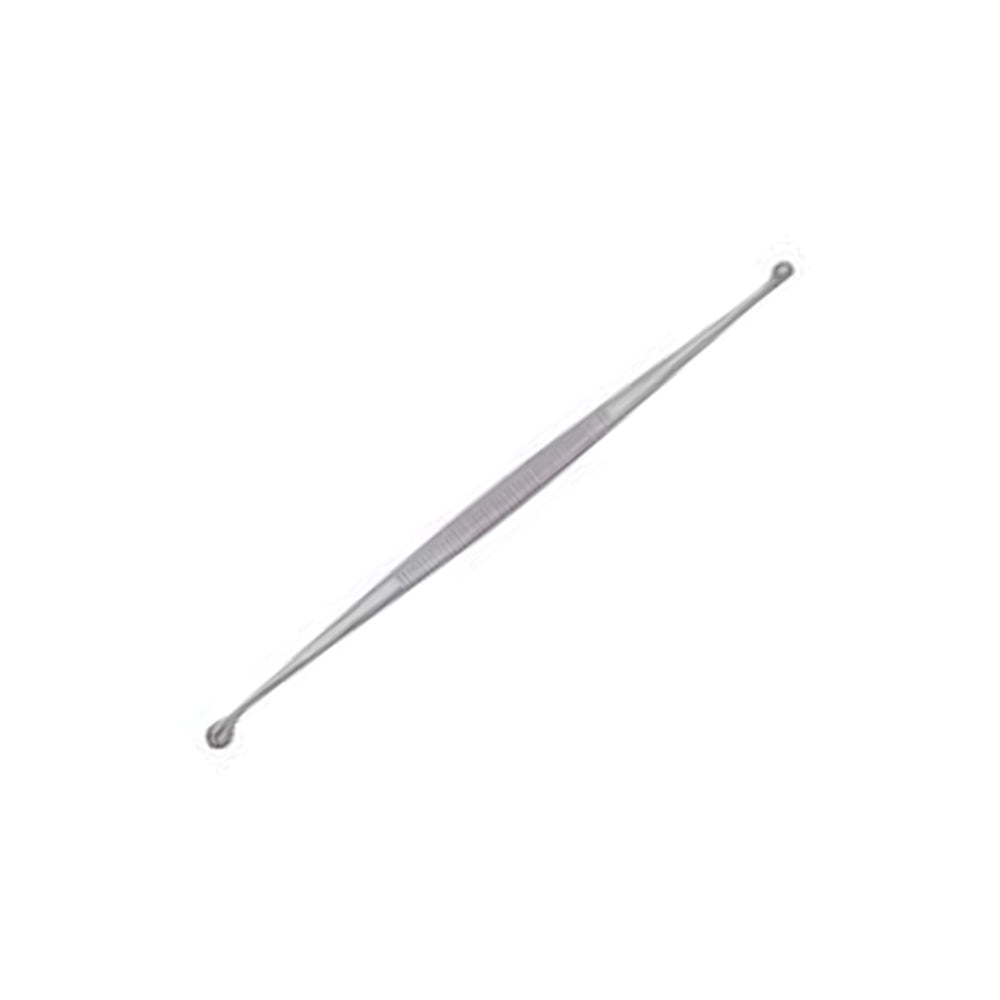
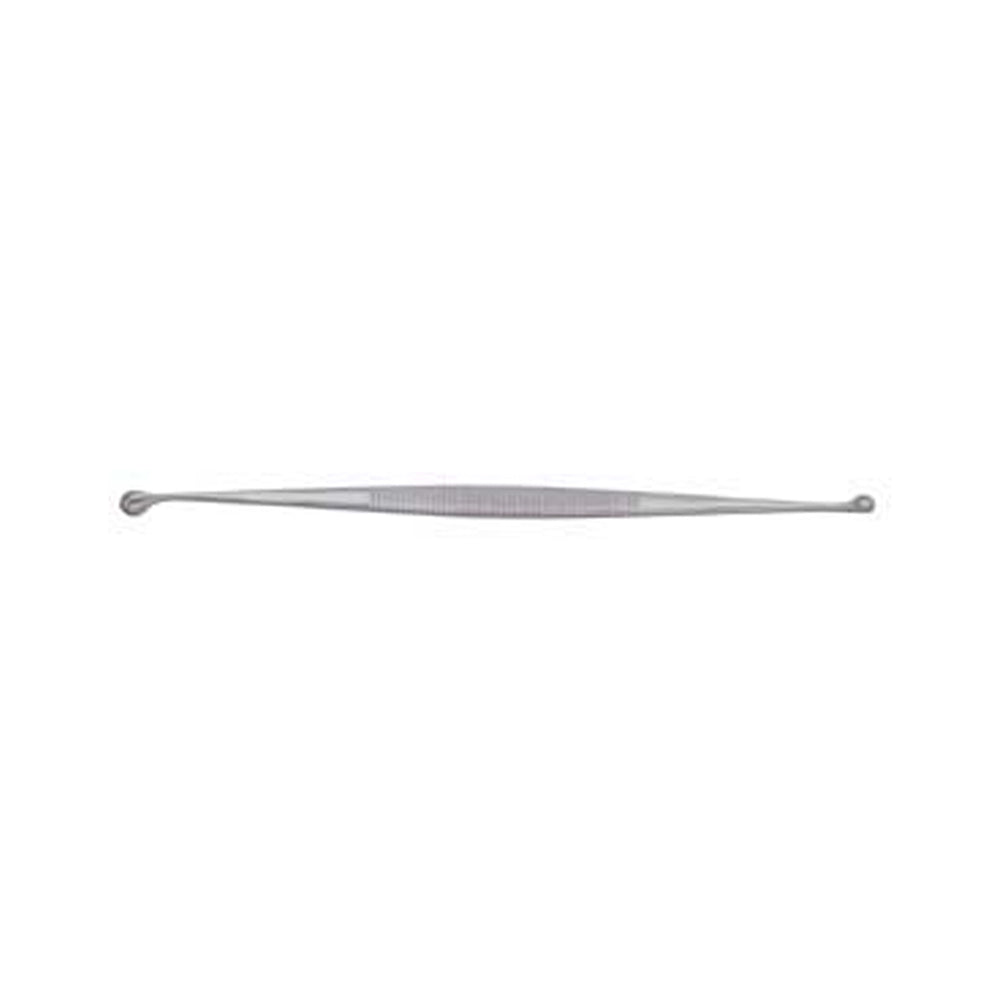
The essential instrument for efficient bone debridement, lesion excavation, and site preparation in orthopedic and reconstructive surgery. The Martini Bone Curette (14cm) is a specialized surgical tool engineered to solve the requirement for versatile, multi-sized bone excavation within a single, streamlined chassis. Featuring two precision-contoured 3mm and 4mm curette cups and a high-traction, textured handle, this tool is a mechanical necessity for surgical teams transitioning between varying debridement volumes without the delay of instrument exchange. Its slim, balanced profile provides the tactile feedback required to perform clean, effective curettage while preserving the surrounding healthy cortical bone, making it an indispensable asset for trauma and reconstructive surgical sets.
The Martini Double-Ended Bone Curettes (14cm, 3mm & 4mm) serve as the workhorse for bone bed preparation and soft-tissue debridement. In procedures involving trauma reduction, cyst removal, or bone-graft site preparation, the ability to quickly clear pathological material or debris is critical. The Martini pattern’s dual-tip design acts as a mechanical necessity, allowing the surgeon to use the 4mm cup for rapid, primary debridement and the 3mm cup for finer, more precise sculpting of the surgical bed.
At its core, the instrument is engineered for structural safety and dependable clinical sensitivity. The 14cm length offers the ideal “surgical feel,” providing sufficient leverage to excise firm granulation tissue while remaining sensitive enough to detect the transition from pathological bone to healthy, dense cortex—a mechanical necessity for preventing over-debridement. The slender neck ensures the surgeon’s view of the curette tip remains unobstructed, allowing for meticulous control even in deep or restricted tissue planes.
Built to exceed international quality standards for medical hardware, this curette is fully reusable and easy to maintain. Its robust, weld-free construction, balanced feel, and high-performance cups make it an indispensable asset for ensuring safe, predictable, and high-precision results in all specialized orthopedic and trauma surgical instrument sets.
Feature Details
Instrument Style Martini Pattern Double-Ended Bone Curette
Tip Sizes 3mm and 4mm Sharp-Edge Cups
Overall Length 14cm (140mm / 5.5”)
Handle Geometry Central Textured High-Traction Grip
Surface Treatment Non-Reflective Glare-Reducing Aura-Satin
Material Base Premium Bio-Inert Surgical Stainless Steel
Reprocessing Limits Fully Autoclavable / High-Vacuum Steam-Safe
Certifications CE, ISO, Professional Surgical Grade
Primary Clinical Applications:
Q: Why use the Martini pattern over other bone curettes?
A: The Martini pattern offers a unique cup-to-shank ratio that is a mechanical necessity for balancing excavation power with precision. It is the preferred choice for surgeons needing a reliable tool for both gross and fine-detail curettage.
Q: How do you maintain the sharpness of the curette cups?
A: Routine professional maintenance is a mechanical necessity. If the edges become dull or rounded, they should be professionally rehoned by an instrument repair specialist to restore their precision-shearing capability.
Q: How do you ensure the curettes are completely clean after surgery?
A: Bone and tissue debris can adhere to the cup interior. An initial ultrasonic cleaner bath is a mechanical necessity to ensure that all microscopic debris is dislodged before the instruments undergo the steam autoclave cycle.
Q: Is the 14cm length suitable for large-bone work?
A: It is excellent for general orthopedic work and precision tasks. For extremely deep-field surgery, longer-handled curettes may be a mechanical necessity; however, for 90% of orthopedic trauma, the 14cm Martini remains the industry standard.
Q: What is the approved sterilization protocol for this instrument?
A: The premium surgical steel construction is a mechanical necessity built for rigorous hospital reuse. It is fully rated to undergo standard high-vacuum steam autoclave cycles at 134°C (273°F).
