
Featured Collection
Your cart
Featured Collection

PEAK SURGICALS
SKU:
Couldn't load pickup availability
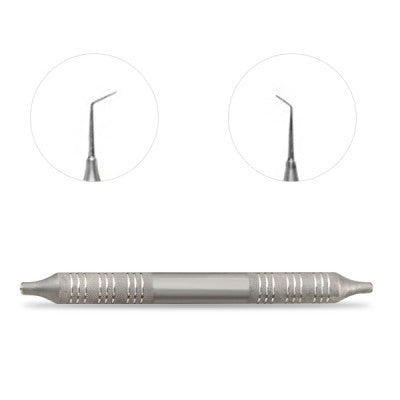
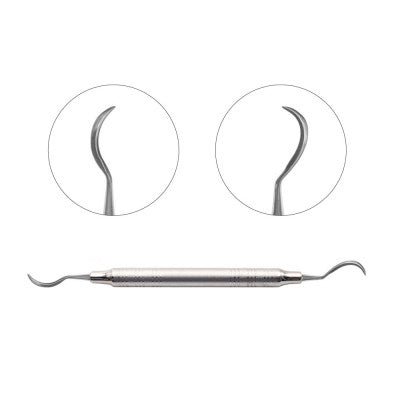
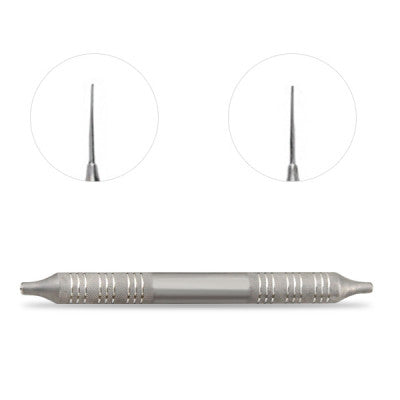
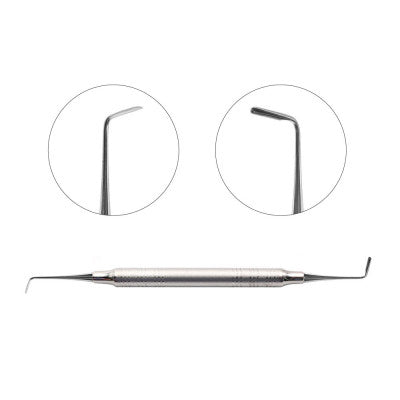
The instruments of luxation are specialised surgical instruments that are commonly employed in oral and dental surgeries to aid in the gentle loosening and removing of teeth. The instruments are specifically designed to limit the trauma to the bone surrounding and soft tissues. These instruments play an essential role in modern techniques of extraction. By combining control, precision and ergonomics, luxation instruments aid clinicians in getting the most efficient extractions, while also preserving the alveolar bone, and enhancing the recovery of patients.
The principal function of instruments to luxate is to break the ligament that binds the tooth to the bone. Contrary to traditional elevators, which depend on leverage and force, the luxation instrument operates through controlled, precise movements. This reduces the chance of bone fractures as well as soft tissue injuries, making them ideal for trauma extractions.
Luxation instruments are extensively employed for the routine procedure of dental extractions, surgical extractions, orthodontic tooth removal and the preparation of implants. They are especially beneficial in situations where preserving bone structure is crucial, for instance instances where the dental implant is scheduled right after extraction.
The instruments of luxation typically have small, sharp, and tapered blades that permit easy insertion within the periodontal cavity. The slender profile allows the precise cutting of fibres in ligament without pressure that is too high. Many designs include micro-serrations, or edges that are finely polished to increase cutting performance while retaining control.
They are ergonomically designed to give the most secure grip while reducing hand fatigue. This allows doctors to perform delicate movements with precision and ease, even during long procedures. The majority of instruments for luxation are constructed out of premium stainless steel that is medical grade, which ensures long-lasting longevity, corrosion resistance and compatibility with sterilisation cycles.
One of the major advantages of the luxation instruments is their capacity to perform traumatising extractions through cutting the ligament in the periodontal region instead of pushing to extract the tooth. The instruments are used to preserve the bone surrounding it and the gingival tissue. This leads to less postoperative pain, decreased swelling, and quicker recuperation for those who have undergone surgery.
Furthermore, luxation instruments provide more control and accuracy. The fine tips of their instruments allow access to tiny spaces as well as difficult root anatomies, thereby increasing chances of success in difficult extractions.
Luxation instruments come in a variety of shapes and angles that allow dentists to choose the best instrument for different tooth positions and configurations. This flexibility makes them an ideal component of any oral or dental surgical equipment set.
Regular maintenance, which includes regular sharpening, as well as careful handling, will ensure the same performance and reliability over time.
Luxation instruments are indispensable in modern oral and dental surgery. They provide an accurate and minimally invasive method of tooth extraction. With their sharp, tapered blades, ergonomic handles, and sturdy construction, they aid in effective procedures while protecting soft tissue and bone. They not only improve the clinical outcome but also enhance patients' comfort and recovery, which makes them an ideal option for extractions that are traumatic.
