
Featured Collection
Your cart
Featured Collection

PEAK SURGICALS
SKU:
Couldn't load pickup availability
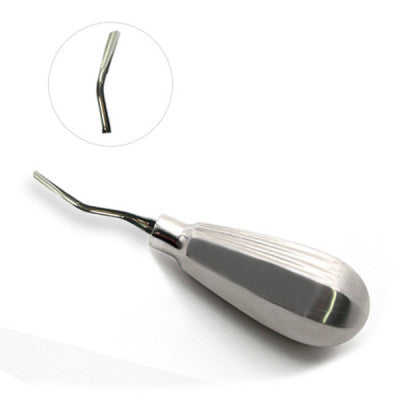
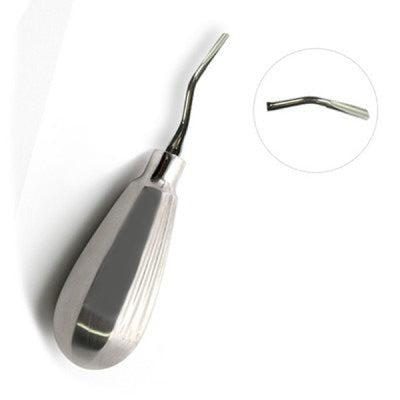
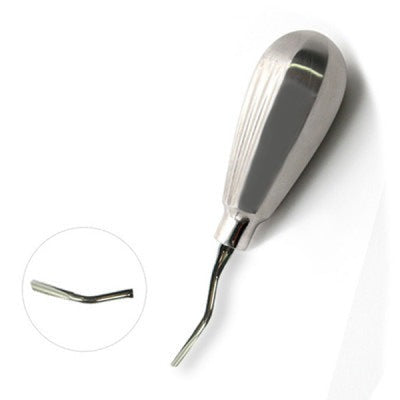
Introduction to Luxating Elevators
In the field of veterinary and dental, the need to achieve precision while protecting the tissue is the top goal. It is the luxating elevator (outside bayonet), with a short handle is a specific instrument that is designed to meet the demands of these procedures. It is often employed in tooth extractions that are traumatic methods, where the preservation of the bone surrounding and soft tissue is vital to ensure faster healing and better results.
Design and Structural Features
A luxating (outside bayonet) short handle is created to provide greater access and control. The outside bayonet form allows blades to be offset by the hand, increasing visibility and allowing the user to access difficult areas without obstruction. This is particularly useful when working in proximity to nearby teeth or within a tight space.
The shorter handle offers a comfortable and secure grip, providing the user with more feel and control in delicate processes. This is especially useful when the situation requires precise movements instead of excessive leverage. The blade itself is small, sharp and curving, which allows it to smoothly slide into the ligament space of the periodontal.
Made of high-quality stainless steel, this instrument is strong and resistant to corrosion. It is also easy to sterilize, allowing it ideal for use in a variety of clinical settings.
Clinical Applications and Uses
The main purpose of the elevator that luxates (outside bayonet) short handle is to break the ligament of the periodontal area and to loosen the tooth before extraction gradually. By putting the blade onto the root's surface, the dentist is able to reduce resistance and decrease the force required to remove the tooth.
This tool is especially efficient for processes that require precision, like surgical extractions, root fragment removal and preparing the site for implant. The bayonet design provides more access to posterior areas and small spaces. Moreover, the shorter handle helps control complicated tasks.
Advantages in Practice
One of the major benefits of this instrument is its capacity to aid the use of minimally invasive techniques. The thin blade is able to ensure accurate ligament separation, decreasing the risk of injury to tissues around it and preserving the bone structure. This helps speed up healing and increases comfort for patients.
The ergonomic design reduces hand fatigue, allowing users to hold their hands in a stable position throughout the process. The enhanced visibility that comes with the shape of the bayonet improves precision, which makes it easy to complete complex extractions in a safe manner.
Conclusion
This elevator with a luxating (outside bayonet) short handle is an extremely efficient and precise tool in the modern veterinary and dental practice. The combination of a bayonet-shaped blade and a small handle allows greater accessibility, control, and effectiveness. For those who wish to do atraumatic extractions that yield the best results, this device is an integral component of their surgical toolkit.


