
Featured Collection
Your cart
Featured Collection

PEAK SURGICAL
SKU:
Couldn't load pickup availability
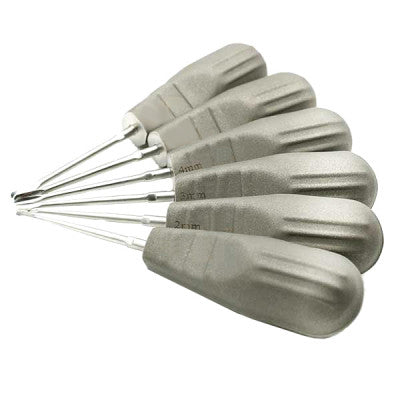
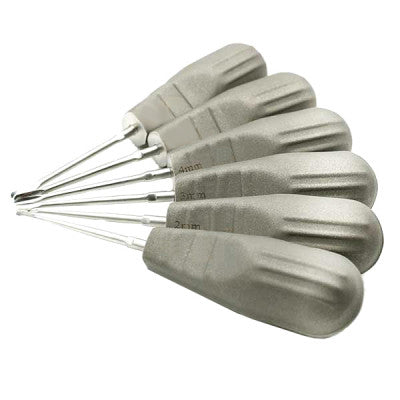
Introduction to Equine Dental Instruments
Equine dentistry requires special instruments designed specifically to accommodate the specific anatomy and dimensions of the mouth of a horse. Of these tools, the luxating elevator's curved, long handle is a crucial component in the most advanced dental procedures. Horses have massive teeth that are deeply rooted, making extractions more complicated when compared to smaller animals or humans. This is the reason why tools of precision, such as the luxating elevator, are vital for vets.
Design and Structure
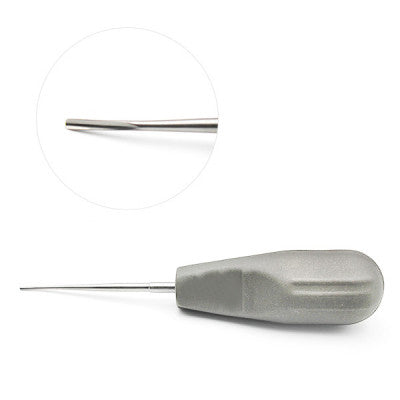
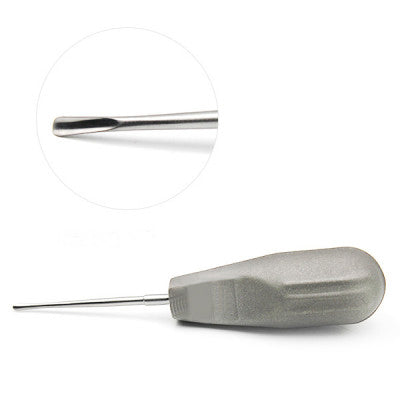
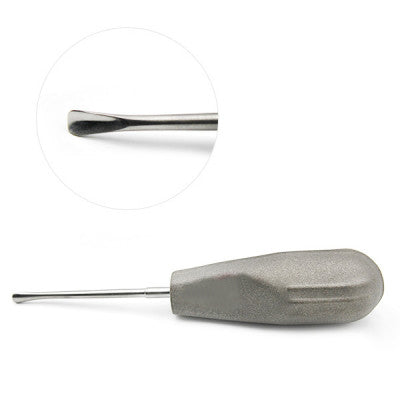
The luxurious elevator's long handle is specially designed to increase strength, reach and control. It has a long, robust handle that permits the surgeon to access deeper places inside the horse's oral cavity. The curved blade is small and sharp, allowing it to glide into the periodontal ligament without much resistance.
The curve of the blade is important during horse procedures as it assists maneuver around the large teeth of molars as well as premolars. The handle's extended length provides more leverage that is required for working with the robust structure of l'snn and the dense lfk present in horses. Typically, the handle is constructed from premium stainless steel; this instrument guarantees durability, corrosion resistance and easy sterilization.
Clinical Applications in Equine Dentistry
The principal purpose of the luxating elevator's curving long handle is to aid in the extraction of teeth by releasing teeth from their sockets. For a horse, tooth extraction may be a challenge because of the dimensions and strength of the teeth and also their roots that are deep roots. This instrument is used to cut the ligament of the periodontal canal gently and let the tooth be mobile before removal.
This is particularly useful when dealing with fractured teeth, infection, or advanced dental illness. Reducing the force needed to extract the tooth, it helps reduce the risk of injury to bone as well as soft tissue. This is essential for horses, in which healing can be more complicated and take longer.
Advantages in Veterinary Practice
One of the most significant benefits of this instrument is its capacity to assist in less invasive treatments. The thin blade guarantees precise ligament separation, which reduces the chance of complications, such as fractures of the bone. The long handle increases the control and leverage, which makes it easier for veterinary surgeons to extract patients efficiently.
Furthermore, the curvature makes it easier to access difficult-to-access areas of the horse's mouth. This does not just improve the accuracy of the procedure but also decreases the amount of time needed to complete the procedure, thereby benefiting both the therapist and the horse.
Conclusion
The luxating elevator's curving long handle is an important instrument for advanced horse dental care. Its clever design, which combines the curved blade and an extra handle, enables dentists to carry out complex extractions of teeth with greater precision and security. As the field of equine dentistry continues to develop, instruments like this will remain vital to ensure effective treatment and better results for horses.
