
Featured Collection
Your cart
Featured Collection

PEAK SURGICAL
SKU:PS-O-003
Couldn't load pickup availability
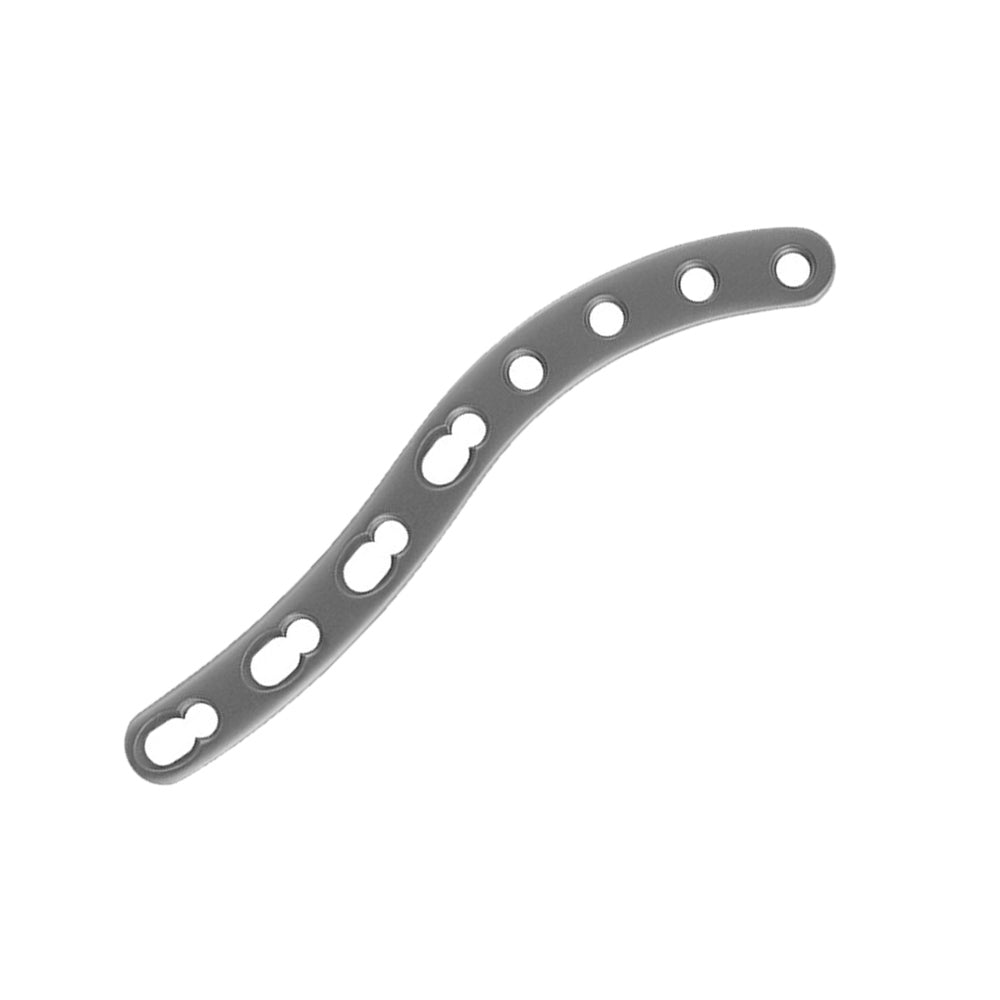
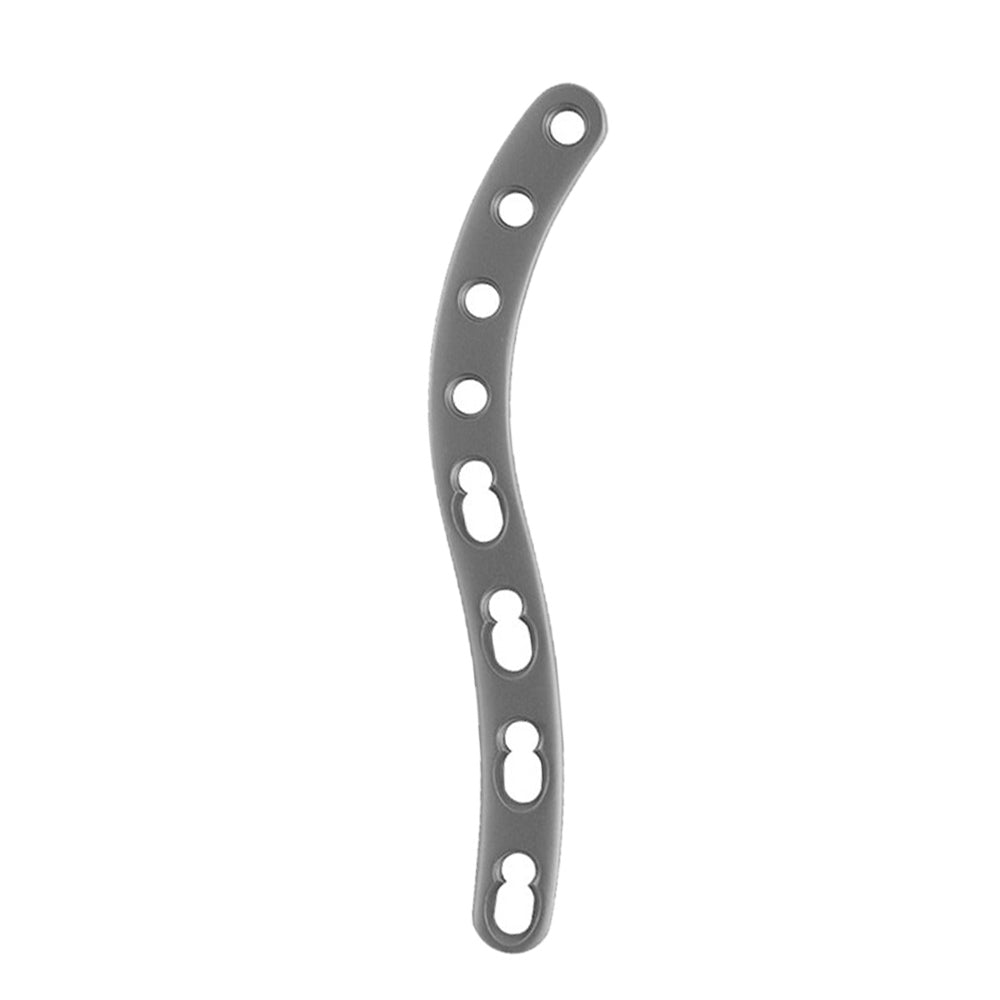
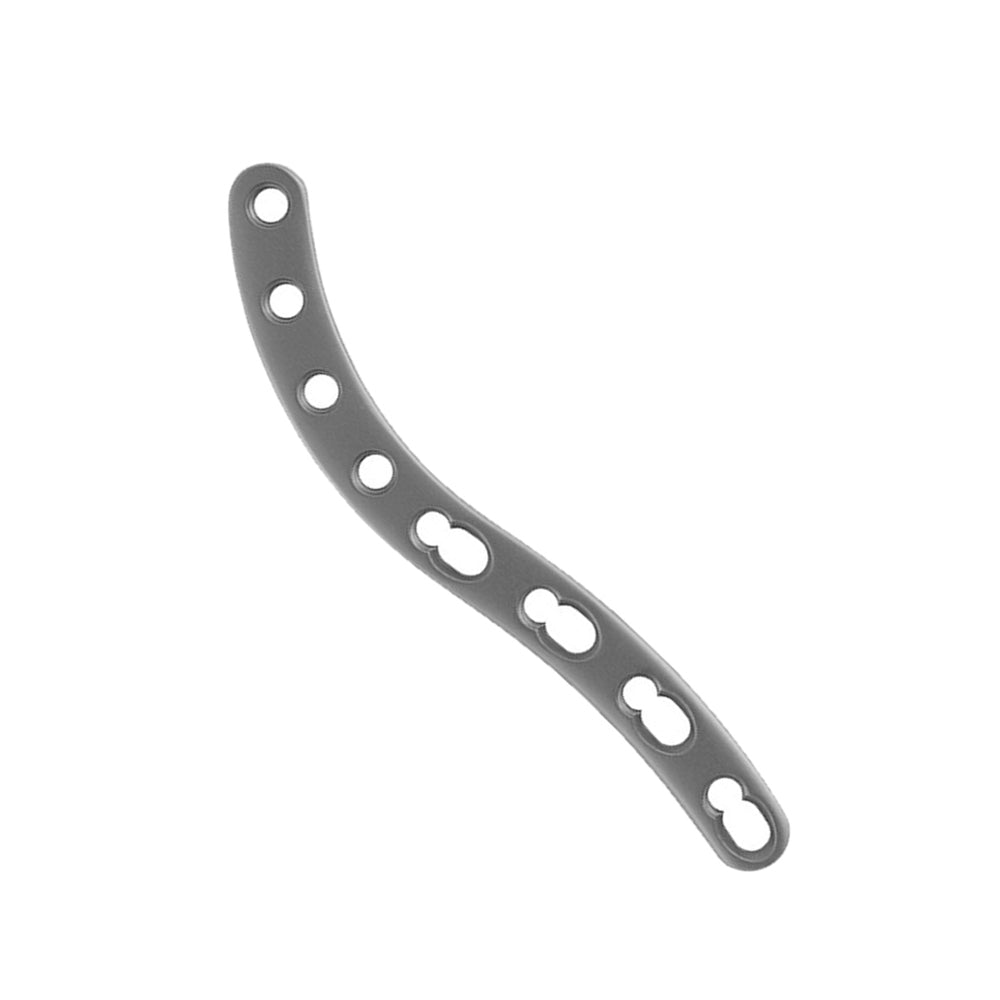
Locking Clavicle S Plate, SKU PS-O-003, is an orthopedic implant plate manufactured in titanium and stainless steel options for clavicle fracture fixation, lateral clavicle stabilization, midshaft clavicle reconstruction, corrective osteotomy support, clavicular nonunion fixation, and selected veterinary orthopedic procedures. The listed configurations include Locking Clavicle S Plate Left 6 Holes, Left 8 Holes, Right 6 Holes, Right 8 Holes, Right 10 Holes, and Right 12 Holes, with the product range described from 6 to 12 holes. The implant supports Ø4.0mm, Ø3.5mm, Ø2.7mm, and Ø2.3mm screw systems, with a 3.0mm thickness and 10mm width profile for clavicular fixation planning. The visible design includes an S-shaped contoured shaft, circular and combination screw holes, countersunk seating zones, and a smooth machined implant surface. Orthopedic trauma surgeons, shoulder reconstruction specialists, sports medicine teams, veterinary orthopedic surgeons, hospitals, clinics, and distributors can use this plate within CE, ISO 13485, and FDA-compliant procurement workflows.
The S-shaped plate contour is designed to follow the natural curvature of the clavicle, helping the implant sit along the superior or anterosuperior bone surface during fracture reconstruction. Its curved shaft supports alignment across the clavicular body while preserving screw distribution across the medial and lateral segments. Circular locking holes accept compatible screws to create fixed-angle support, which is valuable when fracture comminution, short fragment length, or reduced bone stock limits reliance on compression alone. Combination-style openings allow controlled placement during the early fixation sequence, giving the surgeon room to refine plate position before final screw insertion. Countersunk seating zones help screw heads sit within the implant profile after tightening. The 3.0mm thickness gives the plate structural rigidity for clavicular loading, while the 10mm width provides a defined bearing surface without excessive bulk. The side-specific left and right options help match implant curvature to the treated clavicle and support accurate orientation during reduction and fixation.
In operative workflow, Locking Clavicle S Plate is introduced after exposure, fracture reduction, provisional fixation, and assessment of clavicular length, rotation, and alignment. During midshaft fracture fixation, the plate is positioned along the clavicle after reduction clamps or temporary fixation have restored cortical contact and overall contour. In distal-third fracture patterns, the selected hole count supports lateral fragment fixation when the anatomy allows screw placement without hook-based support. In clavicular nonunion surgery, the implant can stabilize the prepared bone ends after fibrous tissue removal, decortication, grafting, and compression planning. During corrective osteotomy, the plate maintains the planned relationship between segments after angular or length correction. Sports trauma teams can use it when shoulder-girdle stability and restoration of clavicular length are required before closure. Veterinary orthopedic teams can apply the same fixation principles when bone size, screw diameter, and plate length match the surgical plan. Final workflow includes screw length confirmation, fluoroscopic review, shoulder motion clearance, irrigation, and layered closure.
The 6 hole left or right configuration is selected for shorter fracture patterns where the surgeon needs compact fixation and limited shaft coverage. It is useful when the medial and lateral segments provide enough purchase without extending the implant unnecessarily along the clavicle. The 8 hole option provides additional screw distribution for routine midshaft fractures, lateral clavicle fixation, and osteotomy constructs requiring more working length. The 10 hole right configuration supports longer fracture lines, comminution, nonunion preparation, and reconstructive cases where load distribution must extend across a wider clavicular span. The 12 hole right option provides the longest listed construct for extended stabilization, revision planning, and cases requiring additional screw placement along the shaft. Ø4.0mm and Ø3.5mm screws are selected for stronger clavicular purchase, while Ø2.7mm and Ø2.3mm screws assist smaller fragments and compact trajectories. Procurement teams can stock the left and right variants according to shoulder trauma volume, implant material preference, and screw system availability.
Titanium provides an implant material option for facilities using titanium plating systems, while stainless steel supports rigid fixation behavior and familiar handling within orthopedic trauma inventories. The smooth machined finish supports screw seating, visual inspection, and controlled handling during sterile tray preparation. The implant is managed through validated hospital implant handling, packaging, and sterilization workflows before use according to facility protocol. After implantation, removal, sterile-field contamination, or loss of sterile integrity, the plate is not returned to reusable instrument circulation. CE marking, ISO 13485 manufacturing controls, and FDA procurement context support purchasing files for hospitals, clinics, distributors, and orthopedic supply departments. The $19.80 price, one-piece MOQ, OEM availability, one-year warranty framework, and return or replacement support help procurement teams manage left/right configuration planning, material selection, replacement inventory, and distributor catalog requirements. The 6–12 hole range also allows operating room implant sets to cover compact, routine, and extended clavicle fixation demands.
| SKU | PS-O-003 |
|---|---|
| Product Name | Locking Clavicle S Plate |
| Price | $19.80 |
| Size/Gauge Variants | Left 6 holes, left 8 holes, right 6 holes, right 8 holes, right 10 holes, right 12 holes; product range 6 to 12 holes; Ø4.0mm, Ø3.5mm, Ø2.7mm, and Ø2.3mm screw compatibility; 3.0mm thickness and 10mm width |
| Instrument Category | Orthopedic clavicle locking implant plate |
| Procedure | Clavicle fracture fixation, lateral clavicle stabilization, midshaft clavicle reconstruction, clavicular nonunion fixation, corrective osteotomy support, veterinary orthopedic repair |
| Material | Titanium and stainless steel |
| Finish | Smooth machined implant finish |
| Sterilization | Managed through validated hospital implant sterilization workflow before implantation |
| Instrument Classification | Orthopedic implant plate |
| Reusable | No; single-use implant after sterile implantation |
| Certifications | CE, ISO 13485, FDA |
| Warranty | 1 year |
| MOQ | 1 piece |
| OEM / Custom Orders | OEM available for procurement and distributor requirements |
| After-Sale Service | Return and replacement support |
How does Locking Clavicle S Plate differ from Locking Clavicle Hook Plate?
Locking Clavicle S Plate has an S-shaped contoured shaft for clavicle shaft and lateral clavicle fixation without a terminal hook. Locking Clavicle Hook Plate includes a hook end that is seated under the acromial region for distal clavicle and AC joint support. The S plate is selected when screw purchase across the clavicle provides the planned fixation strategy. The hook plate is selected when the distal fragment is short, comminuted, or requires acromial support. Locking Clavicle S Plate keeps fixation along the clavicular surface and avoids hook placement beneath the acromion. The clinically relevant difference is shaft-based clavicular contouring versus hook-assisted distal support.
Which hole count should be selected for clavicle fixation?
Locking Clavicle S Plate is listed in 6, 8, 10, and 12 hole planning options across left and right configurations. The 6 hole plate is selected for compact fracture patterns with adequate medial and lateral screw purchase. The 8 hole plate supports routine midshaft and lateral clavicle fixation when additional working length is required. The 10 hole option is used for longer fracture lines, comminution, and nonunion reconstruction requiring broader distribution. The 12 hole option provides extended shaft coverage for longer stabilization demands. Screw diameter selection is guided by bone stock, fragment size, planned trajectory, and the compatible Ø4.0mm, Ø3.5mm, Ø2.7mm, or Ø2.3mm screw system.
How do CE, ISO 13485, and FDA details support procurement?
Locking Clavicle S Plate is supplied with CE, ISO 13485, and FDA procurement context for orthopedic implant purchasing. CE marking supports conformity documentation for healthcare markets requiring European medical device references. ISO 13485 indicates manufacturing under a medical device quality management system with controlled production and traceability. FDA procurement context supports hospitals, clinics, and distributors serving United States orthopedic supply channels. These details assist tender submissions, vendor onboarding, operating room inventory approval, and distributor catalog documentation. The $19.80 price, one-piece MOQ, OEM availability, and one-year warranty framework support replacement inventory and clavicle fixation tray planning.
How are the locking holes and combination openings used intraoperatively?
The combination openings can be used early in fixation to help position the plate after fracture reduction and provisional alignment. The surgeon can refine plate height, rotation, and clavicular contour before final screw sequence. Locking holes accept compatible screws that engage the plate and create angular stability across the fracture or osteotomy site. Shaft screws then distribute fixation across the medial and lateral segments according to the selected hole count. Locking Clavicle S Plate is applied under direct visualization and imaging confirmation before final tightening. Final assessment includes screw length, trajectory, reduction stability, shoulder motion clearance, and implant seating.
What should hospitals and distributors consider before ordering this implant?
Hospitals should select Locking Clavicle S Plate according to side, hole count, material preference, screw system, and clavicle fracture workload. Titanium and stainless steel options allow procurement teams to align ordering with existing orthopedic implant protocols. Unused plates are managed through validated implant handling, packaging, and sterilization workflows before surgery. After implantation or sterile-field contamination, the plate is treated as a single-use implant and is not returned to reusable tray circulation. Distributors can stock left and right configurations across the listed hole range to support trauma, shoulder reconstruction, veterinary, and teaching hospital demand. The one-piece MOQ, carton-box packing, OEM availability, warranty framework, and return or replacement service support practical inventory planning.
