Featured Collection
Your cart
Featured Collection

PEAK SURGICALS
SKU:PS-OT-0937
Couldn't load pickup availability
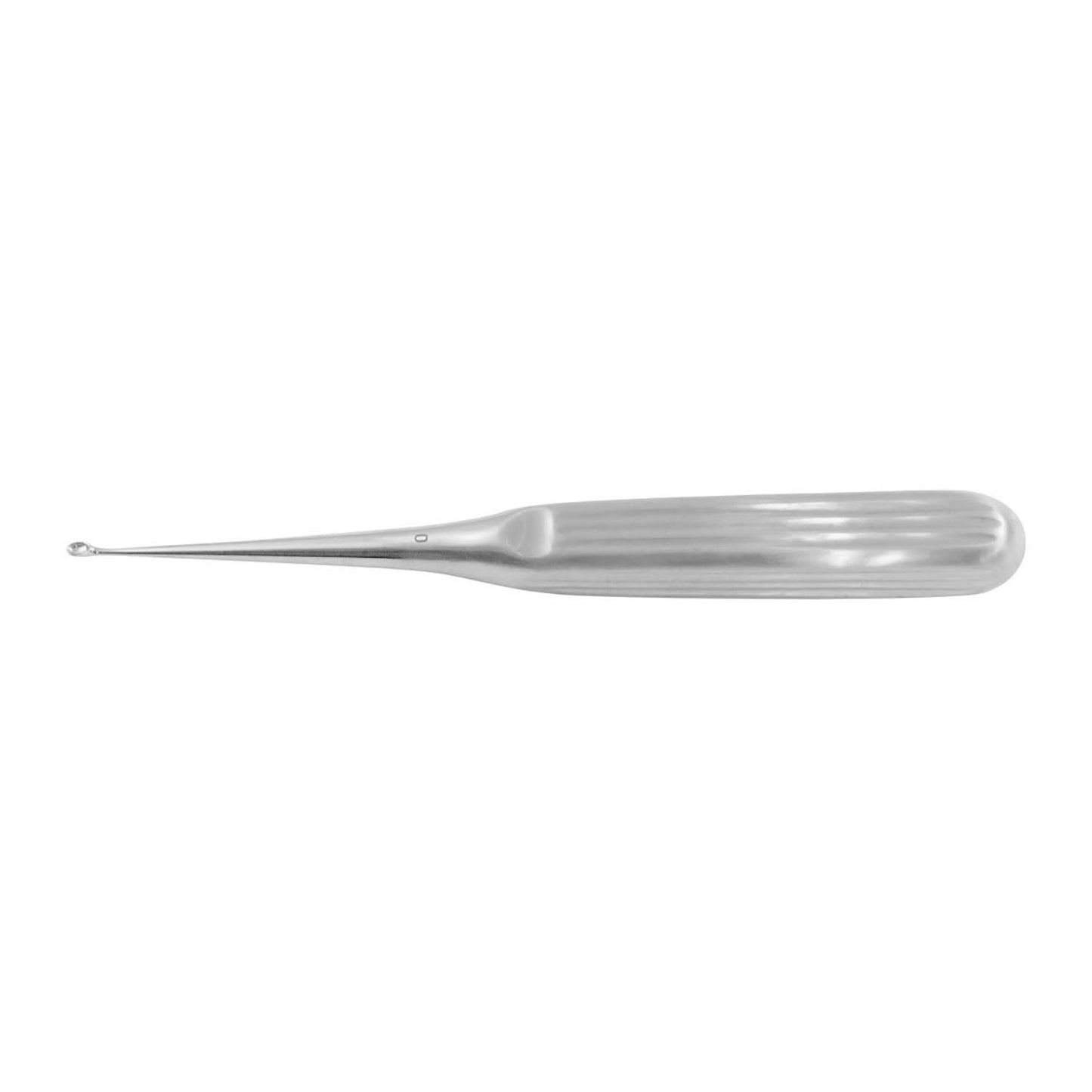

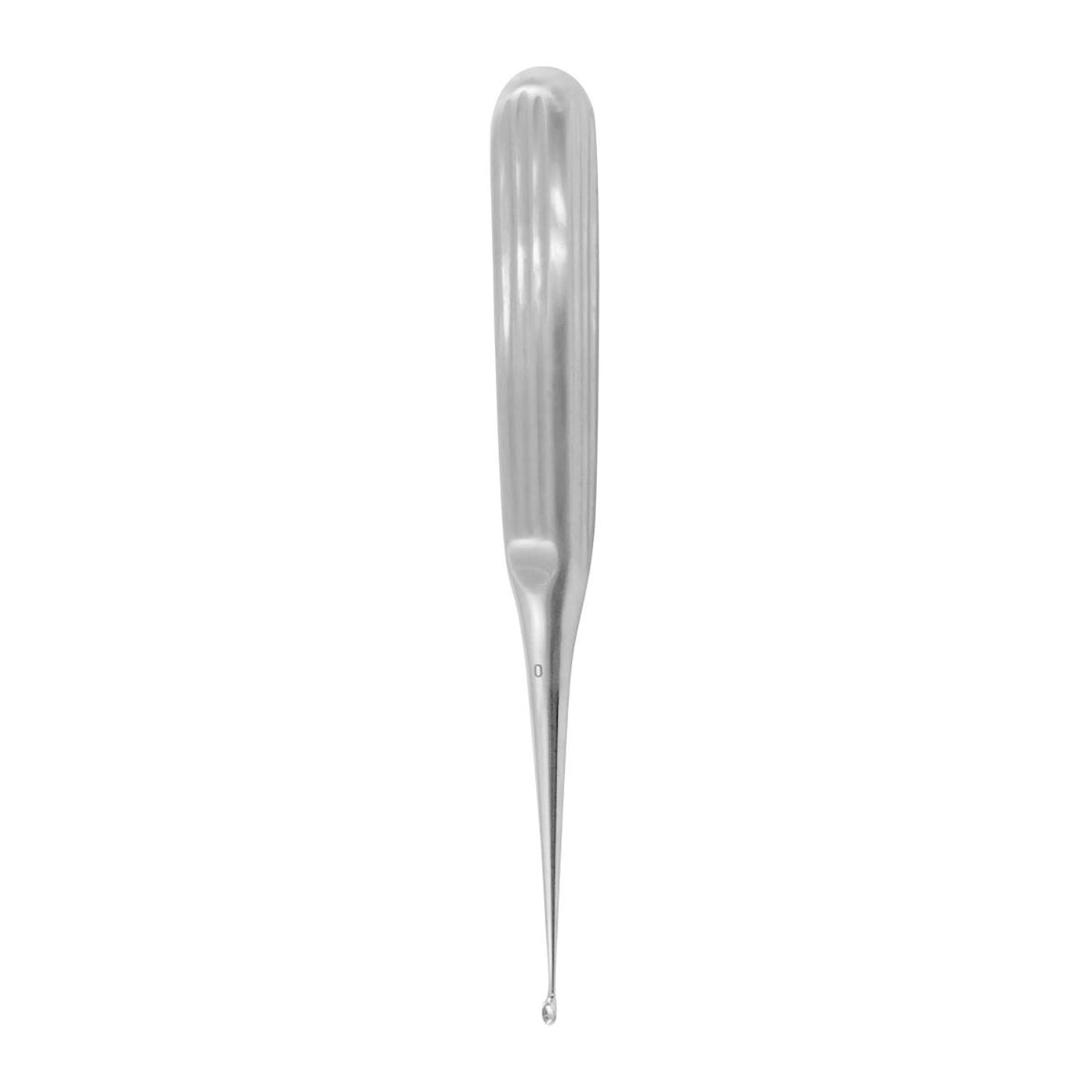
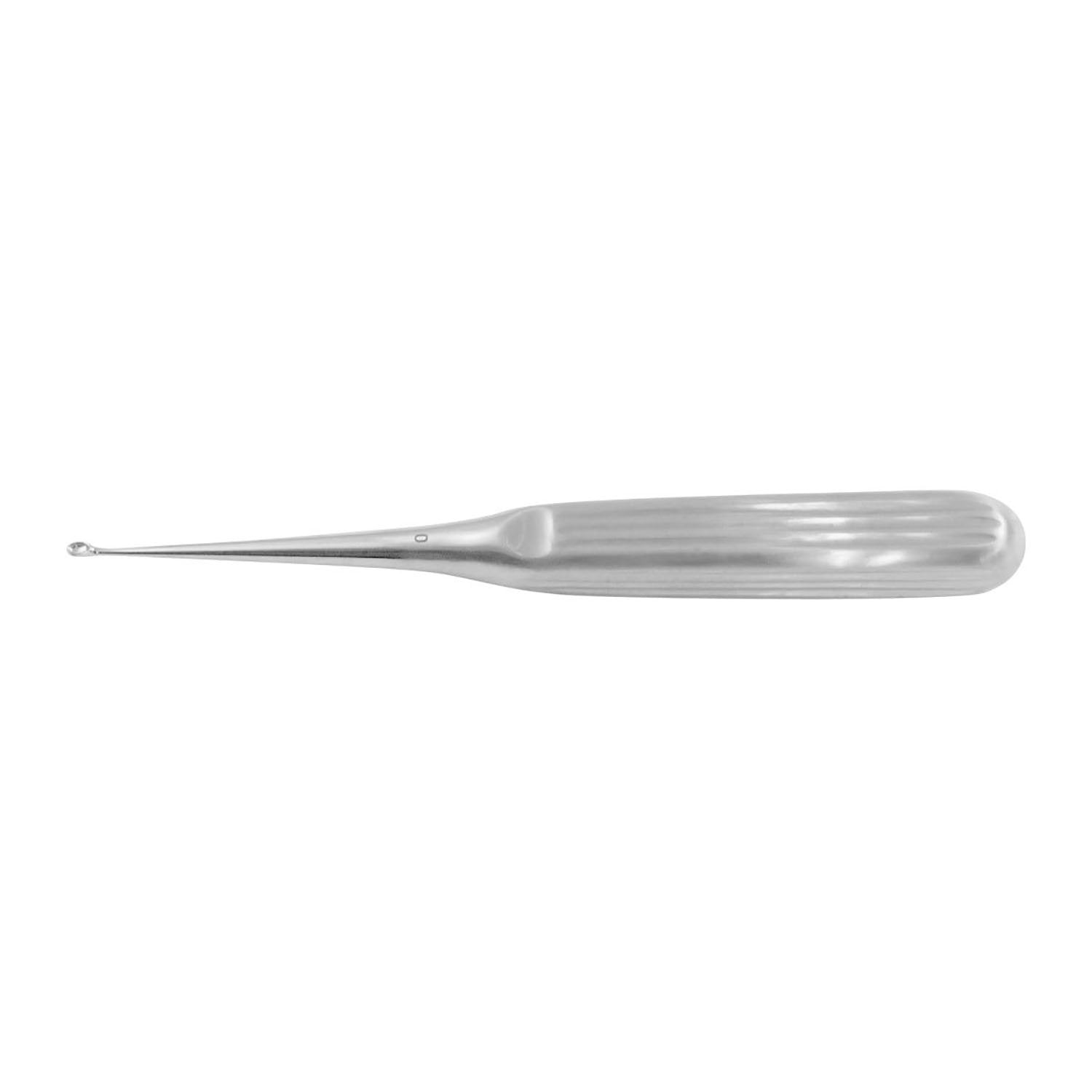
Lempert Curettes Multiple Sizes, SKU PS-OT-0937 and model PS-6618, are reusable ENT surgical curettes manufactured from German stainless steel for controlled removal of small amounts of bone, granulation tissue, keratinous debris, and other targeted material during otologic procedures. The Lempert pattern uses a compact scoop or cup-shaped working end connected to a slender shaft and manual handle, allowing the surgeon to perform deliberate scraping motions within the restricted anatomy of the external auditory canal, middle ear, mastoid cavity, and adjacent temporal bone. The product is offered through a multiple-size selection so the working end can be matched to the dimensions and accessibility of the operative site. Smaller cups provide focused access around narrow recesses and delicate structures, while larger configurations remove material across a broader exposed surface. Lempert curettes are used during mastoidectomy, tympanoplasty, cholesteatoma surgery, external auditory canal procedures, middle-ear exploration, granulation tissue removal, and localized temporal-bone curettage. Otologists, neurotologists, ENT surgeons, and head and neck surgical teams use this pattern in hospital operating rooms and specialist otology centers where controlled manual bone or tissue removal is required.
The Lempert design performs curettage through a fixed scoop-shaped working end rather than a hinged, powered, or locking mechanism. The cup presents a defined rim to the operative surface, and controlled traction of the handle draws that edge across bone or soft tissue to detach small amounts of material. Its concavity collects loosened fragments as the instrument passes through the target area, helping the surgeon remove debris from a confined field without introducing a broad cutting surface. The narrow shaft provides access into deep otologic corridors while preserving visibility around the working end under microscopic or endoscopic illumination. Because the shaft is rigid and the tip is compact, tactile changes at the operative surface are transmitted directly to the surgeon's hand. This feedback helps distinguish firm temporal bone from softer granulation tissue, keratinous material, or previously drilled surfaces. The handle provides rotational and axial control, allowing the cup to be redirected to approach recesses from different angles. There is no ratchet, spring, box lock, or mechanical depth stop. Cutting action depends on tip orientation, contact pressure, stroke direction, and the sharpness of the curette rim. The surgeon therefore advances in short controlled passes and repositions the instrument as exposure changes rather than applying continuous force against delicate middle-ear structures.
During mastoidectomy, the Lempert Curette can be introduced after powered drilling has established the principal cavity and the surgeon requires controlled manual removal of residual bone or tissue around a restricted recess. Short scraping strokes permit refinement of exposed bony margins without introducing a rotating burr into every small area. In cholesteatoma surgery, a suitably sized cup can assist with removal of keratinous debris or granulation tissue from accessible surfaces while the surgeon maintains direct visualization of the operative plane. During tympanoplasty and middle-ear exploration, smaller working ends support localized curettage around the external auditory canal or tympanomeatal exposure where excessive instrument bulk would obstruct the microscope view. The pattern may also be used during canal procedures to remove targeted tissue or reshape limited bony prominences when manual curettage is appropriate. In each workflow, anatomy such as the ossicular chain, facial nerve course, tympanic membrane remnants, chorda tympani, labyrinthine structures, and exposed dura requires deliberate instrument orientation. A curette is not used as an uncontrolled lever. The cup is placed against the intended surface, the shaft is stabilized, and material is removed through measured strokes while the surgeon repeatedly reassesses depth and adjacent anatomy. Larger working ends are reserved for broader accessible surfaces, whereas smaller cups preserve clearance in narrow middle-ear or canal recesses.
Model PS-6618 is presented as a multiple-size Lempert Curette configuration, allowing cup selection according to operative access and the amount of surface that must be curetted. A smaller working end is selected when the surgeon is operating through a narrow external auditory canal, around confined middle-ear recesses, or adjacent to delicate structures where a broader cup would restrict visibility or contact unintended tissue. Intermediate sizes provide a balance between access and material removal during routine otologic bone refinement, mastoid cavity work, and localized granulation-tissue curettage. A larger scoop increases the surface engaged during each stroke and is therefore better suited to wider exposed temporal-bone surfaces or an established mastoid cavity where working clearance is greater. Cup selection does not determine safe depth. The surgeon controls depth through the angle of the shaft, pressure applied to the rim, stroke length, and continuous visualization of the tissue plane. A larger configuration should not be chosen merely to accelerate removal because its broader contact area may reduce maneuverability in a restricted field. Likewise, the smallest option is unnecessary when adequate exposure allows a wider curette to work efficiently. Selection should therefore reflect anatomical width, surgical approach, target material, surrounding structures, and the degree of tactile precision required at that stage of the operation.
German stainless steel provides the rigidity, corrosion resistance, and dimensional stability required for a reusable otologic curette with a small working end and slender shaft. Peak Surgicals lists satin, dull, and mirror finish options. Satin or dull surfaces reduce reflected light around an operating microscope or surgical headlight, while a polished surface provides a smooth exterior that can be visually inspected after cleaning. Reprocessing should begin promptly after use because blood, bone particles, keratinous debris, and tissue can collect inside the cup or dry along the working rim. Cleaning must address the concavity of the scoop, its cutting edge, shaft, and handle, followed by thorough rinsing and complete drying. Before packaging, sterile-processing personnel should inspect the cup for blunting, bending, edge defects, corrosion, and retained material. The slender shaft should remain straight and the working end should maintain its original alignment. The device is reusable and can undergo steam sterilization within a validated healthcare-facility cycle compatible with stainless steel instrumentation and applicable reprocessing instructions. Peak Surgicals lists Class I, CE, ISO 13485, and FDA-related procurement information. ISO 13485 concerns the medical-device quality-management system, while CE and FDA records should be handled through institutional supplier qualification rather than represented as an unsupported individual FDA approval claim.
| SKU | PS-OT-0937 |
|---|---|
| Product Name | Lempert Curettes Multiple Sizes |
| Price | $8.03 USD |
| Size/Gauge Variants | Model PS-6618 with multiple cup-size selection for narrow to broader otologic curettage fields |
| Instrument Category | ENT and Otology Curette |
| Procedure | Mastoidectomy, tympanoplasty, cholesteatoma surgery, middle-ear exploration, external auditory canal procedures, and localized temporal-bone curettage |
| Material | German Stainless Steel |
| Finish | Satin, Dull, Mirror |
| Sterilization | Reusable; steam sterilization following validated cleaning and healthcare-facility reprocessing protocols |
| Instrument Classification | Class I Reusable Manual ENT Curette |
| Reusable | Yes |
| Certifications | CE, ISO 13485, FDA-related procurement documentation |
| Warranty | 1 Year |
| MOQ | 1 Piece |
| OEM / Custom Orders | Available |
| After-Sale Service | Return and Replacement |
How does a Lempert Curette differ from a Buck Ear Curette?
Lempert Curettes are primarily cup or scoop-pattern instruments suited to controlled tissue and bony curettage during otologic surgery. A Buck Ear Curette commonly uses a smaller loop or ring-style working end intended for external auditory canal work such as removal of cerumen, epithelial debris, or localized material. The Lempert configuration provides a concave working surface that can scrape and retain small fragments during middle-ear or temporal-bone procedures. The Buck pattern is generally lighter and more focused on canal access rather than mastoid or bony refinement. Both are manual instruments and rely on surgeon-controlled pressure rather than a powered mechanism. Selection therefore depends on whether the operative task requires cup-based otologic curettage or narrower canal cleaning and scraping.
How should a surgeon select the appropriate Lempert Curette size?
Lempert Curettes Multiple Sizes should be selected according to the available surgical corridor, target surface, and proximity of vulnerable otologic anatomy. Smaller cups are useful through narrow external auditory canals and around confined middle-ear recesses where instrument clearance is limited. Intermediate working ends provide greater tissue contact while maintaining maneuverability during routine mastoid and tympanoplasty work. Larger scoops are better suited to broad exposed surfaces within an established mastoid cavity or other accessible temporal-bone areas. Increasing the cup size increases the surface engaged during a scraping stroke but does not establish a safe curettage depth. Depth remains controlled by shaft angle, hand pressure, stroke length, tactile resistance, and continuous microscopic or endoscopic visualization.
What do CE, ISO 13485 and FDA references mean for procurement?
Peak Surgicals lists CE, ISO 13485, and FDA-related information for Lempert Curettes Multiple Sizes. ISO 13485 relates to the quality-management system governing medical-device manufacturing and associated controlled processes. CE documentation supports conformity review within applicable medical-device markets. For United States purchasing, procurement teams should assess the relevant FDA establishment, listing, classification, and supplier records required for the device category. The terminology should not be rewritten as an assertion that an individual Lempert curette is FDA approved unless that exact status is supported by the applicable regulatory record. Hospitals and distributors can retain certificates, model identification, purchase records, and supplier documentation within their vendor-qualification files.
How is the Lempert Curette controlled intraoperatively without a ratchet or lock?
The Lempert Curette has no ratchet, spring, pivot, or locking mechanism because its cutting action is controlled directly by the surgeon's hand. The handle and rigid shaft transmit small axial, rotational, and sweeping movements to the cup-shaped working end. The surgeon positions the rim against the intended bone or tissue surface and uses short scraping strokes to remove material progressively. Rotating the shaft changes which part of the cup edge contacts the operative surface and helps the instrument approach restricted recesses from different directions. Reduction in hand pressure immediately reduces the force applied at the tip, giving the operator continuous tactile control. This direct mechanism is particularly important in otologic surgery, where the working end may be close to the ossicles, facial nerve, tympanic membrane, labyrinth, or other structures requiring precise avoidance.
How should hospitals order, inspect and sterilize Lempert Curettes?
Hospitals should order Lempert Curettes Multiple Sizes using Shopify SKU PS-OT-0937 and model PS-6618 while preserving the selected cup-size information within the purchase and inventory record. Peak Surgicals lists a current price of $8.03, MOQ of one piece, one-year warranty, OEM availability, and return-and-replacement after-sale service. Following surgery, visible contamination should be removed promptly from the scoop, rim, shaft, and handle before debris dries. Cleaning should be followed by rinsing, complete drying, and close inspection for blunting, distortion, corrosion, retained debris, or shaft bending. The small working end should be protected during tray assembly so contact with heavier ENT instruments does not alter its geometry. Steam sterilization should follow the healthcare facility's validated reusable-instrument cycle and applicable reprocessing instructions before the curette returns to the sterile otology inventory.