
Featured Collection
Your cart
Featured Collection

PEAK SURGICAL
SKU:DS-198735
Couldn't load pickup availability
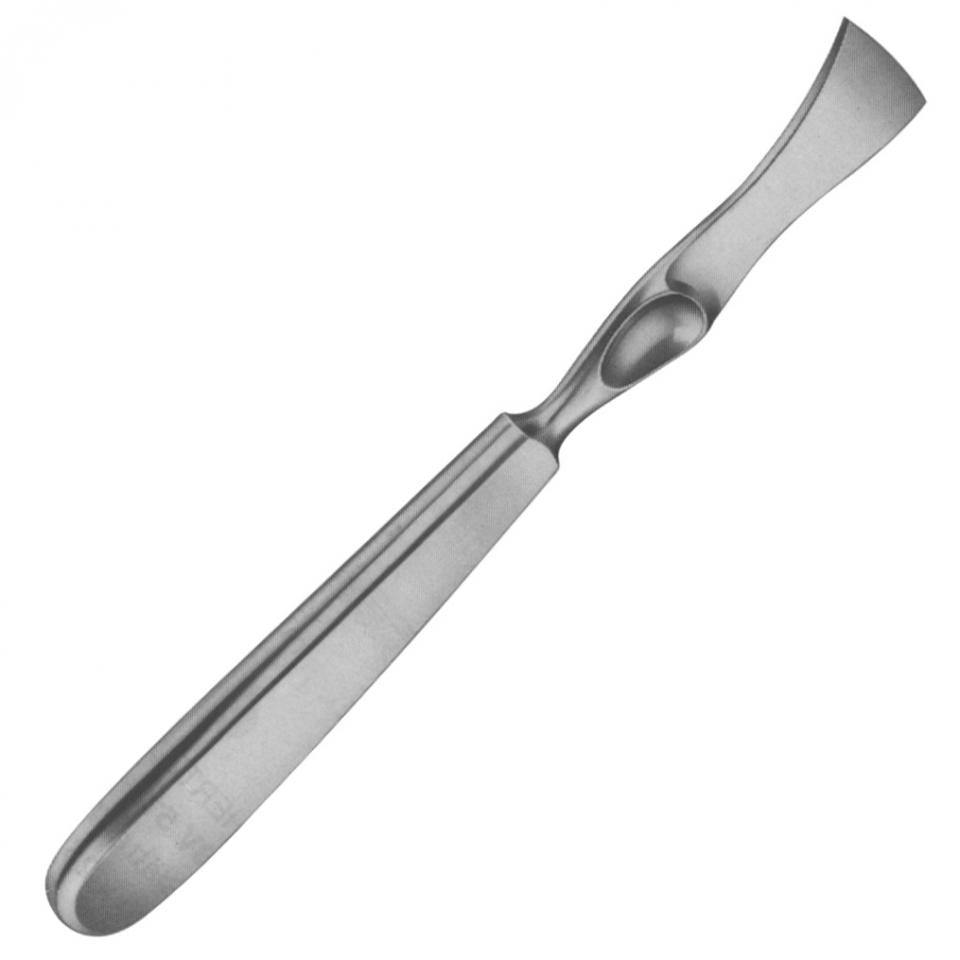
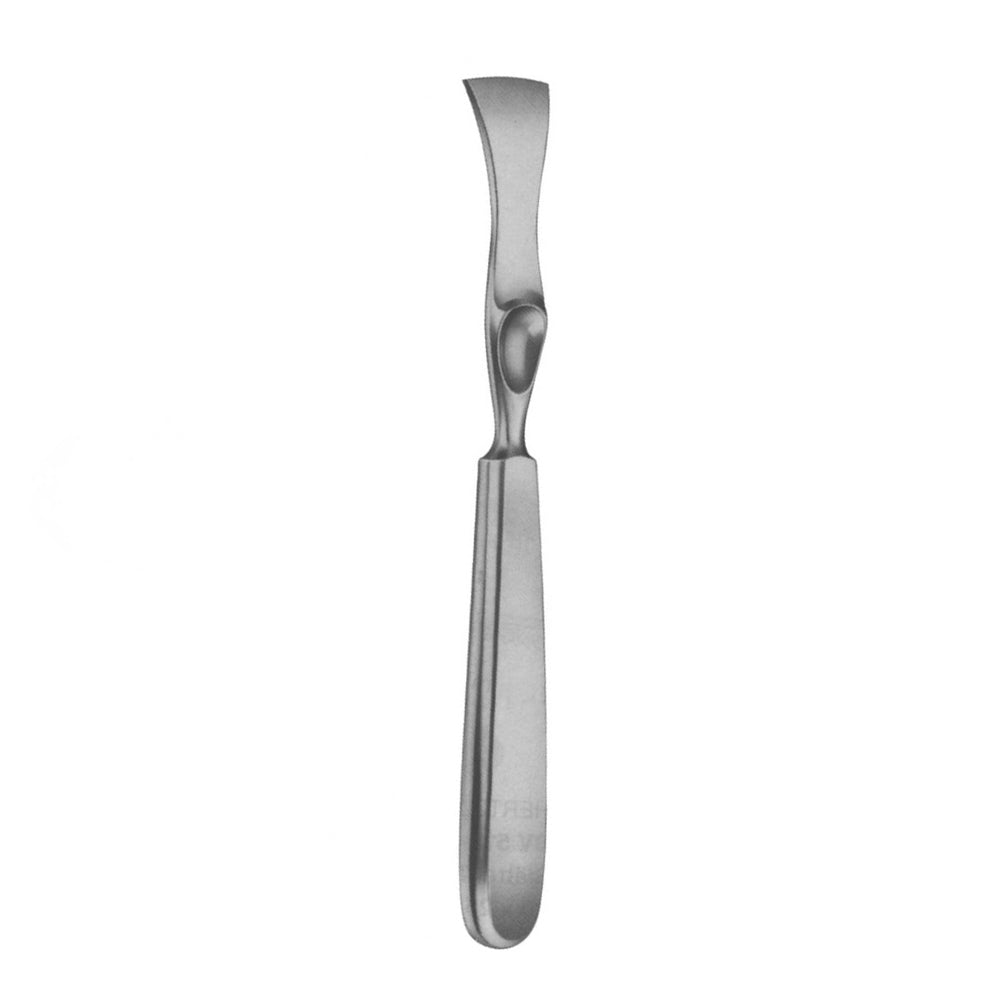
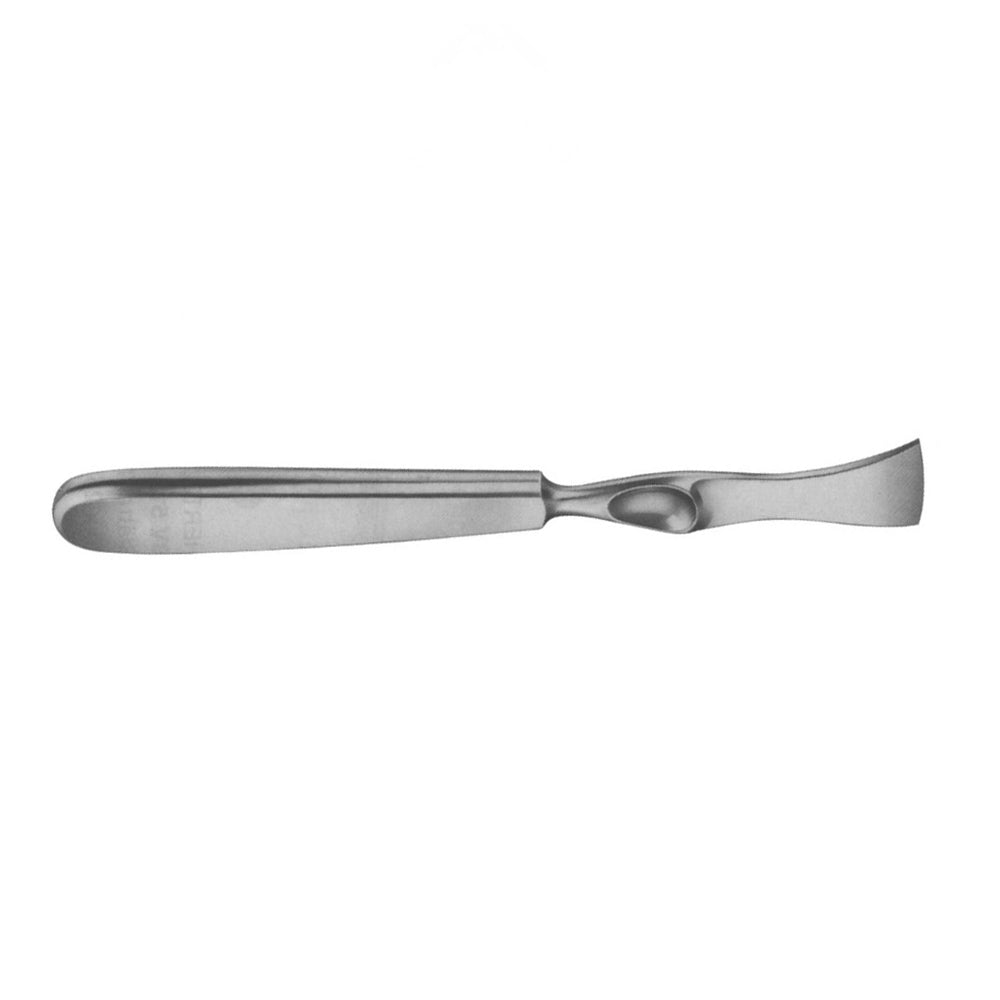
The high-leverage surgical instrument for controlled periosteal stripping, tissue debridement, and expansive bone exposure. The Lambotte Raspatory (21cm, 10mm Sharp, Light Curve) is a reinforced, surgical-grade elevator engineered to solve the requirement for maximum control when dissecting dense, adherent periosteum from large cortical surfaces. Featuring a razor-sharp 10mm blade matched with a broad, high-torque handle, this tool acts as a mechanical necessity for surgical teams performing major trauma surgery, fracture stabilization, and reconstructive procedures where the bone must be precisely and cleanly exposed. Its 21cm elongated chassis provides the essential reach and leverage needed for deep-field access without sacrificing the tactile feedback required for safe, atraumatic dissection.
The Lambotte Raspatory (21cm, 10mm Sharp, Light Curve) represents the industry standard for safe and efficient bone surface exposure in high-acuity orthopedic environments. In major trauma and reconstruction, the ability to rapidly and cleanly expose the fracture site is critical to reducing surgical time and improving anatomical alignment. The Lambotte pattern is uniquely suited for this, as it balances the sharpness required for atraumatic dissection with the structural rigidity needed to push through tough, fibrous tissue attachments. The 10mm width is specifically chosen to provide a broad enough footprint for efficient stripping while remaining narrow enough to fit into tighter fracture gaps.
At its core, the instrument is engineered for structural safety and maximal clinical leverage. The broad, ergonomic handle is a mechanical necessity for delivering “high-feel” power; it allows the surgeon to apply force with the palm and wrist rather than the fingers, leading to more steady, controlled instrument movement. By ensuring the periosteum is elevated cleanly and efficiently, this raspator minimizes surgical trauma, reduces the risk of postoperative inflammation, and promotes faster patient recovery.
Built to exceed international quality standards for medical hardware, this raspator is fully reusable and easy to maintain. Its robust, weld-free construction, high-tensile hinge pins, and premium blade composition make it an indispensable asset for ensuring safe, predictable, and high-precision results in all orthopedic trauma and reconstruction sets.
Feature Details
Instrument Style Lambotte Pattern High-Leverage Periosteal Raspatory
Overall Length 21cm (210mm / 8.3”)
Blade Width 10mm Sharp Working Edge
Blade Profile Lightly Curved for Anatomical Adaptation
Handle Architecture Broad, High-Torque Ergonomic Control Grip
Surface Treatment Non-Reflective Glare-Reducing Aura-Satin
Material Base Premium Bio-Inert Surgical Stainless Steel
Reprocessing Limits Fully Autoclavable / High-Vacuum Steam-Safe
Certifications CE, ISO, Professional Surgical Grade
Primary Clinical Applications:
Q: Why is the Lambotte pattern preferred for large-bone trauma over smaller raspatories?
A: The Lambotte’s broad handle and 21cm length provide significantly more leverage and stability, which is a mechanical necessity for working on dense cortical bone and larger soft-tissue volumes encountered in trauma and major reconstruction.
Q: Does the wide handle make it difficult to maneuver in small spaces?
A: While the handle is broad for leverage, the 10mm blade width remains precise enough for controlled dissection. If you are working in extremely restricted spaces (such as the wrist or ankle), shorter instruments might be preferred. Still, the Lambotte is the mechanical necessity for broader, high-force exposures.
Q: How do you maintain the sharpness of the blade?
A: Avoid striking the blade against metal hardware or using it as a lever to pry bone apart. If the blade becomes dull after extensive use, factory-level honing is a mechanical necessity to restore its atraumatic cutting efficiency.
Q: Is this raspator intended for use by surgeons or surgical technologists?
A: The Lambotte Raspatory is designed as a primary surgical instrument for use by the orthopedic surgeon to perform precise periosteal elevation and tissue exposure.
Q: What is the approved sterilization protocol for this raspatory?
A: The premium surgical steel construction is a mechanical necessity built for rigorous hospital reuse. It is fully rated to undergo standard high-vacuum steam autoclave cycles at 134°C (273°F).
