Featured Collection
Your cart
Featured Collection

PEAK SURGICAL
SKU:PS-OT-0859
Couldn't load pickup availability
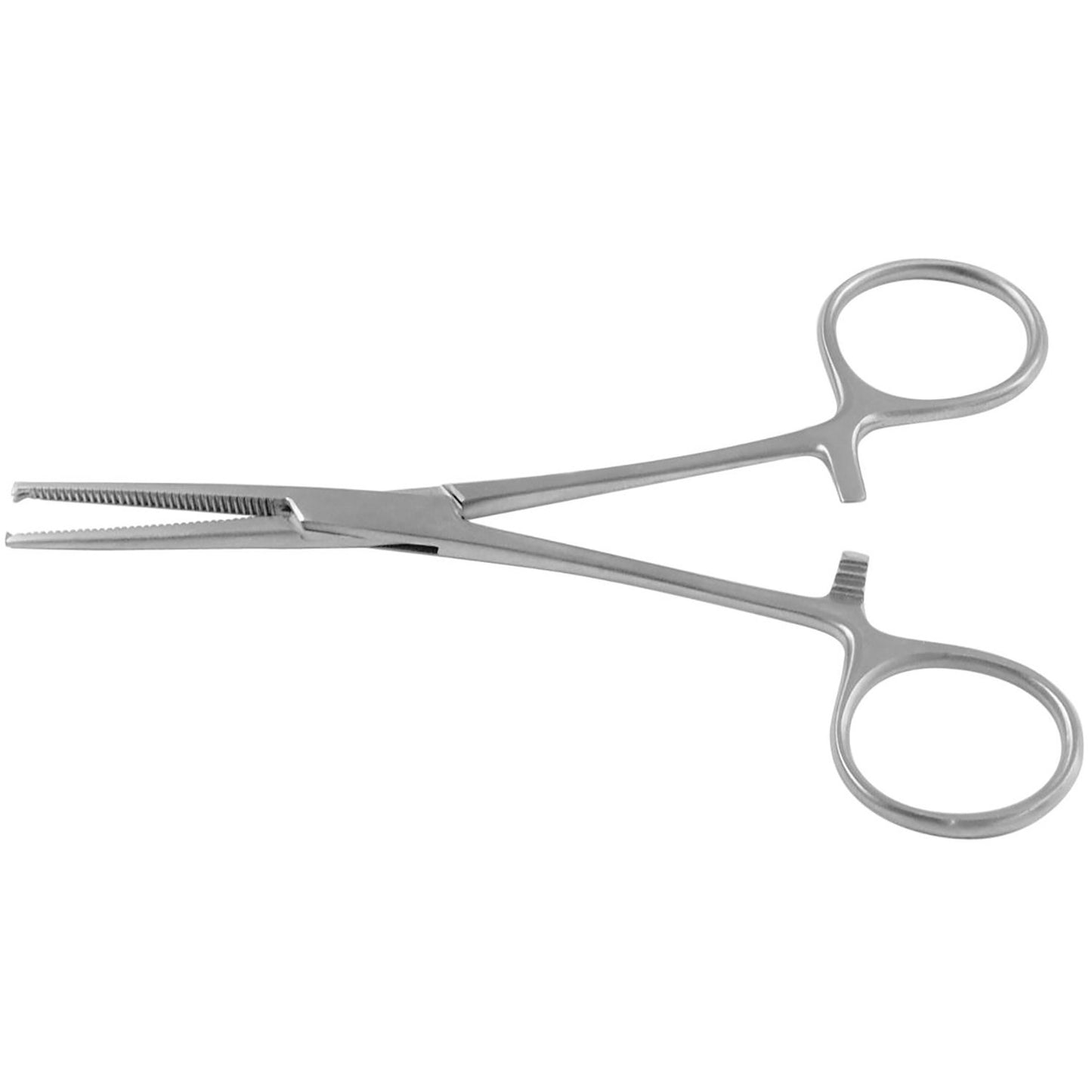
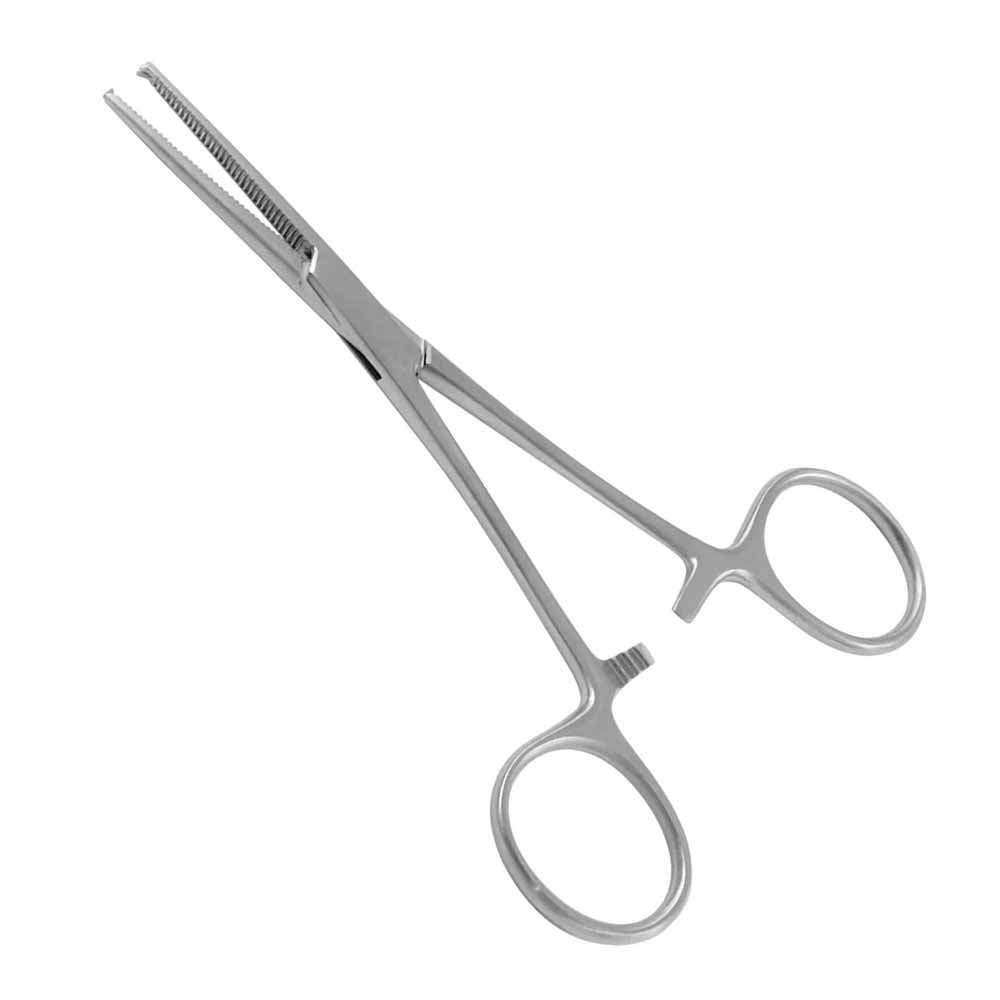
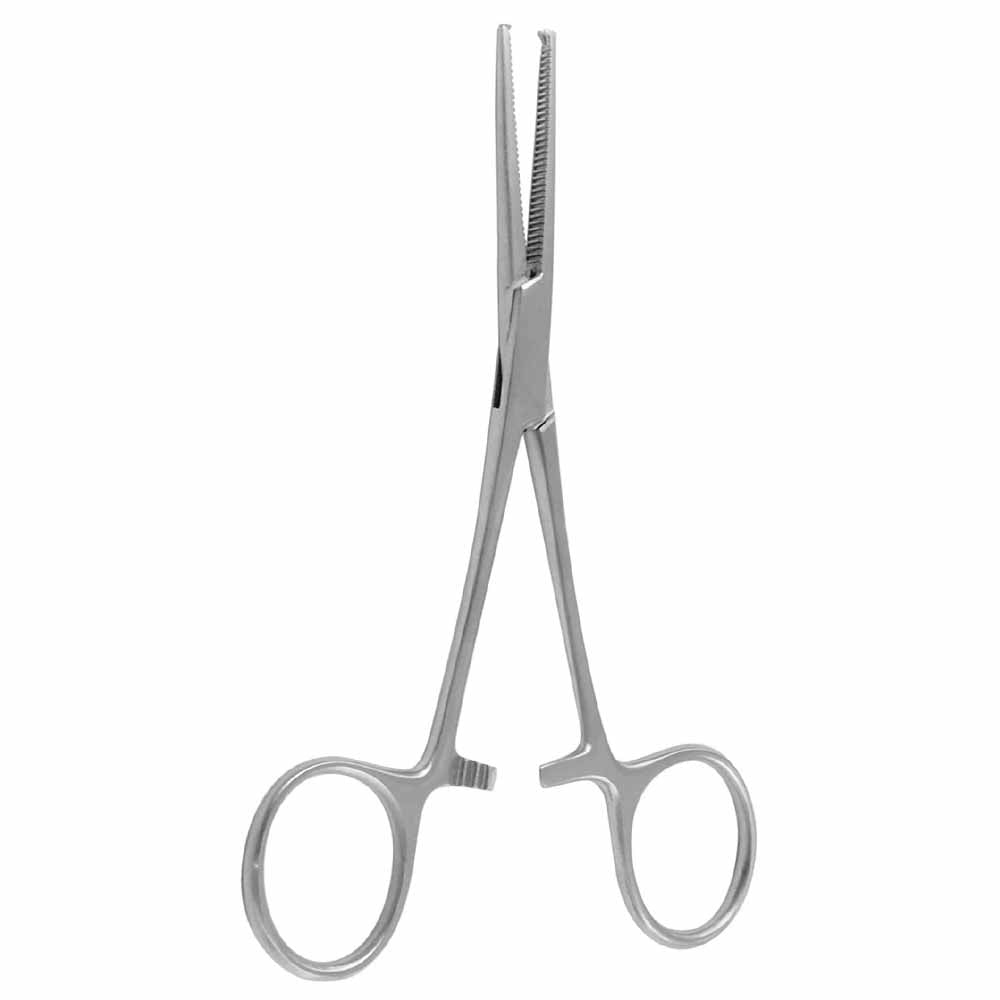
Kocher Artery Forceps, SKU PS-OT-0859, are reusable ratcheted hemostatic forceps manufactured from German stainless steel for controlled clamping of vessels, fibrous tissue, fascia margins, soft-tissue tags, pedicle segments, suture material, and tissue requiring secure toothed purchase during surgical workflow. The available variants are PS-1269 Curved and PS-1268 Straight, giving clinicians an angled clamp for oblique access and a direct-line clamp for exposed operative targets. The image shows serrated jaws, 1x2 toothed distal tips, a box-lock joint, straight shanks, finger-ring handles, and a ratchet locking mechanism for maintained compression after placement. General surgeons, orthopedic surgeons, gynecology teams, plastic surgeons, ENT surgeons, dental and oral surgery clinicians, emergency procedure staff, veterinary surgeons, and operating room personnel use this pattern during wound exploration, fascia handling, vessel control, pedicle clamping, minor soft-tissue surgery, laceration repair, biopsy-site hemostasis, flap-edge handling, suture management, and closure-stage tissue control in hospitals, clinics, ambulatory centers, dental surgical units, emergency departments, veterinary theaters, and reusable hemostatic trays.
The working action is produced by two opposing jaws joined through a box-lock joint that transfers ring-handle compression into aligned distal closure. Kocher jaw geometry combines serrations along the working surface with 1x2 toothed tips at the end of the jaws, allowing the instrument to grip vessel-bearing tissue, fascia, fibrous strands, and selected tissue edges with more secure purchase than a smooth hemostatic clamp. The toothed distal design helps resist slippage when traction is applied during exposure, ligation, dissection, or closure. The box lock keeps both arms centered as pressure increases, reducing lateral jaw shift during placement and release. The straight variant provides direct access to visible tissue and superficial vessels. The curved variant improves approach around wound contours, tissue folds, retractors, and restricted pockets. Ring handles support thumb and finger control during application. The ratchet near the handles locks at staged compression points, maintaining grasp while ligature placement, cautery, suction, cutting, or suturing continues.
During wound exploration and minor surgery, Kocher Artery Forceps are applied after the bleeding point, fascia edge, fibrous band, or tissue segment is identified and isolated. The serrated jaws are positioned around the selected structure, and the toothed tip provides additional distal purchase when firm control is required. In general surgery, the instrument supports vessel occlusion, pedicle control, fascial traction, soft-tissue excision, and closure-stage tissue alignment. Orthopedic teams can use the clamp for firm grasping of fibrous tissue, fascia, suture material, and soft-tissue structures in exposed operative fields. Plastic surgery and ENT clinicians use the curved variant around flap margins, mucosal edges, nasal soft tissue, and compact wound pockets. Dental and oral surgery teams may place it in minor surgical trays for firm soft-tissue traction and hemostatic control. Veterinary surgeons apply the same mechanism during soft-tissue repair, abdominal exposure, and superficial vessel occlusion. The ratchet is engaged only after the intended compression level and tip purchase are reached.
PS-1268 Straight is selected when the vessel, fascia margin, tissue tag, suture end, or fibrous structure is visible and aligned with the shaft. This configuration supports direct placement during superficial vessel control, biopsy-site hemostasis, laceration repair, minor surgery, fascia handling, and closure-stage tissue positioning. PS-1269 Curved is selected when the jaw must approach from an oblique angle around mucosa, flap edges, wound contours, gingival tissue, nasal soft tissue, retractor placement, or adjacent instruments. The curved working end helps reach around elevated tissue without forcing the handle into the operative line. Both variants use the same box-lock joint, ratchet mechanism, ring-handle control, serrated jaw surface, and toothed distal purchase, so the clinical difference is access geometry rather than locking function. Selection depends on target depth, tissue density, vessel position, working angle, traction requirement, and available hand clearance. Stocking both versions gives operating rooms, emergency departments, dental units, orthopedic trays, and veterinary teams direct and angled toothed hemostatic options.
German stainless steel construction supports repeated clinical use by maintaining jaw alignment, tooth definition, corrosion resistance, box-lock stability, and ratchet function through cleaning and steam sterilization cycles. Satin, dull, and mirror finish options allow procurement teams to match surface preference with glare control, inspection workflow, and existing clamp tray standards. After use, the jaws should be opened and cleared of blood, tissue residue, fat, suture fragments, dressing fibers, lint, and procedural debris before enzymatic cleaning. Processing can include manual brushing, ultrasonic decontamination, washer-disinfector exposure, rinsing, drying, box-lock inspection, ratchet review, tooth inspection, serration check, packaging, and steam autoclave sterilization according to facility protocol. The jaw grooves, distal teeth, locking teeth, and joint area require careful cleaning because retained residue can affect grip, closure, and release. CE marking, ISO 13485 documentation, and FDA procurement context support purchasing records for hospitals, clinics, dental units, emergency departments, veterinary facilities, distributors, and teaching programs. Class I classification, reusable construction, carton-box packing, 1-piece MOQ, OEM availability, 1-year warranty, and return and replacement service support institutional supply.
| SKU | PS-OT-0859 |
|---|---|
| Product Name | Kocher Artery Forceps |
| Price | $11.00 |
| Size/Gauge Variants | PS-1269 Curved; PS-1268 Straight |
| Instrument Category | Reusable ratcheted toothed hemostatic artery forceps |
| Procedure | Wound exploration, fascia handling, vessel control, pedicle clamping, minor soft-tissue surgery, laceration repair, biopsy-site hemostasis, flap-edge handling, suture management, closure-stage tissue control |
| Material | German stainless steel |
| Finish | Satin, dull, or mirror finish |
| Sterilization | Reusable instrument suitable for manual cleaning, ultrasonic decontamination, washer-disinfector processing, drying, box-lock and ratchet inspection, packaging, and steam autoclave sterilization |
| Instrument Classification | Class I reusable surgical instrument |
| Reusable | Yes |
| Certifications | CE, ISO 13485, FDA |
| Warranty | 1 year |
| MOQ | 1 piece |
| OEM / Custom Orders | Available for distributor supply, institutional branding, bulk purchasing, and customized packing programs |
| After-Sale Service | Return and replacement support for eligible orders |
How are Kocher Artery Forceps different from Kelly Artery Forceps?
Kelly Artery Forceps are the closest alternative because both instruments are ratcheted hemostatic clamps. Kelly patterns commonly use serrated jaws for routine vessel clamping without distal tissue teeth. Kocher Artery Forceps add 1x2 toothed tips, giving stronger purchase on fascia, fibrous tissue, tissue tags, and selected structures requiring firm traction. This makes the Kocher pattern useful when the surgeon needs hemostasis combined with secure tissue control. Both instruments use ring handles, a box-lock joint, serrated jaws, and a ratchet mechanism. The clinically relevant difference is distal tooth design, grip strength, tissue purchase, and whether the target can tolerate a toothed clamp.
How should PS-1269 Curved and PS-1268 Straight be selected?
PS-1268 Straight is selected when the target vessel, fascia edge, or tissue segment lies directly in line with the instrument shaft. It supports direct placement during superficial vessel control, fascia handling, laceration repair, biopsy-site hemostasis, suture handling, and closure-stage tissue control. PS-1269 Curved is selected when the working end must approach from an oblique angle around wound contours, mucosa, flap margins, retractor placement, or adjacent instruments. Kocher Artery Forceps should be matched to access angle, tissue density, vessel position, traction requirement, and available hand clearance. Straight jaws give direct-line control when the target is exposed. Curved jaws improve side-entry placement when surrounding tissue or instruments limit linear access.
What do CE, ISO 13485, and FDA details mean for procurement?
CE documentation supports international conformity records for reusable surgical instrument purchasing. ISO 13485 indicates manufacturing under medical device production controls covering inspection, process consistency, and traceability. FDA procurement context supports U.S. purchasing files for Class I reusable surgical instruments. Kocher Artery Forceps can be entered into hospital, clinic, dental, veterinary, emergency department, and distributor catalogs with documented material, finish, model variants, warranty, MOQ, OEM availability, and after-sale service. These records support purchasing teams, receiving departments, and sterile processing units during inventory approval. The certification profile supports tender files, replacement stock, standardized hemostatic trays, orthopedic packs, dental surgical kits, and institutional supply programs.
How do the ratchet and box-lock joint control intraoperative use?
The box-lock joint is the central hinge that keeps both arms aligned during opening and closure. The ratchet is the locking feature near the handles that holds the jaws at staged compression points. During use, the surgeon positions the serrated jaws and 1x2 toothed tips across the selected vessel, fascia edge, or tissue segment, then closes the handles to the required pressure. This allows Kocher Artery Forceps to maintain hemostatic compression and firm traction while ligatures, cautery, scissors, suction, or needle holders are used in the same field. Release is controlled by separating the ratchet teeth before reopening the jaws. Cleaning around the box lock, distal teeth, and ratchet is important because retained blood, tissue residue, or lint can affect locking and release.
Are these forceps suitable for reusable sterile processing and distributor stock?
Yes, Kocher Artery Forceps are reusable German stainless steel instruments suitable for hospital, clinic, dental, emergency, orthopedic, veterinary, distributor, and operating room supply workflows. After use, the serrated jaws, toothed tips, box lock, and ratchet should be opened and inspected so blood, tissue residue, lint, gauze fibers, and suture debris can be removed before sterilization. Processing can include manual cleaning, ultrasonic decontamination, washer-disinfector exposure, drying, joint inspection, ratchet review, serration review, tooth inspection, packaging, and steam autoclaving. The 1-piece MOQ supports replacement ordering for clinics, procedure rooms, emergency carts, dental surgical packs, veterinary kits, and surgical departments. OEM availability supports distributor branding, institutional packing, and bulk purchasing programs. The 1-year warranty and return and replacement service support procurement teams managing recurring toothed artery forceps inventory.