
Featured Collection
Your cart
Featured Collection

PEAK SURGICAL
SKU:PS-9983
Couldn't load pickup availability
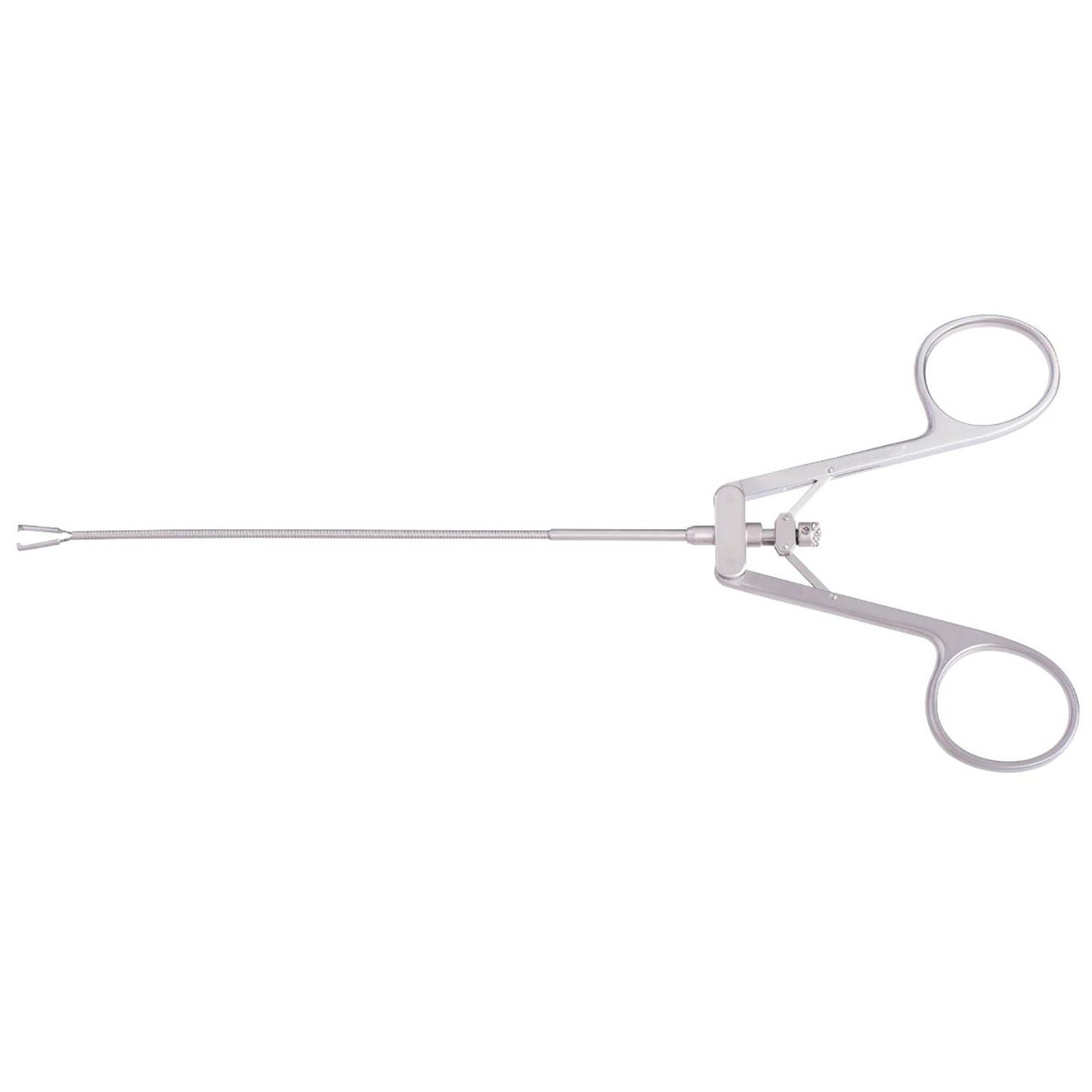
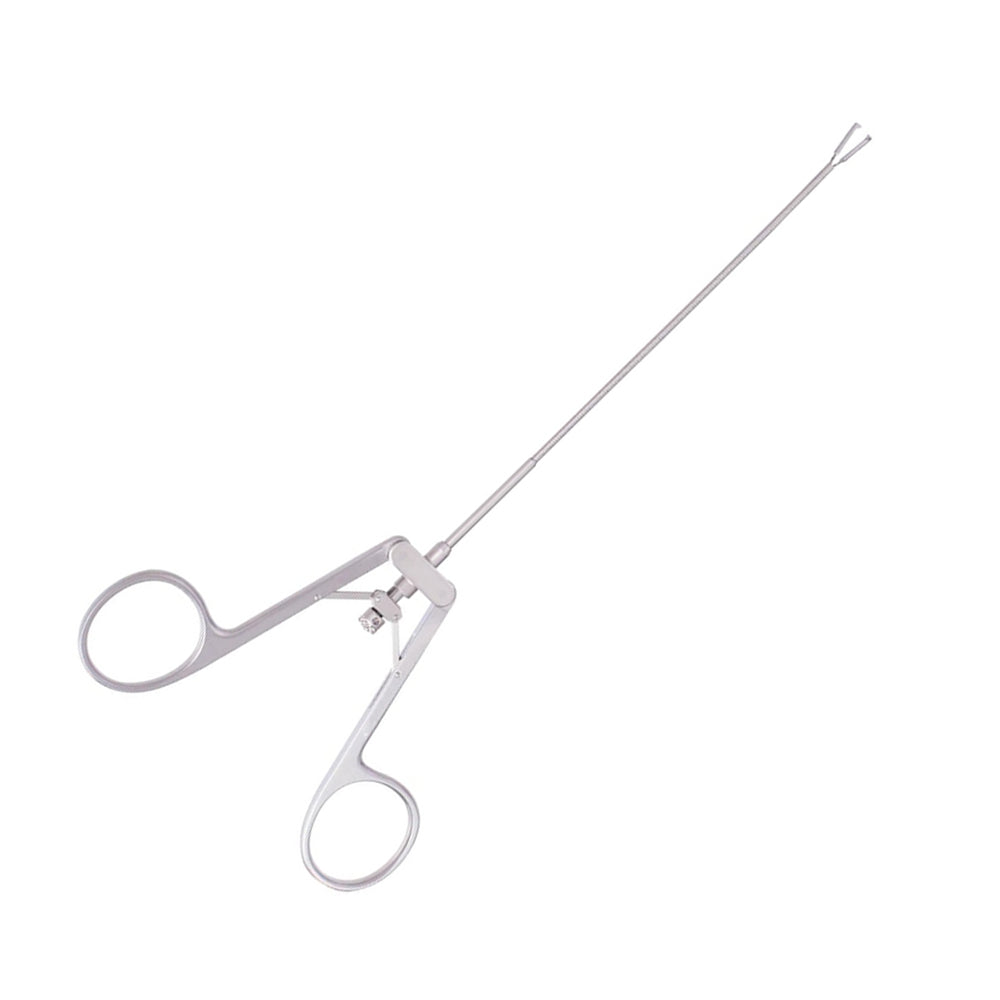
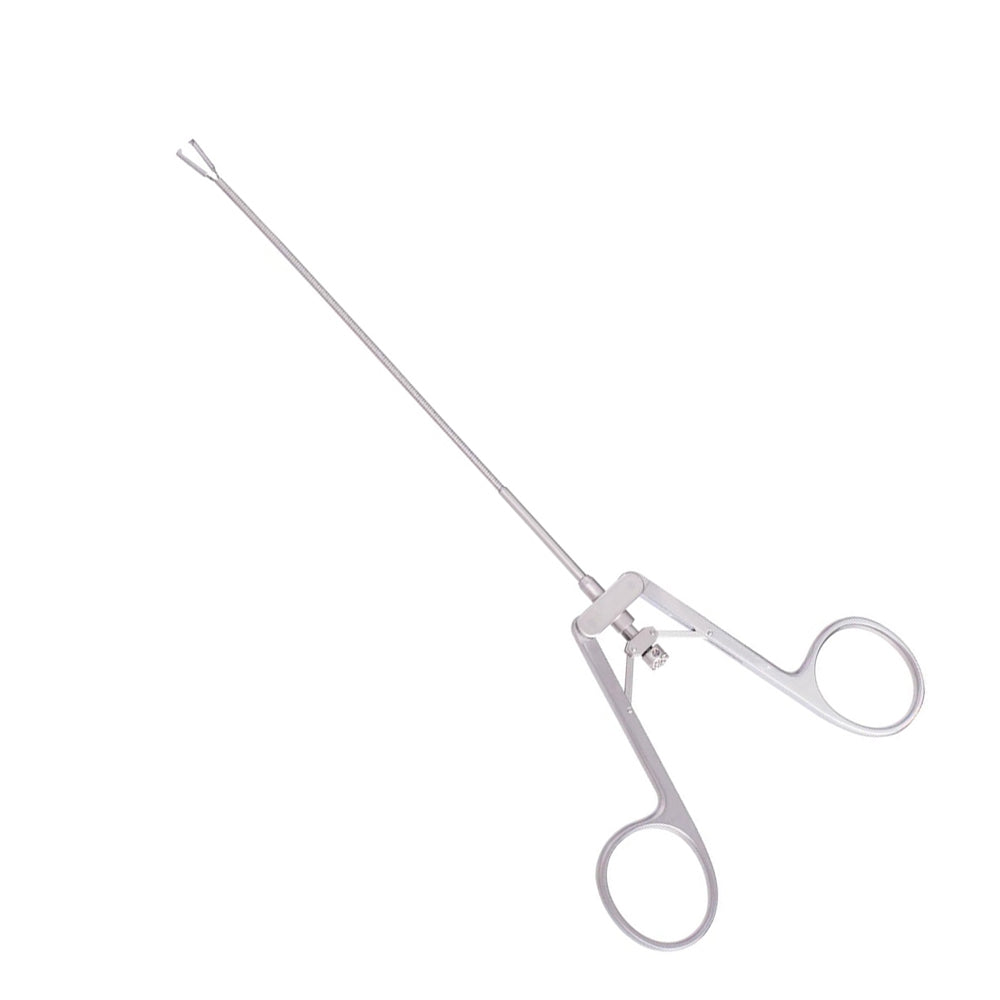
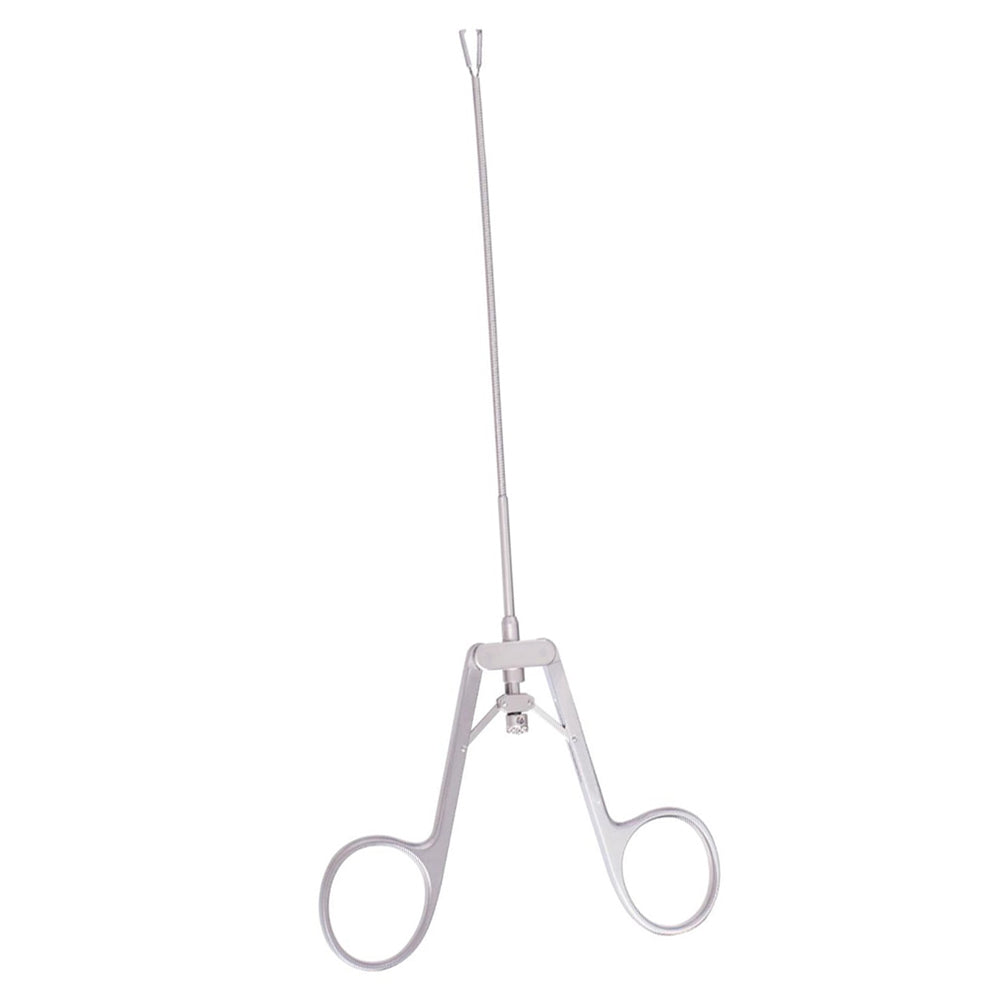
Kleinert Kutz Tendon Retriever, SKU PS-9983, is a 209mm orthopedic hand surgery instrument manufactured from German stainless steel for controlled flexor tendon retrieval, passage, and positioning during tendon repair. This model is supplied as PS-9983 in a 209mm size with a long slim shaft, flexible retrieval section, forked distal tip, ring handles, spring-control linkage, pivoted handle frame, and adjustment screw for precise tendon engagement. The instrument is used in flexor tendon laceration repair, hand trauma reconstruction, tendon graft passage, delayed tendon retrieval, staged reconstruction, and operative management of retracted FDP, FDS, and FPL tendons. Hand surgeons, orthopedic surgeons, plastic reconstructive surgeons, trauma units, ambulatory surgery centers, hospitals, and specialist hand clinics use this retriever when the proximal tendon end has retracted within the digital sheath, palm, or wrist-level exposure. Its long profile allows work through limited incisions while the forked tip helps capture and guide tendon tissue without broad crushing contact.
The Kleinert Kutz pattern works through a long axial shaft connected to a ring-handle control system and a fine distal fork. The shaft provides reach through a tendon sheath, wound tract, or limited palmar exposure while keeping the surgeon's hand outside the narrow operative corridor. The forked tip is designed to engage a tendon end, suture loop, or graft segment so it can be advanced or withdrawn along the tendon path. The ring handles stabilize finger placement, and the spring-control linkage helps return the handle assembly after compression or release. The pivoted frame transfers hand movement to the working shaft with controlled alignment rather than broad force. The adjustment screw and collar near the handle provide fine control over working tension and tip response during retrieval. This design is clinically useful when a retracted flexor tendon cannot be grasped directly with standard forceps without extending the incision or disrupting pulley tissue.
During acute flexor tendon laceration repair, the retriever is introduced after wound assessment, irrigation, pulley preservation, and identification of the distal tendon stump. If the proximal FDP or FDS end has withdrawn into the palm or digital sheath, the forked tip is advanced along the flexor channel to locate and bring the tendon back into the repair field. In thumb injuries, the instrument supports FPL retrieval when the proximal end retracts toward the thenar region or wrist. During staged reconstruction, it can assist with passage of a tendon graft or guide strand through an established pseudosheath. In zone II procedures, its narrow shaft helps preserve A2 and A4 pulley integrity while reducing the need for wide exposure. The instrument is used before core suture placement, epitendinous repair, and glide assessment. It is also useful in hand trauma cases where soft tissue swelling, narrow access, and tendon retraction make direct pickup with ordinary graspers inefficient.
PS-9983 is supplied in a 209mm length, giving the surgeon enough reach for digital, palmar, and wrist-level tendon retrieval while maintaining handle control outside the incision. The length is selected when the tendon end has migrated beyond the immediate laceration site and must be approached through the flexor sheath or a limited counter-incision. The flexible shaft section visible in the instrument supports passage along the tendon route without the bulk of rigid grasping forceps. The forked tip is selected for engaging tendon tissue or suture material during controlled retrieval rather than clamping across the tendon belly. The ring-handle frame provides familiar hand-instrument control, while the spring linkage helps manage repeated opening and release movements during positioning. In procurement terms, this is a single-instrument hand surgery item for tendon repair trays, orthopedic trauma sets, plastic reconstruction inventories, and replacement stock used by operating room supply teams.
German stainless steel construction supports repeated operating room use where corrosion resistance, dimensional stability, and clean surface finishing are required. The listed satin, dull, and mirror finish options serve different surgical preferences; satin and dull finishes reduce glare under procedure lighting, while mirror finishing supports visual inspection during reprocessing. After use, the instrument should pass through decontamination, cleaning, rinsing, drying, inspection, packaging, and steam sterilization according to the facility's sterile processing protocol. The distal fork, spring linkage, pivot area, shaft surface, and adjustment screw should be inspected for retained debris, smooth movement, and alignment before tray return. As a reusable Class I surgical instrument, the retriever fits hospital purchasing records for hand surgery and orthopedic trauma workflows. CE marking, ISO 13485 manufacturing controls, and FDA procurement context support institutional ordering. The one-year warranty, MOQ of one piece, OEM availability, and return or replacement service provide clear commercial terms for clinics, hospitals, and distributors.
| SKU | PS-9983 |
|---|---|
| Product Name | Kleinert Kutz Tendon Retriever |
| Price | $132.00 USD |
| Size/Gauge Variants | 209mm, model PS-9983 |
| Instrument Category | Orthopedic hand surgery tendon retriever |
| Procedure | Flexor tendon repair, tendon graft passage, hand trauma reconstruction, staged tendon reconstruction |
| Material | German stainless steel |
| Finish | Satin, dull, mirror |
| Sterilization | Reusable and autoclavable |
| Instrument Classification | Class I surgical instrument |
| Reusable | Yes |
| Certifications | CE, ISO 13485, FDA |
| Warranty | 1 year |
| MOQ | 1 piece |
| OEM / Custom Orders | Available |
| After-Sale Service | Return and replacement support |
How does Kleinert Kutz Tendon Retriever differ from a Bunnell Tendon Passer?
Kleinert Kutz Tendon Retriever is designed primarily for locating, engaging, and drawing back a retracted tendon end during hand surgery. A Bunnell Tendon Passer is commonly used for passing suture or tendon graft material through a defined tissue route. The Kleinert Kutz pattern includes a long shaft with a forked retrieval tip for controlled tendon engagement. The Bunnell pattern focuses more on passage through tissue planes or tendon substance. In flexor tendon laceration repair, Kleinert Kutz Tendon Retriever is selected when the proximal stump has withdrawn into the sheath. This makes it a retrieval instrument rather than a general passer or clamping forceps.
How is the 209mm size used during flexor tendon retrieval?
The 209mm length gives the surgeon reach from the wound toward the palm, wrist, or digital sheath depending on the level of tendon retraction. In zone II finger injuries, the shaft can be advanced along the flexor sheath while preserving pulley structures. In FPL injury, the length supports retrieval from the thumb flexor path toward the thenar or wrist region. Kleinert Kutz Tendon Retriever is used before core suture repair when the tendon end must be returned to the operative field. The forked tip helps engage the tendon or holding suture without requiring a wide incision. This length is practical for hand trauma trays where tendon displacement can occur across several centimeters.
What do CE, ISO 13485, and FDA mean for procurement teams?
CE marking supports conformity documentation for medical device purchasing in markets that recognize European regulatory requirements. ISO 13485 indicates that the manufacturing process follows a medical device quality management system. FDA procurement context supports records used by hospitals, clinics, distributors, and surgical supply teams serving regulated healthcare markets. Kleinert Kutz Tendon Retriever is listed with CE, ISO 13485, and FDA certification information for institutional ordering. These records help align the instrument with vendor files and operating room supply approvals. They also support international purchasing where documentation is reviewed before product onboarding.
How is the spring-control and adjustment mechanism used intraoperatively?
The spring-control linkage helps the handle assembly return after compression or release, allowing repeated fine movements during tendon retrieval. The adjustment screw and collar near the handle provide additional control over shaft response and working tension. During use, the surgeon advances the shaft toward the retracted tendon, engages the distal fork, and then uses controlled hand movement to draw the tendon into the repair field. Kleinert Kutz Tendon Retriever keeps the surgeon's fingers away from the narrow wound while the tip works along the tendon path. The pivoted handle frame improves alignment between handle motion and shaft movement. This mechanism is useful when retrieval must be performed through limited exposure.
Can hospitals reprocess this tendon retriever for repeated hand surgery tray use?
Yes, the instrument is manufactured as a reusable German stainless steel surgical instrument. It is suitable for autoclave sterilization after proper cleaning, rinsing, drying, and inspection by sterile processing staff. The forked tip, flexible shaft, spring linkage, pivot, and adjustment screw should be checked before tray assembly. Kleinert Kutz Tendon Retriever can be stocked in orthopedic hand surgery sets, plastic reconstruction trays, and trauma instrument inventories. The MOQ of one piece supports single replacement purchasing for clinics and operating room supply teams. The one-year warranty and return or replacement service support procurement teams managing reusable instrument stock.


