Featured Collection
Your cart
Featured Collection

PEAK SURGICAL
SKU:PS-7924
Couldn't load pickup availability
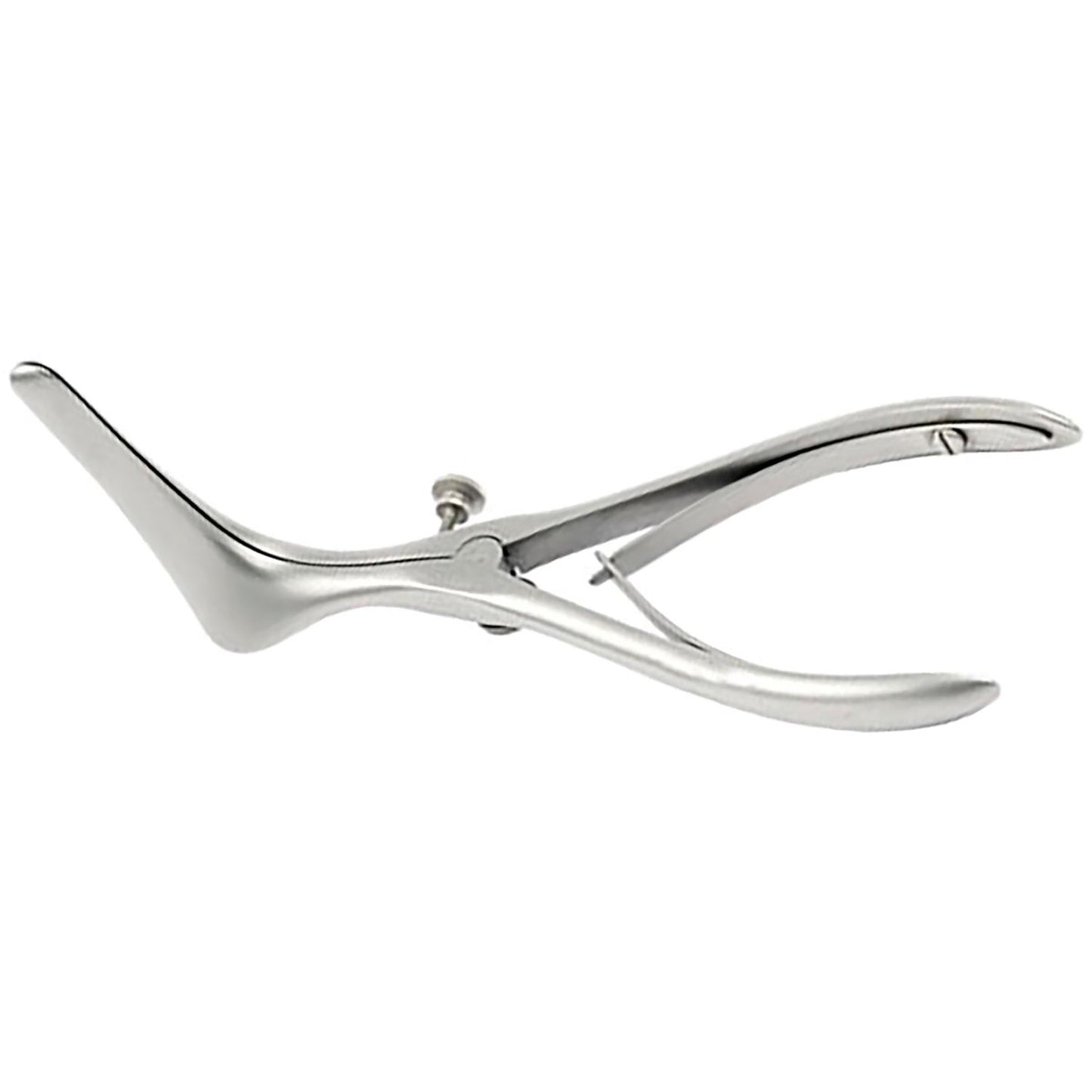
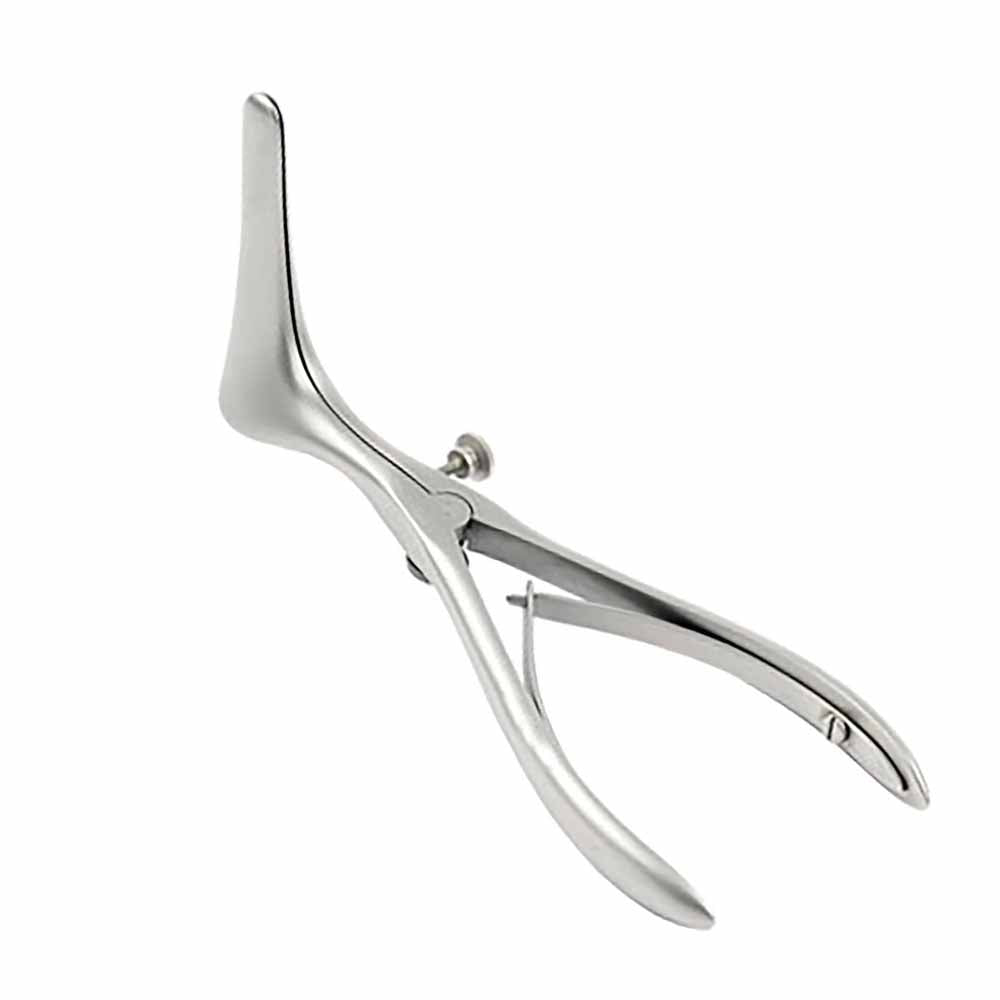
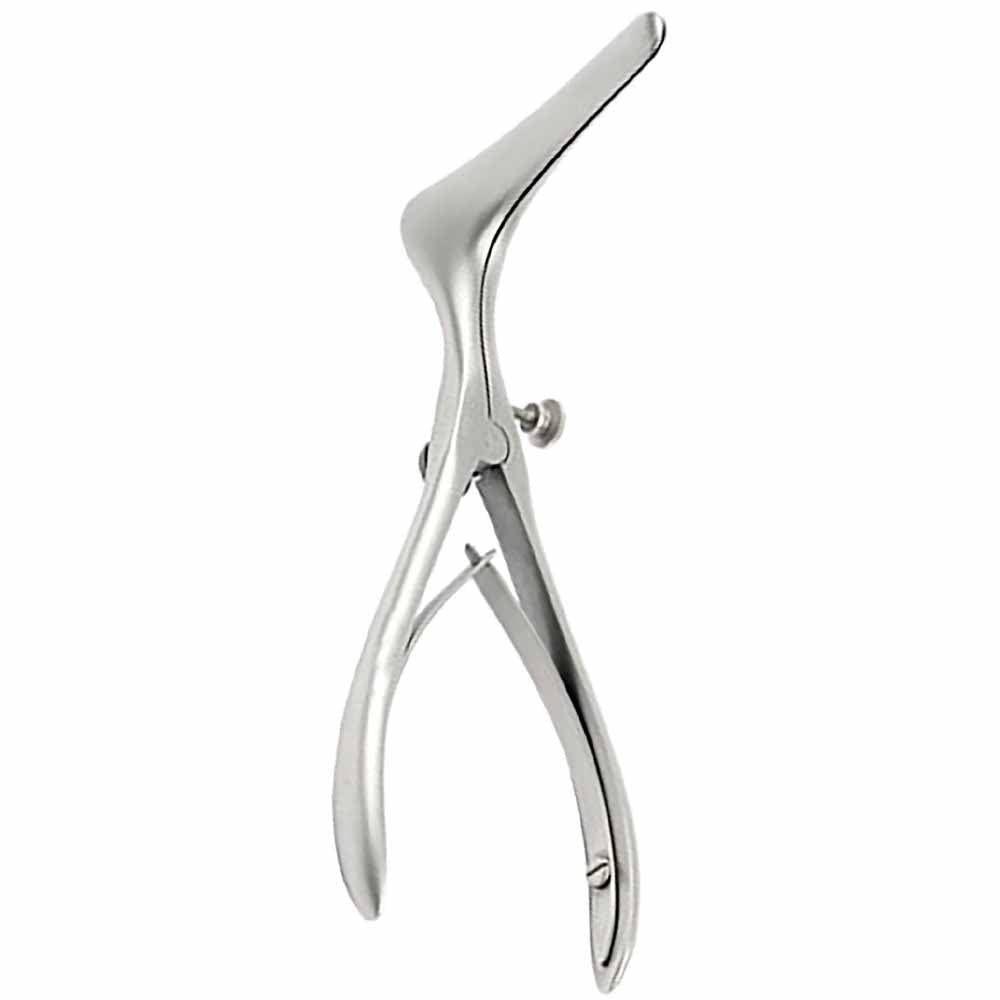
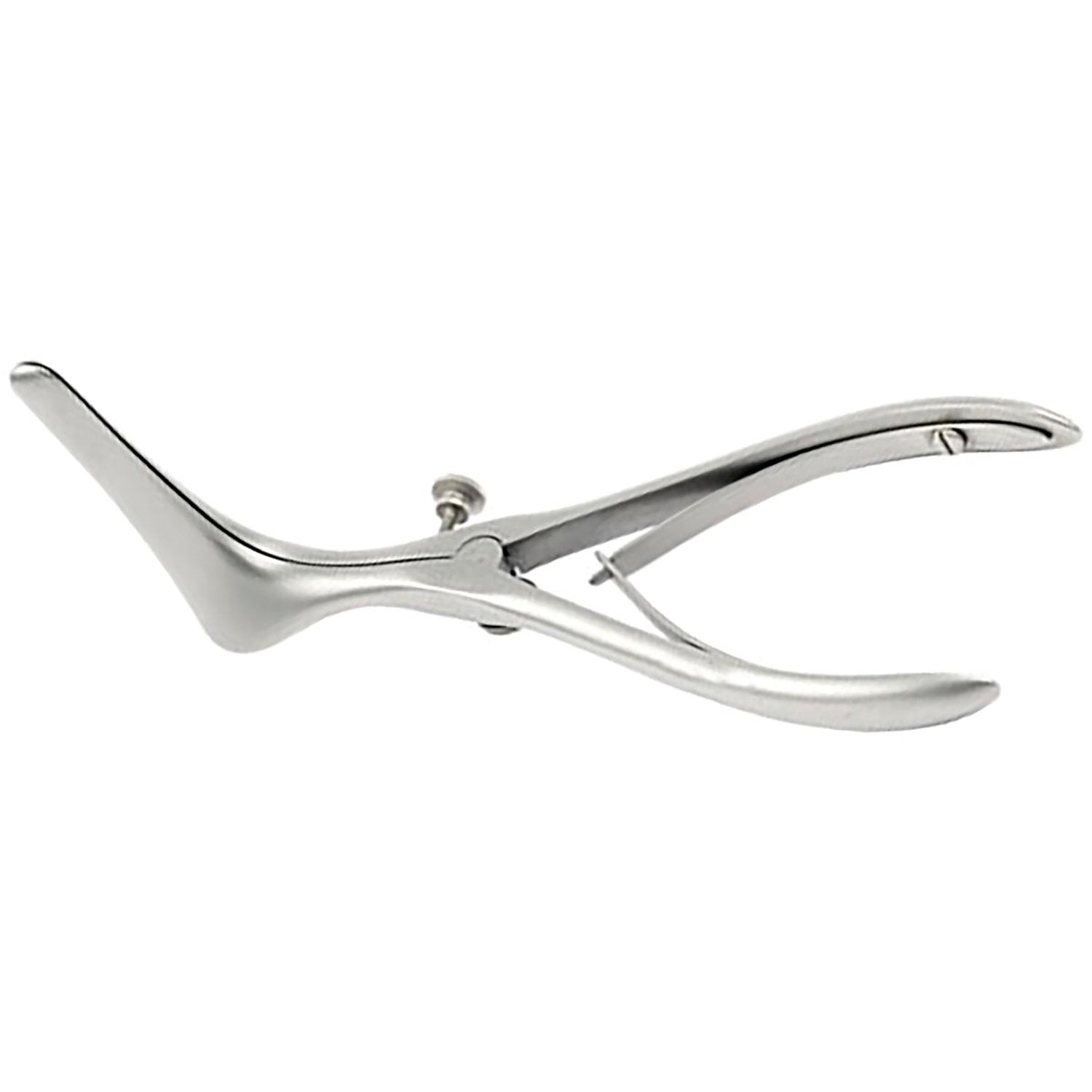
The Killian Nasal Specula from Peak Surgicals (SKU: PS-7924) are reusable German Forged Stainless Steel ENT specula designed for controlled exposure of the nasal vestibule, septal corridor, nasal floor, inferior turbinate region, internal nasal valve, and deeper anterior nasal cavity. This series includes PS-7924 Small blade 51mm, PS-7925 Medium blade 64mm, PS-7926 Large blade 76mm, and PS-7927 Extra-large blade 90mm, with each instrument priced at $13.20. The instrument features paired bivalve nasal blades, rounded blade lips, a central pivot screw, spring-action handle arms, a set screw for maintained blade opening, grip ridges, and a stabilizing leaf spring. Otolaryngologists, rhinoplasty surgeons, facial plastic surgeons, emergency departments, outpatient ENT clinics, hospitals, ambulatory surgery centers, and procurement teams use Killian Nasal Specula during anterior rhinoscopy, septoplasty, submucous septal resection, rhinoplasty exposure, turbinate assessment, epistaxis cautery, nasal packing, foreign body removal, postoperative septal inspection, and intranasal dressing placement.
The Killian pattern works through two opposed nasal blades that separate when the spring handle is compressed. The rounded blade lips enter the nasal vestibule and distribute pressure across the alar rim and mucosa while the concave internal blade surfaces open the corridor toward the septum and lateral nasal wall. The central pivot screw acts as the mechanical axis for blade movement, keeping the bivalve tips aligned during repeated opening, release, and repositioning. The set screw is the defining control feature because it allows the surgeon to maintain a selected blade opening during septal inspection, packing, cautery, or intranasal instrument work. This is different from a simple spring-only nasal speculum, where exposure depends entirely on continuous hand compression. The leaf spring provides return tension when the instrument is released, and the curved handle arms keep the hand below the visual field. Grip ridges improve control with gloved fingers during procedures involving blood, topical vasoconstrictor, anesthetic spray, or irrigation.
During anterior rhinoscopy, the blades are introduced into the nostril and opened to expose the caudal septum, nasal floor, inferior turbinate head, and anterior lateral wall. In septoplasty, Killian Nasal Specula support evaluation of septal deviation, spur projection, mucosal condition, cartilage alignment, and the relationship between the caudal septum and internal valve. During submucous septal resection, longer blade sizes create a corridor for mucoperichondrial flap elevation, cartilage scoring, bony spur access, and inspection of the septal plane. In rhinoplasty, the instrument supports intranasal assessment of the caudal septum, internal valve narrowing, columellar support, and postoperative airway symmetry. During epistaxis control, the blades expose Kiesselbach’s plexus, anterior septal bleeding points, clot, crust, and mucosal trauma while suction, silver nitrate, bipolar cautery, or packing remains accessible. In emergency ENT work, the controlled opening assists foreign body removal and nasal dressing placement. In postoperative review, it helps inspect splints, packing sites, septal hematoma, crusting, and mucosal healing.
The PS-7924 Small blade 51mm size is selected for anterior rhinoscopy, pediatric or narrow adult nasal access, epistaxis inspection, packing placement, and focused examination of the vestibule, caudal septum, and inferior turbinate head. The PS-7925 Medium blade 64mm size provides deeper reach for routine adult septal assessment, septoplasty planning, turbinate visualization, and intranasal suture inspection while preserving good hand control at the nostril. The PS-7926 Large blade 76mm size is used when the surgeon needs longer exposure along the septal corridor during submucous resection, bony spur access, and posterior septal inspection. The PS-7927 Extra-large blade 90mm size gives the deepest working exposure in this series for large adult anatomy, extended septal dissection, and deeper nasal cavity visualization. This graduated set allows ENT teams to match blade length to patient anatomy and procedural depth instead of forcing one blade size into every nasal corridor. The set screw becomes increasingly useful as blade length increases because maintained exposure reduces hand fatigue during longer septal steps.
German Forged Stainless Steel gives the Killian Nasal Specula the rigidity, corrosion resistance, and mechanical stability required for reusable ENT work. Nasal blades must retain alignment because uneven opening can distort the vestibule, compress septal mucosa, or narrow the visual corridor toward the turbinate and posterior septal field. The pivot screw, set screw, and spring structure require stable construction so opening remains smooth, controlled, and repeatable through clinic and operating room use. Satin and dull finishes reduce glare under headlight, endoscopic light, microscope, or theatre illumination, while mirror finish provides a smooth surface for visual inspection after cleaning. After use, the blades are decontaminated, the concave internal surfaces are brushed, the pivot and set screw are cleaned, the handle ridges are cleared, and the spring area is inspected before steam sterilization by autoclave. The Class I classification, CE marking, ISO-13485 certification, and FDA compliance support procurement files, distributor documentation, and tender review. Warranty support, OEM availability, and reusable construction support repeat ENT tray sourcing.
| SKU | PS-7924 |
|---|---|
| Product Name | Killian Nasal Specula |
| Price | $13.20 per piece |
| Size/Gauge Variants | PS-7924 Small blade 51mm, PS-7925 Medium blade 64mm, PS-7926 Large blade 76mm, PS-7927 Extra-large blade 90mm |
| Instrument Category | ENT Instruments / Nasal Specula |
| Procedure | Anterior Rhinoscopy, Septoplasty, Submucous Septal Resection, Rhinoplasty Exposure, Turbinate Assessment, Epistaxis Cautery, Nasal Packing, Foreign Body Removal |
| Material | German Forged Stainless Steel |
| Finish | Satin, Dull, Mirror |
| Sterilization | Steam sterilizable / Autoclave compatible |
| Instrument Classification | Class I |
| Reusable | Yes |
| Certifications | CE, ISO-13485, FDA |
| Warranty | 5 Years Warranty |
| MOQ | 1 Piece |
| OEM / Custom Orders | Available |
| After-Sale Service | Free Repair and Sharpening |
How do Killian Nasal Specula compare with Cottle Nasal Specula?
Killian Nasal Specula are designed for deeper nasal and septal exposure, while Cottle Nasal Specula are commonly used for compact anterior nasal inspection. The Killian pattern offers longer blade options from 51mm to 90mm, making it stronger for septoplasty, submucous septal resection, posterior septal inspection, and deeper intranasal visualization. Cottle instruments are efficient for anterior rhinoscopy, vestibular inspection, rhinoplasty follow-up, and epistaxis work near the anterior septum. The set screw on the Killian design allows maintained blade opening, which is valuable when the surgeon needs stable exposure for dissection, packing, or cautery. Cottle specula rely more on continuous spring-handle control without the same maintained-opening emphasis. For ENT trays, Cottle covers frequent anterior examination, while Killian Nasal Specula provide deeper controlled access for septal surgery and longer intranasal procedures.
Which Killian blade size is selected for each nasal procedure?
The 51mm blade is selected for anterior rhinoscopy, epistaxis inspection, narrow adult anatomy, and focused access to the vestibule, caudal septum, and inferior turbinate head. The 64mm blade is useful for routine adult septal assessment, septoplasty planning, turbinate evaluation, and nasal packing because it reaches beyond the vestibule without excessive blade length. The 76mm blade is used during septoplasty and submucous resection when the surgeon needs exposure along a deeper septal plane, including bony spur assessment and posterior cartilage work. The 90mm blade is selected for large adult anatomy, extended septal dissection, deeper posterior inspection, and broad intranasal exposure. Killian Nasal Specula in this size sequence allow the surgeon to match blade reach to anatomical depth and procedural stage. This prevents over-insertion with short anterior work and avoids underexposure during deeper septal procedures. It also supports procurement planning for complete ENT nasal surgery trays.
What do CE, ISO 13485, and FDA compliance mean for procurement?
CE marking supports conformity documentation for hospitals, clinics, and distributors sourcing reusable ENT instruments. ISO 13485 indicates that manufacturing is managed under a medical device quality system focused on controlled production, inspection, and traceability. FDA compliance supports procurement files for buyers sourcing reusable stainless steel surgical instruments for regulated markets. Killian Nasal Specula are Class I reusable instruments, which fits standard purchasing categories for non-powered ENT examination and procedure tools. These credentials help procurement officers compare the instrument against tender requirements, internal sourcing policies, and distributor documentation needs. German Forged Stainless Steel construction, warranty support, variant model numbers, and OEM availability strengthen the ordering record for repeat supply. For ENT departments, the documentation aligns clinical function with regulated purchasing expectations.
How is the set screw used during intraoperative nasal exposure?
The set screw is used to maintain a selected blade opening after the surgeon has achieved the desired exposure. The blades are first opened by compressing the spring handle, then the screw is adjusted to hold the bivalve tips at the required spread. This allows the septal corridor, turbinate region, or bleeding point to remain visible while suction, bayonet forceps, cautery, elevators, pledgets, or packing material are introduced. In septoplasty, the maintained opening helps during mucoperichondrial flap work, cartilage scoring, spur exposure, and inspection of the surgical plane. In epistaxis control, it keeps the anterior septum exposed while the surgeon addresses Kiesselbach’s plexus or places packing. Killian Nasal Specula therefore reduce the need for constant hand compression during longer procedural steps. The screw is released when exposure must be decreased or when the instrument is withdrawn from the nostril.
How should Killian Nasal Specula be cleaned and sterilized after use?
After use, the instrument is decontaminated promptly so blood, mucus, topical medication, packing fibers, and tissue residue do not dry around the blades, set screw, pivot screw, spring, or handle ridges. The inner blade surfaces are brushed because they contact nasal mucosa and can retain debris along the concave working faces. The set screw threads and pivot area are cleaned carefully so the opening mechanism remains smooth and controlled. The spring section is inspected for return tension, surface integrity, and secure attachment before packaging. German Forged Stainless Steel supports steam sterilization by autoclave after complete cleaning and drying. Killian Nasal Specula should return to the ENT tray only after the blades close evenly, the screw holds correctly, and the surface is clean. Proper reprocessing preserves nasal exposure accuracy and keeps the instrument ready for repeated clinical use.