Skip to product information
1 of 3

PEAK SURGICAL

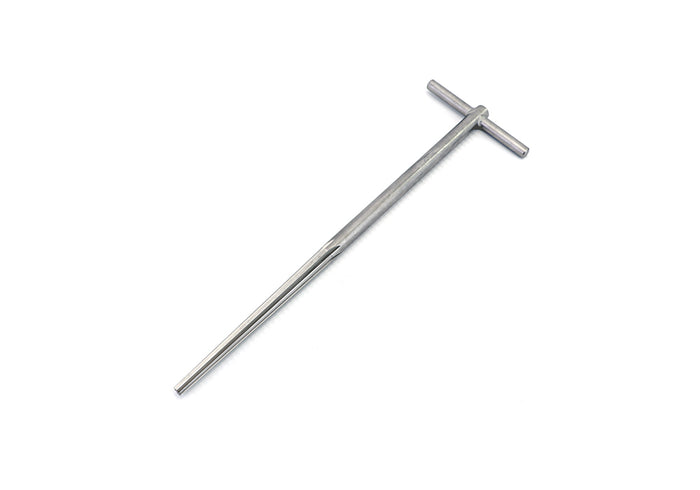
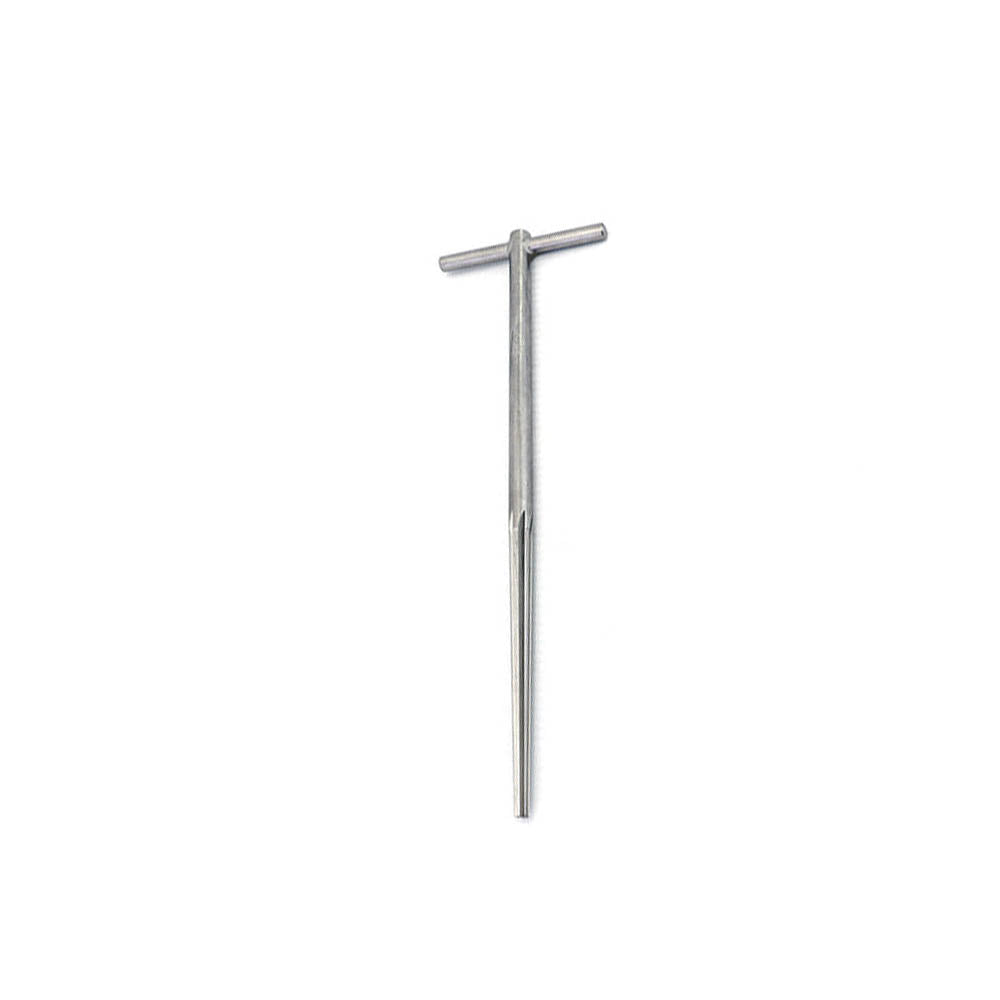
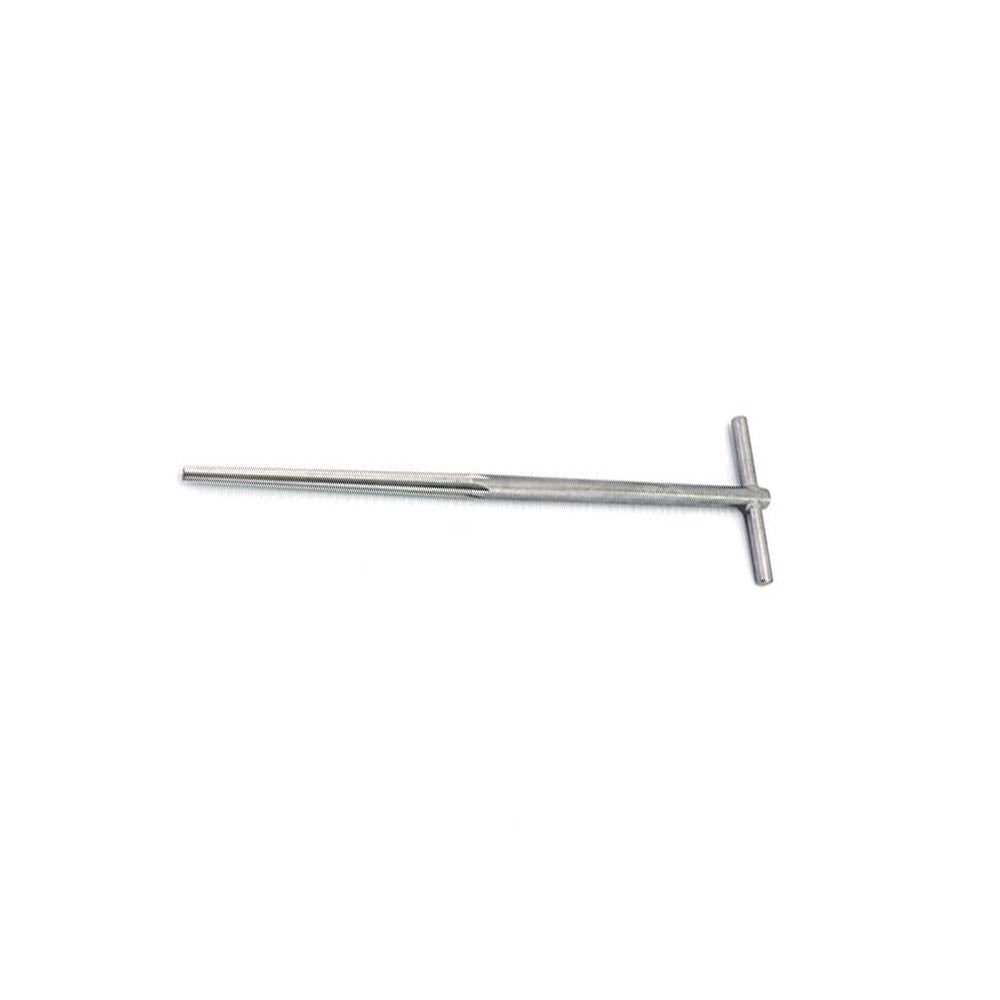
Howmedica T-Handle Reamer 13 Inch Orthopedic Bone Preparation Instrument

Howmedica T-Handle Reamer 13 Inch Orthopedic Bone Preparation Instrument

SKU:PS-90023

Regular price $22.00 USD
Regular price Sale price $22.00 USD
Sale Sold out
Taxes included. Shipping calculated at checkout.
Quantity
  • 30 Days Money Back Guarantee.
  • 100% Quality Satisfaction.
  • Medical Grade Steel Reusable.
  • CE-CertificateCE Certified
  • FDA-CertificateFDA Certified
  • iso-certificateISO Certified
View full details

Howmedica T-Handle Reamer (13-Inch) – Precision Manual Bone Canal Preparation

The clinical gold standard for controlled, tactile-feedback intramedullary canal preparation. The Howmedica T-Handle Reamer (13-Inch) is a specialized orthopedic instrument engineered to solve the requirement for absolute anatomical control during bone resection. Featuring an ergonomic T-handle geometry and a 13-inch reach, this reamer acts as a mechanical necessity for orthopedic surgeons who demand direct manual feedback when navigating long bone canals, ensuring high-fidelity preparation in both primary and complex reconstructive cases.

Key Features for Professional Surgical Workflow

  • Ergonomic T-Handle Torque Interface: Engineered with a palm-conforming, high-leverage crossbar. This design is a mechanical necessity for surgical control; it allows the surgeon to apply precise rotational torque with minimal hand strain, facilitating the fine, incremental bone removal required for exact implant fitting.
  • 13-Inch Extended-Reach Chassis: Designed with an optimized 13-inch length. This dimension is a mechanical necessity for long-bone procedures; it provides the reach required to navigate the full length of the intramedullary canal in femur or tibia surgery while maintaining the stability and stiffness needed for uniform reaming.
  • Tactile-Feedback Reaming Profile: Forged to provide direct sensory information through the handle. This feedback is a mechanical necessity for surgical safety; it allows the surgeon to “feel” changes in bone density or cortical engagement, enabling rapid detection of cortical breakthrough or thinning before damage occurs.
  • Bio-Inert Surgical-Grade Metallurgy: Forged from high-tensile, corrosion-resistant stainless steel alloys. This material composition is a mechanical necessity to maintain the reamer’s structural integrity and surface finish during repeated, high-intensity hospital steam sterilization cycles.
  • Precision-Aligned Straight-Axis Shaft: Engineered to resist deflection during manual manipulation. This rigidity is a mechanical necessity for procedural accuracy; it ensures the reamer maintains a straight path through the bone canal, preventing eccentric or “wobbling” preparation that could compromise implant seating.
  • Aura-Satin Glare-Resistant Finish: Treated with a refined, matte satin coating. This finish is a mechanical necessity for surgical visibility; it eliminates blinding reflections under high-intensity OR lighting, allowing the surgeon to maintain focus on the entry site during the reaming sequence.

Detailed Product Description

The Howmedica T-Handle Reamer is the foundational tool for surgeons who prioritize manual precision over powered execution. In trauma and complex orthopedic reconstruction, the ability to control the rate and depth of bone removal is a mechanical necessity; the T-Handle design serves this purpose, providing a direct, human-to-instrument connection that powered systems often lack.

At its core, the instrument is designed for reliability and ergonomic comfort. Reaming an intramedullary canal is a labor-intensive task; the T-handle’s optimized leverage acts as a mechanical necessity for reducing surgical fatigue, ensuring that the surgeon can maintain the same high level of precision from the first turn of the reamer to the final clearance of the canal.

Built to exceed international benchmarks for orthopedic surgical hardware, this reamer is a fully reusable, durable asset designed for rigorous, high-volume clinical utility. Its balance of mechanical reach and tactile control makes it an indispensable component for surgeons who demand uncompromising performance in all joint reconstruction procedures.

Technical Specifications & Geometry

Feature Details

Instrument Style Manual T-Handle Intramedullary Reamer

Working Length 13 Inches (33cm)

Grip Interface Ergonomic High-Leverage T-Handle

Shaft Integrity Rigid, Deflection-Resistant Stainless Steel

Surface Treatment : Electropolished, Glare-Reducing Aura-Satin

Material Base Premium Fatigue-Resistant Surgical Stainless Steel

Reprocessing Limits Fully Autoclavable / High-Vacuum Steam-Safe

Certifications CE, ISO, Professional Surgical Grade

Primary Clinical Applications:

  • Orthopedic Trauma: Precision canal preparation in long bone fracture fixation.
  • Joint Replacement (Arthroplasty): Manual refinement of the medullary canal for prosthetic stems.
  • Reconstructive Surgery: Controlled bone resection for limb salvage or reconstructive cases.
  • Intramedullary Procedures: Enabling manual, high-control canal sizing in delicate bone sites.
  • Surgical Training: A reliable, high-feedback tool for teaching precise reaming techniques.

Why Orthopedic Surgical Teams Choose Howmedica T-Handle Reamers?

  • Tactile Accuracy: The manual handle is a mechanical necessity for detecting bone engagement, which is essential to prevent cortical perforation in osteoporotic or sclerotic bone.
  • Rotational Control: The T-handle design is a mechanical necessity for applying consistent torque, preventing the “jerking” motion sometimes associated with powered drivers.
  • Dimensional Integrity: The rigid shaft is a mechanical necessity for maintaining the reamer’s axial path, ensuring the preparation is perfectly centered within the canal.
  • Sterilization Resilience: The surgical-grade steel is a mechanical necessity for preventing instrument degradation, ensuring the tool remains in peak clinical condition for years of hospital use.

FAQ Section

Q: Why choose a manual reamer over a power-driven system?

A: Tactile feedback is a mechanical necessity. While power reamers are faster, the T-handle provides the sensory control that is a mechanical necessity for “feeling” the bone, which is critical in revision surgery or thin-cortex scenarios.

Q: Is the T-handle grip fatigue-resistant?

A: Yes. The ergonomic crossbar is a mechanical necessity; it is designed to distribute force across the palm, which is essential for maintaining grip strength during extended reaming.

Q: Can this reach the entire length of a femur?

A: The 13-inch length is a mechanical necessity for most canal preparation tasks. However, ensuring that the instrument length matches the surgical site’s anatomical depth is a mechanical necessity for effective reaming.

Q: How do you maintain the T-handle locking mechanism?

A: Regular inspection is a mechanical necessity. Ensuring the handle-to-shaft interface remains tight is a mechanical necessity to prevent torque loss and maintain surgical safety.

Q: What is the recommended sterilization protocol?

A: The premium stainless steel is a mechanical necessity for hospital-grade reuse. It is fully rated to undergo standard high-vacuum steam autoclave cycles at 134°C (273°F).