
Featured Collection
Your cart
Featured Collection

PEAK SURGICALS
SKU:PS-OP-6017
Couldn't load pickup availability
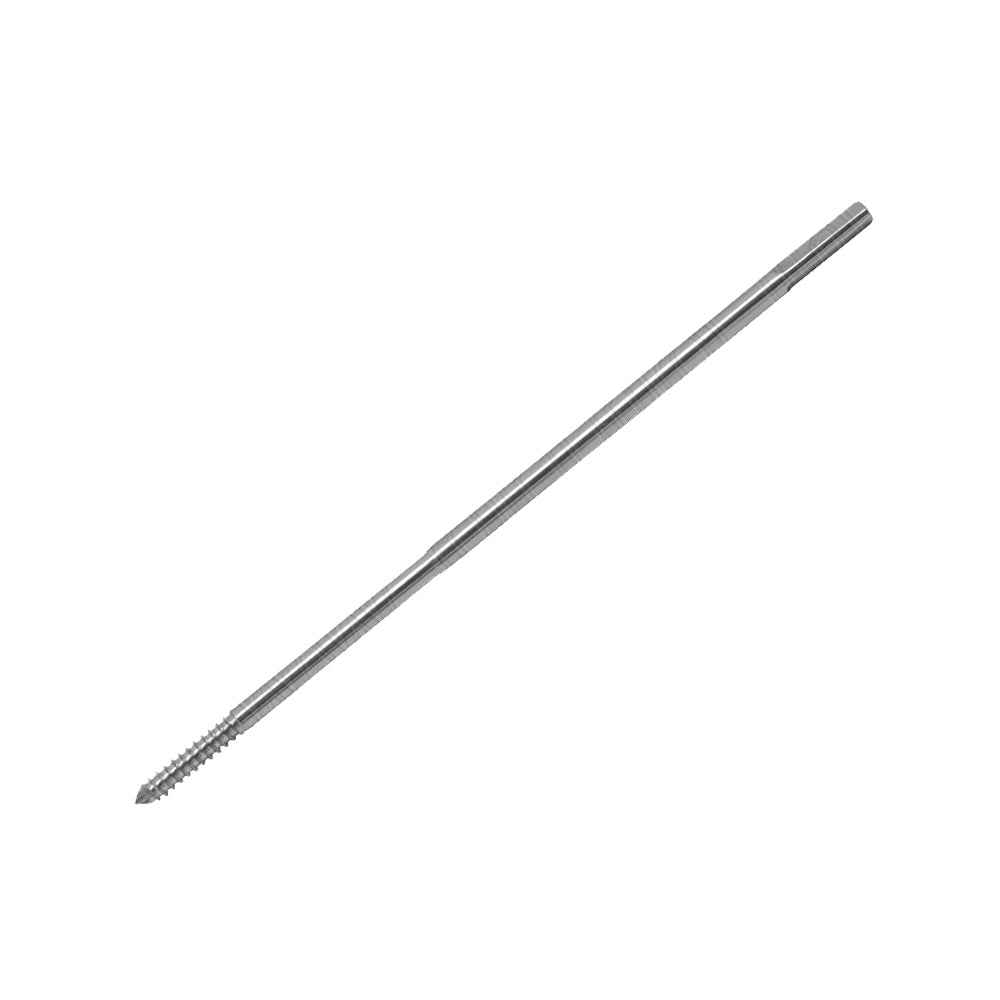
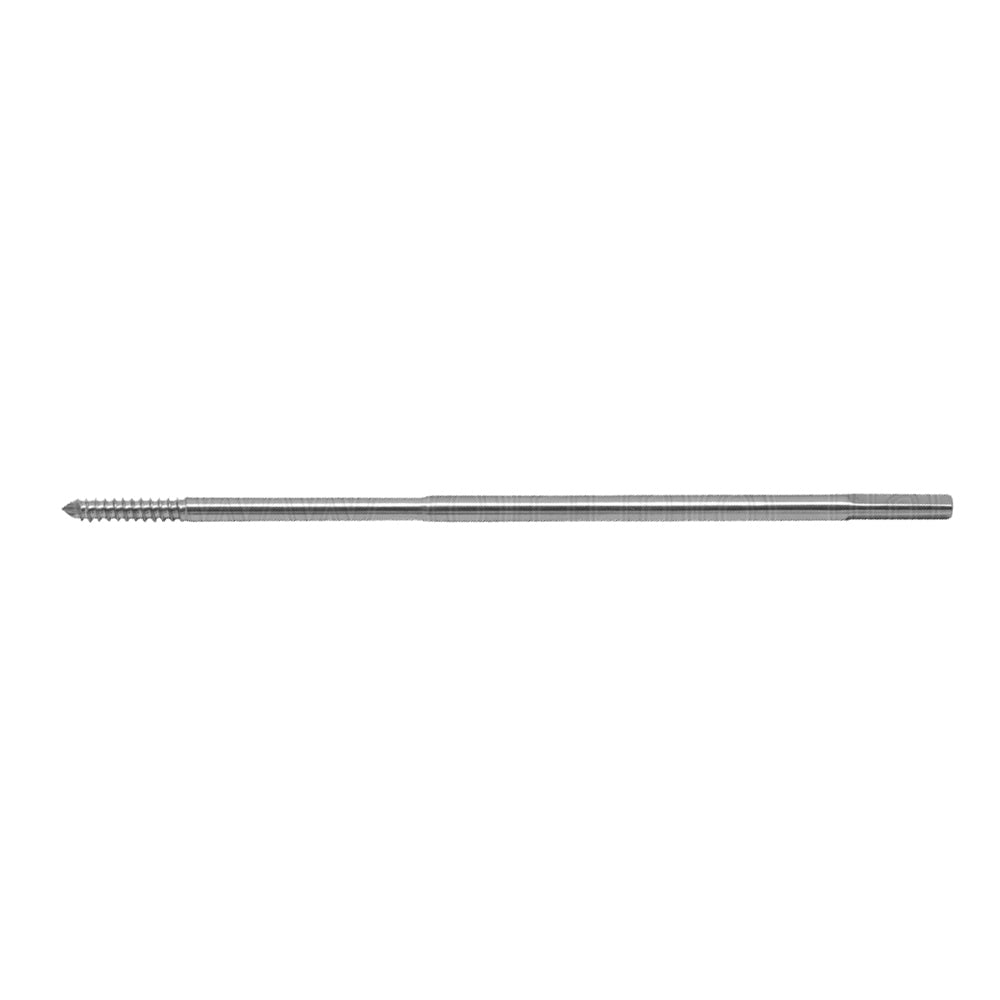
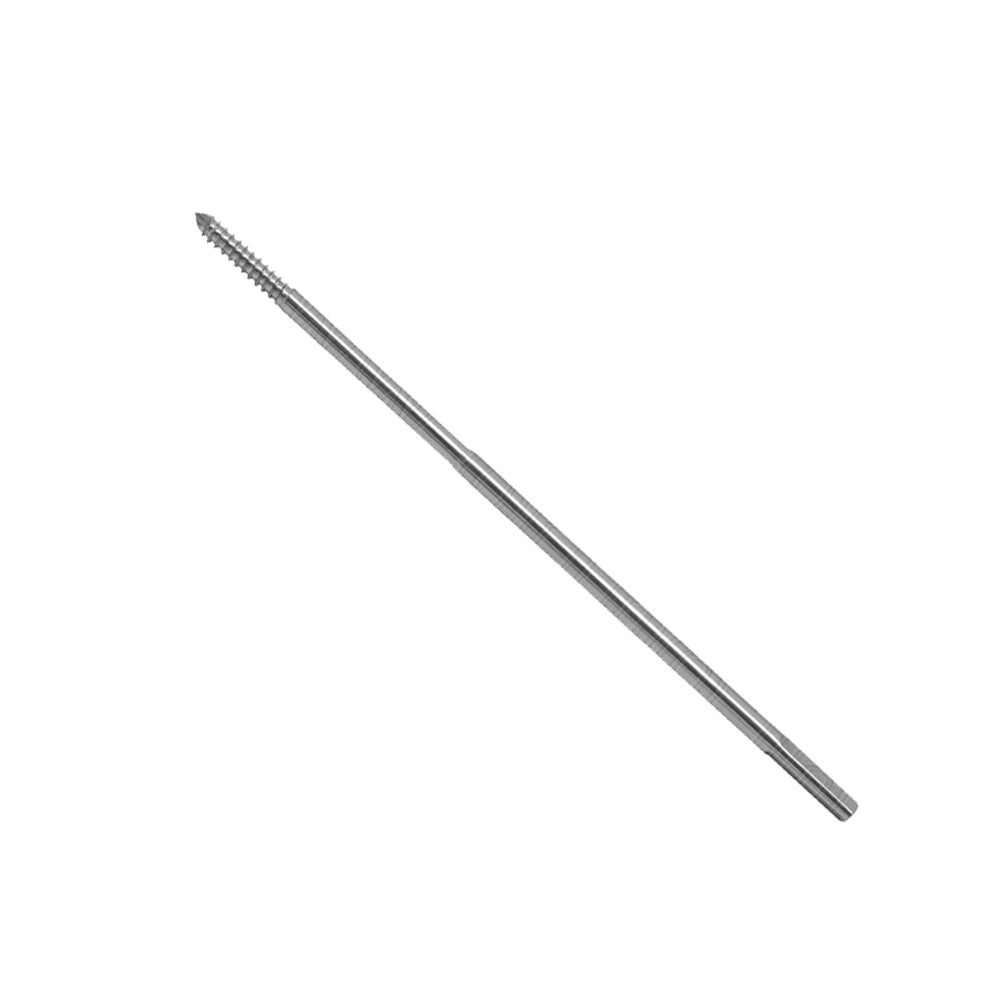
Front Threaded Pin, SKU PS-OP-6017, is a reusable orthopedic fixation pin manufactured from German stainless steel for controlled skeletal fixation within external fixation workflows. The available configurations are PS-220.010 at 1.5 mm diameter and 75 mm length, PS-220.020 at 2.0 mm diameter and 75 mm length, and PS-220.030 at 2.5 mm diameter and 100 mm length. Its cylindrical shaft terminates in a front-threaded working portion that engages bone to provide axial purchase during frame-based stabilization. The pin is suited to orthopedic trauma and reconstructive procedures involving the forearm and metacarpal region, particularly small external fixation constructs where pin diameter and working length must correspond to the target bone and frame geometry. Orthopedic trauma surgeons, hand surgeons, and specialist surgical teams can incorporate the configurations into hospital operating rooms, trauma centers, orthopedic clinics, and external fixation instrument inventories. The product is listed at $12.50 USD and is supplied as a reusable medical-grade steel component for professional clinical processing.
The defining mechanical feature is the threaded distal portion, which differs fundamentally from a smooth fixation wire because the helical profile engages osseous tissue as the pin advances. The cylindrical shaft maintains longitudinal rigidity between the threaded section and the proximal handling end, allowing insertion torque to be transmitted along the pin while limiting unwanted flexure. The front-threaded geometry is particularly suited to external fixation constructs because the engaged portion establishes a fixed interface with bone while the remaining shaft provides the working length required for connection to the fixation frame. During insertion, the surgeon establishes the intended trajectory, advances the threaded end through the prepared cortical pathway, and seats sufficient thread within the target bone to obtain mechanical purchase. The pin should be positioned so the fixation construct can maintain appropriate alignment without unnecessary prominence or interference with surrounding soft tissue. Its straight profile also supports predictable positioning through the forearm or metacarpal region. The absence of a ratchet, pivot, spring, jaw, or locking handle reflects its role as a fixation component rather than a grasping or cutting device.
Front Threaded Pin configurations are suited to small external fixation constructs used for forearm and metacarpal stabilization, particularly when temporary skeletal support is required around fracture management. The 1.5 mm PS-220.010 configuration provides the smallest listed diameter and is appropriate for smaller osseous targets where a reduced pin profile is required. The 2.0 mm PS-220.020 version provides an intermediate fixation option for situations requiring greater pin diameter while retaining the 75 mm overall length. The 2.5 mm PS-220.030 configuration extends to 100 mm, providing additional working reach for frame positioning and deeper fixation corridors. In an external fixation workflow, the surgeon selects the pin according to bone dimensions, desired purchase, soft-tissue access, and the geometry of the connecting components. After establishing reduction or stabilization, the threaded portion is seated in the selected bone segment and the exposed shaft is incorporated into the fixation assembly. These configurations are relevant to orthopedic trauma teams managing forearm and metacarpal fixation, hand and upper-extremity stabilization, and staged fracture treatment where an external frame is part of the operative strategy.
Each listed model provides a distinct combination of diameter and overall length. PS-220.010 measures 1.5 mm by 75 mm and represents the smallest configuration in the range, making it suited to smaller fixation requirements within the forearm and metacarpal external fixation environment. PS-220.020 measures 2.0 mm by 75 mm and increases the shaft diameter while retaining the same overall length, providing a larger structural cross-section for constructs requiring additional pin bulk. PS-220.030 measures 2.5 mm by 100 mm and combines the largest listed diameter with the longest listed length, giving the surgeon additional working reach when frame geometry or bone access requires it. Selection should be integrated with the external fixation system, bone size, intended trajectory, required thread engagement, and available soft-tissue clearance. The threaded distal segment is the principal bone-engaging component, while the straight shaft provides the external portion used within the fixation assembly. Maintaining compatibility between pin diameter and the associated clamp or sleeve system is essential for a coherent construct. The three configurations therefore support different mechanical and access requirements without changing the fundamental front-threaded design.
German stainless steel provides the corrosion resistance, structural rigidity, and cleanable surface expected for a reusable orthopedic fixation component subjected to repeated professional processing. The smooth surgical surface supports visual inspection after cleaning, while the simple cylindrical geometry allows sterile processing personnel to access the exposed shaft and threaded region without complex joints or recessed mechanisms. As a reusable product, Front Threaded Pin should undergo cleaning, rinsing, drying, inspection, packaging, and sterilization according to the healthcare facility's validated reusable-device workflow before clinical use. Peak Surgicals identifies its surgical instrument manufacturing system with ISO 13485 quality-management requirements and supplies CE-marked and FDA-compliant instruments for professional procurement. The product page also displays CE, FDA, and ISO certification indicators. The procurement profile supports hospital, trauma-center, orthopedic clinic, distributor, and institutional purchasing programs. Standard commercial support includes a one-piece MOQ, OEM availability, one-year warranty coverage, and return or replacement after-sale service. These terms allow individual replacement purchasing as well as broader orthopedic inventory sourcing while maintaining documented material, quality, and compliance information for purchasing teams.
| SKU | PS-OP-6017 |
|---|---|
| Product Name | Front Threaded Pin |
| Price | $12.50 USD |
| Size/Gauge Variants | PS-220.010: 1.5 mm × 75 mm; PS-220.020: 2.0 mm × 75 mm; PS-220.030: 2.5 mm × 100 mm |
| Instrument Category | Orthopedic Front Threaded Fixation Pin |
| Procedure | External fixation of forearm and metacarpal fractures; temporary skeletal stabilization |
| Material | German stainless steel |
| Finish | Smooth surgical finish |
| Sterilization | Reusable; clean, disinfect, dry, inspect, package, and sterilize according to validated facility protocol |
| Instrument Classification | Class I reusable orthopedic surgical instrument |
| Reusable | Yes |
| Certifications | CE, ISO 13485, FDA procurement support |
| Warranty | 1 year |
| MOQ | 1 piece |
| OEM / Custom Orders | Available for institutional and distributor supply |
| After-Sale Service | Return and replacement support |
How does the Front Threaded Pin differ from a smooth Kirschner wire? Front Threaded Pin uses a threaded distal section to obtain mechanical purchase in bone, whereas a conventional smooth Kirschner wire relies primarily on its smooth shaft and fixation construct for retention. The threaded geometry provides direct engagement with the osseous interface. A K-wire is commonly selected for temporary fixation, wire-based stabilization, or guidance depending on the operative system. Front Threaded Pin is more directly suited to pin-based external fixation assemblies. Its cylindrical shaft remains available for connection to the frame after the threaded portion is seated. The choice depends on the fixation system, bone dimensions, and intended construct.
How should the 1.5 mm, 2.0 mm, and 2.5 mm configurations be selected? PS-220.010 is 1.5 mm × 75 mm and provides the smallest listed diameter for smaller forearm or metacarpal fixation requirements. PS-220.020 is 2.0 mm × 75 mm and provides an intermediate diameter for a larger pin profile within the same length category. PS-220.030 is 2.5 mm × 100 mm and provides both the largest diameter and longest listed working length. In forearm external fixation, selection is integrated with cortical dimensions and frame geometry. In metacarpal fixation, the smaller configurations can be considered when the available bone corridor requires a reduced diameter. The final selection should remain compatible with the associated external fixation clamps and sleeves.
What do CE, ISO 13485, and FDA procurement support mean for hospitals and distributors? Front Threaded Pin is presented by Peak Surgicals with CE, FDA, and ISO certification indicators. ISO 13485 relates to the quality-management framework used for medical-device manufacturing. CE marking supports procurement within applicable European regulatory frameworks. FDA procurement support addresses documentation and supply requirements relevant to United States healthcare markets. Hospitals can use the certification profile as part of vendor qualification and purchasing documentation. Distributors can incorporate the compliance information into regulated medical-instrument sourcing files. Procurement teams should apply their own market-specific regulatory and purchasing requirements when approving the product.
How is the threaded section controlled during intraoperative insertion? Front Threaded Pin has no ratchet, spring, pivot, box lock, or thumb vent because it is a fixation component rather than a manually actuated surgical hand instrument. Insertion is controlled through compatible pin-driving or handling equipment selected for the external fixation system. The surgeon establishes the intended trajectory before advancing the threaded end into the prepared bone pathway. Axial alignment is maintained while controlled rotational force advances the threads. The shaft then provides the external portion required for connection to the fixation frame. Proper seating of the threaded section establishes the bone interface before the frame components are secured. The insertion technique must follow the applicable fixation-system protocol and the surgeon's operative judgment.
Can hospitals order and reprocess the Front Threaded Pin as part of routine orthopedic inventory? Yes, Front Threaded Pin is listed as a reusable medical-grade steel product for professional clinical use. Peak Surgicals supports one-piece purchasing, allowing hospitals and clinics to replenish individual fixation components without ordering a complete system. The reusable pin should be cleaned, dried, inspected, packaged, and sterilized through the facility's validated sterile-processing workflow before clinical use. The product is supplied for professional procurement with CE, ISO 13485, and FDA compliance support. OEM sourcing is available for institutional and distributor requirements. A one-year warranty and return or replacement service provide defined after-sale support for procurement teams. These commercial terms support operating-room stock replenishment, distributor inventory, and orthopedic instrument program management.


