
Featured Collection
Your cart
Featured Collection

PEAK SURGICAL
SKU:PS-5226
Couldn't load pickup availability
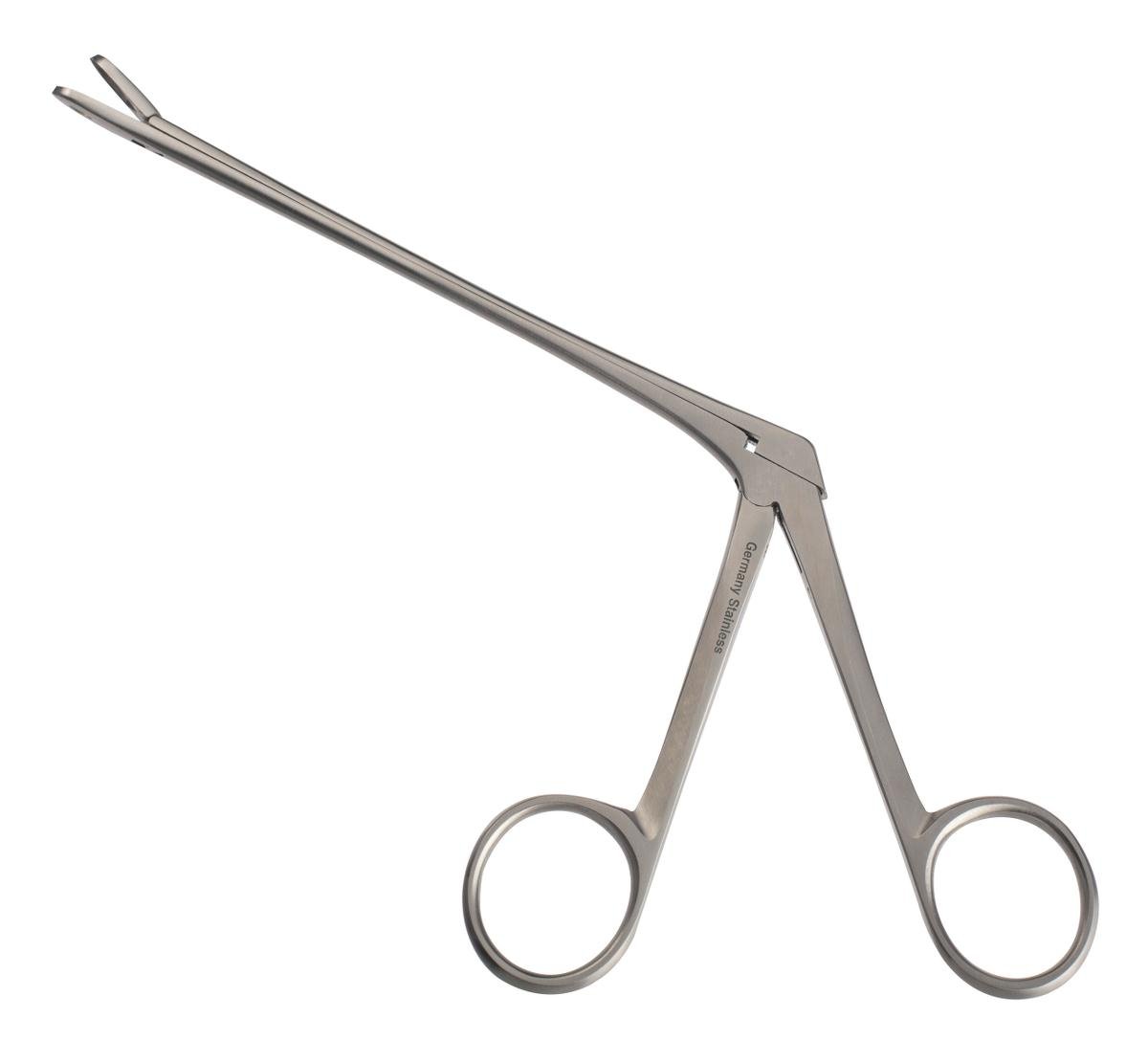

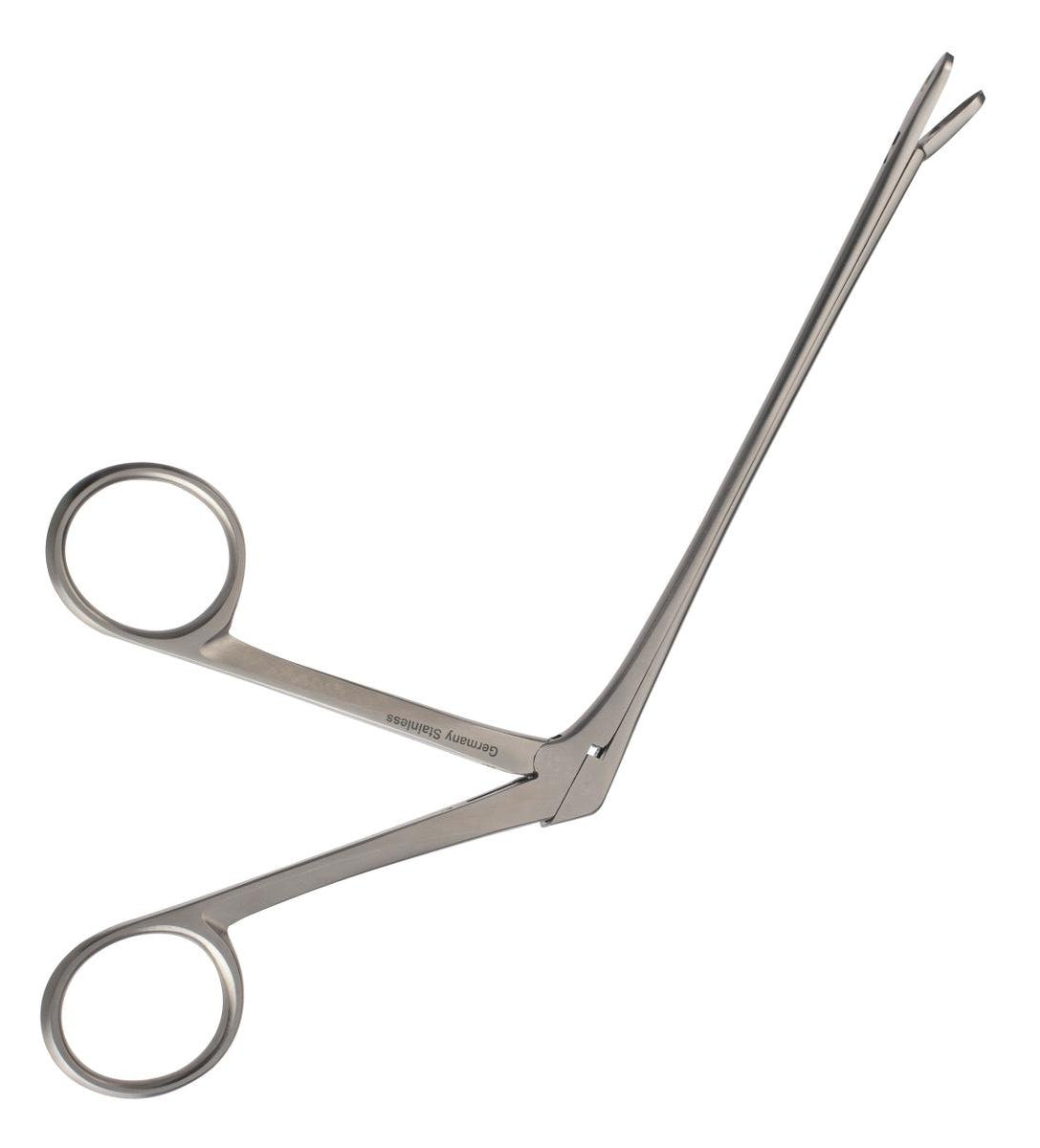
Fish Nasal Grasping Dressing Forceps, SKU PS-5226, is a reusable ENT forceps made from German stainless steel for controlled placement, retrieval, and adjustment of nasal dressings, packing strips, pledgets, and small endonasal materials during rhinologic and nasal surgical care. The size variants are 12mm, 17.5mm, and 18mm, giving surgeons different jaw lengths for anterior nasal access, deeper intranasal placement, and controlled grasping through longer endonasal corridors. The long slender shaft supports reach into the nasal cavity while the angled distal jaws approach the target without excessive handle elevation. It is used during septoplasty, rhinoplasty dressing placement, turbinate procedures, epistaxis packing, nasal fracture care, postoperative packing removal, endoscopic nasal preparation, and ENT wound dressing management. Otolaryngologists, rhinoplasty surgeons, plastic surgeons, emergency ENT teams, hospital operating rooms, outpatient ENT clinics, ambulatory surgery centers, and procurement departments use this pattern when nasal dressing control requires slim access, finger-ring handling, and precise distal jaw alignment.
The instrument works through ring handles connected to a pivoted joint that transfers controlled finger pressure to the distal jaws. The long shaft keeps the hand outside the nostril while the working end advances into the nasal passage, improving access around the vestibule, septal corridor, inferior turbinate region, middle meatus, and postoperative packing site. The angled jaw configuration allows the surgeon to approach dressing material from a working line that remains compatible with nasal specula, suction, endoscopic optics, and headlight visualization. The distal tips grasp gauze, cotton pledgets, packing strips, hemostatic material, or small dressing fragments without requiring a broad clamp profile. The pivot gives immediate tactile response as the jaws close, allowing gradual compression and controlled release once the material is positioned. This geometry supports dressing placement after mucosal preparation, adjustment of packing depth, and retrieval during postoperative care. The slim shaft also limits crowding when used beside suction or an elevator during rhinologic procedures.
During septoplasty, Fish Nasal Grasping Dressing Forceps are used after cartilage and mucosal work when nasal packing, splints, or absorbent material require controlled placement along the septal corridor. In rhinoplasty, the instrument assists with intranasal dressing adjustment after osteotomy, septal correction, turbinate work, or closure of internal incisions. During epistaxis management, the jaws can guide anterior packing or help position hemostatic material against the bleeding site while preserving the operator’s working view. In turbinate procedures, the long profile supports gauze or pledget placement before, during, or after local vasoconstrictor use and mucosal manipulation. For postoperative removal, the distal jaw captures dressing ends and withdraws material in a controlled line. ENT clinics also use this pattern for office-based nasal dressing care after minor procedures. The instrument’s role is controlled grasping and placement, not cutting, bone removal, or tissue resection. Selection depends on packing depth, nasal cavity size, visualization method, and the need for fine distal handling.
The 12mm variant is selected for anterior nasal dressing placement, superficial packing adjustment, pediatric or narrow nasal access, and controlled handling near the vestibule or anterior septum. Its shorter jaw profile supports fine control when working close to the nostril margin or when a nasal speculum leaves limited room for instrumentation. The 17.5mm option provides intermediate reach for routine adult ENT dressing work, septoplasty packing, turbinate pledget placement, and postoperative removal where the target sits beyond the anterior cavity. The 18mm option provides the longest jaw reach for deeper endonasal dressing management, posteriorly directed packing, and larger operative corridors created during rhinoplasty or sinonasal procedures. All three sizes use the same ring-handle and pivoted control, allowing consistent hand mechanics when changing length. Surgeons select size according to cavity depth, dressing length, patient anatomy, and the working space shared with suction, speculum blades, or endoscopic instruments. Keeping all sizes in an ENT tray supports anterior, mid-cavity, and deeper intranasal dressing tasks.
German stainless steel construction gives the instrument strength, corrosion resistance, and dimensional stability for repeated ENT tray use. Satin, dull, and mirror finish options support different operating room preferences; lower-reflection finishes reduce glare under headlight or endoscopic illumination, while mirror surfaces allow fast visual inspection after cleaning. Reusable construction supports central sterile department workflows involving point-of-use soil removal, decontamination, functional inspection, packaging, and steam autoclave sterilization. Cleaning attention should focus on the distal jaw surfaces, pivot area, shaft channel, and handle rings because retained dressing fibers or biological material can interfere with smooth closure. CE marking supports European procurement documentation, ISO 13485 alignment reflects medical device manufacturing controls, and FDA-compliant purchasing language assists hospitals, clinics, and distributors serving regulated healthcare markets. Class I classification fits a reusable manual forceps used for grasping and dressing placement. MOQ 1 piece, OEM availability, 1-year warranty, and return or replacement support provide clear commercial terms for ENT supply teams, distributors, and operating room inventory managers.
| SKU | PS-5226 |
|---|---|
| Product Name | Fish Nasal Grasping Dressing Forceps |
| Price | $31.35 |
| Size/Gauge Variants | 12mm, 17.5mm, 18mm |
| Instrument Category | ENT nasal grasping and dressing forceps |
| Procedure | Septoplasty, rhinoplasty dressing placement, turbinate procedures, epistaxis packing, postoperative nasal packing removal, endonasal dressing management |
| Material | German stainless steel |
| Finish | Satin, dull, and mirror finish options |
| Sterilization | Reusable instrument for validated cleaning, decontamination, inspection, and steam autoclave processing |
| Instrument Classification | Class I manual surgical instrument |
| Reusable | Yes |
| Certifications | CE, ISO 13485, FDA |
| Warranty | 1 year |
| MOQ | 1 piece |
| OEM / Custom Orders | Available for eligible procurement and distributor requirements |
| After-Sale Service | Return and replacement support |
How is this different from Tilley Nasal Dressing Forceps?
Fish Nasal Grasping Dressing Forceps are designed with a long slim shaft and angled distal jaws for controlled intranasal dressing placement and retrieval. Tilley Nasal Dressing Forceps are commonly used for nasal packing and dressing work but have a different jaw and handle profile. The Fish pattern provides a narrow approach that is useful when the surgeon needs distal control through a restricted nasal corridor. Its 12mm, 17.5mm, and 18mm size options support selection by access depth. Tilley forceps are often chosen for general nasal dressing tasks where their pattern is already standardized in an ENT tray. Fish Nasal Grasping Dressing Forceps are selected when angled jaw access and slim shaft alignment are preferred.
Which size should be used for nasal packing and dressing placement?
Fish Nasal Grasping Dressing Forceps in 12mm size are selected for anterior nasal packing, superficial dressing adjustment, and narrow access near the vestibule or anterior septum. The 17.5mm option is used for routine adult septoplasty packing, turbinate pledget placement, and postoperative dressing removal at mid-cavity depth. The 18mm option is selected when dressing material must be advanced farther into the nasal passage or retrieved from a deeper postoperative site. Selection depends on nasal cavity depth, packing length, working view, and the amount of space left by speculum blades or endoscopic instruments. Shorter jaws support fine control close to the nostril. Longer jaws improve reach when the dressing target is deeper.
What do CE, ISO 13485, and FDA references mean for procurement?
Fish Nasal Grasping Dressing Forceps are supplied with CE, ISO 13485, and FDA procurement context for regulated healthcare purchasing. CE marking supports documentation for European medical device supply channels. ISO 13485 alignment reflects manufacturing under a medical device quality management system. FDA-compliant purchasing language assists hospitals, clinics, and distributors serving United States healthcare markets. These references support vendor review, instrument file documentation, and reusable ENT tray purchasing. The product is listed as a Class I manual forceps with MOQ 1 piece and 1-year warranty support.
How does the pivot mechanism control the angled jaws?
The ring handles close through a pivot that transfers finger pressure along the shaft to the distal jaws. When the surgeon compresses the handles, the angled tips approximate around dressing material, packing strips, or pledgets. This allows controlled placement, adjustment, and withdrawal inside the nasal cavity. The pivot gives tactile feedback, so the operator can modulate grip without crushing or tearing material. Fish Nasal Grasping Dressing Forceps do not require a ratchet because grip is continuously controlled by hand pressure. The mechanism is useful during septoplasty packing, epistaxis care, turbinate preparation, and postoperative dressing removal.
How should hospitals and ENT clinics manage sterilization and stocking?
Fish Nasal Grasping Dressing Forceps should be cleaned after use with attention to the distal jaws, pivot, shaft, and handle rings. The mechanism should be opened and closed during cleaning so dressing fibers and biological material are removed from moving areas. After decontamination and inspection, the instrument can be packaged for steam autoclave sterilization under the facility’s validated protocol. Hospitals can stock 12mm, 17.5mm, and 18mm sizes in ENT, rhinoplasty, emergency nasal packing, and outpatient procedure trays. Distributors can order MOQ 1 piece for catalog stocking or replacement supply. Return and replacement support plus 1-year warranty terms assist procurement teams managing reusable ENT forceps inventory.


