
Featured Collection
Your cart
Featured Collection

PEAK SURGICAL
SKU:PS-5232
Couldn't load pickup availability
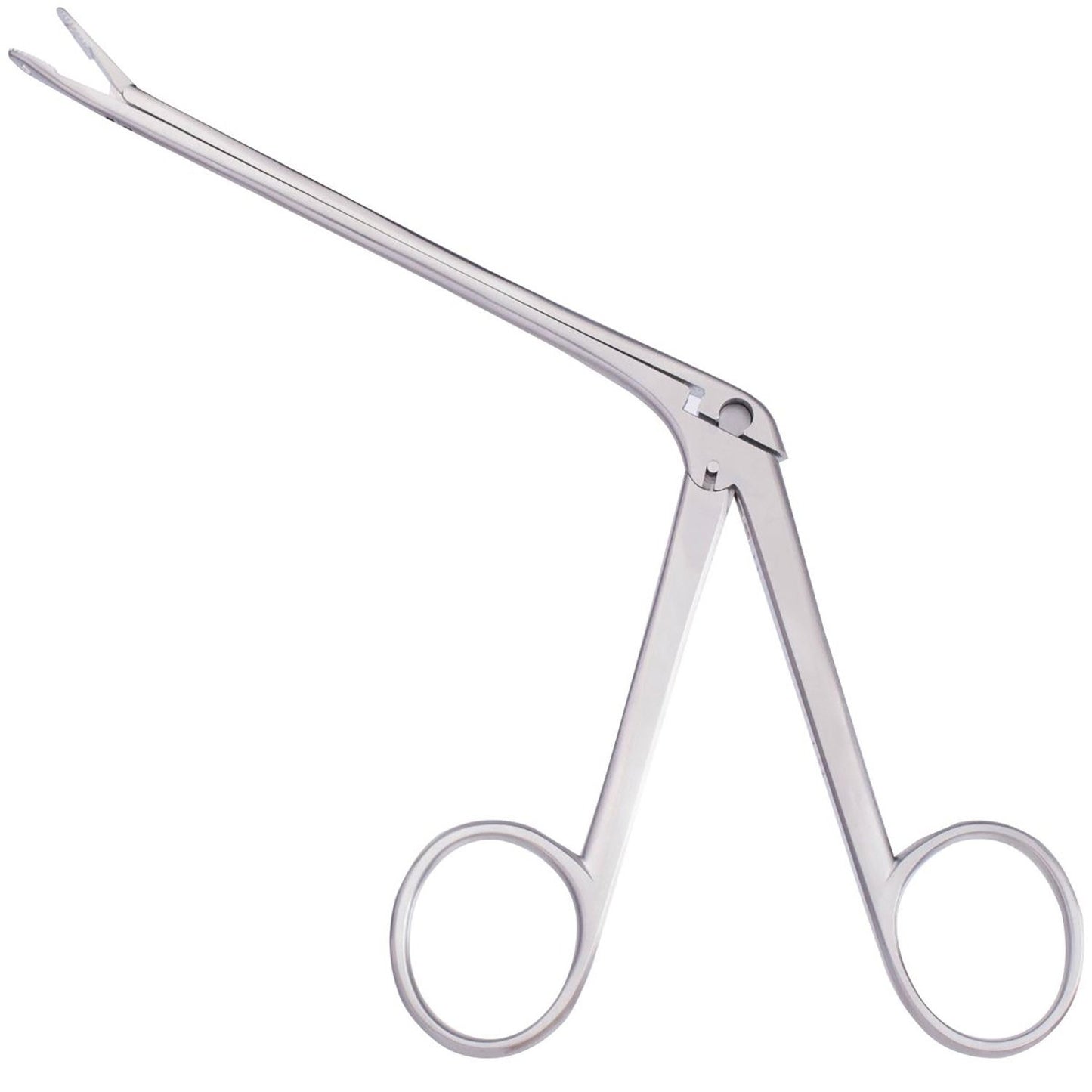

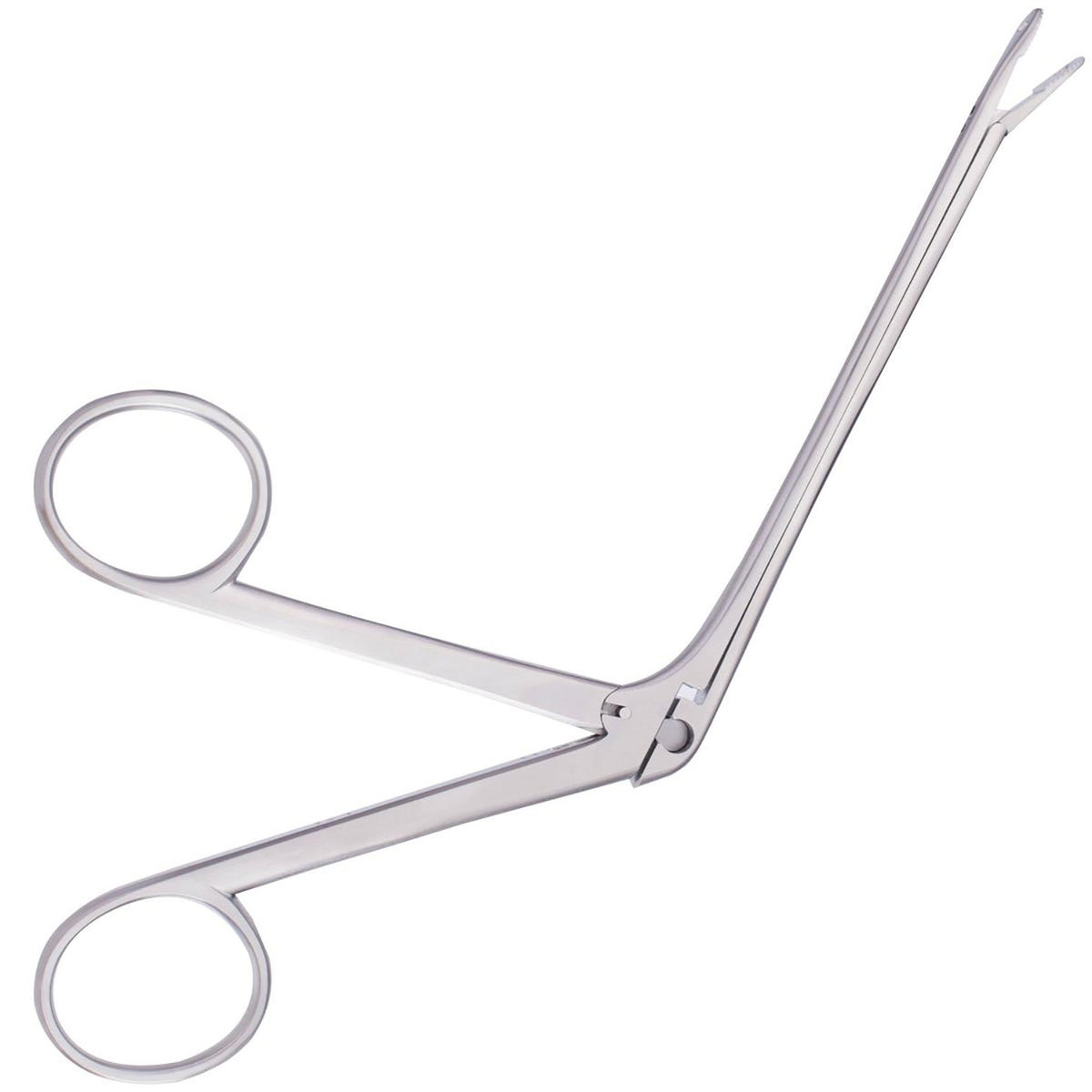
Ferris Smith Fragment Forceps, SKU PS-5232, is a reusable orthopedic fragment-holding forceps made from German stainless steel for grasping, stabilizing, and retrieving small bone pieces during fracture surgery and reconstructive bone work. The available length variants are 105mm and 188mm. The ring-handle design, slim offset shaft, and narrow distal jaws allow controlled access to phalangeal, metacarpal, metatarsal, distal radius, patellar, olecranon, and small long-bone fragments during open reduction and internal fixation. The instrument is used in small fragment ORIF, hand and foot fracture repair, osteochondral fragment retrieval, sequestrum removal, bone graft positioning, revision debridement, and intraoperative fragment extraction after drilling or osteotomy. The shorter 105mm pattern is suited for superficial access and compact operative fields, while the 188mm option provides reach in deeper orthopedic exposures. Orthopedic trauma surgeons, hand surgeons, foot and ankle surgeons, plastic reconstructive teams, hospital operating rooms, ambulatory surgery centers, and orthopedic distributors use this pattern when bone control requires a slender grasping profile rather than a bulky bone clamp.
The instrument works through ring handles connected to a pivoted joint that transfers finger compression into distal jaw closure. This mechanical link gives the surgeon direct tactile feedback while capturing small cortical, cancellous, or osteochondral fragments without introducing the mass of a larger reduction clamp. The offset shaft creates working clearance between the surgeon’s hand and the wound, keeping the handle outside the operative corridor while the tip approaches the fragment line. The long narrow stem also allows the forceps to pass beside elevators, retractors, plates, K-wires, and suction without crowding the field. At the working end, the jaws meet around the selected fragment to hold it during reduction, extraction, or transfer to the back table. The 105mm version favors short-lever control in small bones and superficial incisions. The 188mm length increases reach when the target lies deeper under soft tissue, around metaphyseal bone, or beyond a limited exposure. The pivot permits gradual closure, release, and repositioning as fixation progresses.
During fracture ORIF, Ferris Smith Fragment Forceps are used after exposure, irrigation, and preliminary mobilization of loose bone pieces. In phalangeal, metacarpal, and metatarsal repair, the small jaw profile helps capture compact fragments while plates, screws, or K-wires are prepared. In distal radius, olecranon, patellar, and small long-bone work, the longer option supports deeper access to displaced fragments that need reduction before definitive fixation. During osteochondral fragment retrieval, the jaws grasp the free piece without relying on a cutting rongeur. In sequestrum removal or revision debridement, the instrument helps remove detached bone from a prepared wound after curettage or exposure of the tract. During bone graft placement, the same geometry can guide small cancellous pieces into a defect before tamping or fixation. The forceps are also useful after osteotomy when a small segment must be held while alignment is assessed under direct vision. Selection depends on exposure depth, fragment size, and whether the surgeon needs extraction, stabilization, or controlled transfer.
The 105mm Ferris Smith pattern is selected for hand surgery, foot surgery, pediatric orthopedic exposure, and superficial small-bone procedures where handle travel must remain close to the incision. Its shorter working length gives responsive control during phalangeal reduction, metacarpal shaft fragment handling, metatarsal fixation, and small sequestrum extraction. The 188mm pattern is selected when the target is deeper, the wound is protected by retractors, or the surgeon needs reach around metaphyseal bone and soft tissue bulk. This length is useful in distal radius, patellar, olecranon, small long-bone, and revision cases where the fragment lies beyond a compact surface approach. Both variants use the same ring-handle and pivot arrangement, so the hand motion remains consistent when changing length. Selection is based on target depth, working angle, surrounding instrumentation, and the need for either close-range precision or extended reach. Maintaining both sizes in an orthopedic tray supports fragment capture across compact hand cases, foot cases, trauma exposures, graft-positioning steps, and debridement work.
German stainless steel construction provides the strength and corrosion resistance required for repeated fragment handling, cleaning, and sterilization cycles. The satin, dull, and mirror finish options support different operating room preferences; lower-reflection surfaces reduce glare under surgical lights, while polished surfaces allow rapid inspection after processing. Reusable design fits orthopedic tray workflows that include point-of-use soil removal, decontamination, functional inspection, packaging, and steam autoclave sterilization. Cleaning attention should focus on the distal jaws, pivot junction, shaft channel, and handle rings because blood and bone debris can restrict closure if left in moving areas. CE marking supports European procurement documentation, ISO 13485 alignment reflects medical device quality management, and FDA-compliant purchasing language assists regulated hospital, clinic, and distributor channels. Class I classification fits a non-powered reusable manual forceps used for bone grasping and retrieval. MOQ 1 piece, OEM availability, 1-year warranty, and return or replacement support give clear purchasing terms for orthopedic departments, central sterile teams, and medical distributors maintaining trauma instrument inventories.
| SKU | PS-5232 |
|---|---|
| Product Name | Ferris Smith Fragment Forceps |
| Price | $30.80 |
| Size/Gauge Variants | 105mm, 188mm |
| Instrument Category | Orthopedic fragment forceps |
| Procedure | Small fragment ORIF, hand and foot fracture repair, osteochondral fragment retrieval, sequestrum removal, bone graft positioning, revision debridement |
| Material | German stainless steel |
| Finish | Satin, dull, and mirror finish options |
| Sterilization | Reusable instrument for validated cleaning, decontamination, inspection, and steam autoclave processing |
| Instrument Classification | Class I manual surgical instrument |
| Reusable | Yes |
| Certifications | CE, ISO 13485, FDA |
| Warranty | 1 year |
| MOQ | 1 piece |
| OEM / Custom Orders | Available for eligible procurement and distributor requirements |
| After-Sale Service | Return and replacement support |
How is this different from Lane Bone Holding Forceps?
Ferris Smith Fragment Forceps are designed for grasping and retrieving smaller bone fragments through a slimmer orthopedic access route. Lane Bone Holding Forceps have heavier jaws and stronger clamping geometry for holding larger bone segments during reduction and fixation. The Ferris Smith pattern is better suited for compact fragments in hand, foot, distal radius, olecranon, patellar, and small long-bone work. It uses a narrow jaw profile rather than a broad bone clamp surface. Lane forceps are selected when the surgeon needs powerful stabilization across a larger cortex. Ferris Smith Fragment Forceps are selected when precise fragment capture, extraction, or graft placement is the operative task.
Which size is selected for superficial and deeper orthopedic work?
Ferris Smith Fragment Forceps in 105mm length are selected for superficial hand, foot, pediatric, and small-bone procedures. This size gives short-lever control when working around phalanges, metacarpals, metatarsals, and compact sequestra. The 188mm length is selected when the target lies deeper under soft tissue, retractors, or a limited exposure. It is useful for distal radius, olecranon, patellar, metaphyseal, and small long-bone fragment handling. The surgeon selects length according to wound depth, fragment size, working angle, and adjacent implants. Ferris Smith Fragment Forceps allow the same handle action across both length options.
What does CE, ISO 13485, and FDA context mean for procurement?
Ferris Smith Fragment Forceps are supplied with CE, ISO 13485, and FDA procurement context for regulated healthcare purchasing. CE marking supports documentation for European medical device supply channels. ISO 13485 alignment reflects manufacturing under a medical device quality management system. FDA-compliant purchasing language assists hospitals, clinics, and distributors serving United States healthcare markets. These references support vendor review, product file documentation, and reusable instrument purchasing. The instrument is listed as a Class I manual orthopedic forceps with MOQ 1 piece and 1-year warranty support.
How does the pivot control feature affect intraoperative handling?
The pivot connects the ring handles to the distal jaw movement. When the surgeon closes the handles, pressure is transmitted through the offset shaft to capture the selected fragment. This gives controlled closure during reduction, extraction, graft transfer, or removal of detached bone. The mechanism allows the operator to release and reposition the jaw without changing instruments. Tactile feedback helps distinguish firm cortical purchase from unstable cancellous grip. The pivoted design supports repeated adjustments during ORIF, osteochondral retrieval, sequestrum removal, and revision debridement.
How should hospitals and distributors manage sterilization and stocking?
Ferris Smith Fragment Forceps should be cleaned after use with attention to the jaws, pivot, shaft channel, and handle rings. The mechanism should be opened and closed during cleaning so blood and bone debris are removed from moving areas. After decontamination and inspection, the instrument can be packaged for steam autoclave sterilization under the facility’s validated protocol. Hospitals can stock 105mm and 188mm lengths in orthopedic trauma, hand surgery, foot and ankle, and reconstruction trays. Distributors can order MOQ 1 piece for catalog stocking or replacement supply. Return and replacement support plus 1-year warranty terms help operating room teams maintain reusable fragment forceps inventory.


